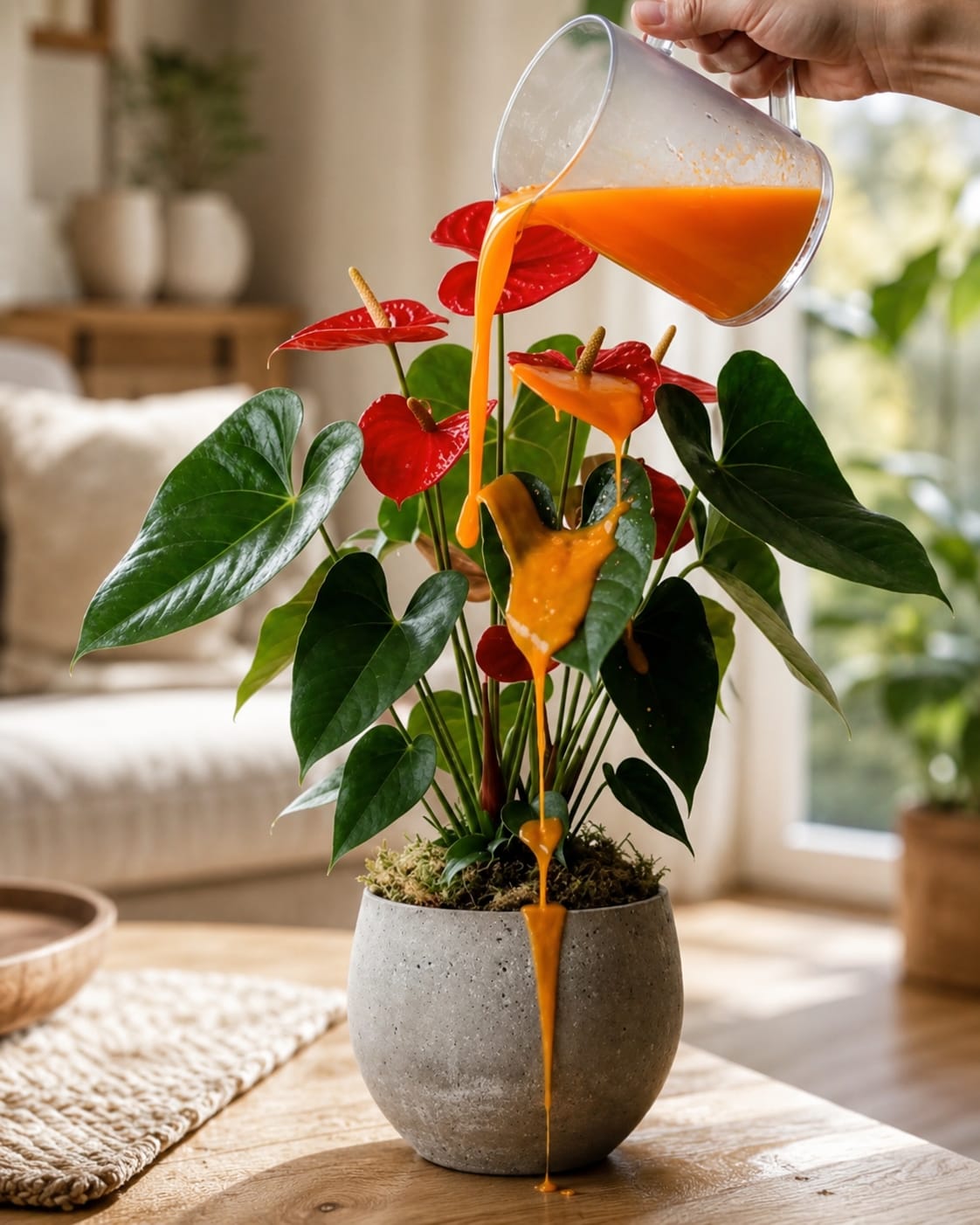
Anthurium is one of the most elegant flowering houseplants for people who want glossy green leaves, colorful spathes, and a premium tropical look inside the home. Its heart-shaped foliage, bright red flower bracts, upright stems, and polished decorative appearance make it a favorite for living room styling, bedroom decor, home office greenery, modern apartment interiors, luxury indoor plant displays, and polished property presentation. When an Anthurium is healthy, it can look like a high-end floral arrangement while still being a living plant that continues to grow and bloom over time.
Many people are attracted to Anthurium because of its red, pink, white, orange, or purple spathes. These colorful parts are often called flowers, although the true flowers are actually found on the small spike in the center. The glossy spathes can last for weeks when the plant is cared for correctly. This long-lasting color is one reason Anthurium is used in premium indoor plant styling, reception areas, hotel-style interiors, home offices, and decorative plant corners where a clean and colorful accent is needed.
Homemade liquid feeding ideas are often used around flowering plants because people want stronger blooms and richer leaves. Orange-colored liquids are commonly associated with natural plant food, fruit-based fertilizer, carrot water, citrus peel water, banana peel tea mixed with other ingredients, compost tea, turmeric-colored organic liquid, or diluted plant nutrient solutions. However, any homemade liquid used around Anthurium should be explained carefully. A bright liquid may look powerful, but Anthurium roots are sensitive, and thick, sugary, acidic, fermented, or unstrained liquids can damage the plant rather than help it.
This guide explains how an orange liquid may be used safely around an Anthurium plant, what it should not be misunderstood as, why thick homemade liquids can be risky, how to protect the roots and crown, what kind of water and fertilizer routine is safer, how to support brighter leaves and longer-lasting blooms, and how to keep the plant clean enough for indoor plant styling, commercial interior landscaping, luxury home staging, modern apartment decor, and premium plant presentation.
Quick Answer
An orange liquid should not be poured over Anthurium flowers, leaves, crown, or soil unless it is known to be safe, clean, diluted, and suitable for houseplants. Thick fruit juice, citrus juice, carrot pulp, sugary blends, fermented liquids, and strong homemade mixtures can attract fungus gnats, cause mold, create bad odor, burn roots, damage leaves, and make the potting mix too wet. Anthurium grows best with bright indirect light, a chunky airy potting mix, drainage holes, moderate humidity, and a light balanced fertilizer during active growth. If a homemade orange liquid is used, it should be very diluted, strained completely, applied only to the soil in small amounts, and used rarely. A labeled indoor flowering plant fertilizer is usually safer and more predictable than unknown homemade liquids.
What Plant This Is
The plant is an Anthurium, a tropical houseplant known for its glossy heart-shaped leaves and colorful spathes. The most common indoor type is Anthurium andraeanum, often sold as flamingo flower, laceleaf, or painter’s palette. It is popular because the plant combines foliage value with long-lasting color. Unlike many flowering houseplants that bloom briefly and then look plain, Anthurium can remain decorative even when it is not producing new spathes because the leaves are attractive on their own.
Anthurium has a tropical growth habit. It likes warmth, humidity, airy roots, and bright filtered light. In nature, many Anthurium species grow in loose organic material, often with roots that receive both moisture and oxygen. This is very important for indoor care. The plant does not like dense soil that stays soggy. It needs a potting mix that can hold gentle moisture while still allowing air to move around the roots.
The plant looks refined in decorative planters because the leaves and spathes have a polished surface. A stone-effect planter, white ceramic pot, matte black container, terracotta planter, or textured modern cachepot can all make Anthurium look premium. The pot should look beautiful, but it must also support root health. Good drainage and airflow matter more than appearance alone.
What the Orange Liquid Might Represent
An orange liquid used around an Anthurium may represent many different homemade plant-care ideas. It may be carrot water, orange peel water, diluted fruit-based fertilizer, banana peel liquid mixed with another ingredient, compost tea, worm casting tea, turmeric-colored plant solution, or a commercial fertilizer with an orange tone. Because the exact ingredient is not always clear, the safest approach is to treat any unknown liquid with caution.
The color of a liquid does not prove that it is good for the plant. A bright orange color may come from fruit pigments, pulp, spices, or concentrated nutrients. Some of these materials may be harmless when diluted, while others may be too acidic, sugary, thick, or unstable for indoor pots. Anthurium roots are not designed to sit in syrupy organic liquid. They need oxygen as much as moisture.
If the liquid contains sugar, fruit pulp, or fermented material, it can quickly attract pests. Fungus gnats, fruit flies, mold, and bacteria can appear when organic liquids are poured into warm indoor soil. This is especially risky if the potting mix is already damp or if the planter has poor drainage. A homemade liquid should never create smell, residue, sticky soil, or wet decay around the plant.
What This Method Should Not Be Misunderstood As
An orange liquid should not be misunderstood as a magic bloom booster. Anthurium flowers are not created by one dramatic liquid feeding. Long-lasting blooms depend on root health, bright indirect light, steady moisture, moderate humidity, warmth, and gentle feeding over time. A plant that is stressed by poor light or soggy roots will not become healthy simply because a colorful liquid is poured on it.
This method should not be misunderstood as a reason to pour liquid over the flowers. Anthurium spathes can stain, rot, or develop marks if thick liquid sits on them. The central spadix and leaf surfaces should also stay clean. Fertilizer and homemade liquids should be applied to the potting mix only, not to the decorative parts of the plant. A clean Anthurium display depends on glossy leaves and spotless spathes.
It should also not be misunderstood as a replacement for proper potting mix. Anthurium needs a chunky, airy blend. If the roots are sitting in dense wet soil, orange liquid will not fix the problem. It may make the soil even heavier and increase the risk of root rot. The foundation of Anthurium care is a breathable root zone, not a strong homemade drink.
Why Thick Homemade Liquids Can Be Risky
Thick homemade liquids can be risky because they may leave residue inside the soil. If a liquid contains fruit pulp, blended peel, vegetable fiber, sugar, honey, milk, or kitchen scraps, those materials can begin decomposing in the pot. Decomposition inside an indoor planter can create odor, attract insects, and reduce oxygen around the roots. Anthurium roots are sensitive to that kind of wet organic buildup.
Another risk is acidity. Citrus-based liquids, especially orange or lemon juice, can be too acidic if used directly. Anthurium prefers a mildly acidic to neutral environment, but strong acidic liquids can irritate roots and disturb the potting mix. Fruit juice is not the same as plant fertilizer. It may contain natural compounds, but it is not balanced or predictable for houseplant feeding.
Fermentation is also a concern. Homemade liquids that sit too long can begin to ferment. A fermented smell, sour odor, bubbling, or slimy texture means the mixture should not be used indoors. Pouring fermented liquid into an Anthurium pot may introduce unwanted microbes and create soil problems. Clean indoor plant care should never smell rotten or alcoholic.
How to Use a Safe Diluted Liquid
If an orange liquid is used, it should be treated as a mild occasional supplement rather than a normal watering routine. The liquid should be thin, fully strained, and heavily diluted with clean water. It should not contain pulp, sugar, salt, oil, dairy, spices, or sticky residue. It should smell fresh and neutral. If there is any sour, rotten, or fermented odor, it should be discarded.
The liquid should be applied only to the soil, and only when the plant actually needs watering. It should not be poured over the spathes, leaves, stems, or crown. Water sitting in the crown can encourage rot. Liquid on the flowers can leave stains and reduce the clean premium look. A narrow-spout watering can is safer than pouring from a wide jug because it gives better control.
Only a small amount should be used. The pot should have drainage holes, and extra liquid should drain out. Any water collected in a saucer or cachepot should be removed. Anthurium roots like moisture, but they do not like sitting in stagnant liquid. A safe feeding method should never leave the pot soaked for days.
Why Root Health Matters More Than Liquid Color
Anthurium growth begins with roots. Healthy roots allow the plant to absorb water, nutrients, and oxygen. If the roots are damaged, no colorful liquid will produce healthy blooms. A plant with poor roots may show yellow leaves, drooping stems, brown tips, weak flowers, slow growth, or a sour smell from the pot. These signs should be corrected through better root care, not stronger feeding.
Healthy Anthurium roots need a balance of moisture and air. The potting mix should be chunky enough to breathe. It should not become muddy after watering. If the mix stays wet for too long, roots may suffocate and rot. If the mix dries completely for too long, the plant may wilt and flower poorly. The right balance is steady light moisture with good drainage.
A safe care routine supports the roots first. That means using the right pot, the right mix, the right watering rhythm, and the right light. Liquid feeding should be secondary. It can support growth only when the plant’s environment is already healthy.
Best Potting Mix for Anthurium
Anthurium grows best in an airy potting mix similar to an aroid mix. A good blend usually contains indoor potting soil combined with orchid bark, perlite, coco chips, pumice, charcoal, or coarse organic material that keeps the root zone open. The mix should hold some moisture but allow extra water to move through easily.
Dense garden soil should not be used alone in an Anthurium pot. It can compact, drain poorly, and suffocate the roots. Heavy compost mixes should also be used carefully because they can stay too wet indoors. Anthurium roots are more comfortable in a loose, breathable medium than in a heavy soil that behaves like mud.
If homemade liquid feeding is used, the potting mix becomes even more important. A chunky mix can drain excess liquid better than dense soil. However, even a good mix can become unhealthy if thick liquids are poured into it repeatedly. The soil should remain clean, fresh-smelling, and airy.
Choosing the Right Pot
The pot should have drainage holes. This is one of the most important rules for Anthurium care. A decorative planter without drainage may look beautiful, but it can trap water at the bottom and rot the roots. If a cachepot is used, the Anthurium should remain in an inner nursery pot with holes, and extra water should be emptied after watering.
The pot should not be too large. A very large pot can hold more wet mix than the roots can use, leading to slow drying and root stress. A slightly larger pot is enough when repotting. Anthurium likes room to grow, but it does not need to be placed in an oversized container filled with damp soil.
A stone-effect or ceramic planter can make Anthurium look elegant because it contrasts nicely with glossy leaves and bright red spathes. Neutral planters such as gray, cream, white, beige, black, or terracotta work well. The planter should support the decorative look, but drainage and root health should remain the priority.
Watering Anthurium Correctly
Anthurium prefers consistent moisture, but it should not stay soggy. The top layer of the potting mix can begin to dry slightly before the plant is watered again. The exact timing depends on light, temperature, humidity, pot size, and soil structure. A plant in bright indirect light may dry faster than one in a dim corner.
When watering, water should be applied directly to the potting mix until it drains from the bottom. The leaves and flowers do not need to be soaked. Extra water should be removed from the saucer or cachepot. Standing water around the roots is one of the fastest ways to damage an Anthurium.
If an orange liquid is used as an occasional diluted feed, it should count as watering. The plant should not receive the orange liquid and then extra water immediately afterward unless the goal is to flush the soil. Too much liquid at one time can keep the potting mix wet for too long.
Light for Better Leaves and Flowers
Bright indirect light is essential for strong Anthurium growth and good flowering. The plant can tolerate moderate indoor light, but it usually blooms better when it receives steady filtered brightness. A position near a bright window with a sheer curtain can work well. Morning light may be acceptable if it is gentle, but harsh direct sun can burn leaves and spathes.
Low light can lead to fewer flowers, slower growth, and stretched stems. If the plant produces leaves but no new spathes for a long time, light may be one of the main issues. Feeding alone will not solve poor blooming if the plant is too far from a bright window. A grow light can help in darker homes or during winter.
Good light also helps the potting mix dry at a healthier pace. Plants in dark rooms use less water, so the soil remains wet longer. This can become dangerous if homemade liquids are added. The brighter the indirect light, the easier it is to maintain balanced moisture and healthy roots.
Humidity and Airflow
Anthurium enjoys moderate humidity because it is a tropical plant. Dry air can cause brown leaf edges or reduce the quality of new growth. A humidifier can help if the room is very dry. However, humidity should be balanced with airflow. Still, damp air can encourage fungal issues, especially if leaves stay wet.
Misting is not always the best solution. Spraying the leaves and flowers repeatedly can leave mineral spots, encourage fungal marks, and reduce the clean glossy look. If misting is used, it should be light and the plant should dry quickly. A humidifier or humidity tray may be cleaner than constant spraying.
Good airflow helps prevent stagnant moisture around the plant. This does not mean placing Anthurium in a cold draft or directly in front of an air conditioner. It means keeping the area fresh and not overcrowded. A plant with good airflow, bright indirect light, and proper moisture is less likely to develop leaf and flower problems.
Best Fertilizer Routine
Anthurium benefits from light regular feeding during active growth. A balanced indoor plant fertilizer, a flowering houseplant fertilizer, or an aroid-friendly fertilizer can be used at reduced strength. The plant does not need strong fertilizer. Gentle feeding is safer, especially indoors where growth may be slower.
A labeled fertilizer is more predictable than an unknown orange liquid. Commercial fertilizers provide measured nutrients, while homemade liquids can vary widely. If the goal is stronger leaves and longer-lasting flowers, a mild balanced fertilizer used correctly is usually better than thick fruit-based mixtures.
Fertilizer should not be applied to a stressed plant with rotten roots, yellowing from overwatering, or sour-smelling soil. Feeding a stressed root system can make the problem worse. The plant should be stabilized first through better watering, drainage, light, and soil conditions. Feeding works best when the plant is already healthy.
Possible Damage If Orange Liquid Is Used Incorrectly
Orange liquid can damage Anthurium if it is too thick, too acidic, too strong, or applied too often. Root burn, sticky soil, fungus gnats, mold, bad smell, yellow leaves, and drooping stems can all happen when the potting mix becomes overloaded with organic residue. Anthurium roots need oxygen, and decaying liquid residue can reduce that oxygen.
Pouring liquid over the flowers can also damage the display. Anthurium spathes can develop stains, soft marks, or rot if wet organic liquid sits on them. The central spadix can also become messy. A flowering plant should be kept clean so the decorative color remains attractive.
If liquid collects in the crown or around the stem bases, rot may develop. This is especially risky when the room is cool, the plant is in low light, or the potting mix is already wet. The safest method is controlled soil application only, never pouring over the top of the plant.
Warning Signs to Watch For
After using any homemade liquid, the plant should be watched for fungus gnats, fruit flies, mold on the soil surface, sour smell, sticky residue, yellow leaves, drooping stems, brown leaf tips, soft roots, or blackened stem bases. These warning signs suggest that the liquid may have disturbed the potting mix or root system.
If the soil begins to smell bad, the plant may need to be flushed with clean water or repotted, depending on severity. If pests appear, the top layer of soil should be checked for organic residue. Sticky or pulpy material should be removed. The plant should be allowed to dry slightly and placed in brighter indirect light with good airflow.
If leaves droop while the soil is wet, watering more will not help. Wet-soil drooping often means the roots are stressed and cannot absorb water properly. In that case, root health and drainage should be checked. A plant that is struggling after homemade feeding should be simplified, not given more treatments.
Common Mistakes
The biggest mistake is pouring thick orange liquid directly over the flowers and leaves. Anthurium is a decorative flowering plant, and its spathes should stay clean. Any feeding liquid should go into the potting mix only. Another common mistake is using fruit juice as fertilizer. Juice may be natural, but it is not automatically safe for roots.
Another mistake is using too much liquid too often. Anthurium does not need constant homemade feeding. Repeated use of organic liquids can build residue inside the pot and attract pests. Occasional light feeding is safer than dramatic treatments. If the plant needs nutrients, a measured fertilizer is more reliable.
Using homemade liquid in a pot without drainage is also risky. If extra liquid cannot escape, it remains around the roots. This can quickly create rot. A decorative pot must be checked for drainage before any liquid feeding is used. Beauty should never come before root safety.
What to Do If the Plant Was Already Soaked
If thick orange liquid was already poured over the plant, the first step is to clean the leaves and spathes gently with a damp cloth. The goal is to remove residue before it dries, stains, or attracts pests. The crown and stem bases should be checked for trapped liquid. Any visible pulp or sticky material on the soil surface should be removed.
If the pot has drainage and the soil does not smell bad, the plant can be monitored closely. Watering should be paused until the potting mix begins to dry. If the soil smells sour, becomes sticky, grows mold, or attracts insects, the plant may need to be repotted into fresh airy mix.
If repotting is necessary, the roots should be inspected. Rotten roots should be trimmed with clean tools. The plant should be placed into a chunky Anthurium-friendly mix and watered carefully. Homemade liquids should be avoided until the plant is stable again.
Repotting After Liquid Damage
Repotting may be needed if the orange liquid caused mold, smell, pests, or soggy soil. The plant should be removed gently from the pot, and the old mix should be inspected. Sticky or sour-smelling soil should be discarded. The roots should be checked for softness, dark color, or rot. Healthy roots are usually firm and lighter in color.
A fresh aroid-style potting mix should be prepared with airy materials such as orchid bark, perlite, coco chips, pumice, and light potting soil. The plant should be placed at the same depth as before. The crown should not be buried. The soil should be firm enough to hold the plant upright but not packed tightly.
After repotting, the plant should be placed in bright indirect light and watered carefully. It should not be fertilized immediately if the roots were disturbed. The plant needs time to recover. Once new growth appears and the plant looks stable, a gentle fertilizer routine can be resumed.
How to Keep Anthurium Blooming
Anthurium blooms best when the whole care routine is balanced. Bright indirect light is one of the biggest factors. Without enough light, the plant may produce leaves but few flowers. Warmth also matters. Anthurium prefers stable indoor temperatures and does not like cold drafts.
The potting mix should stay lightly moist but never waterlogged. If the plant dries out completely too often, flowers may fade faster. If it stays too wet, roots may rot and blooming may stop. A steady watering rhythm is better than sudden extremes. The plant should also receive light feeding during active growth.
Old faded spathes can be removed when they decline. This keeps the plant looking clean and helps the display stay premium. The cut should be made with clean scissors near the base of the flower stem. Removing old blooms does not force instant new flowers, but it helps the plant look tidy and allows energy to support future growth.
Continue to Page 2
Continue to page 2 for more details about this article and the key points many readers miss on the first page.