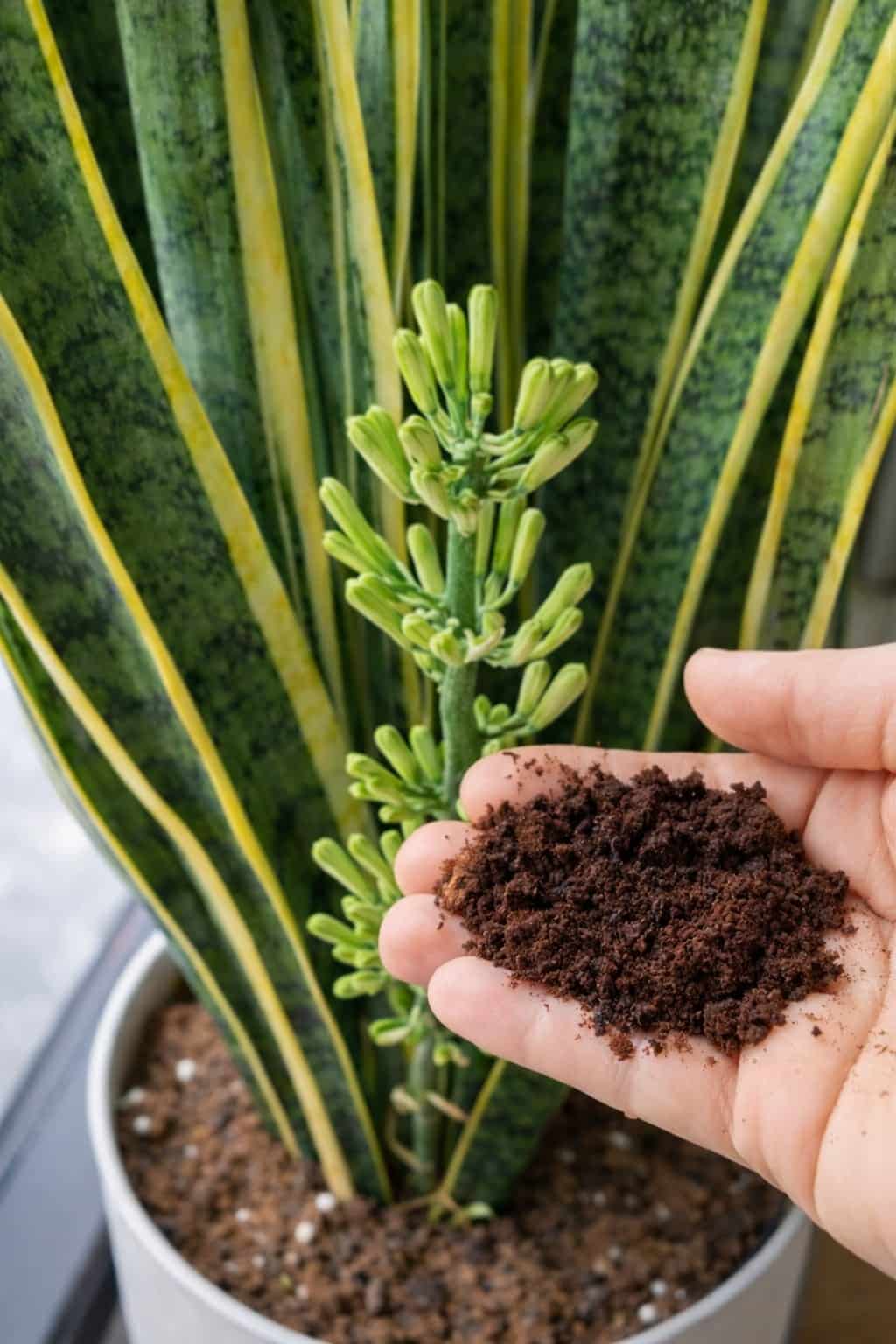
Step 4: Water with More Balance
Anthuriums like moisture, but they do not like wet roots. They come from tropical rainforests where they grow in loose, well‑draining organic matter, not swampy soil.
Before the Next Bloom Cycle, Follow These Watering Rules:
· Keep the mix lightly moist – Not soggy, not bone dry.
· Let the top inch of soil dry slightly between waterings.
· Water thoroughly when you do water, until it runs from the drainage holes.
· Empty the saucer immediately — never let the plant sit in water.
· Use a pot with drainage holes – Non‑negotiable.
In most homes, this means watering every 5–7 days in spring/summer, and every 7–10 days in fall/winter. Adjust based on your humidity, pot size, and mix.
A plant with well‑balanced moisture grows stronger leaves and has much more energy for future blooms.
Step 5: Increase Humidity if Possible
Anthuriums love a slightly humid environment. They are native to tropical rainforests where humidity often exceeds 70%. In dry indoor air (especially in winter with heating), they struggle.
Signs of Low Humidity:
· Brown, crispy leaf edges
· Weak, slow growth
· Shorter‑lasting blooms
· Slower flower production
· Leaves curling under
How to Boost Humidity (Simple & Effective):
· Use a humidity tray – Place a shallow tray filled with pebbles and water under the pot (water should not touch the pot bottom).
· Group plants together – They create a microclimate.
· Run a small humidifier nearby (best for serious plant lovers).
· Mist the leaves in the morning (do not mist the flowers or let water pool in the crown).
· Move the plant to a naturally humid room like a kitchen or bathroom with good light.
Even a small boost in humidity can help the plant feel more comfortable before blooming begins again.
Step 6: Clean Up Old Growth
Before the next bloom cycle, remove:
· Faded flowers – Cut the flower stem down to the base.
· Yellowing or dead leaves – Cut at the base with clean scissors.
· Damaged stems – Any brown, mushy, or broken parts.
This helps the plant redirect its energy into healthy new growth instead of wasting strength on parts that are already finished. A clean, healthy plant usually prepares for blooming much better.
Pro tip: After cutting, dust the cut ends with a tiny bit of cinnamon to prevent fungal issues. Cinnamon is antifungal and safe for this purpose.
What the “Powder Trick” May Actually Do (Realistic View)
If the powder in videos is a real fertilizer or a mild organic amendment (like worm castings or a slow‑release bloom booster), it may help a little by giving the plant extra nutrients. But it is not magic.
If the roots are weak, the light is poor, or the soil is wrong, the powder alone will not create better flowers. That is why the real secret is not the powder. It is the full pre‑bloom setup:
· Healthy roots
· Bright light
· Careful watering
· Gentle feeding
· Stable conditions (humidity, temperature, airflow)
The powder can be a small supporting step, but it is never the main event.
Signs Your Anthurium Is Getting Ready for the Next Bloom Cycle
If your plant is responding well to your pre‑bloom care, you may notice:
· Deeper green leaves – Rich, glossy, and healthy.
· Stronger, upright stems – Not drooping or weak.
· Fresh new leaf growth – New leaves emerging from the center.
· A fuller center – The plant looks lush and compact.
· A new flower spike beginning to form – A small green bud at the base of a leaf.
These are the signs that the plant is building energy the right way. Once you see that first tiny bud, continue your routine — but do not move the plant, change watering dramatically, or add strong fertilizer. Keep conditions stable.
Common Pre‑Bloom Mistakes to Avoid
If you want the next bloom cycle to be impressive, avoid these errors.
Overfeeding
Too much fertilizer, especially high‑nitrogen, encourages leaf growth at the expense of flowers. Use a balanced or bloom‑booster formula at half strength.
Overwatering
Soggy soil leads to root rot. Rotting roots cannot support blooms. Let the top inch dry.
Low Light
Even a healthy plant will not bloom well without enough light. Move it closer to a window or add a grow light.
Skipping Root Checks
If the roots are bound, rotten, or in old compacted mix, nothing else will matter. Check roots every 6–12 months.
Ignoring Humidity
Dry air stresses the plant. Flowers may be smaller, fewer, or fade faster.
Using Random Kitchen Powders Without Research
Cinnamon is fine for cuts, but coffee grounds, eggshell powder, or baking soda are not reliable bloom boosters. Stick to known fertilizers or gentle organics like worm castings.
A Complete Pre‑Bloom Routine (Printable Checklist)
8–12 Weeks Before You Want Blooms (Prep Phase)
· Unpot and inspect roots. Trim rot. Repot in fresh, chunky mix if needed.
· Move plant to bright indirect light (east window or south with sheer curtain).
· Begin light feeding: balanced fertilizer (half strength) every 2–4 weeks.
· Water when top inch of soil is dry. Keep lightly moist, not soggy.
· Increase humidity (tray, group plants, or humidifier).
· Remove old flowers and yellow leaves.
· Maintain stable temperatures (65–80°F, no cold drafts).
4–6 Weeks Before Expected Blooms (Bud Development)
· Continue same light and watering.
· Switch to bloom‑booster fertilizer (higher phosphorus) once every 3–4 weeks.
· Do not repot or disturb roots.
· Watch for new leaf growth and tiny flower buds.
After Blooms Appear (Maintenance)
· Keep conditions stable — no moving the plant.
· Continue watering and humidity routine.
· Stop fertilizing until after blooming ends.
· Enjoy the flowers (they can last 6–8 weeks).
After Blooming Ends
· Cut off spent flower stems.
· Rest the plant for 4–6 weeks (slightly less water, no fertilizer).
· Then repeat the pre‑bloom routine for the next cycle.
Frequently Asked Questions (Anthurium Bloom Cycle)
How often do anthuriums bloom indoors?
With good care, anthuriums can bloom 2–4 times per year. Each flower lasts 6–8 weeks. The gap between cycles is usually 2–3 months.
Why is my anthurium not blooming even though it looks healthy?
Most likely not enough light. Move it to a brighter spot. Also check: are you overfeeding nitrogen? Too much nitrogen promotes leaves, not flowers.
Can I use Epsom salt to help anthurium blooms?
Epsom salt provides magnesium. If your plant shows signs of magnesium deficiency (yellowing between leaf veins), a diluted solution (1 teaspoon per gallon) once a month may help overall health. It is not a direct bloom booster.
What is the best fertilizer for anthurium flowers?
A balanced fertilizer (10‑10‑10) diluted to half strength, applied every 2–4 weeks during spring and summer. For a bloom boost, switch to a formula with higher phosphorus (middle number) like 10‑20‑10 once a month.
How do I get my anthurium to produce more flowers at once?
More light, proper feeding, and a slightly root‑bound pot can encourage multiple flower spikes. Also, anthuriums that are mature (2–3 years old) naturally produce more flowers.
Should I cut off the brown tips of anthurium leaves?
You can trim brown tips for appearance, but it will not stimulate blooms. Brown tips usually indicate low humidity or fluoride in tap water. Use filtered water and increase humidity.
Can I use rice water on anthuriums?
Diluted rice water (1:1 with fresh water) can be used occasionally as a mild tonic. It is not a bloom booster, but it provides trace minerals. Do not use it every watering.
My anthurium has green flowers instead of red/pink. Why?
Flowers naturally turn green as they age. If new flowers emerge green, the plant may be getting too much nitrogen or not enough light. Adjust feeding and light.
Final Thoughts
Before your next anthurium bloom cycle, focus on strengthening the plant instead of chasing quick tricks.
The best results come from:
· Healthy roots – Firm, white/tan, in fresh airy mix.
· Bright indirect light – East window or south with sheer curtain.
· Airy, well‑draining soil – Orchid bark + perlite + peat.
· Gentle feeding – Balanced or bloom‑booster fertilizer, half strength.
· Balanced watering – Lightly moist, never soggy.
· A stable, humid environment – 60–80% humidity, 65–80°F.
That is what helps an anthurium produce the kind of blooms everyone wants — brighter, stronger, and more impressive than the last cycle.
Because the best flowers do not begin when the bloom opens. They begin in the quiet weeks before it.
So before your next bloom cycle, check those roots. Move that plant closer to the light. Water with intention. Feed gently. And watch as your anthurium rewards you with flowers that stop people mid‑sentence.
No magic powder required. Just smart, steady care.
Have you prepared your anthurium for a bloom cycle using these steps? Share your experience in the comments below. And if you found this guide helpful, save it for later or send it to a friend who wants bigger, brighter anthurium blooms.