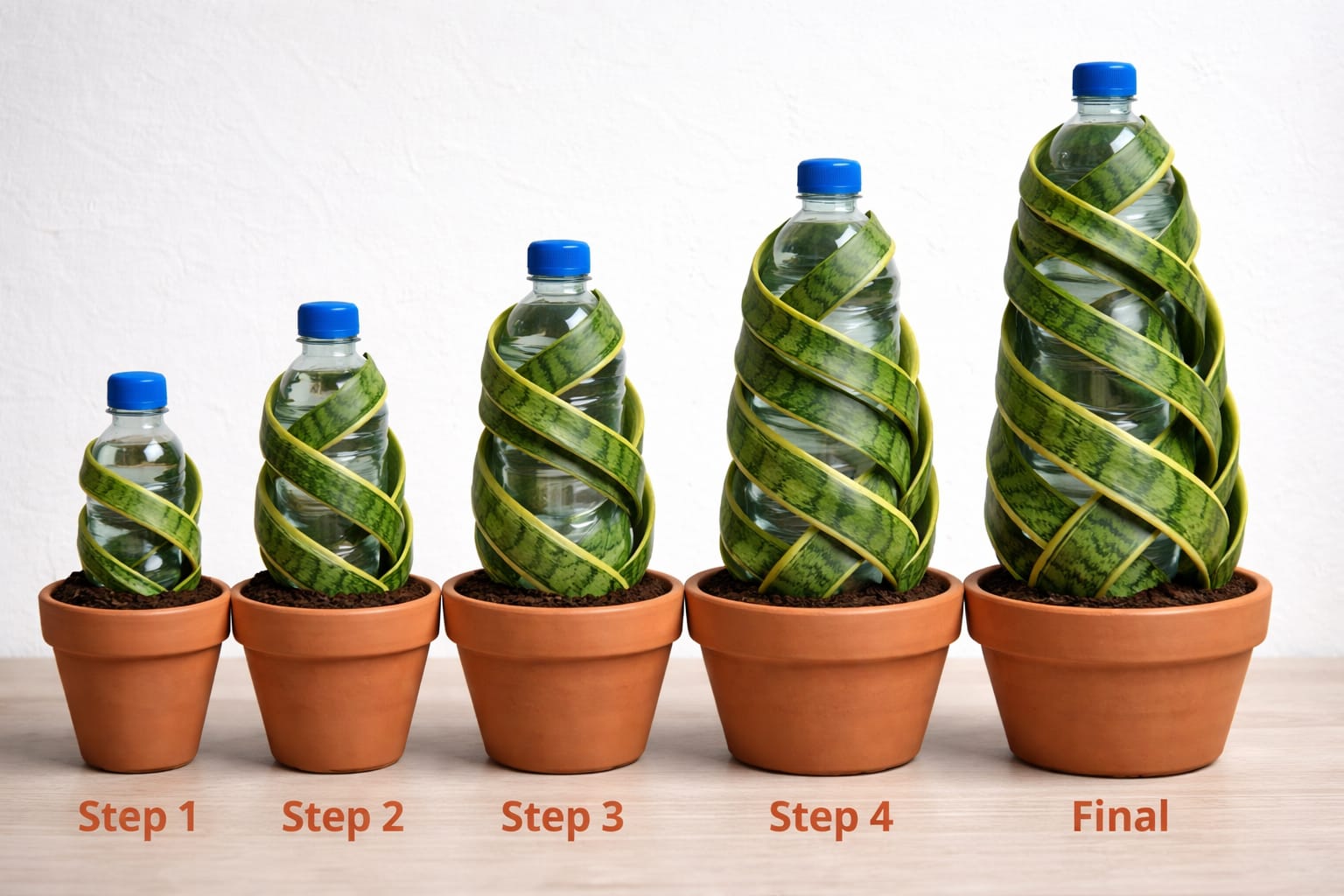
Delicious Variations: Alternative Shaping Ideas
Once you’ve mastered the bottle method, you can experiment with other creative shapes.
- Braided Snake Plant
Plant three young Sansevieria cylindrica together and braid the leaves as they grow. Secure with soft ties until the shape holds.
- Double Spiral
Use two bottles of different sizes to create a double spiral, or wrap leaves around a wider central form.
- Twisted Leaf Design
Instead of a full spiral, simply twist individual leaves gently as they grow to create a subtle, natural curve.
- Multi‑Plant Arrangement
Plant several young snake plants in a circle and train them to curve inward, creating a whirlpool effect.
- Heart Shape
With patience, you can guide leaves around a heart‑shaped form for a romantic gift.
Frequently Asked Questions (FAQs)
Q: Can all snake plants be shaped?
A: Most varieties can, but young plants are best. Cylindrical snake plants (Sansevieria cylindrica) are easiest because of their round, flexible leaves. Flat‑leaf types like ‘Laurentii’ can also be shaped but require more care.
Q: How long does it take to form a spiral?
A: You’ll start seeing a gentle curve in 2–3 months. A full, defined spiral may take 6–12 months of consistent training.
Q: Will shaping harm my snake plant?
A: No, if done gently and gradually. Always listen to the plant—if a leaf resists, wait. Healthy plants tolerate shaping well.
Q: Can I shape a mature snake plant?
A: It’s much harder because mature leaves are stiff and brittle. Start with a young plant for best results.
Q: Do I need to keep the bottle forever?
A: No. Once the leaves have hardened into the shape (after several months), you can remove the bottle. If the shape doesn’t hold, reinsert it and wait longer.
Q: Will new leaves follow the spiral?
A: Yes. New growth emerging from the center will naturally follow the curve of the leaves around it, reinforcing the shape.
Conclusion
The bottle method is a brilliant, low‑cost way to turn a humble snake plant into a living work of art. With nothing more than a plastic bottle, a young plant, and a little patience, you can create a spiral that will be the envy of every plant lover who sees it.
What I love most about this technique is that it’s accessible to everyone. You don’t need a greenhouse or special skills—just a willingness to observe your plant and guide it gently over time. The result is a unique, sculptural piece that reflects your care and creativity.
Now it’s your turn! Have you tried shaping a snake plant? What design would you create? Share your ideas in the comments below.
And if you’re looking for more creative plant projects, check out our guides for Braiding Snake Plants, How to Make a Snake Plant Bloom, and Propagating Sansevieria.
Happy shaping! 🌿🌀✨
Did you try the bottle method? We’d love to see your spiral creations! Leave a comment below and share your photos. Don’t forget to pin this guide for your next plant project.
More Recipes You Might Like
-
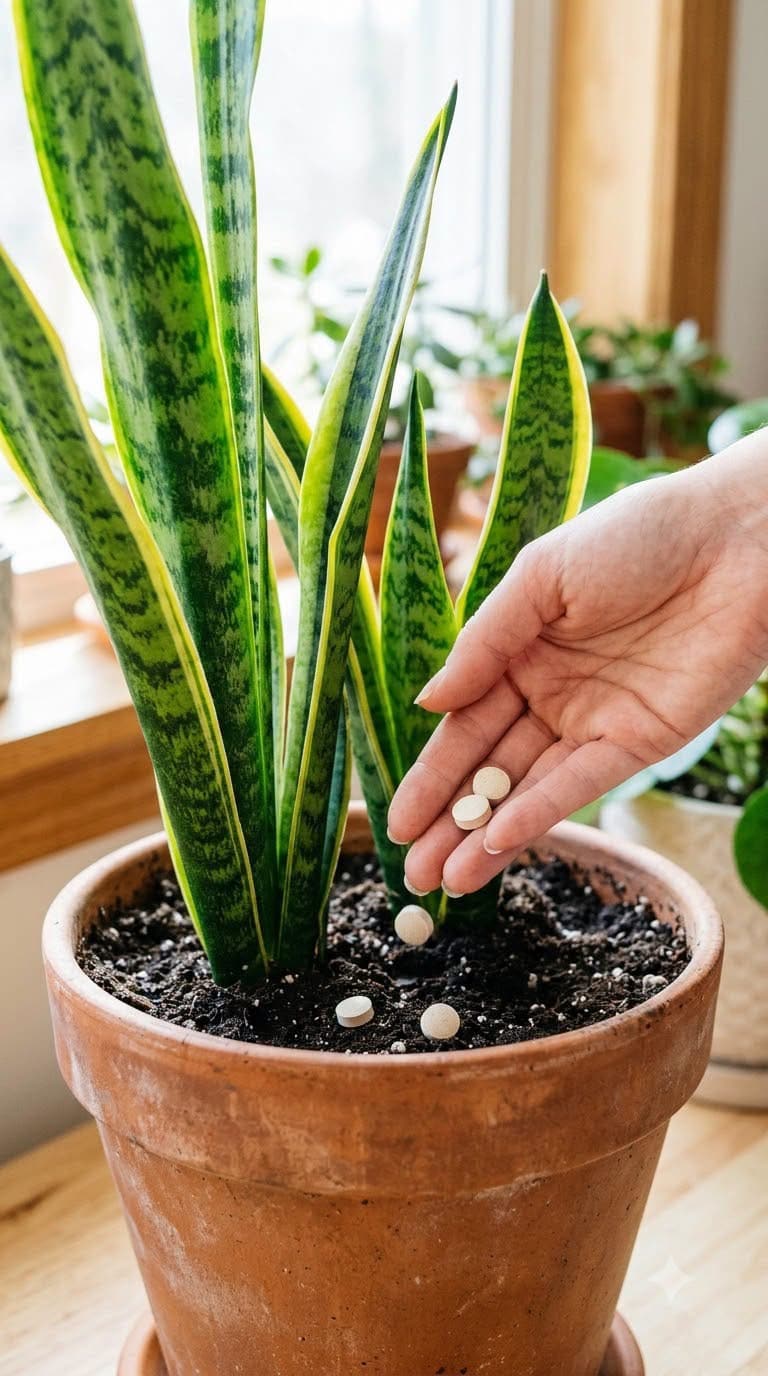
How to Use Slow-Release Fertilizer Tablets for Snake Plants Without Overfeeding
Snake plants are known for being low-maintenance houseplants, but that does not mean they never need nutrients. A small amount of fertilizer during their active growing season can support steady new growth and help leaves keep their deep green color and strong upright form. The image shows small fertilizer tablets being placed on the soil…
-
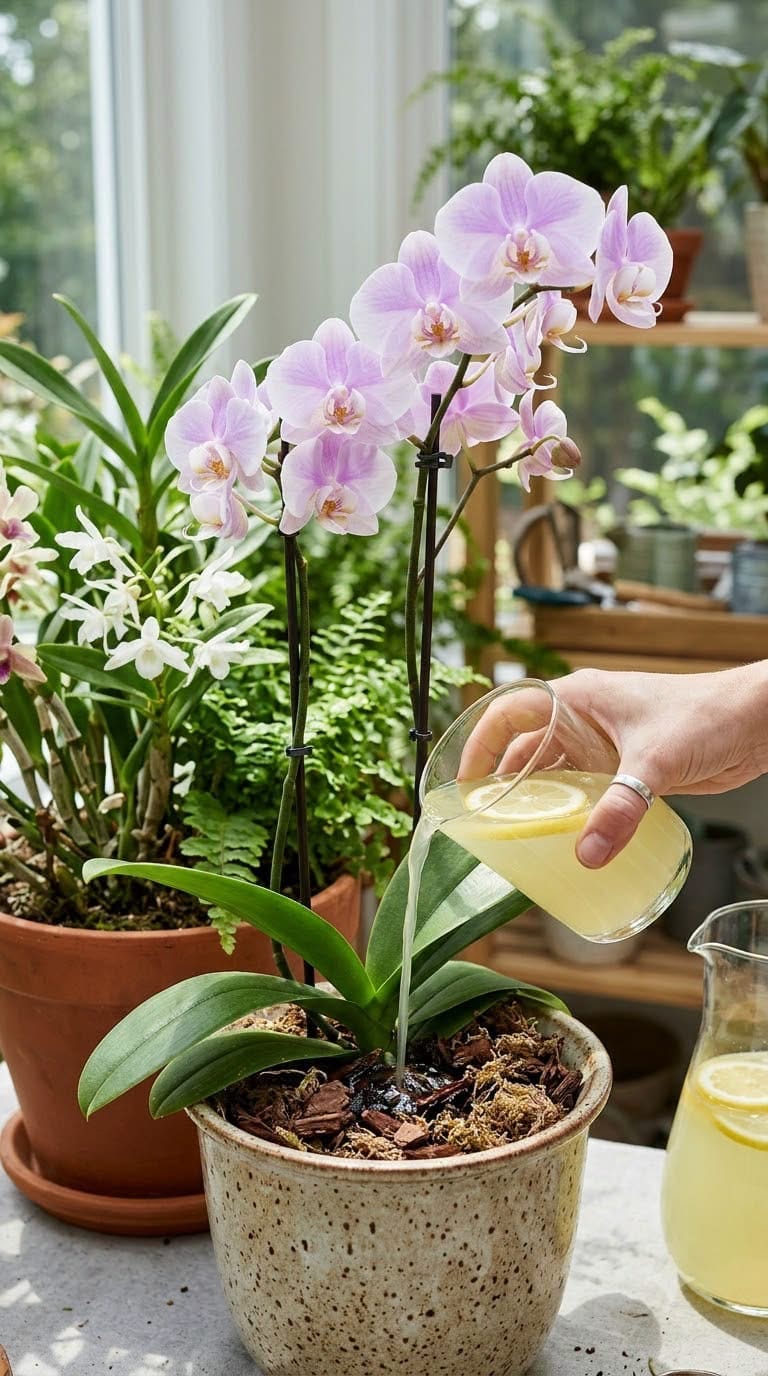
Orchid Care for Healthy Roots, Lasting Blooms, and Beautiful Indoor Displays
Orchids are elegant houseplants that can bring a refined, peaceful look to almost any room. Their long-lasting flowers, glossy leaves, and sculptural stems make them especially beautiful on bright tables, windowsills, kitchen counters, and living-room shelves. A healthy orchid does not need lemon water, sugary drinks, or homemade kitchen mixtures to bloom. Although lemon water…
-
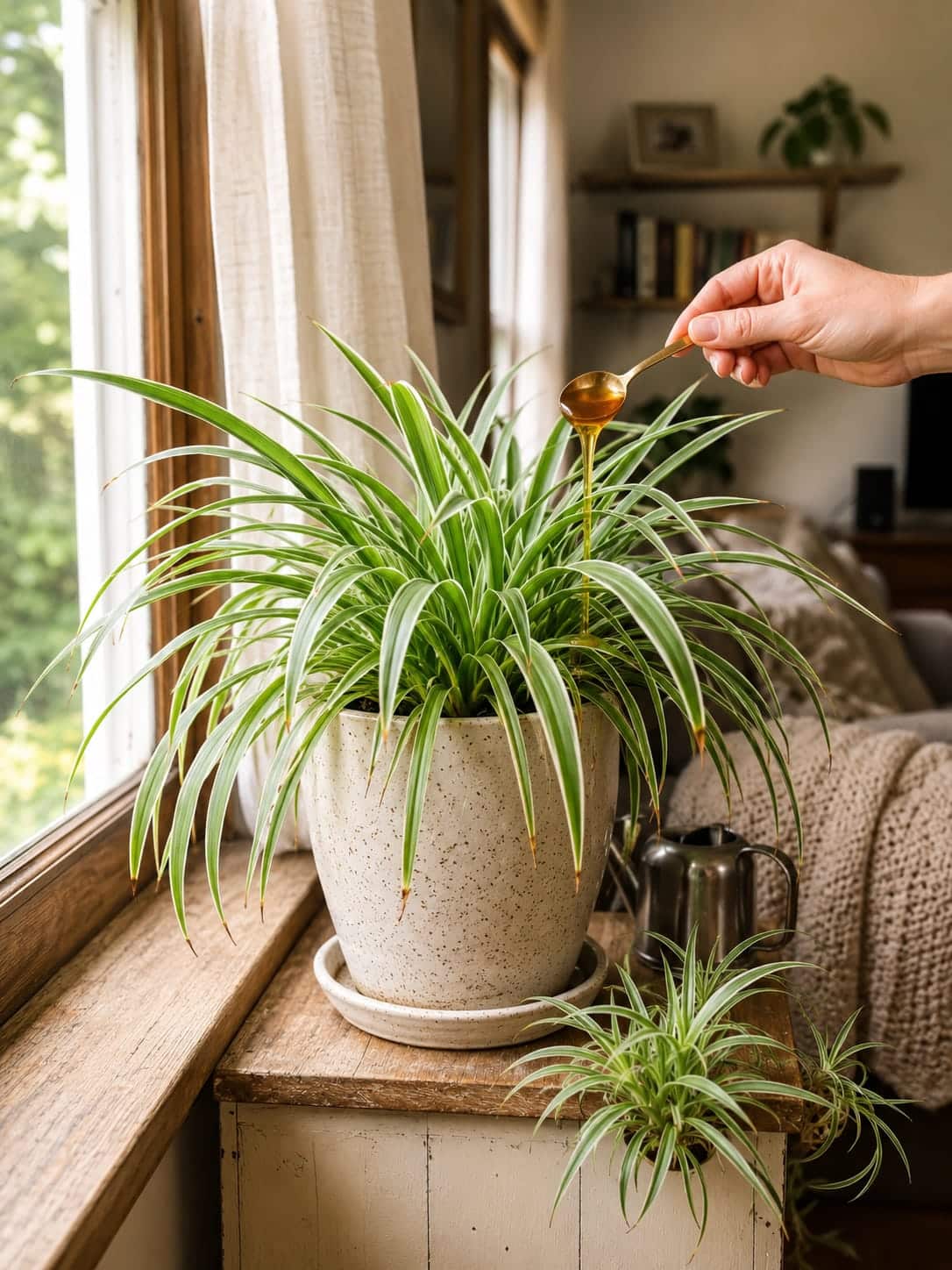
Spider Plant Care: The Safe Way to Grow a Fuller, Healthier Houseplant
Spider plants are loved for their long striped leaves, easy-going nature, and charming baby plants that spill over the sides of the pot. They look beautiful on a bright windowsill, shelf, hanging basket, or small table, and they can quickly make a room feel fresher and more inviting. The image may suggest adding honey to…