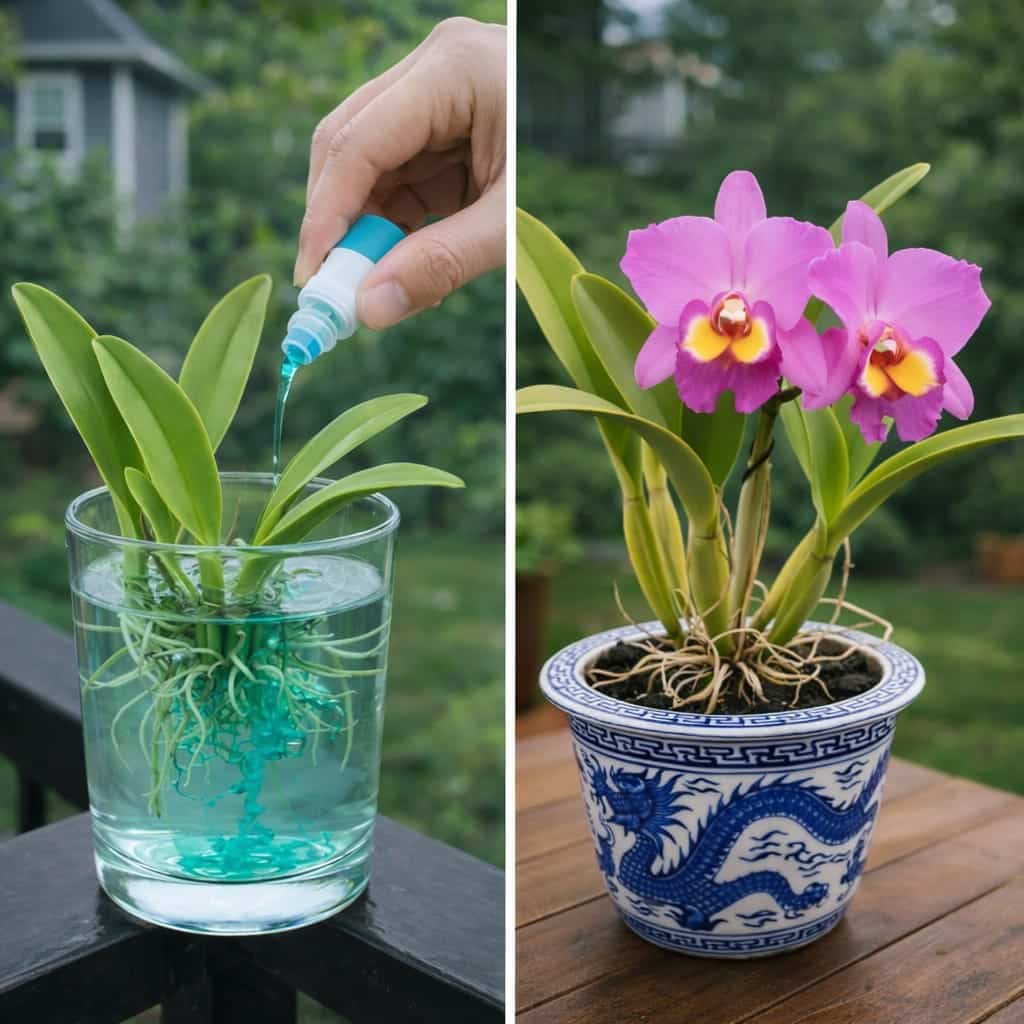
Learn how to grow and care for Phalaenopsis orchids – the elegant Moth Orchid. Bright indirect light, airy roots, careful watering, and light feeding for months of beautiful blooms.
Let’s be honest: Phalaenopsis, also called the Moth Orchid, is one of the most elegant flowering plants you can keep indoors. With its smooth arching leaves and vivid blooms, it can instantly turn a simple room into something more refined and alive. And when the flowers are bright pink with a bold yellow‑magenta center, like the one in your image, it becomes a true showstopper.
The best part is this:
👉 Phalaenopsis orchids are not as difficult as many people think.
They do need the right care, but once you understand their rhythm, they can bloom beautifully for months and keep returning year after year.
In this complete guide, I’ll share everything you need to know – from light and watering to potting, humidity, feeding, reblooming, and troubleshooting. Whether you’re a first‑time orchid owner or looking to improve your care routine, these tips will help your Phalaenopsis thrive.
Why Phalaenopsis Orchids Are So Popular
These orchids are loved because they combine beauty with relatively easy indoor care. They do well in homes, they bloom for a long time, and they do not demand extreme conditions.
A Healthy Phalaenopsis Usually Gives You:
· Thick, glossy green leaves.
· Silvery‑green, firm roots.
· Long‑lasting flowers (weeks to months).
· Repeat blooming with proper care.
That makes them one of the best orchids for beginners and one of the most rewarding for collectors.
- Give It Bright, Indirect Light
This is one of the most important parts of orchid care.
Phalaenopsis Orchids Like:
· Bright filtered light.
· East‑facing windows (gentle morning sun).
· Soft indirect light near a bright window.
They Do Not Like:
· Harsh midday direct sun.
· Very dark corners.
· Intense heat against glass for hours.
Too much sun can scorch the leaves. Too little light can keep the plant alive but reduce blooming.
Leaf Color Clues:
· Medium green = happy.
· Very dark green = needs more light.
· Yellowing or reddish tint on top = too much direct sun.
Pro tip: If you only have a south or west window, use a sheer curtain to diffuse the light.
- Water the Roots, Not the Crown
This is where many people make mistakes.
Phalaenopsis orchids hate sitting in water, but they also do not want to stay bone dry for too long.
A Good Watering Method:
- Water thoroughly, allowing water to run through the pot.
- Let all excess water drain away completely.
- Wait until the roots and bark are approaching dryness before watering again.
How to Tell When to Water (Using a Clear Pot):
· Green roots = still contain moisture – wait.
· Silvery roots = closer to watering time.
⚠️ Very Important:
👉 Do not let water sit in the center of the plant (where the leaves meet the crown). That can cause crown rot, which is often fatal.
Pro tip: Water in the morning so any accidental splashes on leaves can dry during the day.
- Use Airy Orchid Bark, Not Heavy Soil
Phalaenopsis orchids are not regular soil plants. Their roots need air.
They Grow Best In:
· Orchid bark mix (coarse or medium).
· Airy orchid medium (bark, charcoal, perlite).
· Pots with good drainage (clear plastic pots are ideal).
Heavy soil can suffocate the roots and cause rot very quickly.
Healthy roots are one of the biggest secrets to a plant that blooms well and stays strong.
Pro tip: When repotting, gently remove old, broken‑down bark. Fresh bark provides better airflow.
- Keep Humidity Moderate
Phalaenopsis enjoys a bit more humidity than many ordinary houseplants.
It Does Well With:
· Moderate indoor humidity (40–60%).
· A tray nearby with water and pebbles (pot sits on pebbles, not in water).
· Grouping with other plants.
· Good air circulation.
But avoid making it too damp without airflow. Humidity helps, but stagnant wet conditions do not.
Signs of low humidity: Wrinkled leaves, bud drop, short bloom life.
- Keep Temperatures Comfortable
This orchid likes warm indoor conditions.
Ideal Temperature Range:
· Daytime: 70–80°F (21–27°C).
· Nighttime: 60–70°F (15–21°C). A slight drop at night is natural and beneficial.
What to Avoid:
· Extreme cold (below 55°F / 13°C).
· Strong drafts from windows, doors, or air conditioners.
· Sudden temperature changes.
A gentle drop in nighttime temperature can actually help encourage a future flower spike.
- Feed Lightly but Consistently
A Phalaenopsis orchid does not need heavy fertilizer, but it does benefit from light feeding.
A Simple Routine:
· Use a balanced orchid fertilizer (e.g., 20-20-10 or 10-10-10).
· Dilute to half or quarter strength.
· Feed every 1–2 weeks during active growth (spring and summer).
· Reduce or stop feeding in fall and winter (when the plant rests).
Many growers follow the idea of “weakly, weekly” – diluted fertilizer more often instead of strong feeding once in a while.
Less is better than too much. Over‑fertilizing can burn roots and cause brown leaf tips.
Continue to Page 2
Continue to page 2 for more details about this article and the key points many readers miss on the first page.