Yellow Leaves
Yellow leaves are often a sign of overwatering. If the leaves feel soft or the soil is wet, check the roots. Yellowing may also happen from poor drainage or cold damage.
If only an old outer leaf yellows slowly while the rest of the plant is healthy, it may be natural aging. Remove old leaves once they decline.
Many yellow leaves at once usually mean the care routine needs adjustment.
Cold Protection
Snake plants prefer warm conditions. Keep them away from frost, cold windows, and chilly drafts. Cold damage can cause dark, soft patches on the leaves.
If growing outdoors, bring the plant inside before temperatures drop too low. A warm indoor room with bright light is better than a cold patio during winter.
Stable warmth helps the plant stay firm and healthy.
Using Top Dressing for a Finished Look
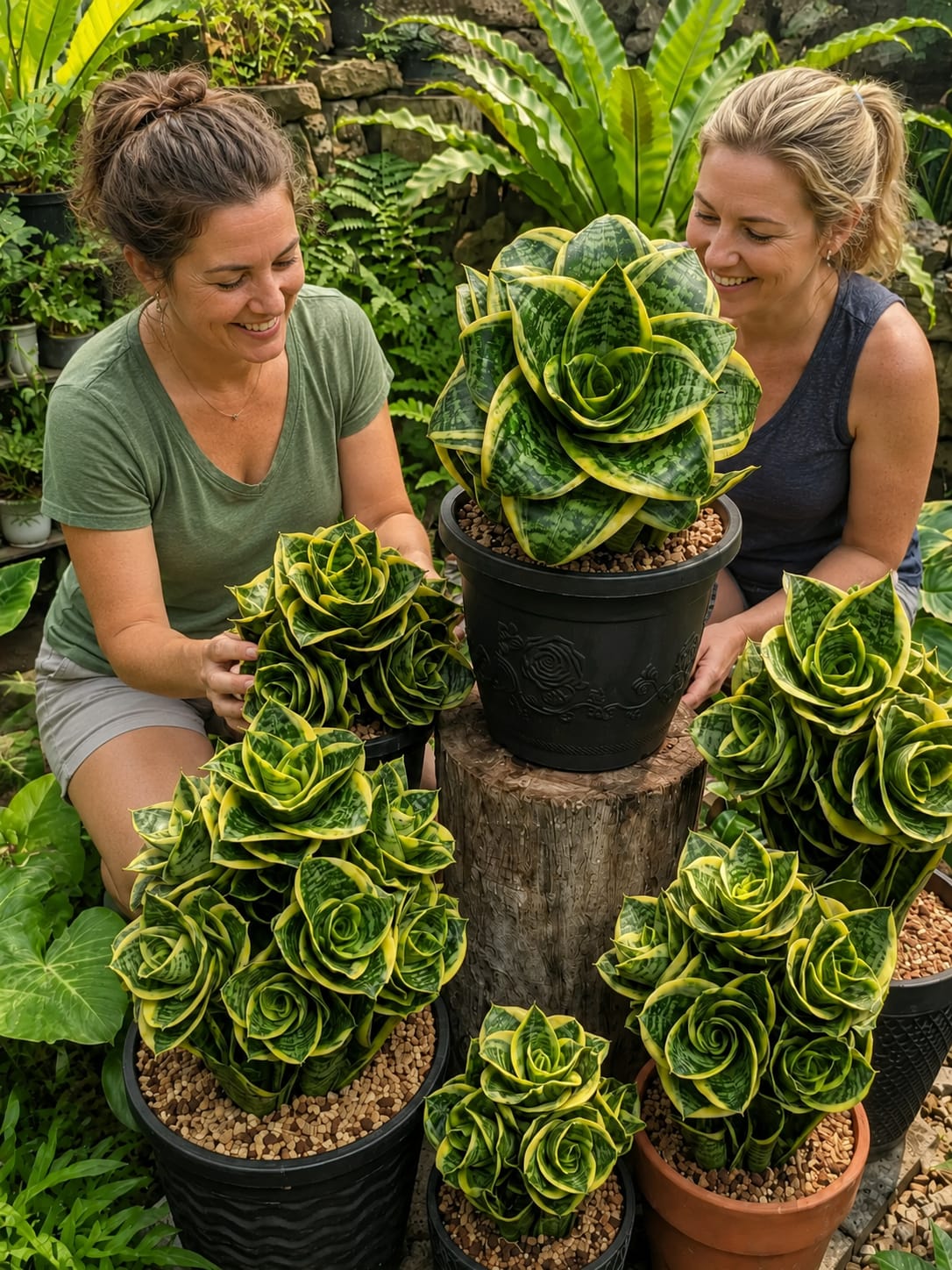
Many rose-shaped snake plants look beautiful with a decorative top dressing such as small pebbles, lava rock, pumice, or clay balls. This gives the pot a clean, polished look and helps show off the rosette shape.
Use top dressing lightly. Do not create a thick layer that traps moisture. For snake plants, airflow around the soil is important.
A thin layer of pebbles can improve the display while keeping the plant tidy.
Indoor Decor Ideas
Rose-shaped snake plants are perfect for interior styling because they look like living sculptures. Their compact form adds structure without taking up too much space.
Use them as:
- A coffee table centerpiece
- A desk plant
- A windowsill accent
- A bedside table plant
- A bathroom shelf plant with natural light
- A balcony table feature
- A grouped succulent display
Their shape works especially well in minimalist, bohemian, modern, rustic, and tropical decor styles.
Best Pot Colors for Rose-Shaped Snake Plants
Because the plant already has strong green and yellow patterns, simple pot colors often look best. Try matte black for drama, terracotta for warmth, white ceramic for a clean look, or stone gray for a calm modern style.
A low wide pot can make the rosette look fuller. A tall narrow pot can make the plant look more sculptural.
Choose a pot that supports the plant visually without hiding its natural form.
Grouping With Other Plants
Rose-shaped snake plants look beautiful with other drought-tolerant plants. Good companions include jade plants, haworthia, aloe, echeveria, ZZ plants, and other snake plant varieties.
For a tropical contrast, place them near pothos, philodendron, or peace lilies, but keep each plant in its own pot so watering needs stay separate.
Grouping plants creates a lush look while allowing each plant to receive the care it needs.
Outdoor Patio Styling
On patios and balconies, rose-shaped snake plants look striking in clusters. Place several pots at different heights using stools, stands, or low tables. Add pebbles as top dressing for a clean desert-inspired design.
They pair beautifully with stone walls, wooden benches, terracotta containers, and shaded garden corners.
Just protect them from heavy rain and intense afternoon sun.
A Simple Weekly Care Routine
For easy maintenance, follow this simple routine:
- Check soil moisture once a week
- Water only when the soil is dry
- Rotate the pot for even growth
- Wipe dust from leaves when needed
- Inspect for pests near the base
- Remove damaged outer leaves
- Keep the plant in bright indirect light
This routine is simple but very effective.
A Seasonal Care Routine
In spring and summer, the plant may grow more actively. Water when dry, feed lightly, and watch for new pups.
In fall and winter, reduce watering and stop feeding. Keep the plant warm and bright. Avoid repotting unless absolutely necessary.
Seasonal adjustment keeps the plant healthy year-round.
Common Mistakes to Avoid
Avoid these mistakes:
- Watering too often
- Using heavy soil
- Planting in a pot without drainage
- Keeping the plant in a dark corner
- Using too much fertilizer
- Repotting into an oversized pot
- Leaving water in the saucer
- Exposing it to frost
- Forcing the leaves into shape
These plants thrive when care is simple, dry, bright, and consistent.
Why Patience Matters
Rose-shaped snake plants grow slowly. This is normal. Slow growth is part of why they keep their compact sculptural form. Do not try to force fast growth with extra fertilizer or constant watering.
Steady conditions produce the best plant. Over time, the rosette becomes fuller, pups appear, and the pot gains a beautiful layered look.
Patience is one of the best tools in snake plant care.
Final Thoughts
Rose-shaped snake plants are stunning, compact, and easy to love. Their green-and-yellow rosettes look like living sculptures, making them perfect for indoor decor, patio displays, balcony gardens, and modern plant collections.
The secret to growing them well is simple: bright indirect light, fast-draining soil, careful watering, a pot with drainage, warmth, and a light feeding routine during active growth. Avoid soggy soil, oversized pots, heavy fertilizer, and complicated treatments.
With gentle care and patience, your rose-shaped snake plant can stay firm, colorful, and beautifully arranged for years, producing new pups and creating a unique natural display that feels elegant, fresh, and full of life.