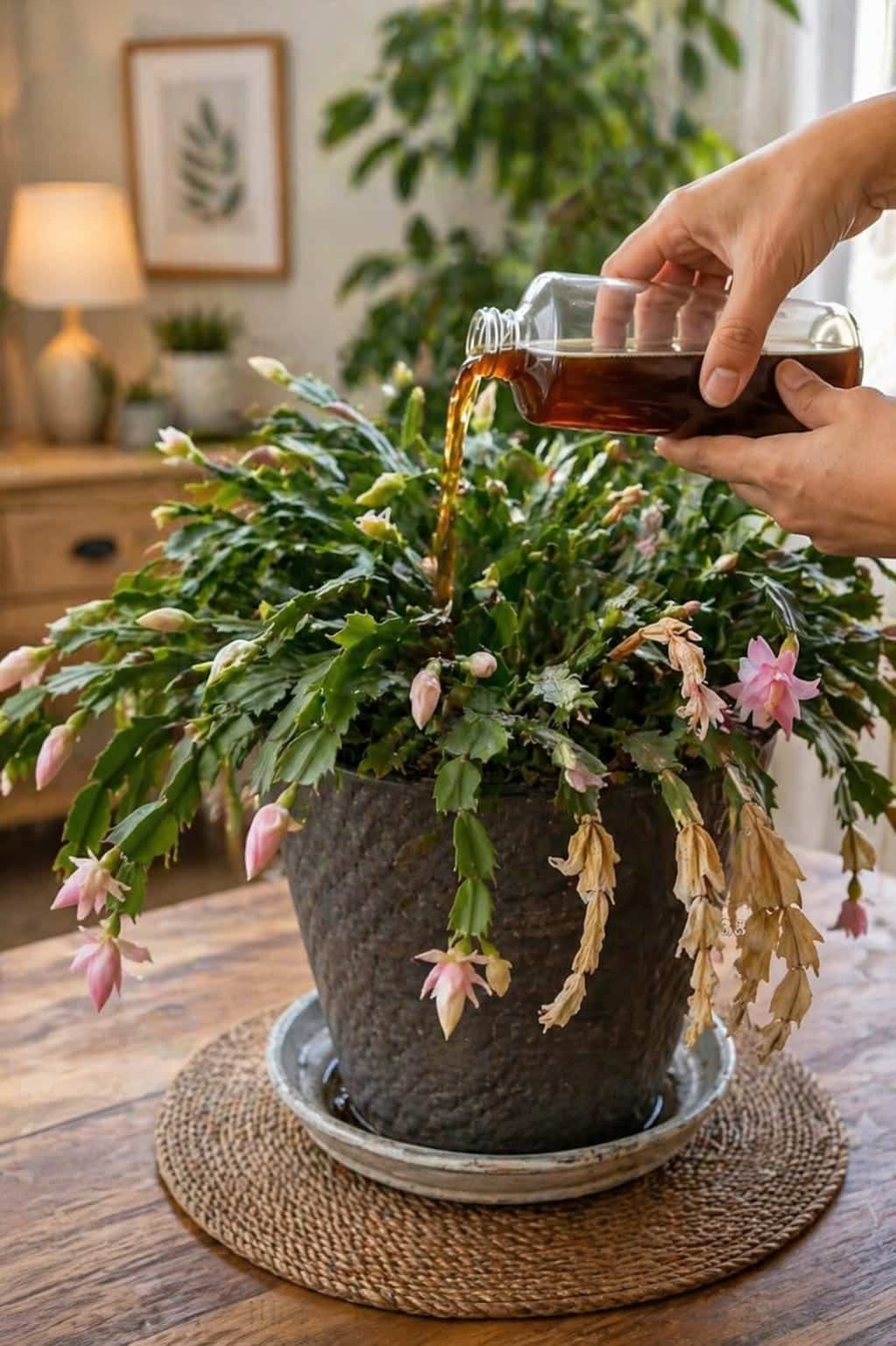
Christmas cactus is one of the most beloved holiday houseplants, and for good reason. When it is covered in soft pink, red, white, coral, purple, or salmon-colored blooms, it looks like a living holiday decoration. Its arching green stems spill beautifully over the edge of the pot, and its flowers appear just when many other plants are resting. A healthy Christmas cactus can become a family plant, passed from one person to another, blooming every winter for decades.
But many people have the same problem. Their Christmas cactus blooms beautifully the first year, then refuses to bloom again. Or it produces a few buds that suddenly drop before opening. Or it grows long green stems but no flowers at all. Some plants bloom once around the holidays, then seem to forget their schedule completely.
The good news is that Christmas cactus can bloom year after year indoors when you understand its rhythm. Unlike many houseplants, it does not bloom simply because you water it or feed it. It blooms when it receives the right combination of light, darkness, temperature, watering, rest, and gentle care. Once you learn this seasonal cycle, the plant becomes much easier to manage.
One popular method people use is the “brown liquid” feeding trick. In photos, a tea-colored liquid is poured into the pot, making it look like a special bloom-boosting drink. This liquid is often a diluted banana peel tea, worm casting tea, compost tea, or weak organic fertilizer. Used carefully, it can support plant health during the growing season. But the real secret to yearly Christmas cactus blooms is not just the brown liquid. The real secret is giving the plant the right rest period before bloom time.
In this complete guide, you will learn how to make Christmas cactus keep blooming year after year, what the plant needs before buds form, how to use a gentle brown liquid feed safely, how to avoid bud drop, when to water, when to stop feeding, and how to care for the plant after flowering. By the end, you will have a simple year-round routine that helps your Christmas cactus become a reliable bloomer instead of a one-season mystery.
What Is a Christmas Cactus?
Christmas cactus is a tropical cactus from the Schlumbergera group. Unlike desert cacti, it does not grow naturally in dry sandy deserts. It comes from humid forest environments, where it grows among tree branches, rocks, and organic debris. This is why its care is different from the care of a prickly desert cactus.
Christmas cactus has flat segmented stems instead of thick round cactus pads. These segments are often called leaves, though they are technically stem sections. The flowers form at the tips of these segments, usually after the plant experiences the right environmental triggers.
One of the most important things to understand is that Christmas cactus is a short-day plant. This means it often forms buds when nights become longer and temperatures become slightly cooler. In nature, this seasonal change tells the plant that it is time to bloom. Indoors, you can recreate those conditions with a simple routine.
Christmas cactus is often confused with Thanksgiving cactus and Easter cactus. Many plants sold as Christmas cactus are actually Thanksgiving cactus, which has sharper claw-like segment edges and often blooms slightly earlier. The care is very similar, so the tips in this guide can help all holiday cactus types.
Why Christmas Cactus Stops Blooming
If your Christmas cactus is not blooming, it usually means one part of its seasonal rhythm is missing. Many people treat it like a normal green houseplant all year: same light, same watering, same warm room, same feeding. The plant may grow well, but it may not receive the signal to produce buds.
The most common reasons Christmas cactus stops blooming include too much light at night, warm nighttime temperatures, inconsistent watering, too much fertilizer late in the season, being moved after buds form, low humidity, or stress from repotting at the wrong time.
Night darkness is especially important. A Christmas cactus preparing to bloom needs long, uninterrupted nights. Even bright room lights in the evening can interfere with bud formation. If the plant sits in a living room where lights stay on late, it may not receive enough darkness to trigger blooming.
Temperature also matters. Cooler nights help encourage buds. If the plant is kept in a warm room day and night, it may keep growing instead of switching into bloom mode. A slight cool period in fall can make a big difference.
Another common issue is bud drop. Sometimes a plant forms many buds, but they fall off before opening. This can happen because of sudden changes in light, temperature, watering, humidity, or location. Christmas cactus can be sensitive once buds appear.
The Real Secret to Yearly Blooms
The real secret to yearly Christmas cactus blooms is a fall rest period. During this period, the plant needs longer nights, cooler temperatures, and slightly reduced watering. This tells the plant it is time to set buds.
About six to eight weeks before you want flowers, begin giving the plant 12 to 14 hours of darkness each night. The darkness should be uninterrupted. Place the plant in a room that stays dark at night, or cover it with a breathable box or cloth in the evening and uncover it in the morning.
At the same time, keep nighttime temperatures cooler if possible. Around 55 to 65 degrees Fahrenheit is often helpful. You do not need to freeze the plant. Just avoid keeping it in a very warm spot overnight.
Water slightly less during this period, but do not let the plant shrivel badly. The soil should dry a little more between waterings than it does during active growth. Do not fertilize during the bud-setting rest period.
Once buds appear, you can return the plant to normal bright indirect light, but avoid sudden changes. Keep care steady until the flowers open.
The Brown Liquid Bloom Trick: What Is It?
The brown liquid bloom trick is a homemade feeding method where a weak tea-colored liquid is used to water the Christmas cactus during its active growing season. The liquid may be banana peel tea, worm casting tea, compost tea, or a diluted organic fertilizer. It looks like a rich plant tonic, but it should actually be very mild.
For Christmas cactus, this kind of liquid can be useful when the plant is actively growing in spring and summer. It may support strong stem growth and help the plant store energy for future blooms. However, it should not be used heavily right before blooming. Too much feeding late in the season can encourage green growth instead of buds.
The safest brown liquid for beginners is diluted banana peel water or weak worm casting tea. Both can be used occasionally during spring and summer. The liquid should be strained carefully and diluted until it looks like weak tea. It should not smell rotten, sour, or fermented.
This trick is not the bloom trigger by itself. The bloom trigger is the fall rest period with long nights and cooler temperatures. The brown liquid is simply a support tool that helps the plant stay healthy before that stage.
How to Make Banana Peel Brown Liquid for Christmas Cactus
Banana peel water is popular because banana peels are associated with potassium, and potassium is often connected with flower support and plant strength. However, banana peel water is not a complete fertilizer, so it should be used as a mild supplement, not the only source of plant nutrition.
Ingredients
- 1 clean banana peel
- 4 cups clean water
- A clean jar
- A fine strainer
- 4 additional cups water for dilution
Instructions
- Cut the banana peel into small pieces.
- Place the pieces in a clean jar.
- Add 4 cups of water.
- Let the peel soak for 12 to 24 hours.
- Strain out every piece of peel.
- Dilute the liquid with 4 more cups of clean water.
- Use the diluted liquid during spring or summer when the plant is actively growing.
Do not leave banana peels soaking for several days indoors. Long soaking can create bad smells and attract fruit flies. Do not bury banana peel pieces in the pot. They can rot, mold, and attract pests. Use only the strained liquid.
How to Make Worm Casting Tea for Christmas Cactus
Worm casting tea is another gentle brown liquid option. It is mild, earthy, and suitable for many houseplants when diluted. It can support soil life and gentle nutrition without being too harsh.
Ingredients
- 1 tablespoon worm castings
- 4 cups clean water
- A jar or bowl
- A cloth, coffee filter, or fine strainer
- Extra water for dilution if needed
Instructions
- Add worm castings to a jar or bowl.
- Pour in the water.
- Stir gently.
- Let it sit for 2 to 4 hours.
- Strain carefully until no particles remain.
- Dilute if the liquid looks dark.
- Use as an occasional soil watering during active growth.
The final liquid should look like weak tea. If it is dark and muddy, dilute it. Christmas cactus roots prefer gentle feeding, not heavy organic sludge.
When to Use Brown Liquid Feed
The best time to use brown liquid feed is during the active growth period, usually spring through mid-summer. This is when the Christmas cactus grows new stem segments and builds energy for future flowers.
Use the liquid once every four to six weeks during active growth. Plain water should be used most of the time. You can also use a balanced houseplant fertilizer at half strength during the growing season, but do not overfeed.
Stop using brown liquid feed in late summer or early fall. As the plant approaches its bud-setting period, reduce feeding and begin preparing it for longer nights and cooler temperatures. Feeding too late can confuse the plant’s rhythm and encourage leafy growth instead of flower buds.
Once buds are forming, avoid strong fertilizers and homemade tonics. Keep the plant stable and use plain water when needed.
How to Water Christmas Cactus Correctly
Christmas cactus likes more moisture than desert cactus, but it still does not like soggy soil. The best watering method is to water when the top inch of soil feels dry. Water thoroughly, let excess drain out, and empty the saucer.
During spring and summer, when the plant is actively growing, it may need watering more often. During fall rest, water a little less. During blooming, keep the soil lightly and evenly moist, but not wet. After blooming, reduce watering slightly while the plant rests.
Never let the pot sit in standing water. A saucer full of water can lead to root rot. Good drainage is essential.
If the stems look wrinkled or limp, check the soil. If the soil is dry, the plant may need water. If the soil is wet and the stems are limp, roots may be damaged. Do not assume limp stems always mean thirst.
Best Soil for Christmas Cactus
Christmas cactus needs a soil mix that holds some moisture but drains well. Regular potting mix can work if it is lightened with extra drainage material. A dense, heavy mix can stay wet too long and cause root problems.
A good Christmas cactus soil blend can include:
- 2 parts indoor potting mix
- 1 part perlite or pumice
- 1 part orchid bark or coco coir
This mix gives the roots moisture and air. Remember, Christmas cactus naturally grows in loose organic material, not compacted clay soil. A breathable mix helps the plant stay healthy year after year.
If your plant has been in the same soil for many years and water no longer drains well, repotting may help. Repot after blooming, not right before bud formation.
Best Pot for Christmas Cactus
Christmas cactus likes a pot with drainage holes. This is non-negotiable. A decorative pot without holes can trap water and cause root rot. If you love a decorative container, keep the plant in a nursery pot inside it and remove the inner pot when watering.
Christmas cactus often blooms better when slightly rootbound. This does not mean it should be trapped forever, but it does not need a huge pot. A pot that is too large holds extra soil, and extra soil holds extra moisture. This can slow drying and increase rot risk.
When repotting, choose a pot only one size larger. Repot every two to three years, or when the soil breaks down and drainage becomes poor.
Best Light for Christmas Cactus
Christmas cactus grows best in bright indirect light. It does not want harsh direct afternoon sun, which can burn or redden the stems. Morning sun or filtered light is usually fine.
During spring and summer, a bright window with indirect light helps the plant grow strong segments. During the bud-setting period in fall, the plant needs long nights, but it still needs bright indirect light during the day.
Too little light can reduce blooming. If your plant is healthy but never flowers, it may need brighter daytime light and darker nights. Both matter.
Once buds appear, keep the plant in a stable bright location. Avoid moving it repeatedly, because sudden changes can trigger bud drop.
The Darkness Trick for Bud Formation
The darkness trick is one of the most important steps for reliable blooms. About six to eight weeks before you want flowers, give the plant 12 to 14 hours of complete darkness each night. During the day, give it bright indirect light.
You can place the plant in a room that naturally stays dark at night, such as a spare room, guest room, or unused office. You can also cover it with a box each evening and remove the box each morning. Make sure the cover does not trap heat or press against the stems.
Even artificial light can interrupt the dark period. Lamps, ceiling lights, and bright streetlights through a window can affect bud formation. The darkness should be consistent.
Continue this routine until buds form. Once buds are visible, you can stop the strict darkness schedule, but keep conditions stable.
The Cool Temperature Trick
Cooler nighttime temperatures also encourage Christmas cactus to bloom. Aim for nighttime temperatures around 55 to 65 degrees Fahrenheit during the bud-setting period. The plant should not freeze, and it should not be exposed to cold drafts, but a slightly cool room is helpful.
If your home stays very warm at night, bud formation may be weaker. Try moving the plant to a cooler room in fall, away from heaters and warm vents.
Do not place the plant directly against a cold window where it may be chilled too much. Cool is good; cold damage is not.
The combination of long nights and cool temperatures is what tells the plant it is time to bloom.
Continue to Page 2
Continue to page 2 for more details about this article and the key points many readers miss on the first page.