Office and Commercial Styling
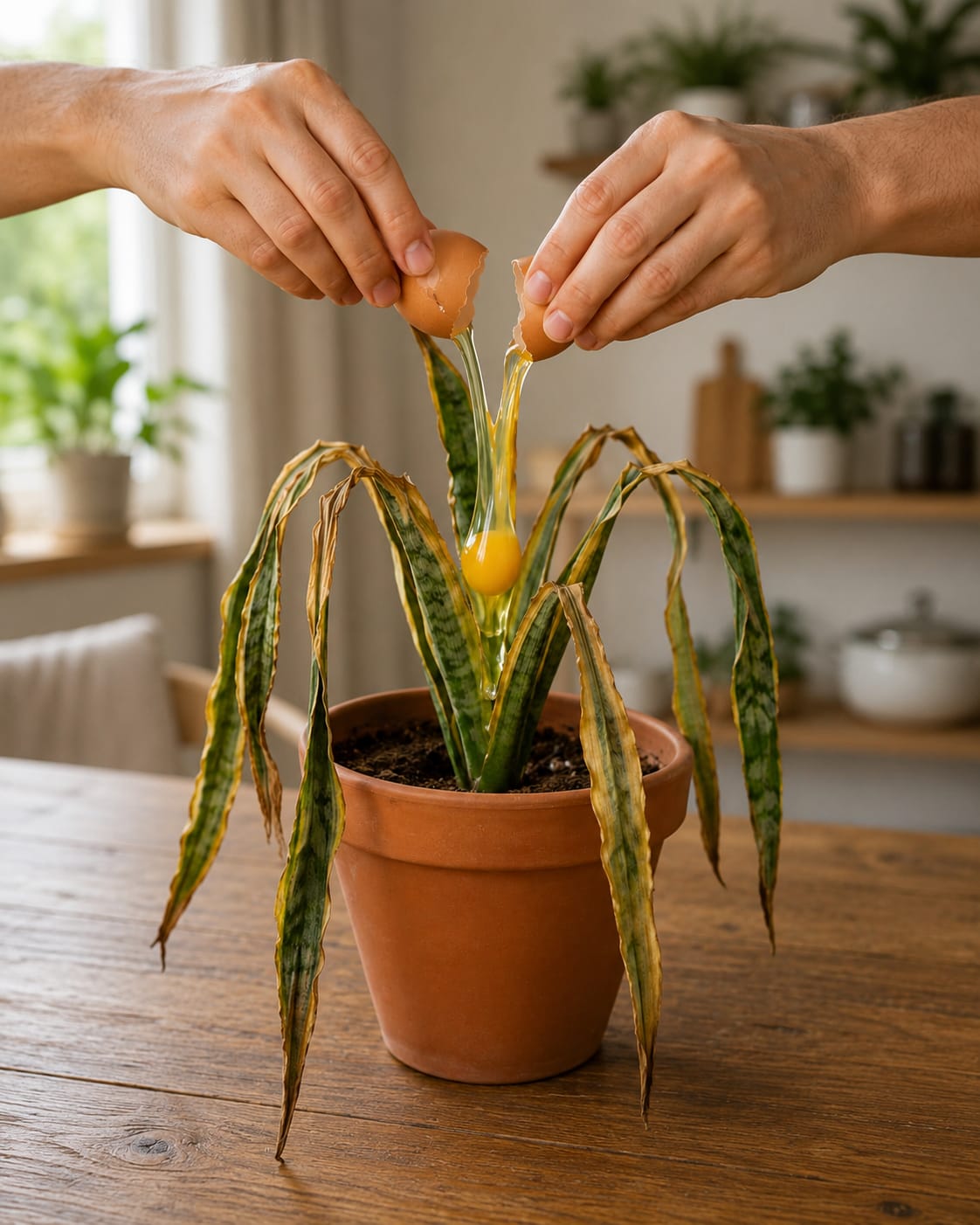
Snake plant is widely used in commercial interior landscaping because it is structured, clean, and easy to maintain. It works well in reception areas, offices, hotel-style interiors, waiting rooms, wellness spaces, and property staging. However, raw egg or visible kitchen-based treatments are not appropriate for professional plant displays.
Commercial spaces need plants that are odor-free, pest-free, and visually tidy. A pot containing raw egg can quickly become a maintenance problem. Even if the goal is natural care, the result can look unprofessional and unhygienic. Professional plant maintenance should rely on clean soil, proper watering, measured fertilizer, and regular inspection.
A healthy snake plant in a premium planter can make a space feel modern and calm. A stressed plant with drooping leaves and contaminated soil should be restored before being used for display. Clean care protects both the plant and the appearance of the space.
Product and Tool Guide
Helpful materials for rescuing a snake plant include a pot with drainage holes, cactus and succulent potting mix, perlite, pumice, clean scissors, a small hand trowel, a soft cloth, a moisture meter, and a diluted cactus and succulent fertilizer for later use. If raw egg was added, fresh soil and a clean pot are especially important.
Terracotta pots can help dry the soil faster, which is useful for snake plants that have suffered from moisture problems. A narrow-spout watering can helps keep water out of the crown. A grow light can help if the plant is recovering in a room without enough natural light.
For eggshell use, the only suitable material is clean dried crushed eggshell powder used lightly. Raw egg, egg yolk, egg white, mayonnaise, milk mixtures, or kitchen blends should not be added to a snake plant pot. Clean, simple tools create better results than messy homemade feeding.
Care Timeline After Rescue
During the first 24 hours, any raw egg should be removed, the plant should be inspected, and contaminated soil should be replaced if needed. The crown should be cleaned gently. Rotten roots or leaves should be removed with clean tools. The plant should be placed in fresh dry-friendly soil and bright indirect light.
During the first week, watering should be very careful. The plant should be watched for smell, mold, fungus gnats, soft bases, or worsening collapse. If the soil is fresh and slightly dry, do not rush to water. The plant needs oxygen and stability. Damaged leaves may continue looking poor, but the important sign is whether the firm parts remain stable.
After two to four weeks, the plant may begin to stabilize if the crown and roots are healthy. Do not expect fast growth. After one to two months, new growth may appear if the plant has recovered enough. Long-term success depends on correct watering, bright light, drainage, and avoiding raw organic ingredients in the pot.
Professional Styling Note
In high-end indoor horticulture, snake plant is valued because it offers strong architectural structure with very little visual clutter. It is ideal for luxury interior architecture, premium corporate workspace styling, modern apartment decor, and property presentation. However, the plant must look clean and healthy to create that premium effect.
Raw egg treatments do not fit professional plant styling because they can create odor, pests, residue, and visual mess. A premium-looking plant needs clean leaves, breathable soil, stable roots, and a planter that matches the room. If a homemade amendment is used, it should be invisible, dry, odor-free, and safe for the root system.
A weak snake plant can still become beautiful again with the right care. The recovery process should look clean and controlled. Simple actions such as repotting into fresh soil, trimming dead leaves, improving light, and watering correctly are more professional than dramatic kitchen remedies.
Final Thoughts
Raw egg should not be poured into a snake plant pot. It may seem like a natural fertilizer, but it can rot, smell bad, attract pests, grow mold, make the soil sticky, and worsen root problems. Snake plants do not need raw egg, and weak snake plants especially should not be treated with wet organic kitchen ingredients. A declining plant needs root inspection, drainage correction, fresh soil, and careful watering.
Eggshell powder can be used more safely only when it is cleaned, dried, crushed finely, applied in a very small amount, and kept away from the crown. Even then, it is optional and slow-acting. It should not replace proper fertilizer or basic care. The real foundation of snake plant health is fast-draining soil, drainage holes, bright indirect light, and a dry-down period between watering.
With clean care and the right recovery steps, a snake plant can regain stability and continue serving as a strong decorative accent for living rooms, bedrooms, home offices, entryways, modern apartments, commercial interior landscaping, luxury home staging, premium terracotta planters, and polished property presentation. Healthy roots, firm leaves, and a clean pot will always matter more than any raw kitchen fertilizer trick.