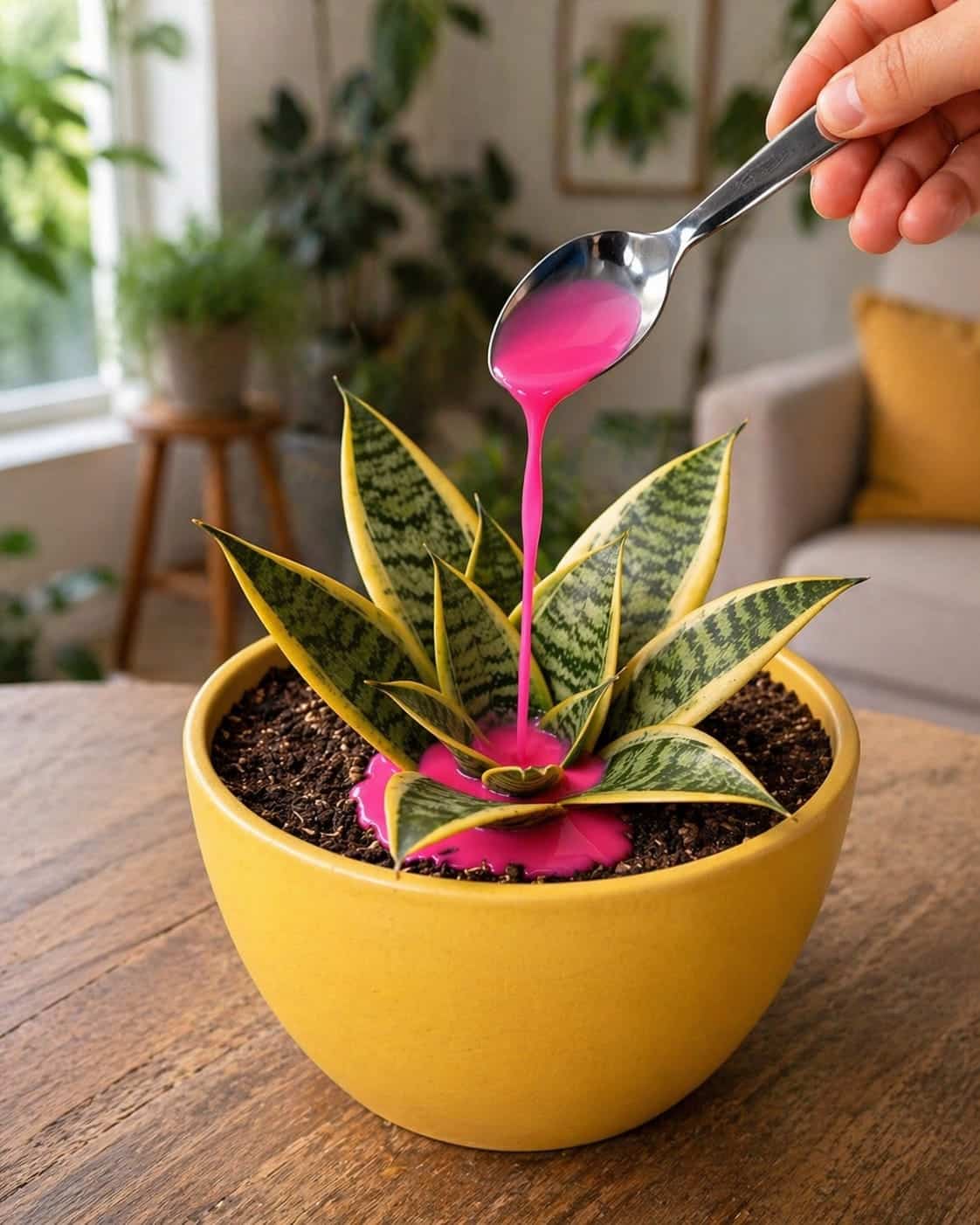
Why Viral Plant Hacks Can Be Misleading
Many viral plant videos are designed for attention — not accuracy. They use bright colors to stand out in a crowded feed. They simplify complex plant care into a single “one‑step fix.” They suggest that healthy plants come from shortcuts rather than consistency.
Common problems with viral plant hacks:
· No before‑and‑after transparency – The “after” plant may be a different plant entirely, or the improvement may have come from weeks of proper care.
· Unidentified ingredients – The video rarely tells you exactly what is in the pink liquid. It could be fertilizer, food coloring, or even just water with a filter.
· No explanation of why it works – A simple “trust me, this works” is not a substitute for horticultural knowledge.
· Risk of copycat damage – Viewers who try the hack without understanding the concentration or ingredients may harm their plants.
Healthy plants come from consistent care, not shortcuts. A snake plant does not need a pink drink any more than you need a neon‑colored vitamin to stay healthy.
The Real Secret: Simplicity and Consistency
A strong, vibrant snake plant does not need flashy liquids. It needs:
· Light – Bright indirect light to fuel photosynthesis.
· Patience – Snake plants are slow growers; do not expect overnight transformations.
· Proper watering – Less is more. Let the soil dry out.
· Healthy roots – Achieved through good soil, correct pot size, and drainage.
That is what creates thick, upright leaves, steady new growth, and long‑lasting health. No colored water required.
How to Rescue a Snake Plant That Has Been Overfed or Treated with Unknown Liquids
If you have already poured a pink (or any other colored) liquid onto your snake plant and you are noticing signs of stress, do not panic. Follow these steps to help your plant recover.
Signs of overfeeding or chemical stress:
· Brown or yellow leaf tips.
· White crust on the soil surface.
· Leaves becoming soft or mushy.
· Slowed or stopped growth.
· A foul smell from the soil.
Recovery steps:
- Stop all treatments – Do not add any more fertilizer, colored liquids, or homemade mixtures.
- Flush the soil – Place the pot in a sink or outdoors. Run room‑temperature water slowly through the soil for 2–3 minutes. This washes away excess salts and residues. Let the pot drain completely.
- Let the soil dry – Do not water again until the soil is completely dry. This may take 2–3 weeks.
- If the soil still smells or has a crust, repot the snake plant into fresh cactus mix. Gently remove the old soil, trim any rotten roots, and repot.
- Place in bright indirect light and resume normal watering (dry between). Do not fertilize for at least 3 months.
In most cases, a snake plant will recover if you return to basic, gentle care.
A Complete Snake Plant Care Routine (No Gimmicks)
Use this simple, proven routine to keep your snake plant in peak condition.
Weekly
· Check soil moisture. Water only if completely dry.
· Wipe leaves with a damp cloth to remove dust.
· Rotate the pot for even light.
Monthly
· Inspect for pests (mealybugs, spider mites).
· Remove any dead or yellow leaves.
· Flush the soil with plain water (every 2–3 months) to prevent salt buildup.
Spring & Summer (Active Growth)
· Bright indirect light (10–12 hours).
· Water every 2–4 weeks (when dry).
· If desired, feed once in spring and once in summer with half‑strength balanced fertilizer. Do not use colored or unknown liquids.
· Watch for new pups.
Fall & Winter (Resting Period)
· Still bright light, but days are shorter – consider a grow light.
· Water once a month or less.
· Stop fertilizing.
· Keep away from cold drafts (below 50°F / 10°C).
Annually
· Refresh the top inch of soil with fresh cactus mix.
· Repot every 2–3 years if roots are crowded or soil is compacted.
· When repotting, check rhizomes for rot.
Frequently Asked Questions (Pink Liquid and Snake Plants)
Can I use colored water to water my snake plant?
Yes, as long as the color comes from a non‑toxic, plant‑safe dye and the water is otherwise clean. But the color has no benefit. Use plain water.
Is there any benefit to using beet juice or other natural pink liquids?
Beet juice contains some nutrients, but it is also high in sugar and can attract pests. Diluted beet juice is not harmful in very small amounts, but it is not a reliable fertilizer. Stick to balanced plant food.
Will a pink liquid make my snake plant grow faster?
No. Growth depends on light, water, soil, and nutrients — not the color of the water. If a pink liquid contains fertilizer, the fertilizer (not the color) may help. But snake plants grow slowly regardless.
What should I do if I see a viral plant hack with a mysterious liquid?
Do not copy it immediately. Ask: What is in the liquid? Is it safe for succulents? Does the plant actually need it? When in doubt, stick to proven care methods.
Can I use food coloring to make my plant water look pretty?
Food coloring is generally non‑toxic, but it offers no benefit. It will not harm your snake plant in small amounts, but it is unnecessary. Focus on plant health, not aesthetics.
Why do some people swear by colored liquid tricks?
Some people see improvement after using a colored liquid because the liquid contains fertilizer or because they also improved light or watering at the same time. The color is coincidental, not causal.
Is there any safe homemade liquid for snake plants?
Yes. Diluted, unsalted rice water (1 part rice water to 3 parts fresh water) or very weak compost tea can be used occasionally. But these are not “magic” — they provide trace nutrients. Use them sparingly.
How do I know if my snake plant needs fertilizer?
Signs of nutrient need include pale leaves, very slow growth (no new leaves in over a year), and no pups despite good light and watering. If your plant is thriving, it does not need fertilizer.
The Bottom Line: Your Snake Plant Doesn’t Care About Trends
That pink liquid might look impressive on camera, but your snake plant does not care about color or trends. What it really needs is balance: the right amount of light, water, soil, and occasional gentle feeding. Nothing more.
So before you try the next viral trick, ask yourself: “Does this help the plant, or does it just look good on camera?” The healthiest plants are grown with simple, smart, consistent care — not bright‑colored shortcuts.
Save the pink water for a science experiment. Give your snake plant bright indirect light, a snug pot with drainage, fast‑drying soil, and infrequent watering. That is the real secret to a thriving, long‑lived snake plant. No drama. No pink. Just good care.
Have you ever tried a colored liquid hack on your snake plant? Share your experience in the comments below. And if you found this guide helpful, save it for later or send it to a friend who needs a real snake plant care plan.
This article is for informational purposes only. Always research any product before applying it to your plants. When in doubt, stick to proven, simple care methods.