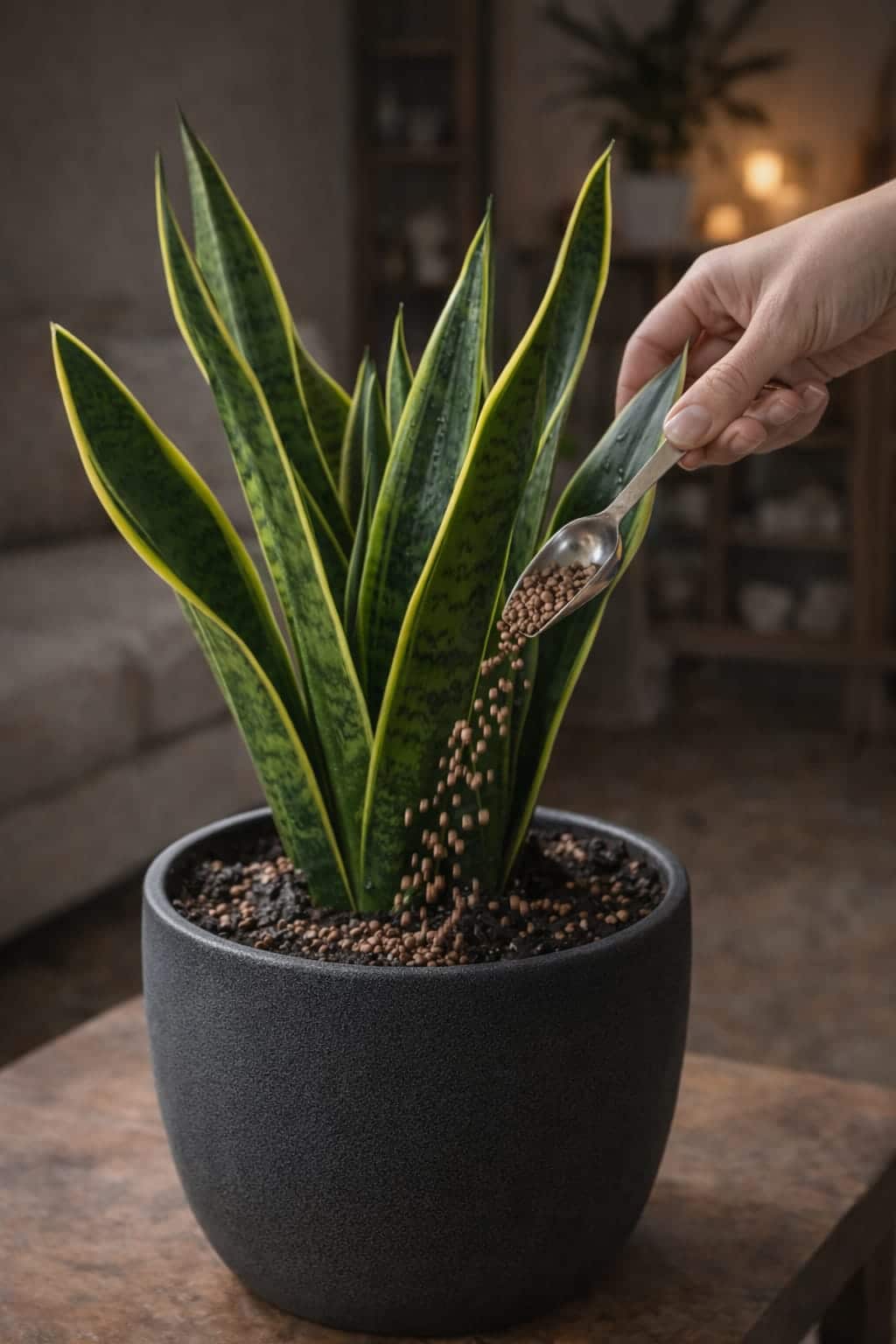
Learn how to train your snake plant into a stunning spiral or circular shape. Step‑by‑step guide from choosing the right plant to removing supports. Transform your Sansevieria into living art.
Let’s be honest: snake plants are already admired for their tall, sword‑like leaves and elegant simplicity. They fit perfectly into modern interiors, adding structure and a touch of nature without demanding much attention. But if you’ve ever come across one with twisting, spiraled foliage, you might have paused in wonder. It looks like something nature couldn’t possibly have done alone – a living sculpture that seems almost too perfect.
The good news? You can train your own snake plant to grow in a spiral or circular shape. This isn’t about forcing your plant into submission. It’s about working with its natural tendencies and guiding its growth over time. With patience, the right technique, and a little creativity, you can transform an ordinary Sansevieria into a breathtaking centerpiece.
In this complete guide, I’ll walk you through everything you need to know – from choosing the right plant and creating a support system, to shaping leaves, encouraging balanced growth, and finally removing the supports. Plus, you’ll learn how to care for your spiraling snake plant so it stays healthy and stunning for years.
Let’s turn your snake plant into art.
Why Shape a Snake Plant?
A spiral or circular snake plant is more than just a houseplant – it’s a conversation starter. It combines the resilience and easy care of a snake plant with the artistic flair of a trained topiary. Whether you place it on a mantel, a side table, or as a living room focal point, it’s guaranteed to draw attention.
· Unique and eye‑catching – No two spirals are exactly alike.
· Creative expression – A fun, low‑stress project for plant lovers.
· Uses ordinary snake plants – No special variety needed.
· Long‑lasting – Once shaped, the plant often holds its form for years.
Step 1: Choose the Right Snake Plant to Start
Not every snake plant is ready for training. Start with the right candidate.
What to Look For
Ideal Characteristic Why It Matters
Young plant (under 1–2 years) Leaves are pliable and flexible; mature leaves are rigid and can crack.
Healthy, pest‑free A stressed plant won’t train well.
Compact, centered growth Provides a balanced base for shaping.
Active growing season (spring or early summer) Growth = flexibility.
Best Varieties for Spiraling
While most people associate spiraling with Sansevieria cylindrica due to its tubular leaves, other flexible varieties work beautifully too:
· Dracaena trifasciata ‘Laurentii’ – Classic yellow‑edged leaves, moderately flexible.
· ‘Zeylanica’ – Dark green with subtle banding, good flexibility.
· ‘Hahnii’ (Bird’s Nest) – Compact rosette shape; great for smaller spirals.
· Sansevieria cylindrica – Naturally round leaves; ideal for tight spirals.
What to avoid: Lanky, floppy specimens. They may look dramatic, but they’re harder to guide into a neat spiral.
Step 2: Create a Support System to Guide the Shape
You’ll need a frame or trellis to wrap the leaves around. The support gives the plant a path to follow as it grows.
Options for Supports
Material Pros Cons
Spiral trellis (pre‑made) Easy, consistent shape Can be hard to find
Coated garden wire Customizable, flexible Needs DIY effort
Tomato cage (repurposed) Sturdy, widely available May be too large
PVC pipe or wooden dowel Simple, cheap Less natural shape
How to Set Up the Support
- Shape your support – If using wire or a tomato cage, bend it into a gentle spiral or circular form. The diameter should be slightly larger than your plant’s current leaf spread.
- Insert into the pot – Gently press the base of the frame into the potting soil, being careful not to damage the roots. Position it close to the plant’s center.
- Check fit – The frame should feel snug, but not pressed against the leaves. It’s there to assist, not constrain.
Pro tip: For a circular shape, use a round wire form or even a sturdy embroidery hoop as a guide.
Continue to Page 2
Continue to page 2 for more details about this article and the key points many readers miss on the first page.