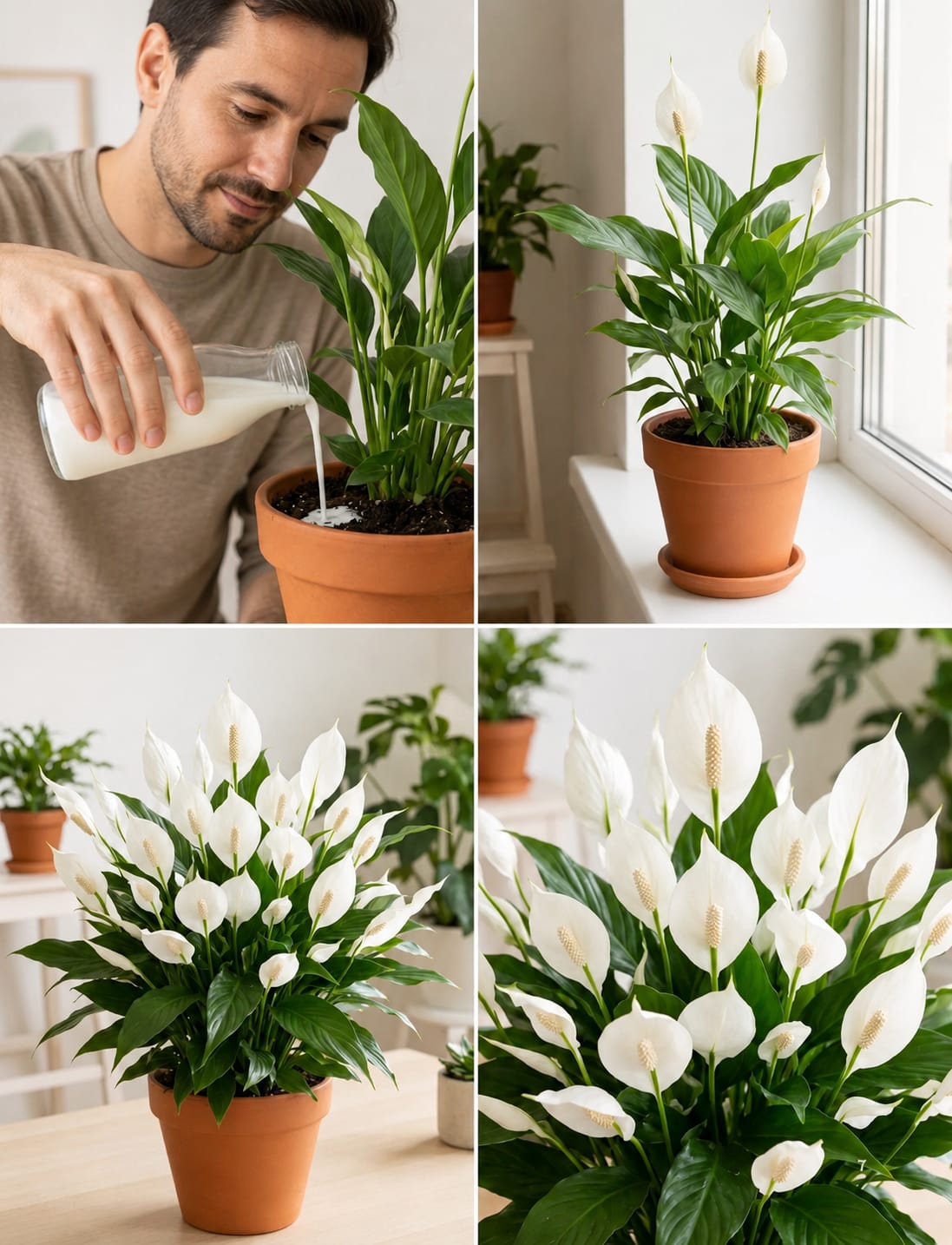
Humidity for Peace Lilies
Peace lilies enjoy moderate humidity. Dry indoor air can cause crispy tips and dull leaves. This is especially common in winter when heating systems dry the air.
To improve humidity, group plants together, use a humidifier, or place the peace lily in a bright bathroom with a window. A pebble tray can help slightly, but the pot should not sit directly in water.
Humidity helps the plant look fuller and fresher.
Temperature Needs
Peace lilies like warm stable rooms. Keep them away from cold drafts, air conditioners, open winter windows, and heaters.
Cold stress can cause drooping and yellowing. Hot dry air can cause brown tips and faster soil drying.
A stable indoor temperature keeps the plant comfortable.
Repotting Peace Lilies
Repot a peace lily when it becomes root-bound, dries too quickly, or the soil breaks down. Spring is usually the best time.
Choose a pot only one size larger. A very large pot holds extra wet soil and can increase the risk of root rot. Use fresh airy potting mix and water lightly after repotting.
Wait a few weeks before using fertilizer or milk water after repotting.
Dividing a Peace Lily
A mature peace lily can be divided into smaller plants. Remove it from the pot and gently separate clumps with roots attached. Plant each section in fresh soil and water lightly.
Dividing is helpful when the plant becomes crowded or when you want more peace lilies for other rooms.
After division, avoid milk water and fertilizer until the plants recover.
Common Pests
Peace lilies may attract spider mites, aphids, scale, mealybugs, and fungus gnats. Fungus gnats are especially common when soil stays too wet or organic liquids are used too often.
Check under leaves and around the soil regularly. Look for sticky residue, tiny insects, webbing, white cottony spots, or small flying gnats.
If pests appear, stop milk water and focus on pest treatment and soil health.
How to Prevent Fungus Gnats
Fungus gnats like moist organic soil. Milk water can make the soil more attractive to them if used too often.
To prevent gnats:
- Let the top inch of soil dry slightly
- Use well-draining soil
- Avoid frequent organic liquids
- Remove dead leaves from the pot
- Use sticky traps if needed
- Do not let water sit in the saucer
Clean soil habits prevent most gnat problems.
Indoor Decor Ideas for Peace Lilies
Peace lilies are excellent decor plants because they look calm and elegant. Their white blooms work beautifully with neutral rooms, wood furniture, woven baskets, ceramic pots, and soft natural light.
Decor ideas include:
- Place a peace lily in a terracotta pot for a warm natural look.
- Use a white ceramic pot for a clean modern style.
- Set it on a wooden plant stand near a filtered window.
- Place it in a bright bedroom corner for a soft peaceful feel.
- Use a woven basket cover for cozy decor.
- Group it with pothos, ferns, and calatheas for a lush green corner.
The plant’s shape fits both modern and classic interiors.
Best Places to Display Peace Lilies
Good locations include living rooms, bedrooms, offices, kitchens, and bathrooms with windows. The plant needs bright indirect light, warmth, and stable moisture.
Avoid dark corners if you want blooms. Avoid direct hot sun if you want clean leaves. Avoid cold drafts and heaters.
Once you find a spot where the plant grows well, keep it there. Peace lilies enjoy stable conditions.
Styling a Young Peace Lily
A young peace lily may have only a few leaves at first. Keep it in a modest pot and focus on root health. Do not rush it with strong fertilizer or frequent milk water.
Give it bright indirect light, lightly moist soil, and patience. Over time, the plant will produce more leaves and may bloom when mature enough.
A small peace lily looks beautiful on a windowsill, desk, or small shelf.
Styling a Mature Peace Lily
A mature peace lily can become a beautiful indoor focal point. Its white blooms rise above the leaves, creating a clean and elegant display.
Place it in a stable decorative pot where the leaves have room to spread. A mature plant looks beautiful near a window, beside a sofa, or in an entryway.
Keep the display simple so the leaves and flowers can stand out.
Common Mistakes With Milk Water
Avoid these mistakes:
- Using milk without dilution
- Using milk water every week
- Pouring milk over the leaves
- Using sweetened or flavored milk
- Using it on wet soil
- Using it on a plant with root rot
- Letting runoff sit in the saucer
- Expecting it to replace fertilizer
- Ignoring light and drainage
Milk water should always be weak, occasional, and optional.
A Simple Peace Lily Milk Water Routine
Use this safe routine:
- Keep the peace lily in bright indirect light.
- Use airy, moisture-retentive soil.
- Water when the top inch begins to dry.
- Use a pot with drainage holes.
- Apply very weak milk water only once every 6 to 8 weeks if desired.
- Use plain water most of the time.
- Feed with diluted houseplant fertilizer during active growth.
- Stop all tonics if mold, gnats, or sour smell appear.
- Clean leaves regularly with plain water.
This routine keeps the plant healthy without overwhelming the roots.
Final Thoughts
The gentle milk water trick for peace lilies can be used only as a rare, highly diluted tonic. It should never be poured straight into the pot, used frequently, or applied to a stressed plant. Too much milk can cause odor, mold, fungus gnats, and root problems.
The real foundation of a beautiful peace lily is simple care: bright indirect light, good drainage, lightly moist soil, warm temperatures, moderate humidity, clean leaves, and light feeding during active growth. When these basics are correct, the plant can grow fuller, greener, and more likely to bloom.
Use milk water only as a small optional support, not as the main secret. With balanced care and patience, your peace lily can become a graceful indoor plant with glossy leaves, strong roots, and elegant white blooms that brighten your home naturally.