Best Light Conditions for Flowering
Light plays a major role in blooming.
Snake plants are far more likely to flower in:
· bright indirect sunlight
· filtered window light
· spots near east‑facing or south‑facing windows
Low light may keep the plant alive, but it usually prevents flowering.
If your snake plant has never bloomed, brighter light is one of the first things to improve.
How Much Light Is Enough?
· Ideal: 10–12 hours of bright, indirect light daily.
· Good: A few feet away from a sunny window with a sheer curtain.
· Acceptable but not enough for blooms: A dark corner or north‑facing window with little direct light.
Consider using a full‑spectrum grow light if your home is naturally dark. Even 6–8 hours of artificial light can make a difference.
Watering Habits That Encourage Blooms
Overwatering is still the biggest mistake snake plant owners make.
To keep your snake plant healthy and increase the chance of blooms:
· let the soil dry completely between waterings (stick your finger in — if it feels damp, wait)
· use pots with drainage holes (non‑negotiable)
· never let the pot sit in standing water (empty the saucer)
· reduce watering in fall and winter to once a month or less
Snake plants often bloom better when they experience natural dry cycles. Slight root stress, when safe and controlled, can help trigger flowering.
Think of it this way: in nature, a snake plant experiences periods of drought followed by rain. That cycle tells the plant, “Conditions are good — time to reproduce.” By letting the soil dry out completely between waterings, you mimic that natural rhythm.
Use the Right Soil Mix
Healthy roots need fast‑draining soil.
A good snake plant mix can include:
· cactus soil (commercial bag is fine)
· succulent mix
· regular potting soil with added sand or perlite (50/50 mix)
Heavy soil holds too much moisture and weakens the roots. Better drainage improves both plant health and nutrient absorption.
DIY Snake Plant Soil Recipe
· 2 parts all‑purpose potting soil
· 1 part perlite (for drainage and aeration)
· 1 part coarse sand (horticultural sand, not beach sand)
Mix thoroughly. This blend dries quickly, prevents root rot, and allows oxygen to reach the roots.
Temperature Also Matters
Snake plants prefer warm indoor conditions.
The best range is usually:
· 65°F to 85°F (18°C to 29°C) during the day
· Night temperatures can drop slightly, but not below 50°F (10°C)
Cold slows growth and makes blooming less likely. Keep your snake plant away from drafty windows in winter, and never place it near an air conditioning vent in summer.
Some growers have success with a slight temperature drop at night (around 55–60°F) for a few weeks in late winter. This mimics the natural cooling that can trigger flowering in spring. However, this is optional — bright light and proper watering are far more important.
Why Natural Feeding Can Be Better Than Harsh Fertilizers
Natural boosters like rice water are popular because they are usually gentler on indoor plants.
They may help by:
· improving long‑term soil health (feeding beneficial microbes)
· reducing fertilizer salt buildup (common with synthetic fertilizers)
· supporting better root growth (trace minerals)
· lowering plant stress (slow, consistent nutrition)
· encouraging flowering more naturally (not forcing rapid leaf growth)
Strong chemical fertilizers often push fast leaf growth, but not always healthier roots or better blooms. High‑nitrogen fertilizers, in particular, can produce lots of green leaves while actually suppressing flower production.
That is why a mild, balanced approach — like diluted rice water — is often a better choice for snake plants.
Common Myths About Snake Plant Flowering
There are many myths around snake plant blooms. Here are a few common ones — and the truth.
Myth 1: “Flowers mean the plant is dying.”
False. Blooming usually means the plant is mature and healthy. Some people mistakenly believe flowering is a “last gasp” before death. That is not true for snake plants. They can bloom year after year under good conditions.
Myth 2: “Only outdoor snake plants bloom.”
False. Indoor snake plants can bloom too if conditions are right. Light is the biggest factor. Many indoor snake plants bloom when placed near a bright window.
Myth 3: “Snake plants never need feeding.”
False. They survive without much care, but blooming usually needs more support. A gentle natural fertilizer like rice water can make the difference between a plant that lives and a plant that thrives.
Myth 4: “Snake plants never flower indoors at all.”
Also false. They absolutely can flower indoors. It is rare, but it happens more often than people think — usually when the plant is mature, root‑bound, and getting good light.
Other Natural Boosters Some Gardeners Try
Besides diluted rice water, some people also experiment with:
· Diluted banana peel water – rich in potassium, good for flower support
· Eggshell calcium water – adds calcium to strengthen cell walls
· Light compost tea – full of beneficial microbes and trace nutrients
· Very weak seaweed extract – natural growth hormones
These can sometimes help, but they should always be diluted and used sparingly. Never combine multiple boosters at once. Stick to one gentle treatment at a time.
A Note on Epsom Salt
Epsom salt (magnesium sulfate) is often recommended for snake plants. It can help if your plant shows signs of magnesium deficiency (yellowing between leaf veins). However, it does not directly cause blooming. Use 1 teaspoon per gallon of water, once a month during active growth, if needed.
How Long Until You See Results?
Results depend on the age and health of your plant, but many growers notice:
· stronger, more upright growth within 2 to 4 weeks
· better overall vigor in 1 to 2 months
· possible bloom stalks within 1 to 3 months, or longer
Patience matters. Snake plants are naturally slow growers.
If your snake plant is very young (under 2–3 years old), it may not bloom at all regardless of care. Maturity is essential. Most snake plants need to be at least a few years old before they produce flowers.
Step‑by‑Step Snake Plant Bloom Routine
Here is a simple, weekly and seasonal plan to maximize your chances.
Weekly (During Growing Season)
· Check soil moisture. Water only when completely dry.
· Wipe dust from leaves with a damp cloth.
· Rotate the pot slightly for even light exposure.
Every 2–3 Weeks (Spring and Summer)
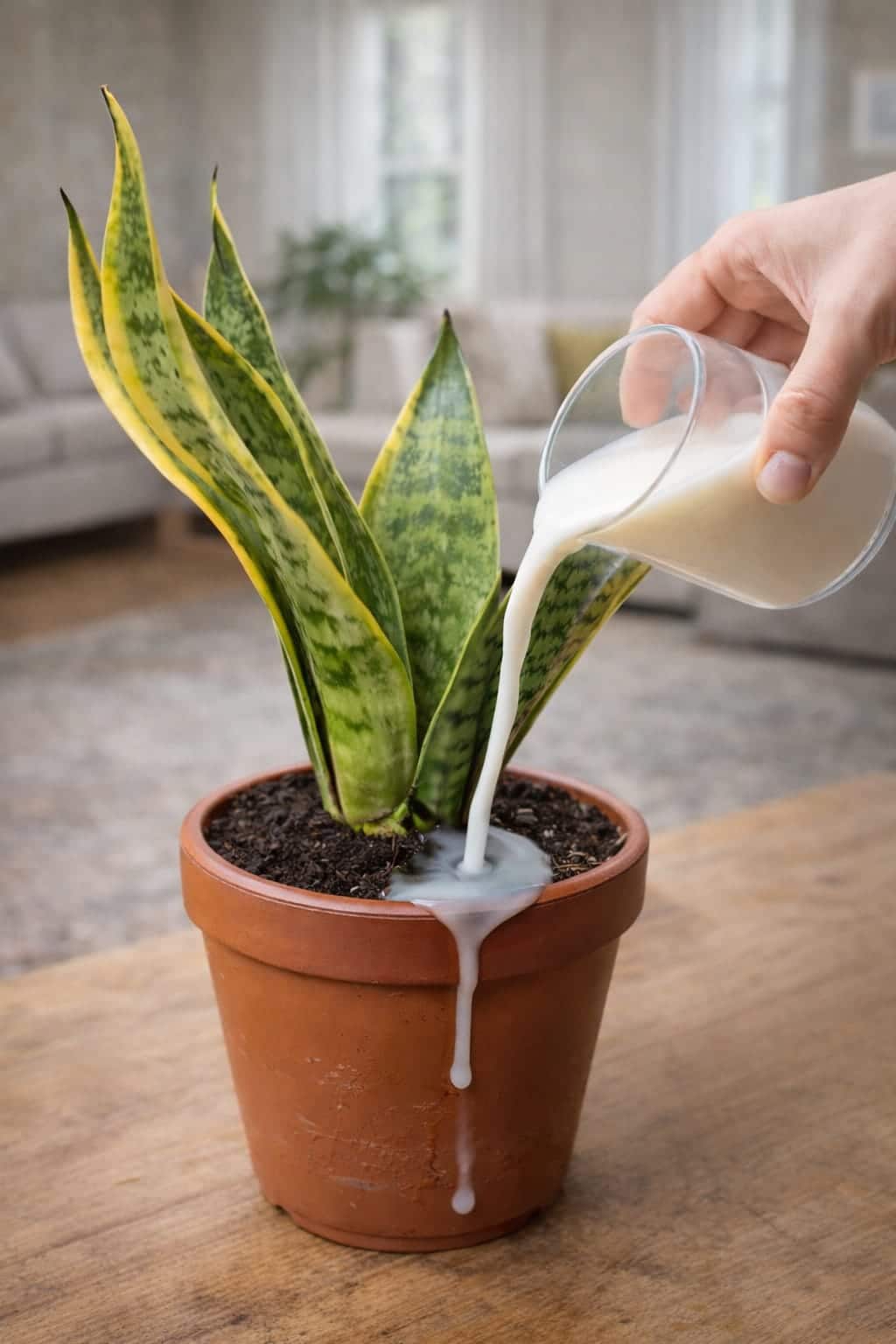
· Apply diluted rice water instead of plain water.
· Do not feed during fall and winter.
Monthly
· Inspect roots through drainage holes (look for white, firm roots).
· Check for pests (mealybugs, spider mites).
Seasonally
Spring/Summer
· Provide bright indirect light (10–12 hours).
· Water every 2–4 weeks depending on conditions.
· Use rice water every 2–3 weeks.
· Keep temperatures warm (65–85°F).
Fall/Winter
· Reduce watering to once a month or less.
· Stop rice water and all fertilizer.
· Lower light is okay, but brighter light still helps.
· Do not repot.
Annually
· Refresh the top inch of soil with fresh cactus mix.
· Repot only if roots are cracking the pot or circling densely.
Frequently Asked Questions (Snake Plant Blooms)
How often do snake plants bloom indoors?
Most indoor snake plants bloom every few years at most. Some never bloom. If you get flowers once, you may see them again in subsequent years if conditions remain ideal.
Can I use rice water on other houseplants?
Yes. Many houseplants benefit from diluted rice water, including pothos, spider plants, and philodendrons. Avoid using it on succulents or cacti that prefer very dry conditions.
Does rice water attract pests?
If used properly (diluted, applied to soil, not left standing), rice water is unlikely to attract pests. However, if you overuse it or leave it on leaves, it may attract fungus gnats. Always let the soil surface dry between applications.
Should I stop using rice water when I see a flower spike?
No. You can continue using diluted rice water until the buds begin to open. Once the flowers appear, switch to plain water to avoid stressing the blooms.
Why are my snake plant leaves turning yellow after using rice water?
Yellow leaves usually indicate overwatering, not the rice water itself. Check your soil. If it is wet, you are watering too often. If the soil is dry, the yellowing may be natural aging.
Can I use rice water that has fermented?
No. Fermented rice water has a sour smell and can harm your plant. Always use fresh rice water within 24 hours. Do not store it.
Is brown rice water better than white rice water?
Brown rice water contains slightly more nutrients because the bran layer is intact. However, white rice water works perfectly well. Use whatever rice you have on hand.
How do I know if my snake plant is mature enough to bloom?
Most snake plants need to be at least 2–3 years old. Signs of maturity include thick, well‑established leaves, a crowded pot, and a strong root system. Young plants with only a few leaves will not bloom.
Final Thoughts
Snake plants are more than just stylish indoor décor. With the right care, they can reward you with rare, elegant blooms that make the whole room feel more alive.
By using a gentle natural booster like diluted rice water, improving light, and following smarter watering habits, you can help your plant become:
· healthier
· stronger
· more vibrant
· more likely to bloom
Beautiful flowers always begin with healthy roots.
And once your snake plant starts thriving, it does more than just grow — it quietly changes the feeling of the space around it.
So save that rice water. Move your snake plant closer to the window. Let the soil dry out completely. And be patient.
Those delicate, fragrant blooms might be closer than you think.
Have you ever gotten your snake plant to bloom? Share your experience in the comments below. And if you found this guide helpful, save it for later or send it to a fellow plant lover who wants to see those rare, beautiful flowers.