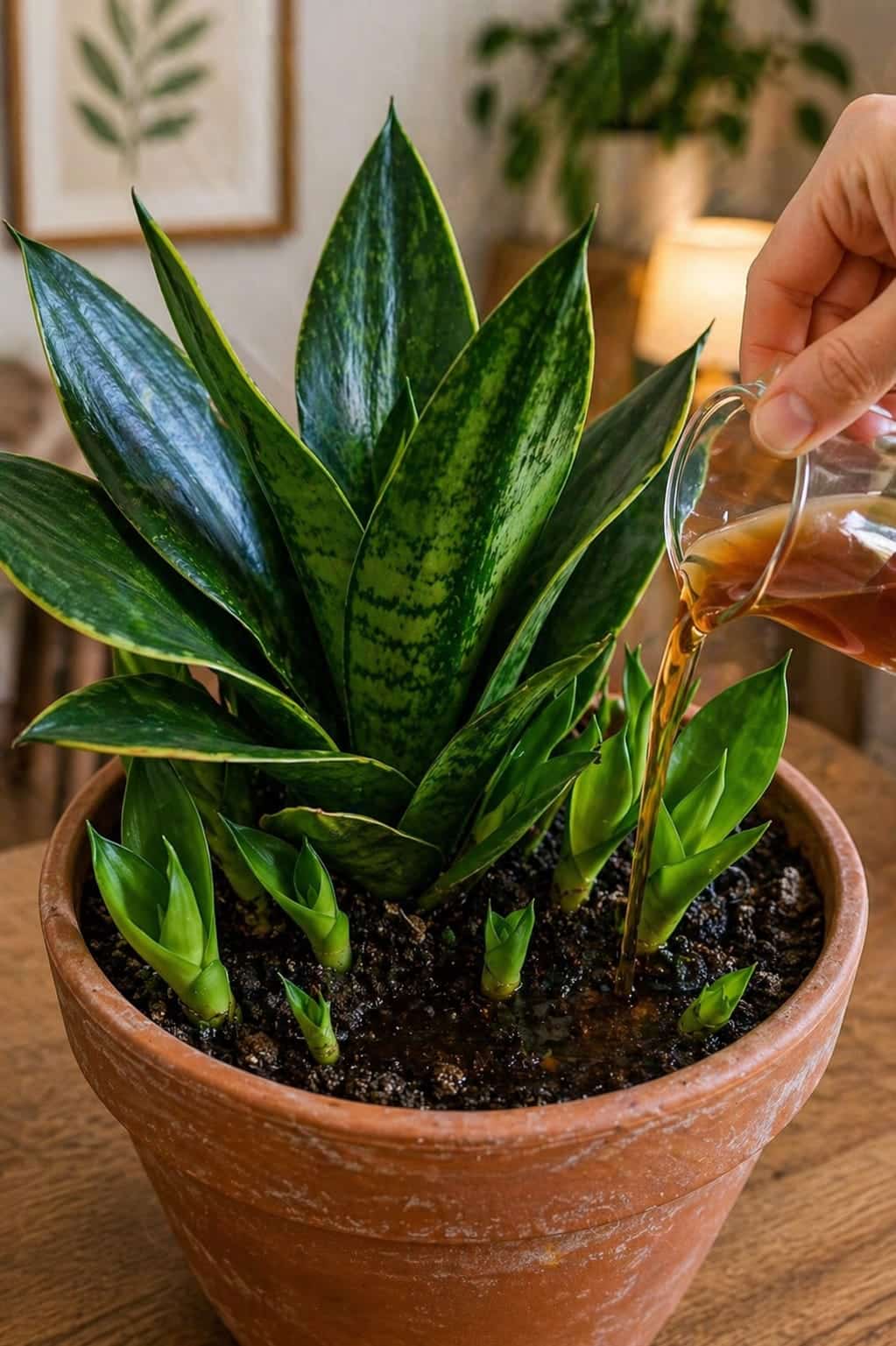
Why a Slightly Snug Pot Encourages Pups
One of the most repeated secrets among snake plant lovers is this: snake plants often produce pups when they are slightly snug in their pots.
A pot that is too large can slow visible growth. The plant may spend its energy expanding roots into the empty soil instead of sending up new shoots. Large pots can also hold too much moisture, which increases the risk of root stress.
A slightly snug pot can encourage the plant to multiply because the roots feel established. Once the underground system feels secure, the plant may start pushing pups upward.
This does not mean the plant should be trapped forever in a tiny pot. If roots are breaking the pot, the plant is severely crowded, or water cannot move through the soil properly, repotting may be necessary.
But if the plant is only a little crowded, that may actually help it produce babies.
For pup production, the sweet spot is:
Not too loose
Not severely cramped
Slightly snug
Stable and undisturbed
This is why some older snake plants suddenly begin producing multiple pups after staying in the same pot for a while.
Why Drainage Is Non-Negotiable
A snake plant needs drainage. This is especially important if you are adding any kind of liquid to the soil.
Without drainage holes, extra moisture collects at the bottom of the pot. The top of the soil may look fine, but the lower roots can sit in stale water. This creates root stress and can stop the plant from making pups.
If you want the brown liquid method to fit into a healthy routine, make sure your pot has drainage holes.
If you love decorative pots without drainage, use a nursery pot inside the decorative pot. Water the plant, let it drain completely, then place it back inside the outer pot.
This protects the roots while keeping the plant stylish.
Drainage is one of the quiet secrets behind every healthy snake plant.
Soil Matters More Than Most People Think
Snake plants prefer fast-draining soil. Heavy soil holds too much water and can make the root zone stale. If the roots cannot breathe, the plant will not focus on new growth.
A good snake plant soil mix should feel loose, gritty, and airy.
A strong mix can include:
Cactus soil
Succulent soil
Perlite
Pumice
Coarse sand
Small bark chips
A small amount of regular potting soil
The goal is to create soil that holds enough moisture for the plant to drink but dries out quickly enough to protect the roots.
If your snake plant is sitting in dense, heavy soil, the brown liquid method may not give the results you want. The liquid may only make the soil wetter and heavier.
For the best results, combine the method with fast-draining soil.
The Best Snake Plant Setup for More Pups
If you want your snake plant to make babies, create an environment that supports underground growth.
The best setup looks like this:
A pot with drainage holes
Fast-draining soil
Bright indirect light
Warm indoor temperature
Water only when soil dries
A slightly snug pot
Occasional gentle feeding
Minimal disturbance
Clean leaves
Patience
When these conditions are in place, the brown liquid method becomes part of a larger growth routine.
It is not just about pouring something into the soil. It is about giving the plant every reason to multiply.
When to Use the Brown Liquid Method
The brown liquid method is usually shown as an occasional routine, not something to do every few days.
Use it when the plant is in active growing conditions, especially during spring or summer. This is when snake plants are more likely to produce new shoots.
It is usually best to avoid using it too often in winter, especially if your plant is not growing much. In cooler months, snake plants need less water and may not absorb moisture as quickly.
A good time to try the method is when:
The soil is dry and ready for watering
The plant is in bright indirect light
The weather is warm
The plant appears stable and healthy
You want to encourage new growth
The pot has drainage
Do not use it if the soil is already wet or the plant shows signs of rot.
Signs Your Snake Plant May Be Ready to Make Pups
Before pups appear, a snake plant may show subtle signs of active growth.
Look for:
New firmness in the leaves
Brighter color
A thicker base near the soil
Small pointed shoots emerging
The plant drinking water more actively
Roots filling the pot
Fresh green tips near the base
Sometimes the first sign is just a tiny green spear pushing through the soil. It may look small at first, but that little shoot can become a full leaf cluster over time.
If you notice a new pup, avoid disturbing it. Let it grow naturally.
Why Patience Is Part of the Trick
Short videos make plant growth look fast. A ten-second reel can create the impression that pups appear almost immediately after applying the brown liquid. In reality, snake plants are slow growers.
Pups can take weeks or months to appear.
The plant may be growing underground before anything shows on the surface. This is why patience matters. If you dig around the soil looking for pups, you may damage delicate new growth before it emerges.
After trying the method, give the plant time.
Keep the routine stable. Do not move the plant every few days. Do not keep adding more liquid. Do not repot unless necessary. Let the plant respond.
Snake plants reward patience.
Common Mistakes That Stop Snake Plant Pups
Even if you try the brown liquid method, these mistakes can prevent results.
Overwatering
This is the biggest mistake. Snake plants do not like constantly wet soil. Too much water can stress the roots and stop growth.
Low Light
A snake plant in low light may stay alive but not multiply. Bright indirect light is much better for pups.
Oversized Pot
A large pot can hold too much moisture and make the plant focus on roots instead of shoots.
Poor Drainage
Without drainage holes, moisture builds up and damages roots.
Heavy Soil
Dense soil holds water too long and blocks airflow.
Constant Repotting
Snake plants do not like being disturbed too often. Give them time to settle.
Cold Temperatures
Cold conditions slow growth and reduce pup production.
Too Much Fertilizer
Heavy feeding can stress the plant. Gentle support is better.
Expecting Overnight Results
Pups take time. The method is not instant.
How to Make the Pot Look Fuller While Waiting for Pups
If your snake plant is not full yet, you can improve its appearance while waiting for new babies.
Try these simple styling tips:
Clean dust from the leaves
Remove damaged or yellow leaves
Rotate the pot every few weeks
Place it in a stylish container
Use a plant stand for height
Group it with smaller plants
Add decorative top dressing lightly
Keep the leaves upright and clean
You can also combine multiple snake plant divisions in one pot to create a fuller look faster.
If you already have pups growing, leave them in the pot instead of separating them immediately. This helps create a dense, dramatic plant.
Should You Separate Snake Plant Pups?
Not always.
If your goal is a fuller plant, leave the pups attached and let them grow in the same pot. This creates a thick, established look.
If your goal is propagation, you can separate pups once they are large enough and have their own roots.
Leave pups in place if:
You want a fuller pot
The plant still has space
The pup is small
The mother plant looks healthy
Separate pups if:
The pot is overcrowded
You want new plants
The pup has strong roots
You are already repotting
The plant is too crowded to water properly
For a dramatic showpiece look, letting pups stay together is usually the best choice.
How to Encourage Faster Snake Plant Growth
If your snake plant is growing slowly, improve the basics before adding more tricks.
Move it to brighter indirect light.
Use a fast-draining soil mix.
Make sure the pot has drainage.
Let the soil dry before watering.
Keep it warm.
Feed lightly during growing season.
Avoid disturbing the roots.
When all of these are in place, the plant is more likely to respond to any gentle growth routine.
Brown Liquid Method Care Table
| Step | What to Do | Why It Matters |
|---|---|---|
| Check soil | Make sure soil is dry enough | Prevents overwatering |
| Use small amount | Pour lightly around soil | Avoids flooding roots |
| Avoid leaf crown | Keep liquid out of center leaves | Prevents trapped moisture |
| Use drainage | Let excess moisture escape | Protects roots |
| Add bright light | Place near indirect light | Supports growth energy |
| Wait patiently | Give the plant time | Pups develop slowly |
| Repeat carefully | Use occasionally | Keeps routine gentle |
Snake Plant Pup Growth Checklist
Use this checklist if your snake plant is not making babies:
Bright indirect light
Warm room
Fast-draining soil
Drainage holes
Slightly snug pot
Dry soil between watering
Healthy firm leaves
No root rot smell
No standing water
Light feeding in growing season
No frequent repotting
Stable placement
If most of these are correct, your snake plant has a much better chance of producing pups.
Why This Brown Liquid Trick Became So Popular
This trick became popular because it has everything people love in a plant care reel.
It is simple.
It is visual.
It uses a mysterious liquid.
It promises baby shoots.
It feels natural.
It looks easy to try.
It targets a common problem.
The phrase “snake plant pup trick” is powerful because it speaks directly to what people want. They do not just want a plant that survives. They want proof that it is growing.
The brown liquid creates curiosity. Viewers want to know what it is, how it works, and whether it can help their own plant.
That curiosity makes people watch, save, and comment.
Why Snake Plants Are Perfect for Viral Plant Tricks
Snake plants are perfect for plant care content because they are popular, recognizable, and slow-growing. Many people own one, and many people are frustrated because theirs does not change much.
When a video promises a way to make snake plants produce babies, it immediately gets attention.
The plant itself also looks dramatic on camera. The dark green leaves, upright shape, and fresh baby shoots create a strong visual. When brown liquid is poured around the soil, the contrast makes the method look even more interesting.
It feels like something important is happening under the soil.
The Emotional Side of Seeing New Pups
Seeing a snake plant pup appear is surprisingly exciting. It may be just a small green shoot, but to a plant owner, it feels like a reward.
It means the plant is not just sitting still anymore. It is expanding.
That small pup brings a sense of success. It makes the owner feel like their care is working. It also creates anticipation because every new shoot has the potential to become a strong upright leaf.
This emotional moment is why pup tricks perform so well online.
People are not just chasing growth. They are chasing the feeling of progress.
Frequently Asked Questions
What is the brown liquid snake plant trick?
The brown liquid snake plant trick is a viral plant care method where a small amount of brown liquid is poured into the soil to support root activity and encourage the plant to produce pups.
Why do people pour brown liquid on snake plants?
People use it because they believe it helps refresh the soil, support roots, and encourage new baby shoots to appear around the base of the plant.
Can this method make snake plants produce pups?
It may help as part of a better care routine, especially when the plant also gets bright indirect light, fast-draining soil, proper watering, and a slightly snug pot.
How often should I use the brown liquid method?
It is usually used occasionally, not constantly. Snake plants do not like too much moisture, so the method should be gentle and controlled.
Should the soil be dry before using it?
Yes, the soil should not already be wet. Snake plants prefer drying out between waterings.
Can I pour it directly into the center of the plant?
No. Avoid pouring liquid into the leaf crown. Apply it around the soil surface instead.
Why is my snake plant not making babies?
The most common reasons are low light, overwatering, poor drainage, heavy soil, cold temperatures, or a pot that is too large.
Do snake plants need bright light to make pups?
Bright indirect light helps a lot. Snake plants can survive in low light, but they usually produce more growth in brighter conditions.
Does a tight pot help snake plants make babies?
A slightly snug pot can encourage pup production. However, the plant should not be severely overcrowded or unhealthy.
Should I separate snake plant pups?
If you want a fuller plant, leave the pups in the same pot. If you want to propagate, separate them once they have their own roots.
How long does it take for snake plant pups to appear?
It can take weeks or months depending on light, temperature, root health, and overall care.
Can overwatering stop pups from forming?
Yes. Overwatering stresses the roots and can stop the plant from producing new growth.
What soil is best for snake plant pups?
Fast-draining soil is best. Cactus mix, succulent mix, and potting soil mixed with perlite can work well.
Why is my snake plant alive but not growing?
It may be surviving in low light or poor conditions. To encourage growth, improve light, soil, drainage, and watering habits.
Can I use this method in winter?
It is better to be careful in winter because snake plants grow more slowly and need less water. The method is usually better during warmer growing months.
Final Thoughts
The brown liquid snake plant pup trick has become popular because it speaks to one of the biggest frustrations snake plant owners have: a plant that looks alive but refuses to multiply.
Everyone wants to see those small green pups pushing through the soil. They make the plant look fuller, healthier, and more rewarding to grow. A snake plant with babies feels like a plant that is truly thriving, not just surviving.
The brown liquid method is appealing because it looks simple and powerful. A small pour around the soil, a little patience, and the hope of new shoots. It feels like an easy step that could wake up the plant and encourage fresh growth.
But the best results come when this method is combined with the right care. Snake plants need bright indirect light, fast-draining soil, careful watering, warmth, drainage, and a slightly snug pot. When those conditions are right, the plant is much more likely to produce pups.
The brown liquid may be the step that catches everyone’s attention, but the real secret is the full routine behind it.
If your snake plant has not made babies yet, do not give up. Move it to better light. Let the soil dry properly. Make sure the pot drains. Keep the roots stable. Use gentle support methods carefully. Then give the plant time.
Snake plants are slow, but when they finally start producing pups, the transformation is worth waiting for.
One small shoot can become the beginning of a fuller, stronger, more beautiful plant. And once your snake plant starts multiplying, that quiet pot in the corner can turn into one of the most eye-catching plants in your home.