Common Mistakes With Garlic Spray
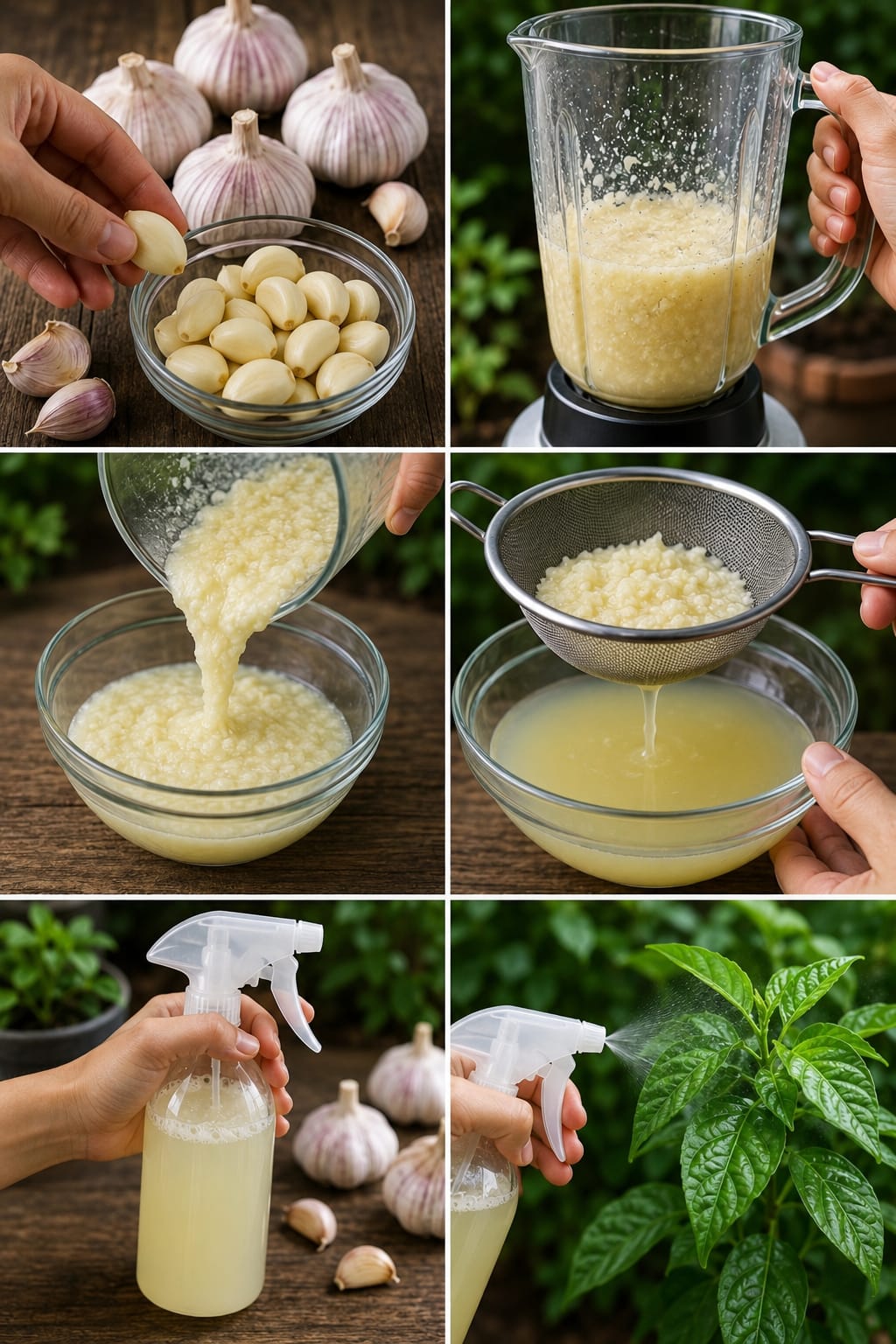
One common mistake is making the mixture too strong. Concentrated garlic can burn leaves. Another mistake is spraying in hot sun. Heat and wet leaves can create damage quickly. A third mistake is failing to strain the mixture, which leaves garlic pulp on foliage and clogs the spray bottle.
A fourth mistake is using garlic spray on plants that are already stressed. Wilted, sunburned, recently repotted, drought-stressed, or overwatered plants are more likely to react badly. A fifth mistake is spraying too often. Repeated applications can create residue and stress even if one application was tolerated.
A sixth mistake is expecting garlic spray to solve root problems. If the plant is yellowing because of poor soil, no leaf spray will fix it. The roots must be corrected. A seventh mistake is ignoring pests until the infestation is severe. Gentle methods work best early.
Signs the Spray Is Too Strong
If leaves develop pale spots, brown patches, crispy edges, curling, or sudden yellowing after spraying, the mixture may be too strong or the plant may be sensitive. Stop using the spray. Rinse the leaves gently with clean water in the cooler part of the day and keep the plant out of harsh sun until it stabilizes.
Damaged leaves will not fully heal, but new growth may emerge healthy if the plant is not severely stressed. Remove badly damaged leaves only when necessary. Do not immediately apply another treatment. Let the plant recover with plain water and good care.
If many plants react badly, the recipe was likely too concentrated or applied under poor conditions. Dilute more next time, spray at a cooler hour, and patch test first. Plant safety matters more than forcing a homemade method to work.
How to Store or Discard Garlic Spray
Garlic spray is best used fresh. It should not be kept for weeks. Fresh mixtures are more predictable, while old mixtures can ferment, smell bad, and become harsher. If any spray remains after use, it can be discarded away from delicate plants. Do not pour concentrated leftovers into a plant pot.
The spray bottle should be rinsed thoroughly after use. Garlic odor can linger, and residue can affect future sprays. If the bottle is reused for plain water or another plant treatment, it should be cleaned well first.
Small batches are best. Making only what is needed reduces waste and keeps the method cleaner. A fresh mild batch is safer than a strong old mixture stored in a bottle.
Better Results With Integrated Pest Care
Garlic spray works best when it is part of integrated pest care. This means using several gentle strategies together. Inspect leaves regularly. Remove badly damaged growth. Wash pests off with water when possible. Improve airflow. Avoid overfertilizing with too much nitrogen, because soft fast growth can attract pests. Keep weeds and debris away from garden containers.
Healthy soil and correct watering also matter. Plants with stressed roots are more likely to attract pests and less likely to tolerate sprays. A strong root system supports stronger leaves. Fertilizer should be balanced, not excessive. Too much fertilizer can create tender growth that insects enjoy.
Beneficial insects can also help outdoors. Ladybugs, lacewings, and other natural predators may reduce pests. Avoid broad, harsh spraying that disrupts them. A garden that supports balance often has fewer severe outbreaks.
Decor and Display Benefits of Cleaner Leaves
Plants with clean, pest-free leaves look better in every setting. On a patio, glossy foliage can make the whole space feel fresher. On a balcony, healthy leaves and tidy containers create a more polished apartment garden. In a backyard seating area, plants without sticky residue or curled leaves improve the comfort of the space. In premium garden styling, plant health and visual cleanliness are part of the design.
Garlic spray may help protect the appearance of ornamental plants when used carefully. However, the spray should not leave visible residue or strong odor in areas where people sit and relax. A plant display should feel fresh, not unpleasant. If the smell is too strong, the mixture is likely too concentrated or the area is too enclosed.
For luxury home staging, commercial exterior displays, restaurant patios, boutique garden corners, and polished balcony arrangements, predictable plant care is especially important. Homemade sprays should be used discreetly and only when they do not interfere with the experience of the space. Clean foliage, tidy pots, and healthy growth create the premium look.
When to Choose a Different Treatment
Garlic spray is not always the best choice. If the plant has a severe pest infestation, a labeled insecticidal soap, horticultural oil, neem product, or pest-specific treatment may work better, depending on the plant and pest. Always follow product labels and test first. Homemade sprays are not automatically safer than labeled products when misused.
If the plant is indoors and odor is a concern, garlic spray may be unpleasant. A simple leaf rinse, manual removal, isolation, or houseplant-safe spray may be better. If the plant is very delicate, avoid garlic spray unless you are willing to test carefully.
If the problem is fungal disease rather than insects, garlic spray may not solve it. Leaf spots, mildew, and rot require different care changes, such as airflow, pruning, watering adjustments, and sometimes labeled fungicidal treatments. Correct diagnosis matters.
Final Thoughts
A light garlic spray can be a useful garden-care method when it is prepared fresh, diluted well, strained carefully, tested first, and applied at the right time of day. It may help discourage some common pests and keep leaves cleaner, especially in outdoor gardens, balcony planters, patio containers, and edible plant areas. However, it is not a miracle cure, not a fertilizer, and not a replacement for healthy soil, correct watering, proper light, airflow, and regular plant inspection.
The safest garlic spray routine begins with a weak mixture and a small test. Spray only when needed, avoid hot sun, protect flowers and pollinators, and stop immediately if leaves show damage. Do not use old, spoiled, thick, or chunky mixtures. Do not spray stressed plants heavily. Do not expect garlic to fix root rot, poor soil, or low light.
With careful use and good plant care, garlic spray can become one small part of a cleaner, more natural-feeling garden routine. Healthy roots, balanced watering, strong light, fresh airflow, clean leaves, and thoughtful pest prevention will always create better results than relying on any single homemade shortcut. When used wisely, this simple garlic method can help support healthier foliage, fewer pests, and a more beautiful garden display.