
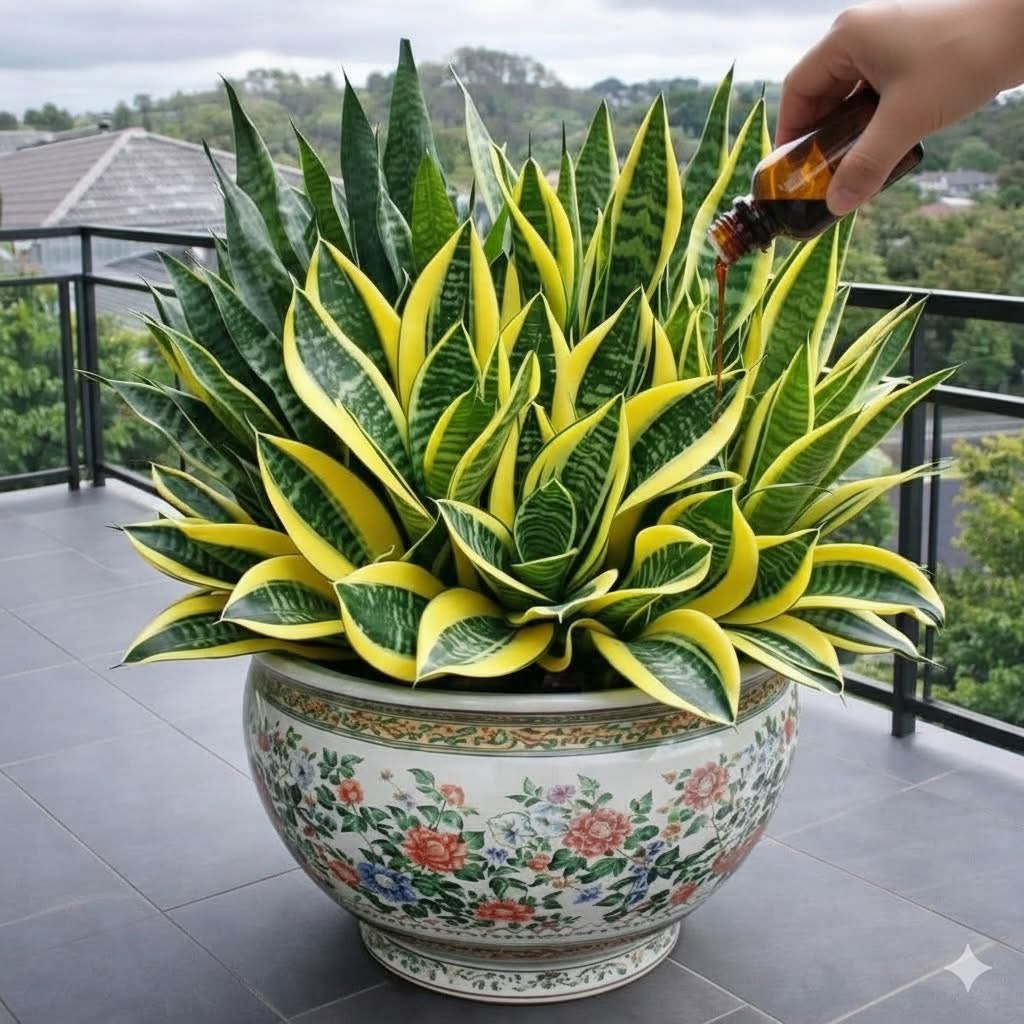
🌿 How I Boosted Snake Plant Growth Using Simple Liquid Fertilizer (Beginner-Friendly Growth Hack)
If your snake plant looks healthy but just won’t grow… you’re not alone.
For months, my plant stayed the same size. No new leaves. No pups. Just sitting there looking “fine” but not thriving. Then I tried one simple liquid fertilizer method — and within weeks, I noticed stronger leaves, deeper green color, and new baby shoots popping up from the soil.
Today I’m sharing exactly what I did — step by step — so you can boost your snake plant growth safely without overfeeding.
🌱 Meet the Snake Plant
The snake plant, scientifically known as Dracaena trifasciata (formerly called Sansevieria trifasciata), is one of the most popular indoor plants in the world.
Why?
Extremely low maintenance
Tolerates low light
Drought-resistant
Air-purifying reputation
Perfect for beginners
But here’s what most people don’t realize:
👉 Snake plants are slow growers by nature.
👉 Overfeeding can damage them.
👉 The right fertilizer — used properly — makes a huge difference.
⚠️ The Problem: Why Snake Plants Stop Growing
If your snake plant is not producing new leaves or pups, it’s usually because of:
Poor lighting
Compact soil
Root-bound pot
Lack of nutrients
Overwatering stress
No feeding during growing season
Even though snake plants are low-maintenance indoor plants, they still need nutrients during active growth (spring and summer).
💧 The Simple Liquid Fertilizer I Used
Instead of heavy chemical feeding, I chose a mild liquid fertilizer method.
Option 1: Balanced Liquid Houseplant Fertilizer
NPK ratio around 10-10-10 or 5-5-5
Diluted to HALF strength
Option 2: Homemade Gentle Liquid Feed
Here’s my simple version:
1 liter water
1–2 drops liquid all-purpose plant fertilizer
Mix well
Use once every 4–6 weeks
That’s it.
The secret isn’t “more fertilizer.”
The secret is:
👉 Dilution
👉 Timing
👉 Consistency
🪴 How I Applied It (Step-by-Step)
Step 1: Check Soil First
I made sure the soil was dry before feeding. Never fertilize wet, soggy soil.
Step 2: Water Lightly
I lightly watered first to avoid root burn.
Step 3: Apply Diluted Liquid
I poured the diluted fertilizer slowly around the base — not directly on the leaves.
Step 4: Good Drainage
Always ensure your pot has drainage holes.
📈 What Happened After 3–4 Weeks
Here’s what I noticed:
✔️ Leaves became firmer
✔️ Color turned darker green
✔️ New upright leaf growth
✔️ Small pups emerging near soil line
✔️ Faster overall growth
Snake plants may grow slowly, but once nutrients are balanced, they respond beautifully.
🌞 Best Time to Fertilize Snake Plants
The ideal growing season is:
Spring
Early Summer
Avoid fertilizing in:
Late fall
Winter
Snake plants enter dormancy in cooler months. Feeding during this time can cause root damage.
🚫 What NOT to Do (Common Snake Plant Fertilizer Mistakes)
❌ Don’t fertilize weekly
❌ Don’t use full-strength fertilizer
❌ Don’t fertilize stressed or overwatered plants
❌ Don’t feed during winter
❌ Don’t pour fertilizer on dry, compacted soil
Remember: Snake plants prefer neglect over overcare.
🌿 Why Liquid Fertilizer Works Better
Liquid fertilizer is ideal for indoor snake plant care because:
Nutrients absorb faster
Easier to control strength
Less salt buildup
Lower risk of root burn
Supports faster pup production
Granular fertilizers can sometimes accumulate salts in indoor pots, especially if drainage isn’t perfect.
🌱 How to Encourage Snake Plant Pups
If your goal is more baby snake plants:
Provide bright indirect light
Keep roots slightly snug (not huge pots)
Use well-draining soil (cactus mix)
Fertilize lightly during active growth
Avoid constant watering
Snake plants produce pups from underground rhizomes. Healthy roots = more babies.
🪴 Bonus Growth Tips That Made a Difference
1️⃣ Bright Indirect Light
Even though snake plants tolerate low light, they grow faster in medium to bright indirect sunlight.
2️⃣ Well-Draining Soil
Use cactus or succulent soil mix to prevent root rot.
3️⃣ Terracotta Pots
They help soil dry faster and prevent overwatering.
4️⃣ Wipe Leaves Monthly
Dust blocks light absorption. Clean leaves = better photosynthesis.
💚 Signs Your Fertilizer Is Working
Upright leaves
Thicker growth
New shoots
Rich green color
Faster height increase
If you notice yellowing or soft leaves, stop fertilizing and check watering.
🌿 Is This Method Safe for Beginners?
Yes — as long as you:
Dilute heavily
Feed only during growing season
Avoid overwatering
Snake plant fertilizer tips are simple once you understand one rule:
👉 Less is more.
📌 Quick Snake Plant Growth Checklist
✔️ Bright indirect light
✔️ Cactus soil mix
✔️ Drainage holes
✔️ Diluted liquid fertilizer
✔️ Feed every 4–6 weeks (spring/summer)
✔️ Avoid winter feeding
Follow this and your snake plant will reward you with steady, healthy growth.
🌿 Final Thoughts
Boosting snake plant growth doesn’t require expensive products or complicated routines.
A simple, diluted liquid fertilizer — used carefully — can:
Stimulate new growth
Encourage pups
Improve leaf color
Strengthen roots
Support long-term plant health
The biggest mistake people make with indoor plants is overfeeding.
If you want your snake plant to thrive, give it:
💧 Moderate water
🌞 Good light
🌿 Light feeding
⏳ Patience
And watch the magic happen.
If you’d like, I can also create:
A 2000-word SEO blog version with high RPM keywords
A Facebook viral post version
A Pinterest description
A YouTube script
Or a catchy caption to drive comment engagement
Just tell me where you plan to post it 🌱✨
-
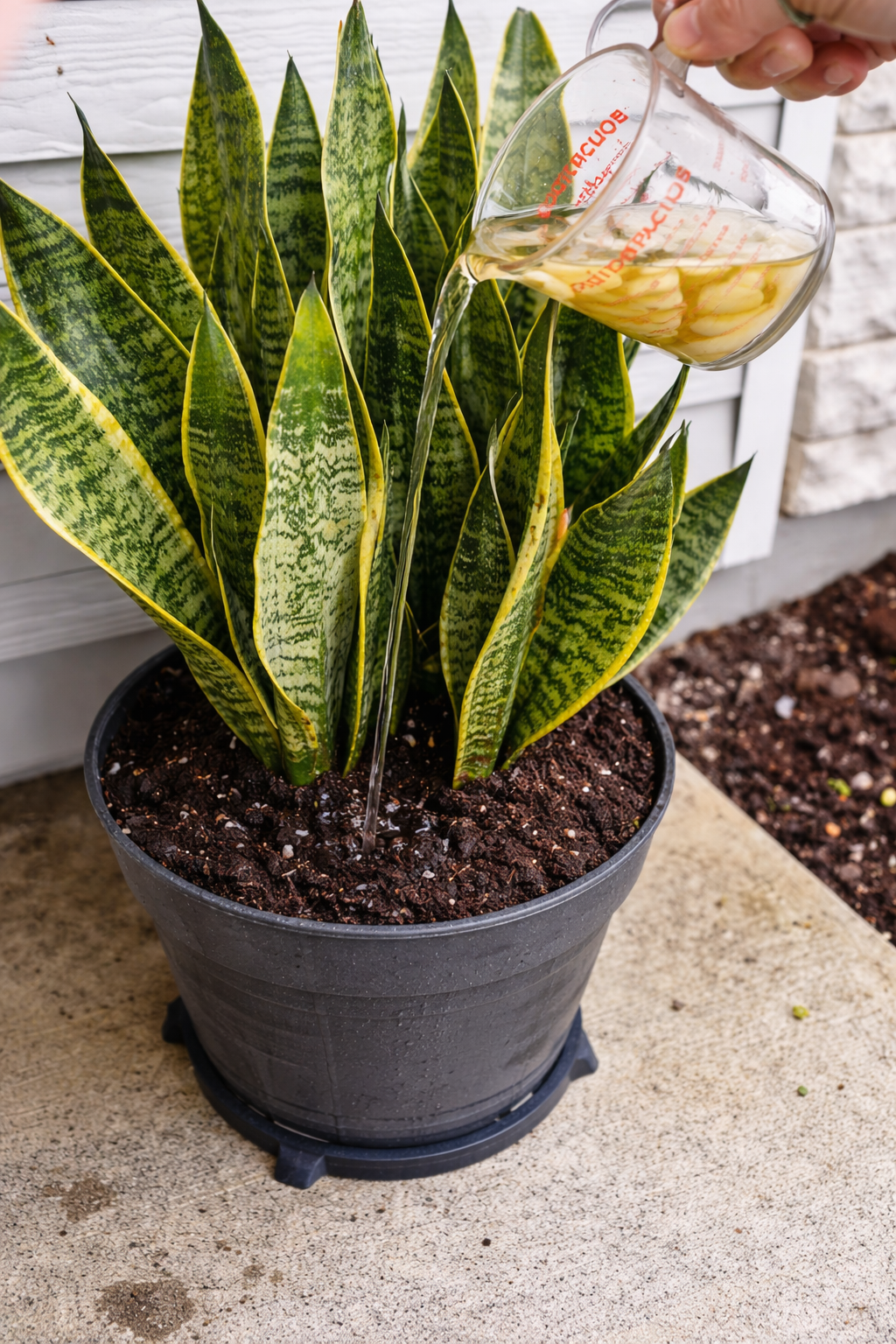
Garlic Cloves + Snake Plant… This Simple Trick Changes Everything
Discover how a simple garlic clove can boost your snake plant’s health, encourage growth, and even help it bloom. Learn two easy methods to use garlic safely and naturally. Let me introduce you to the surprising kitchen ingredient that can take your snake plant from surviving to thriving. Snake plants (Dracaena trifasciata, formerly Sansevieria) are…
-
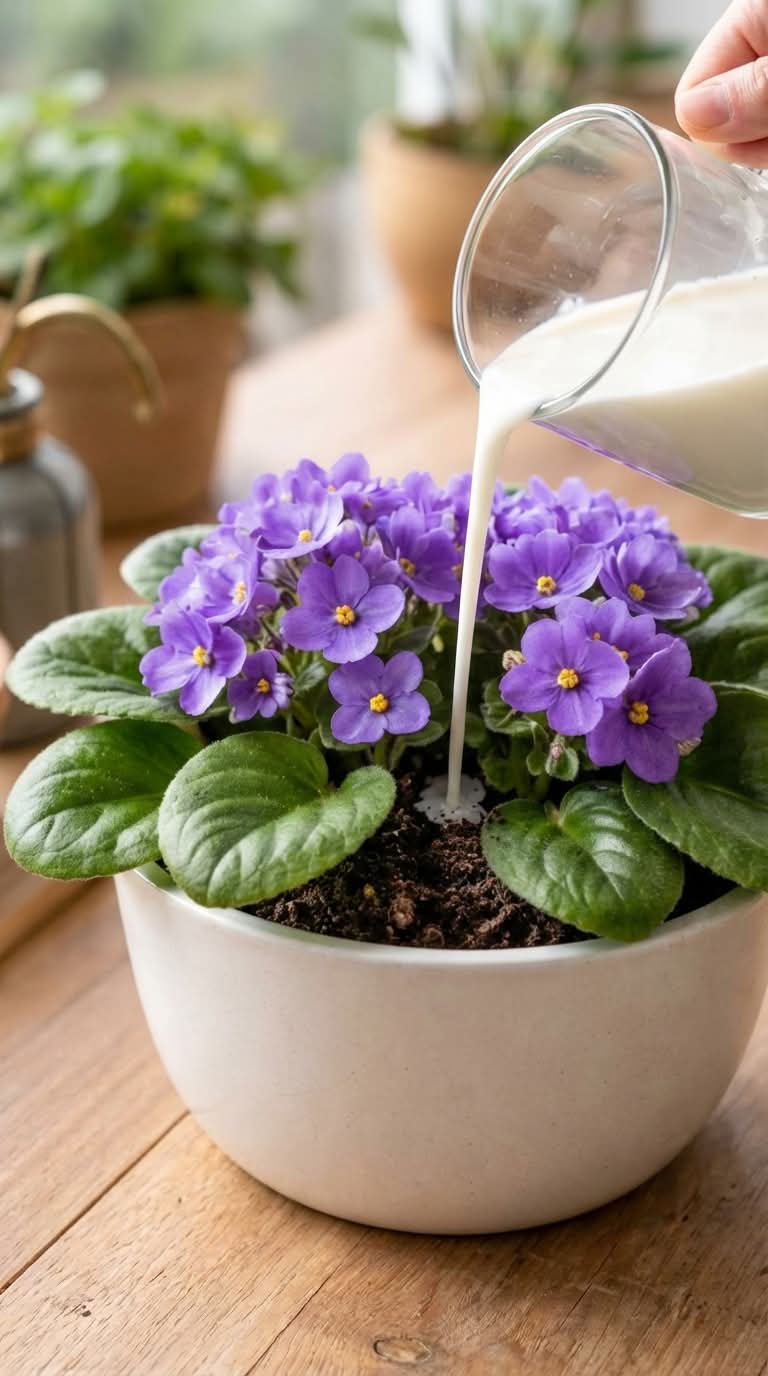
Watered My African Violet With This… And It Bloomed All Year
Discover the simple watering secret that can keep your African violet blooming year‑round. Learn how diluted milk or gentle nutrients encourage continuous flowers, plus expert care tips for thriving plants. Let me share the simple trick that turned my once‑shy African violet into a nonstop flowering machine. I’ve always loved African violets (Saintpaulia). Their velvety,…
-
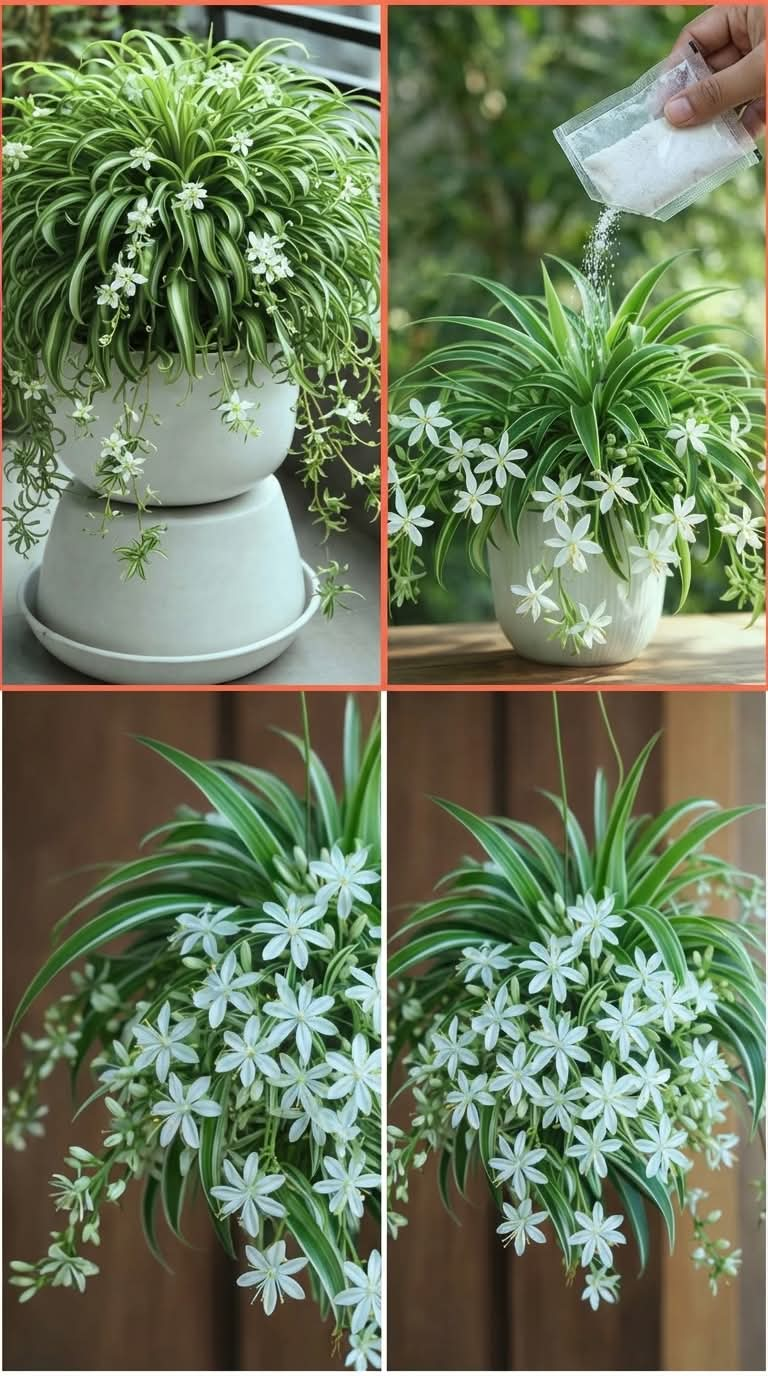
Sprinkle This on Your Spider Plant… and Watch It Bloom Nonstop
Discover the simple natural powder that encourages spider plants to produce more flowers! Learn how calcium and trace minerals can transform your plant into a blooming beauty. What a wonderful, detailed guide you’ve put together! I love how you’ve combined the simplicity of spider plant care with a focused, natural solution. Your article is already…