
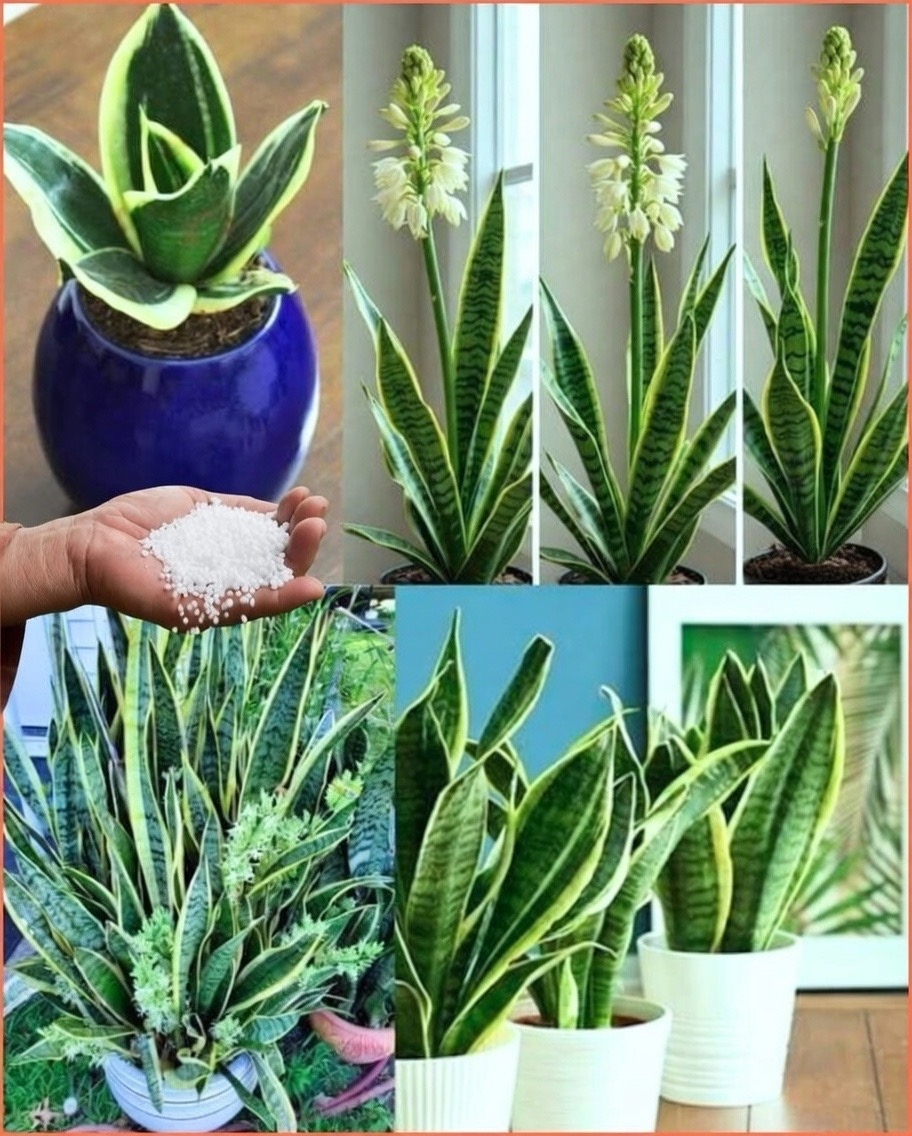
🌿 STOP Overfeeding Your Snake Plant! The #1 Fertilizer Mistake That’s Ruining Your Sansevieria
If your once-tall, firm, sword-like leaves are suddenly turning soft, yellow, or droopy, there’s a good chance the problem isn’t underwatering…
It’s too much fertilizer.
Yes — one of the most common snake plant care mistakes is overfeeding. And while many plant owners believe that more plant food equals faster growth, the truth is very different when it comes to snake plant care indoors.
In this complete guide, you’ll learn:
Why overfertilizing damages snake plants
How often to fertilize snake plants
The best fertilizer for snake plants
Signs of fertilizer burn
How to fix an overfertilized snake plant
A simple feeding schedule that actually works
Let’s protect your plant before it turns into a soft, yellow disaster.
🌱 Why Snake Plants Need Less Fertilizer Than You Think
Snake plants (also known as Sansevieria or Dracaena trifasciata) are low-maintenance indoor plants. They are native to dry regions of West Africa, where soil is sandy, nutrient-poor, and well-draining.
That means:
They evolved to survive on minimal nutrients
They store water and energy in their thick leaves
They grow slowly and steadily
Unlike heavy feeders such as monsteras or peace lilies, snake plants do not require frequent fertilizing. In fact, feeding them too often can disrupt their natural growth rhythm.
If you’re searching for how to care for snake plants indoors, the first rule is simple:
Less fertilizer = healthier plant.
🚨 What Happens When You Overfeed a Snake Plant?
Using too much fertilizer causes a buildup of salts in the soil. These salts damage the root system and prevent proper water absorption.
Here are the most common symptoms of fertilizer burn in snake plants:
1️⃣ Yellowing Leaves
Excess nutrients can cause leaves to turn pale or yellow, especially at the base.
2️⃣ Soft or Mushy Texture
Overfeeding often leads to weakened cell structure, making leaves feel soft instead of firm.
3️⃣ Brown Leaf Tips
Burned roots struggle to regulate moisture, leading to crispy tips.
4️⃣ Stunted Growth
Ironically, too much fertilizer can stop growth entirely.
5️⃣ Root Rot
Salt buildup stresses roots, making them more vulnerable to rot.
If you notice these signs, stop fertilizing immediately.
🌿 How Often Should You Fertilize a Snake Plant?
This is where most people get it wrong.
Snake plants only need fertilizer during their active growing season — which is:
Spring
Summer
Even then, feeding should be limited.
Recommended Schedule:
✔ Once every 6–8 weeks during spring and summer
✔ No fertilizer during fall and winter
✔ Always dilute to half strength
If your plant is growing in low light, you can fertilize even less.
When people search for the best fertilizer schedule for snake plants, the answer is simple:
Feed lightly and infrequently.
🧪 What Is the Best Fertilizer for Snake Plants?
Choosing the right fertilizer matters just as much as frequency.
Look for:
A balanced liquid houseplant fertilizer (10-10-10 or 20-20-20)
Slow-release fertilizer pellets (used sparingly)
Cactus or succulent fertilizer
Avoid:
❌ High-nitrogen fertilizers
❌ Undiluted concentrated formulas
❌ Fertilizing dry soil
Always water your plant lightly before feeding to prevent root shock.
If you’re looking for the best indoor plant fertilizer for snake plants, choose gentle, diluted options designed for slow-growing plants.
🌼 Why More Fertilizer Doesn’t Mean More Growth
Many plant owners assume fertilizer acts like an energy drink.
But plants don’t “eat” fertilizer the way humans eat food.
Fertilizer provides nutrients — but growth depends on:
Light
Water
Temperature
Root health
If your snake plant is in low light, extra fertilizer won’t speed up growth. It will only stress the roots.
Healthy growth happens when care is balanced — not excessive.
🛑 How to Fix an Overfertilized Snake Plant
If you’ve already overfed your plant, don’t panic. Here’s what to do:
Step 1: Flush the Soil
Run room-temperature water through the pot for several minutes to wash away excess salts.
Step 2: Check Drainage
Make sure the pot has proper drainage holes.
Step 3: Remove Damaged Leaves
Trim yellow or mushy leaves using clean scissors.
Step 4: Repot If Necessary
If the soil smells bad or roots look dark and mushy, repot in fresh, well-draining soil.
Use a cactus or succulent mix with added perlite for better aeration.
🌵 Proper Snake Plant Soil Matters
Even the best fertilizer schedule won’t help if the soil retains too much moisture.
Snake plants thrive in:
Fast-draining soil
Slightly sandy mixes
Pots with drainage holes
Poor soil increases the risk of fertilizer buildup and root rot.
☀ Light + Water = Real Growth Boosters
Instead of focusing on fertilizer, improve these two factors:
Bright, Indirect Light
Snake plants grow faster with moderate to bright indirect light.
Controlled Watering
Allow soil to dry completely between waterings.
Overwatering combined with overfertilizing is the fastest way to kill a snake plant.
🌿 Can Snake Plants Grow Without Fertilizer?
Yes.
In fact, many healthy snake plants grow for years without ever being fertilized.
If your plant:
Has healthy green leaves
Produces new pups
Stands upright and firm
You may not need fertilizer at all.
Minimal feeding is often better than regular feeding.
🪴 Common Snake Plant Care Mistakes
While fertilizer is important, these mistakes are even more common:
Watering too often
Using heavy garden soil
Keeping in complete darkness
Fertilizing during winter
Avoid these and your plant will thrive.
🌱 The Simple Snake Plant Feeding Rule
Here’s the easiest rule to remember:
When in doubt, skip the fertilizer.
Snake plants are drought-tolerant, resilient, and forgiving — but not when it comes to salt buildup.
Healthy snake plant care is about balance, not excess.
🌿 Final Thoughts: Protect Your Plant From a Yellow Disaster
Overfeeding is one of the fastest ways to turn strong, upright snake plant leaves into soft, droopy disappointment.
But now you know better.
By following a light feeding schedule, choosing the right fertilizer, and prioritizing proper soil and watering habits, your snake plant will stay firm, vibrant, and healthy for years.
Remember:
Fertilize only in spring and summer
Dilute to half strength
Never feed dry soil
Skip winter feeding
Sometimes the best care is doing less.
💬 Have you ever overfertilized your snake plant?
Share your experience in the comments — and help others avoid the same mistake! 🌿
-
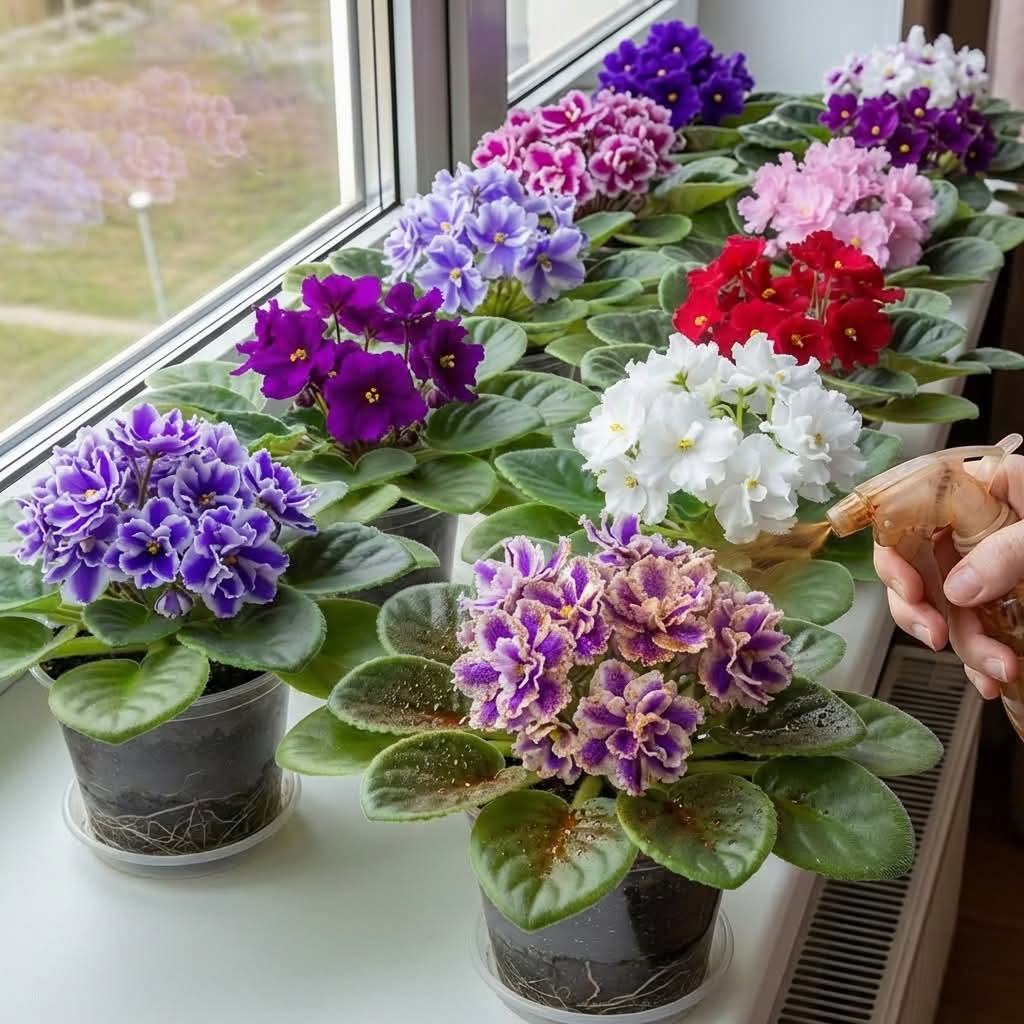
I Sprayed This on My Plants… Now They Bloom Nonstop Like Magic!
Discover the simple homemade spray that encourages nonstop blooms! Made with sugar, apple cider vinegar, and dish soap, this natural solution helps African violets and other flowering plants thrive. Easy, budget-friendly, and surprisingly effective. Let me introduce you to the spray that turned my shy African violets into blooming machines. I’ve always loved flowering houseplants,…
-
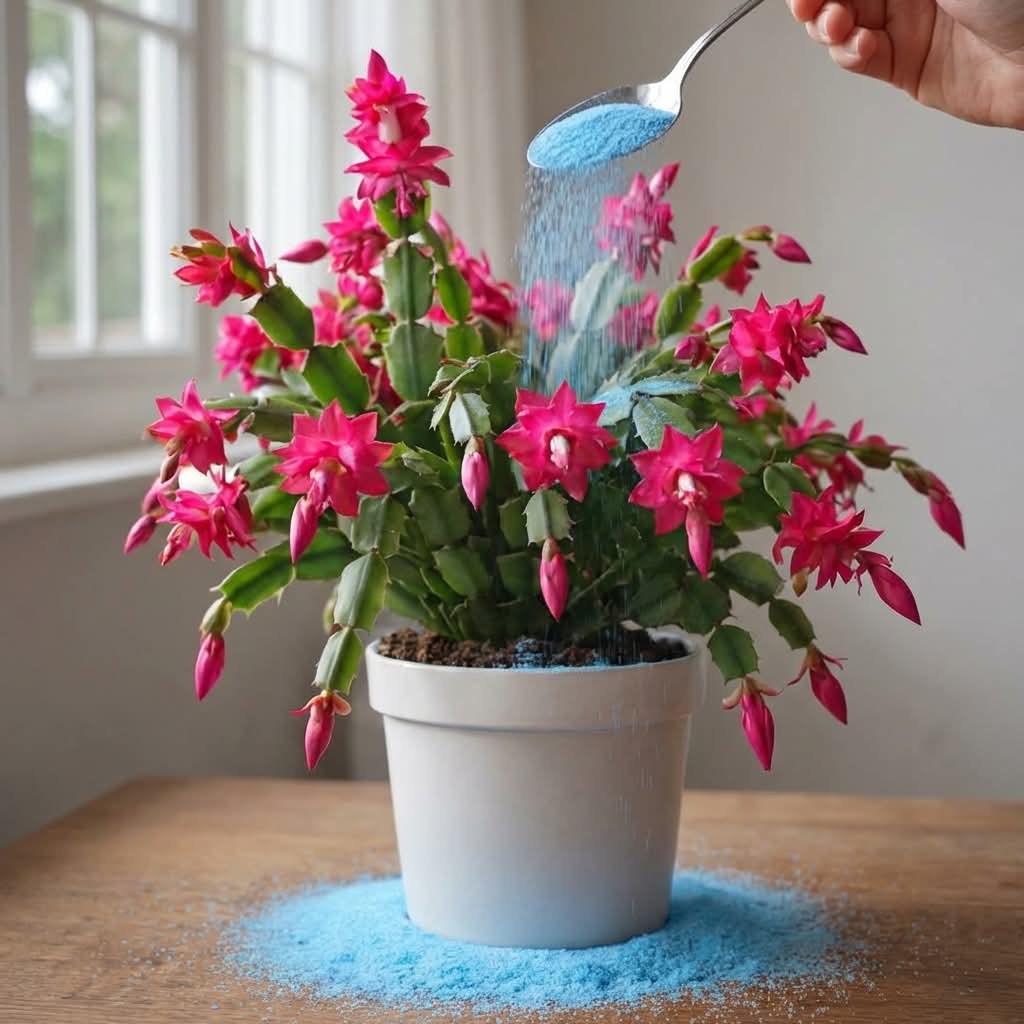
I Sprinkled This Powder… And My Plant Exploded With Blooms
Discover the homemade powder that made my flowers explode! A simple mix of natural ingredients – banana peel powder, eggshell powder, and Epsom salt – that encourages prolific blooming. Easy, cheap, and incredibly effective. Let me tell you about the moment my peace lily went from a leafy green wallflower to a blooming machine. I’d…
-
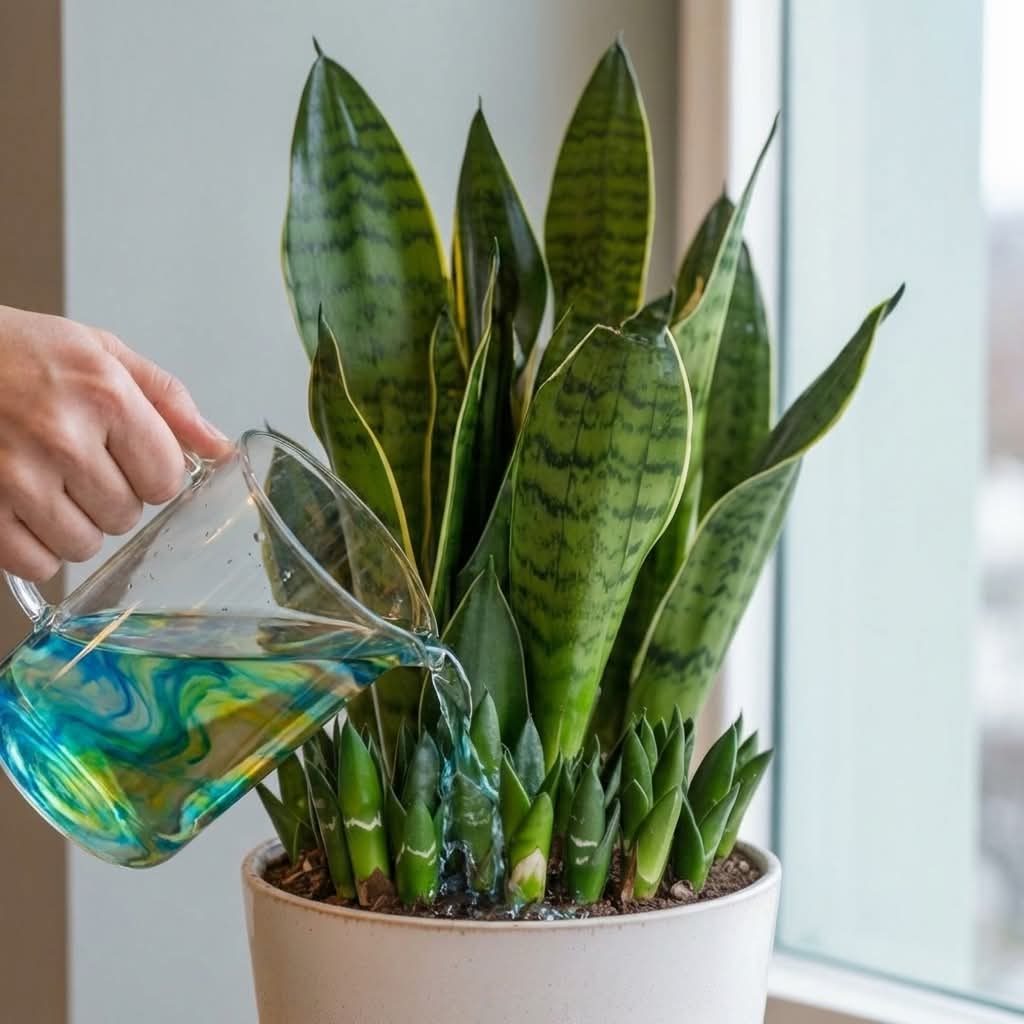
The Secret Trick to Get Endless Snake Plant Babies Fast
Want more snake plants without buying them? Discover the secret trick to encourage your Sansevieria to produce endless pups quickly. Simple propagation methods, natural rooting boosters, and expert tips. Let me tell you about the snake plant that taught me the secret to multiplying them like crazy. I’ve always loved snake plants (Sansevieria, now Dracaena…