

here’s a useful, practical guide you can use right away. Below are five foods known for strong, natural laxative effects, how and why they work, how to use them safely for fast relief, plus precautions and tips so you don’t overdo it.
1. Prunes (dried plums)
Why they work: Prunes are the classic natural laxative. They contain sorbitol (a sugar alcohol that pulls water into the intestines) and plenty of insoluble and soluble fiber, plus compounds that stimulate gut motility.
How to use: Eat 4–6 prunes (about 30–50 g) and drink a full glass of water. Many people see results within 6–12 hours — sometimes sooner. You can also soak prunes in hot water and drink the prune “tea” for faster action.
Notes: Sorbitol can cause gas and cramping in sensitive people, so start with a small portion.
2. Flaxseeds (ground)
Why they work: Flaxseeds are high in soluble fiber and mucilage — when mixed with liquid they form a gel that softens stool and helps move it along. They also add bulk for more regular bowel movements.
How to use: Grind whole flaxseeds (whole seeds pass through undigested). Mix 1–2 tablespoons of ground flaxseed in a glass of water, yogurt, or smoothie first thing in the morning. Follow with a full glass of water. Effects often start within 12–24 hours, sometimes sooner.
Notes: Increase intake slowly and always consume with plenty of water to avoid intestinal blockage. If you have diverticulitis or certain GI conditions, check with your clinician.
3. Kiwi (particularly green/orchard kiwifruit)
Why they work: Kiwi is rich in fiber (both soluble and insoluble), contains actinidin (an enzyme that may help digestion), and has a high water content. Several small studies show kiwifruit can speed transit time and soften stool.
How to use: Eat 1–2 kiwis (peeled or unpeeled if tolerated) on an empty stomach in the morning or as a snack. Many people notice improvement in 24 hours or earlier.
Notes: Kiwifruit is gentle compared with stimulant agents and is a good daily option for mild constipation.
4. Pears (and apples) — especially with skin
Why they work: Like prunes, pears contain sorbitol naturally (especially Bartlett pears) and plenty of fiber, particularly in the skin. The combination of sorbitol + fiber draws water into the bowel and increases stool bulk.
How to use: Eat one medium pear (with skin) and drink water. Pear juice also works for some people — about 4–6 ounces can be effective quickly because the sugar alcohols are more concentrated and liquid moves through the gut faster.
Notes: Fruit juices can cause loose stools in sensitive people; start with small amounts.
5. Beans, Lentils & Other Pulses
Why they work: Legumes are high in insoluble fiber and resistant starch that add bulk and stimulate peristalsis. They also nourish the gut microbiome, which helps bowel regularity over time.
How to use: Include a moderate serving (½–1 cup) of cooked beans or lentils in a meal. Results are more gradual (24–48 hours), but they’re powerful for improving chronic constipation when eaten regularly.
Notes: Beans can cause gas — if that’s a problem, introduce them slowly and soak/digest properly.
Quick-combo for faster relief
If you need relatively quick natural relief (same day to next day), try a small combo:
4–6 prunes + 1 cup warm water in the morning, and/or
1–2 tablespoons ground flaxseed in a smoothie + extra water.
Add a warm beverage (hot water, herbal tea, or coffee) and go for a short brisk walk — both help stimulate the gut.
Safety, Dosage & Important Precautions
Hydrate. All fiber-based laxatives need water to work. Drink a full glass of water with the food.
Start low and go slow. If you’re not used to high fiber, increase gradually to avoid gas, bloating, or cramps.
Don’t rely long-term on stimulant laxatives. Natural foods are safe for regular use, but if you require frequent laxatives (even natural ones) there may be an underlying issue.
Check medical conditions & meds. If you have inflammatory bowel disease, bowel obstruction, recent surgery, or take certain medications (like opioids or some antacids), talk to a doctor first. Some diabetes or kidney conditions require special dietary care.
Pregnancy & breastfeeding. Most of these foods are safe, but consult your health provider if you have concerns.
When to seek care. Severe pain, fever, blood in stool, vomiting, or no bowel movement for several days despite measures — seek medical attention.
Lifestyle tips to prevent constipation
Drink plenty of water daily (aim for at least 8 cups unless contraindicated).
Move regularly — walking or light exercise stimulates bowel motility.
Eat a variety of high-fiber foods (whole grains, fruits, vegetables, legumes, seeds).
Try to establish a regular bathroom routine, preferably after a meal when the gastrocolic reflex is strongest.
Limit constipating foods when symptomatic: large amounts of cheese, excessive red meat, and too many refined carbs can contribute.
Final thoughts
Natural foods like prunes, flaxseeds, kiwi, pears, and legumes are effective, safe first-line options to stimulate the intestines and relieve constipation for many people. They work by providing a mix of fiber, water, fermentable carbohydrates (like sorbitol), and gut-stimulating compounds. Use them thoughtfully, increase fiber gradually, and combine with good hydration and movement.
More Recipes You Might Like
-
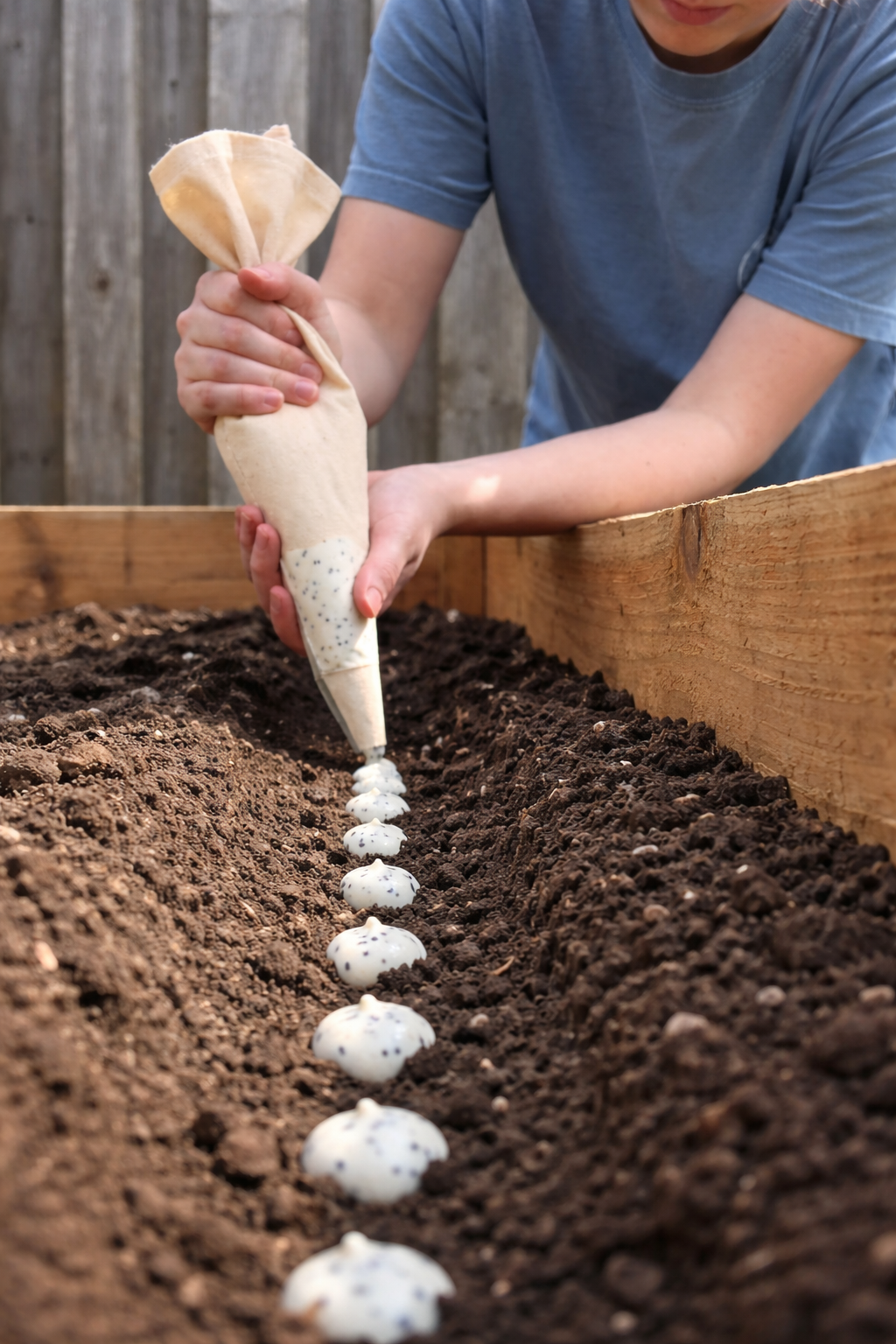
The Easy Garden Hack That Guarantees Straight, Healthy Carrots
Say goodbye to crooked, stunted carrots! Discover the simple seed paste hack that ensures perfect spacing and straight roots. This easy planting technique will transform your carrot harvest. Let me tell you about the gardening trick that turned my carrot patch from a tangle of twisted roots into a picture-perfect harvest. I love growing carrots.…
-
Grow 3X More Sweet Potatoes at Home with This Simple Soil Bag Trick
Want to grow 3 times more sweet potatoes in a small space? This clever soil bag trick is a game-changer. Learn how to plant sweet potatoes in bags for a massive harvest—perfect for small gardens and patios. Let me tell you about the gardening trick that turned my tiny patio into a sweet potato factory.…
-
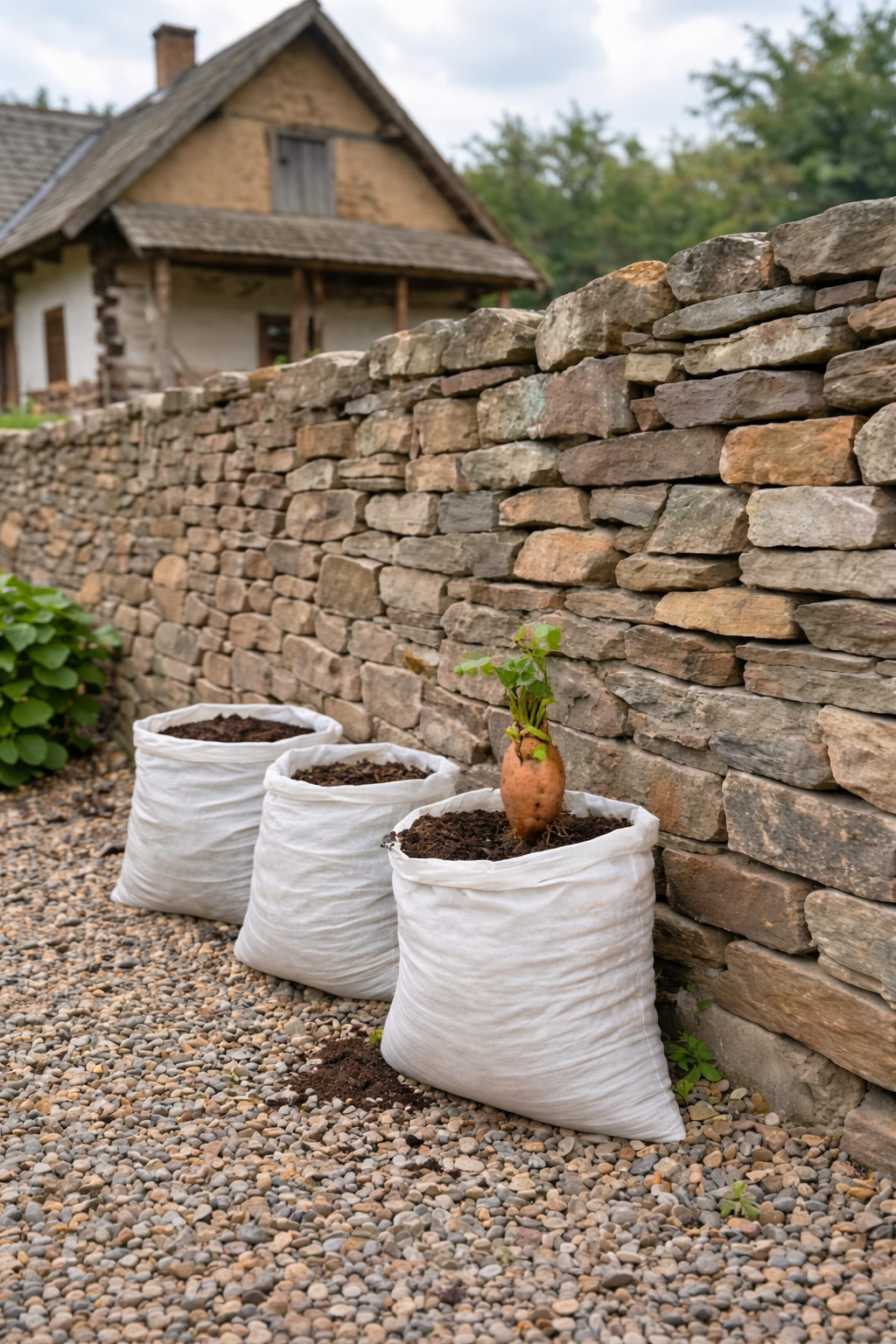
Grow 3X More Sweet Potatoes at Home with This Simple Soil Bag Trick
Want to grow 3 times more sweet potatoes in a small space? This clever soil bag trick is a game-changer. Learn how to plant sweet potatoes in bags for a massive harvest—perfect for small gardens and patios. Let me tell you about the gardening trick that turned my tiny patio into a sweet potato factory.…