

We all want to put healthy, delicious meals on the table for our families. But did you know that the way you cook food can directly affect the number of harmful substances – like carcinogens – that end up in each bite? Even meals that start out with wholesome, fresh ingredients can turn into a hidden health risk if they’re prepared using poor cooking practices.
Carcinogens are substances that can increase the risk of cancer when consumed in high amounts over time. While it’s impossible to avoid them completely, the good news is that small changes in cooking habits can dramatically reduce exposure. Unfortunately, many of us unknowingly follow kitchen habits that actually double the amount of these harmful compounds on our family’s plates.
In this article, we’ll explore 8 common cooking habits that could be increasing carcinogen levels in your meals – and more importantly, we’ll show you how to fix them so you can cook smarter, safer, and healthier.
1. Cooking Meat at Extremely High Temperatures
When you grill, fry, or broil meat over very high heat, the proteins and sugars in the food undergo a chemical reaction that forms heterocyclic amines (HCAs) and polycyclic aromatic hydrocarbons (PAHs) – both of which are linked to cancer risk.
Why it’s harmful: The charred, crispy edges of your steak, chicken, or fish might taste delicious, but they contain the highest concentration of these compounds.
Better habit:
Use moderate heat and cook meat more slowly.
Marinate meats before cooking – studies show that marinades with lemon juice, vinegar, herbs, or spices can reduce HCAs by up to 90%.
Trim away charred portions before serving.
2. Reusing Cooking Oil
Deep frying or pan-frying with oil that’s been used multiple times may save money, but it comes at a health cost. Each time oil is reheated, its chemical structure breaks down, releasing aldehydes and other harmful compounds.
Why it’s harmful: Aldehydes and oxidized fats are linked to inflammation, heart disease, and higher cancer risks.
Better habit:
Never reuse oil more than once.
Opt for oils with high smoke points (like avocado oil, refined coconut oil, or grapeseed oil).
Discard used oil responsibly and avoid heating it past its smoking point.
3. Storing Leftovers Improperly
That big pot of stew or rice might be convenient for leftovers, but leaving it out at room temperature too long can encourage bacterial growth. Some bacteria, when reheated, release toxins that increase oxidative stress in the body.
Why it’s harmful: Foodborne toxins and improper storage increase the risk of not just stomach upset, but long-term exposure to harmful compounds that stress the body.
Better habit:
Cool leftovers quickly by dividing them into shallow containers.
Refrigerate within 2 hours of cooking.
Reheat food only once and always to 165°F (74°C).
4. Overcooking Vegetables
Boiling or frying vegetables until they’re mushy not only destroys their nutrients but also encourages the breakdown of natural sugars, producing advanced glycation end products (AGEs), which contribute to inflammation and cell damage.
Why it’s harmful: AGEs are associated with accelerated aging, diabetes complications, and increased cancer risk.
Better habit:
Steam vegetables lightly or stir-fry quickly to retain nutrients.
Roast veggies at moderate temperatures with olive oil and herbs.
Leave some crunch – texture means more vitamins and fewer harmful by-products.
5. Eating Too Many Smoked or Processed Meats
Bacon, sausages, hot dogs, ham, and smoked fish often contain nitrites and nitrates, which, when cooked, can convert into nitrosamines – powerful carcinogens.
Why it’s harmful: Frequent consumption of processed meats has been directly linked to colorectal cancer by the World Health Organization.
Better habit:
Limit processed meat intake to occasional treats instead of daily staples.
Choose nitrate-free options when available.
Pair processed meats with antioxidant-rich foods like salad or citrus, which may reduce nitrosamine formation.
6. Burning Toast and Bread
That blackened toast you scrape with a knife before spreading butter? It contains acrylamide, a chemical formed when starchy foods (like bread and potatoes) are cooked at high temperatures.
Why it’s harmful: Acrylamide is classified as a “probable human carcinogen.” Consuming it regularly may increase cancer risk.
Better habit:
Toast bread to a golden yellow, not dark brown.
Roast potatoes and sweet potatoes lightly instead of charring them.
Avoid eating heavily burnt baked goods.
7. Using Aluminum Foil at High Heat
Cooking with aluminum foil in ovens or on grills, especially with acidic foods like tomatoes or citrus, can cause small amounts of aluminum to leach into food. Long-term exposure may contribute to oxidative stress and has been linked to health risks.
Why it’s harmful: While research is ongoing, excess aluminum intake is suspected of playing a role in cancer development and neurological diseases.
Better habit:
Use parchment paper instead of foil when baking.
If using foil, avoid acidic marinades and don’t use it at very high temperatures.
Opt for stainless steel or ceramic cookware for high-heat cooking.
8. Microwaving in Plastic Containers
Heating food in certain plastic containers releases phthalates and bisphenol-A (BPA) into your meal. Both are endocrine disruptors and linked to higher cancer risks.
Why it’s harmful: Repeated exposure to BPA and similar compounds interferes with hormones and may contribute to breast and prostate cancers.
Better habit:
Only use microwave-safe glass or ceramic containers.
Never microwave plastic wrap directly touching food.
Transfer takeout meals from plastic containers before reheating.
🌿 Final Thoughts: Small Changes, Big Health Benefits
The way we cook shapes more than just the taste of our meals – it influences long-term health in powerful ways. By adjusting just a few habits – lowering cooking temperatures, avoiding reused oils, choosing better storage methods, and ditching plastics – we can cut carcinogen exposure in half without sacrificing flavor.
Remember, it’s not about perfection or never enjoying grilled steak again. It’s about balance and smarter choices. Think of these changes as an investment in your family’s health. Over time, they add up to fewer harmful compounds in your food and a stronger, healthier body.
So next time you’re in the kitchen, ask yourself: Is the way I’m cooking nourishing my family – or sneaking in hidden risks? With the right habits, you can serve meals that are not only delicious but also safer and healthier.
More Recipes You Might Like
-
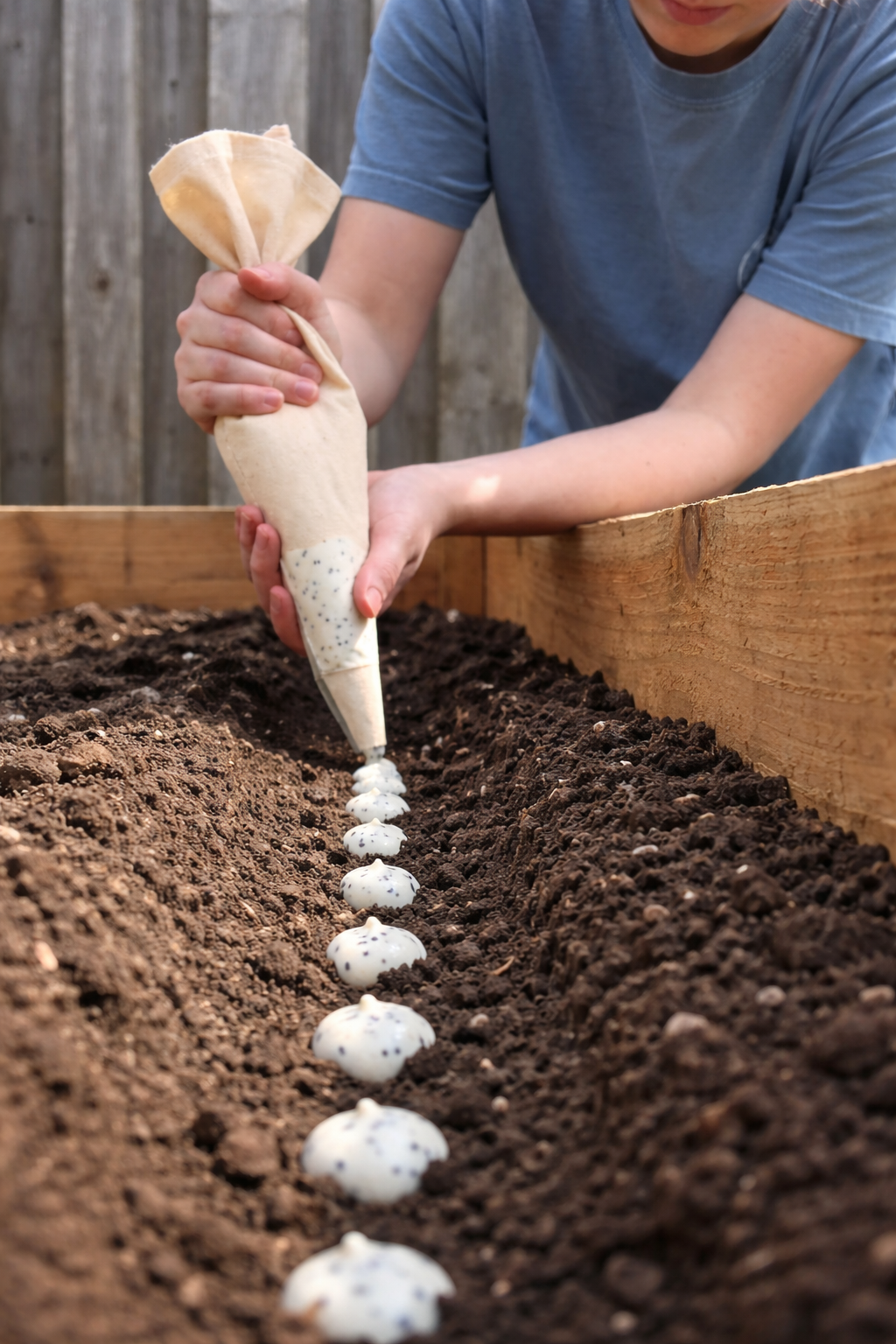
The Easy Garden Hack That Guarantees Straight, Healthy Carrots
Say goodbye to crooked, stunted carrots! Discover the simple seed paste hack that ensures perfect spacing and straight roots. This easy planting technique will transform your carrot harvest. Let me tell you about the gardening trick that turned my carrot patch from a tangle of twisted roots into a picture-perfect harvest. I love growing carrots.…
-
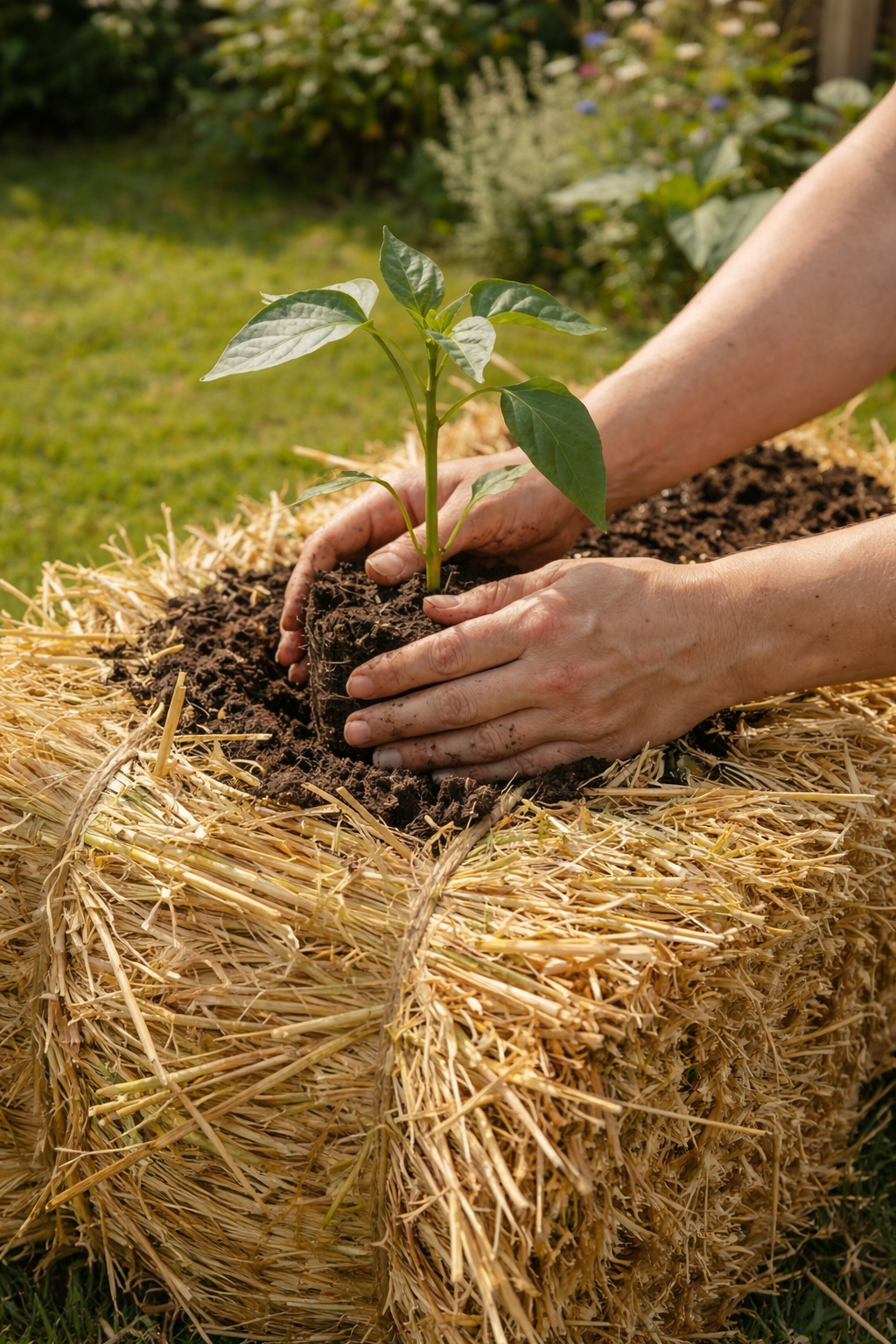
Grow 3X More Sweet Potatoes at Home with This Simple Soil Bag Trick
Want to grow 3 times more sweet potatoes in a small space? This clever soil bag trick is a game-changer. Learn how to plant sweet potatoes in bags for a massive harvest—perfect for small gardens and patios. Let me tell you about the gardening trick that turned my tiny patio into a sweet potato factory.…
-

Grow 3X More Sweet Potatoes at Home with This Simple Soil Bag Trick
Want to grow 3 times more sweet potatoes in a small space? This clever soil bag trick is a game-changer. Learn how to plant sweet potatoes in bags for a massive harvest—perfect for small gardens and patios. Let me tell you about the gardening trick that turned my tiny patio into a sweet potato factory.…