Ingeredients:
4 to 5 pounds beef brisket, cut into 3 or 4 pieces
1 tablespoon dried red chile flakes, preferably Korean gochugaru
1 tablespoon sweet paprika
2 1/2 teaspoons kosher salt, plus more to taste
1/2 teaspoon freshly ground black pepper
1 to 3 tablespoons peanut or safflower oil, as needed
1 large onion, diced
4 garlic cloves, minced
1 tablespoon grated peeled fresh ginger
1 cup lager-style beer
1/4 cup gochujang (Korean chile paste) or Sriracha
2 tablespoons ketchup
2 tablespoons soy sauce
2 tablespoons light or dark brown sugar
2 teaspoons Asian fish sauce
1 teaspoon toasted sesame oil
5 cups shredded cabbage (from 1 small cabbage)
1/4 cup chopped kimchi, plus more to taste
2 tablespoons peanut, grapeseed, or olive oil
1 teaspoon toasted sesame oil
Juice of 1/2 lime, plus more to taste
1/2 teaspoon fine sea salt
plus more to taste
Instructions:
Rub the beef with the chile flakes, paprika, salt, and pepper. Cover and refrigerate for 1 hour and up to 24 hours.
Set the electric pressure cooker to sauté (or use a large skillet). Add a tablespoon of the oil, let it heat up for a few seconds, and then add a batch of the beef and sear until it’s browned all over, about 2 minutes per side, adding more oil as needed. Transfer the beef to a plate and repeat with the remaining batches.
If the pot looks dry, add a bit more oil. Add the onion and sauté until golden, 3 to 5 minutes. Add the garlic and ginger and sauté for 1 minute longer. Add the beer, gochujang, ketchup, soy sauce, brown sugar, fish sauce, and sesame oil. Scrape the mixture into the pressure cooker if you have used a skillet.
Cover and cook on high pressure for 90 minutes. Let the pressure release naturally for 20 minutes, and then release the remaining pressure manually.
To make the kimchi coleslaw, combine the cabbage, kimchi, both oils, lime juice, and salt in a large bowl and toss well. Taste, and add more salt or lime juice if needed.
Transfer the beef to a plate or a rimmed cutting board and tent with foil to keep warm. Set the pressure cooker to sauté and simmer the sauce for 15 to 20 minutes, until it is reduced by half or two-thirds (remember that it thickens as it cools). Use a fat separator to skim off the fat, or let the sauce settle and spoon the fat off the top. Serve the sauce alongside the beef, with the kimchi coleslaw.
Cut the beef into 6 to 8 pieces instead of 3 or 4 pieces. Marinate and brown as in steps 1 and 2. Place the meat in the pot and cover with the sautéed onion mixture from step 3. Cook on high for 7 to 9 hours or low for 10 to 12 hours.
Recipe Card
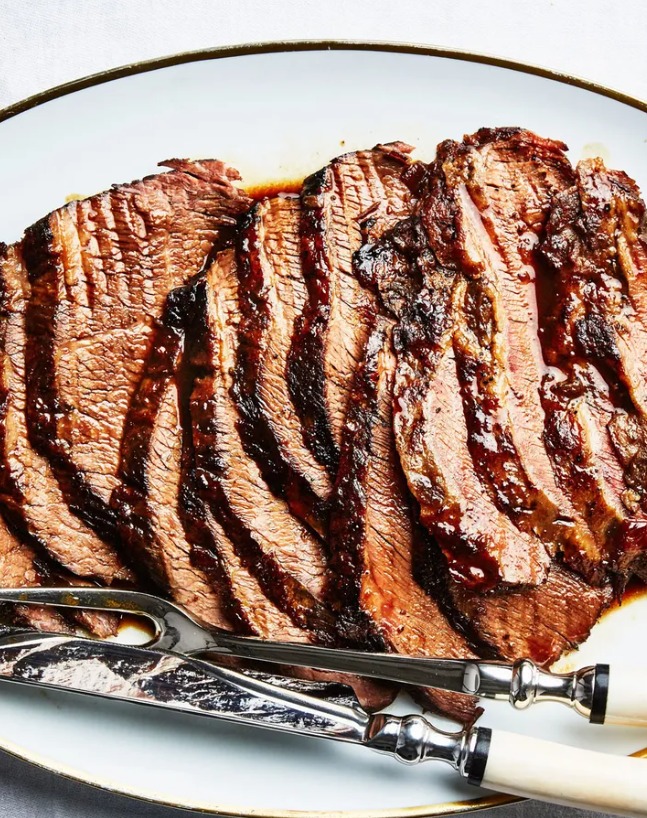
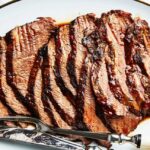
Instant-Pot Korean Chile-Braised Brisket and Kimchi Coleslaw
- 4 to 5 pounds beef brisket (cut into 3 or 4 pieces)
- 1 tablespoon dried red chile flakes (preferably Korean gochugaru)
- 1 tablespoon sweet paprika
- 2 1/2 teaspoons kosher salt (plus more to taste)
- 1/2 teaspoon freshly ground black pepper
- 1 to 3 tablespoons peanut or safflower oil (as needed)
- 1 large onion (diced)
- 4 garlic cloves (minced)
- 1 tablespoon grated peeled fresh ginger
- 1 cup lager-style beer
- 1/4 cup gochujang (Korean chile paste or Sriracha)
- 2 tablespoons ketchup
- 2 tablespoons soy sauce
- 2 tablespoons light or dark brown sugar
- 2 teaspoons Asian fish sauce
- 1 teaspoon toasted sesame oil
- 5 cups shredded cabbage (from 1 small cabbage)
- 1/4 cup chopped kimchi (plus more to taste)
- 2 tablespoons peanut (grapeseed, or olive oil)
- 1 teaspoon toasted sesame oil
- Juice of 1/2 lime (plus more to taste)
- 1/2 teaspoon fine sea salt
- plus more to taste
- Rub the beef with the chile flakes, paprika, salt, and pepper. Cover and refrigerate for 1 hour and up to 24 hours.
- Set the electric pressure cooker to sauté (or use a large skillet). Add a tablespoon of the oil, let it heat up for a few seconds, and then add a batch of the beef and sear until it’s browned all over, about 2 minutes per side, adding more oil as needed. Transfer the beef to a plate and repeat with the remaining batches.
- If the pot looks dry, add a bit more oil. Add the onion and sauté until golden, 3 to 5 minutes. Add the garlic and ginger and sauté for 1 minute longer. Add the beer, gochujang, ketchup, soy sauce, brown sugar, fish sauce, and sesame oil. Scrape the mixture into the pressure cooker if you have used a skillet.
- Cover and cook on high pressure for 90 minutes. Let the pressure release naturally for 20 minutes, and then release the remaining pressure manually.
- To make the kimchi coleslaw, combine the cabbage, kimchi, both oils, lime juice, and salt in a large bowl and toss well. Taste, and add more salt or lime juice if needed.
- Transfer the beef to a plate or a rimmed cutting board and tent with foil to keep warm. Set the pressure cooker to sauté and simmer the sauce for 15 to 20 minutes, until it is reduced by half or two-thirds (remember that it thickens as it cools). Use a fat separator to skim off the fat, or let the sauce settle and spoon the fat off the top. Serve the sauce alongside the beef, with the kimchi coleslaw.
- Cut the beef into 6 to 8 pieces instead of 3 or 4 pieces. Marinate and brown as in steps 1 and 2. Place the meat in the pot and cover with the sautéed onion mixture from step 3. Cook on high for 7 to 9 hours or low for 10 to 12 hours.
-
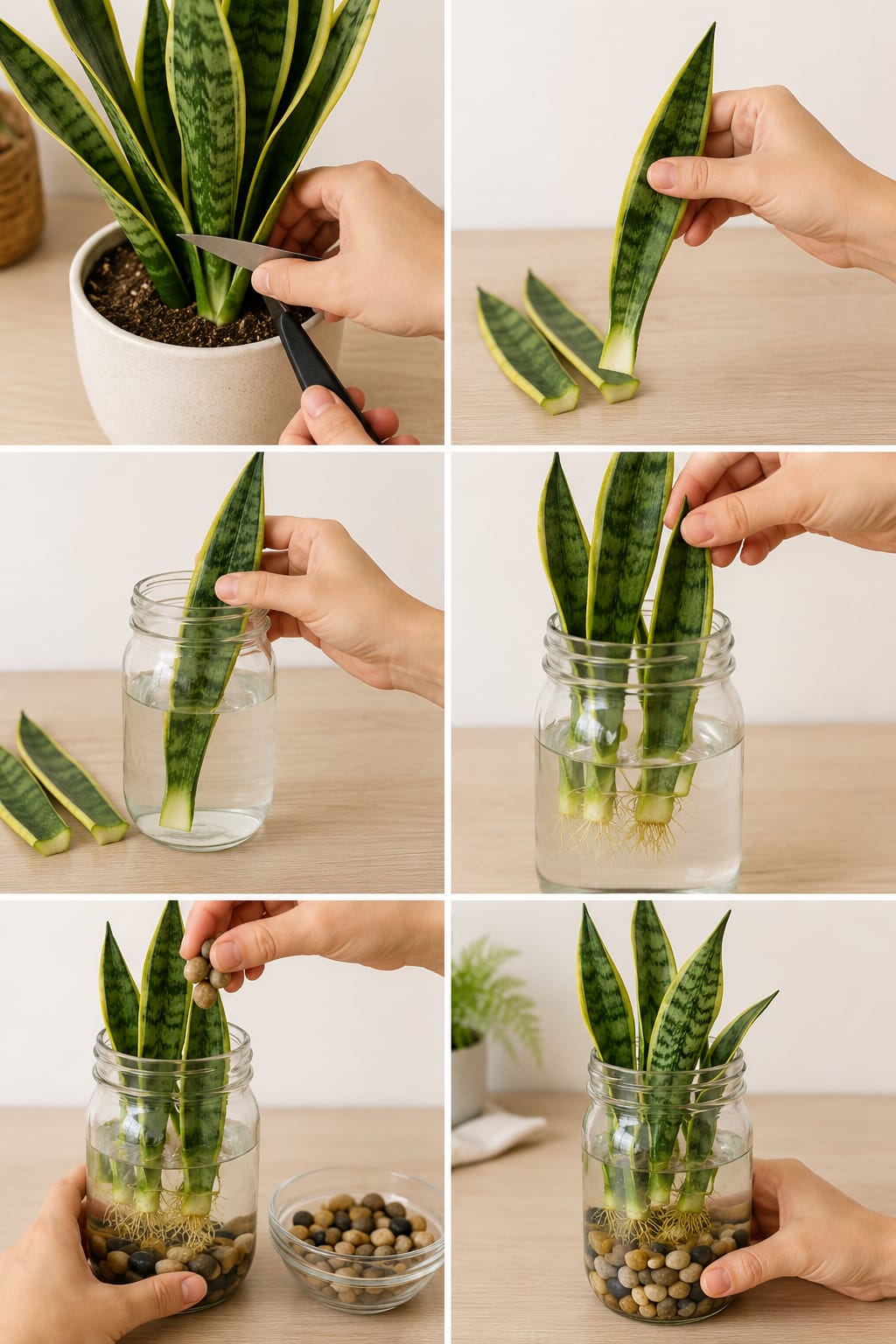
How to Grow Snake Plant Cuttings in Water: A Complete Guide for Strong Roots, Healthy Leaves, Clean Jar Displays, and Easy Indoor Propagation

Snake plants are some of the easiest, strongest, and most stylish houseplants you can grow indoors. Their tall sword-shaped leaves, bold green patterns, yellow edges, and modern upright shape make them perfect for living rooms, bedrooms, offices, shelves, windowsills, and plant corners. They are famous for being low-maintenance, drought-tolerant, and beginner-friendly. The image shows a…
-
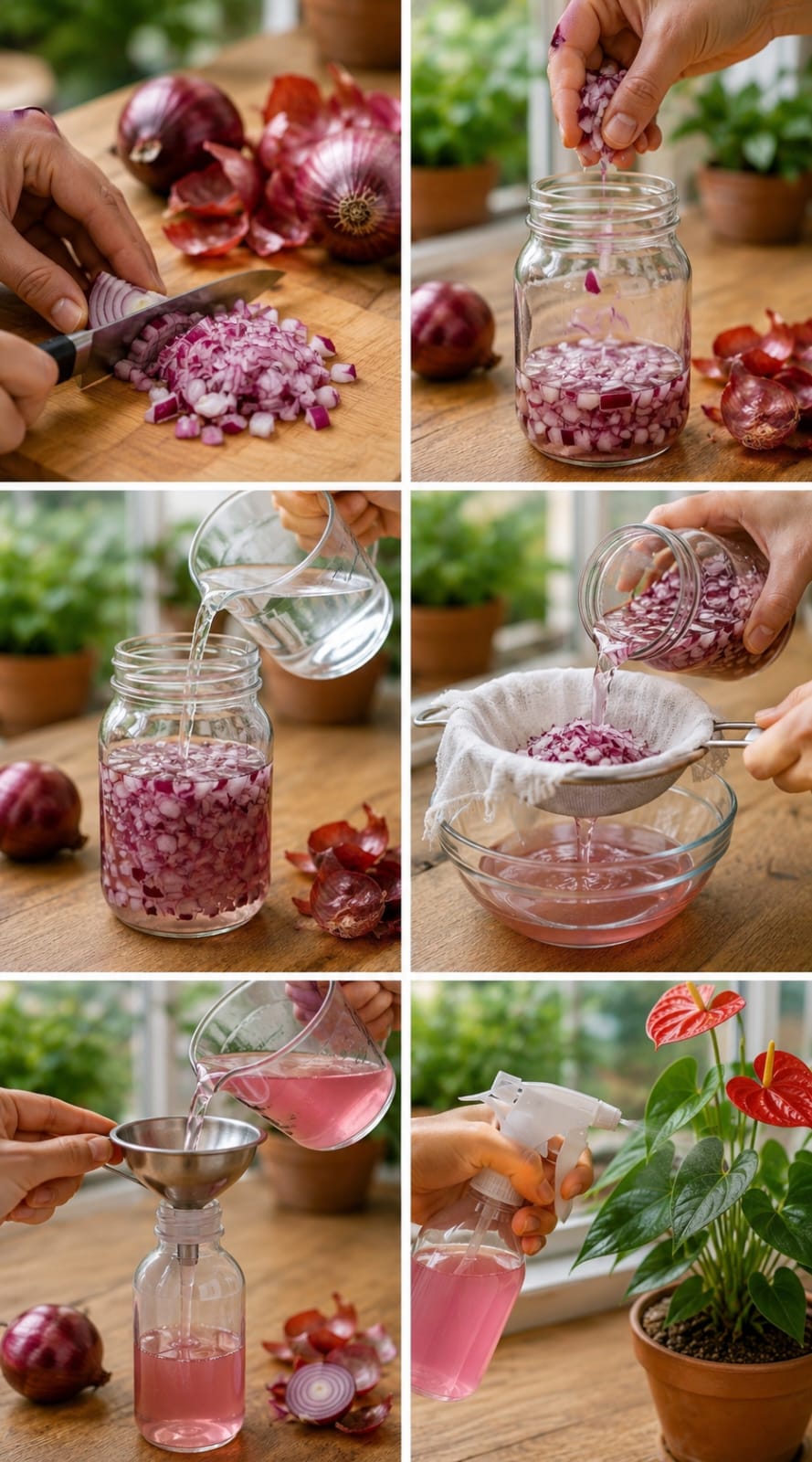
Onion Water for Anthuriums: A Complete Guide for Glossy Leaves, Strong Roots, Bright Flowers, and Safe Indoor Plant Care

Anthuriums are some of the most beautiful tropical plants you can grow indoors. Their glossy heart-shaped leaves, colorful spathes, and elegant upright flowers can make any room feel fresh, bright, and luxurious. Red, pink, white, purple, and orange Anthuriums are often used as living decorations because they can bloom for a long time when the…
-
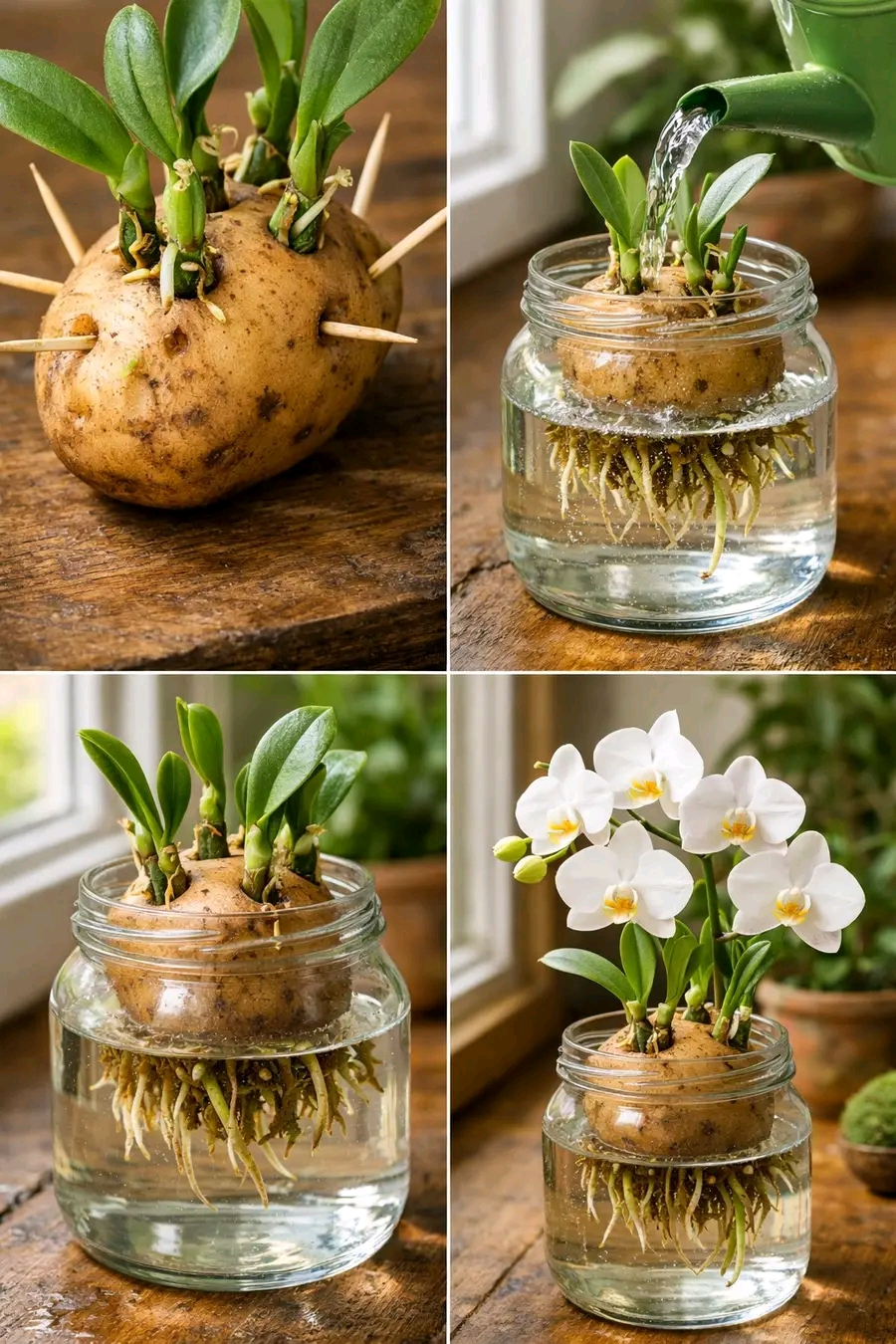
Potato Method for Orchids: A Complete Guide for Strong Roots, Healthy Leaves, Beautiful Blooms, and Safe Indoor Orchid Care

Orchids are some of the most elegant flowering plants you can grow indoors. Their smooth green leaves, graceful flower spikes, and long-lasting blooms make them a favorite for windowsills, plant shelves, living rooms, kitchens, offices, and bright indoor corners. A healthy orchid can bloom for weeks, sometimes months, when the care routine is right. But…