Ingeredients:
Extra virgin olive oil
2 acorn squash, cut in half and seeded
Sea salt and freshly ground black pepper
1 cup wild rice
1 shallot, chopped fine
6 Tuscan kale leaves, ribs removed and leaves chopped fine
1 teaspoon Dijon mustard
Zest of 1 lemon
Handful of fresh flat-leaf parsley leaves, chopped
1/4 cup toasted walnuts, chopped
2 tablespoons grated Pecorino Romano
Instructions:
Preheat the oven to 400ºF.
Rub a bit of oil inside the squash and season with salt and pepper. Place the acorn squash cut sides down on a baking sheet. Bake until tender, 35 to 40 minutes.
In a medium saucepan, combine the rice, 1 3/4 cups of water, and 1/2 teaspoon of salt. Bring to a boil over medium-high heat, then cover, reduce the heat to low, and cook until the liquid is absorbed, about 40 minutes.
Swirl a bit of oil in a medium skillet and heat it over medium heat until shimmering. Add the shallot and sauté until softened, 1 to 2 minutes. Add the kale and sauté just until the leaves begin to wilt, 2 to 3 minutes. Season with salt and pepper. Add the cooked rice, Dijon, and lemon zest and stir to mix well. Cook for 2 minutes more, adding some oil if the rice seems too dry. Stir in the parsley, walnuts, and Pecorino Romano.
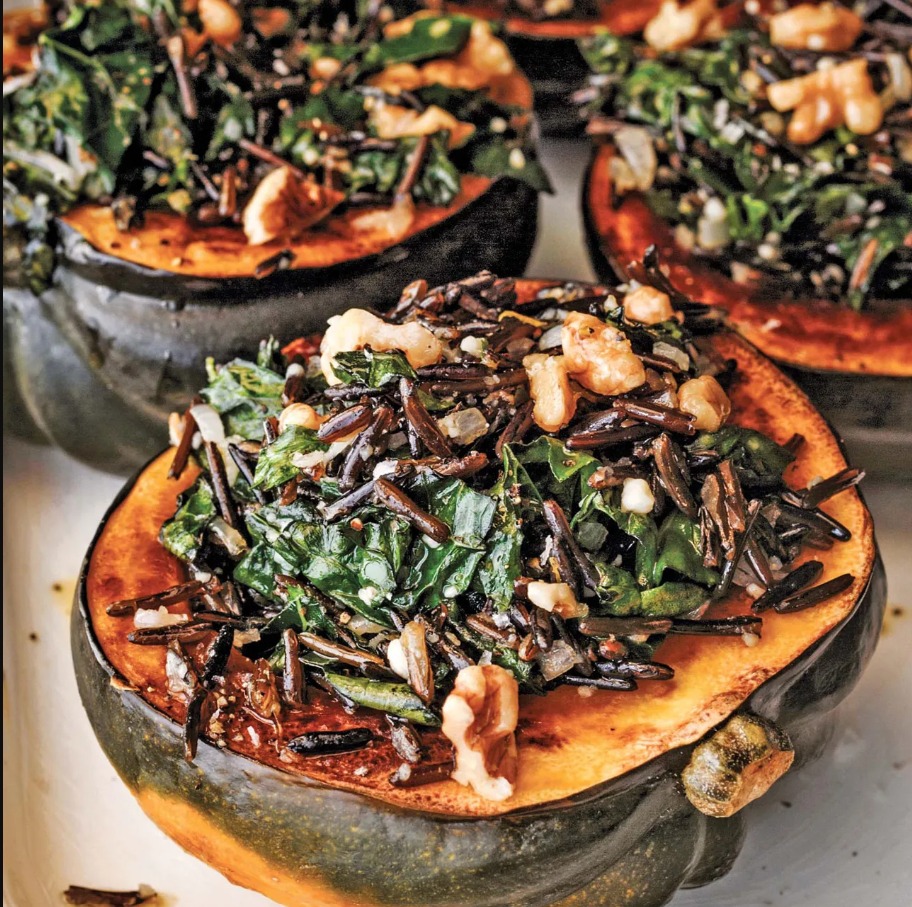
Remove the squash from the oven. Spoon the rice filling into each half and serve hot.
Recipe Card
Kale and Wild Rice–Stuffed Winter Squash

- Extra virgin olive oil
- 2 acorn squash (cut in half and seeded)
- Sea salt and freshly ground black pepper
- 1 cup wild rice
- 1 shallot (chopped fine)
- 6 Tuscan kale leaves (ribs removed and leaves chopped fine)
- 1 teaspoon Dijon mustard
- Zest of 1 lemon
- Handful of fresh flat-leaf parsley leaves (chopped)
- 1/4 cup toasted walnuts (chopped)
- 2 tablespoons grated Pecorino Romano
- Preheat the oven to 400ºF.
- Rub a bit of oil inside the squash and season with salt and pepper. Place the acorn squash cut sides down on a baking sheet. Bake until tender, 35 to 40 minutes.
- In a medium saucepan, combine the rice, 1 3/4 cups of water, and 1/2 teaspoon of salt. Bring to a boil over medium-high heat, then cover, reduce the heat to low, and cook until the liquid is absorbed, about 40 minutes.
- Swirl a bit of oil in a medium skillet and heat it over medium heat until shimmering. Add the shallot and sauté until softened, 1 to 2 minutes. Add the kale and sauté just until the leaves begin to wilt, 2 to 3 minutes. Season with salt and pepper. Add the cooked rice, Dijon, and lemon zest and stir to mix well. Cook for 2 minutes more, adding some oil if the rice seems too dry. Stir in the parsley, walnuts, and Pecorino Romano.
- Remove the squash from the oven. Spoon the rice filling into each half and serve hot.
-
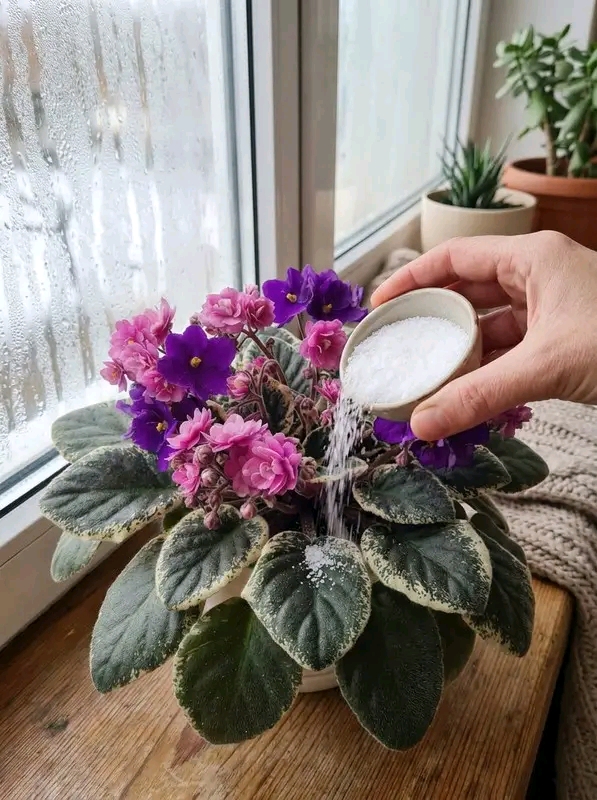
Easy African Violet Care: Simple Tips for Lush Growth and Vibrant Blooms

African violets are small, elegant, and full of charm. Their soft fuzzy leaves, compact shape, and bright purple, pink, white, blue, or double flowers make them one of the most loved indoor flowering plants. They look beautiful on windowsills, shelves, kitchen counters, bedroom tables, office desks, and cozy plant corners. Even one healthy African violet…
-
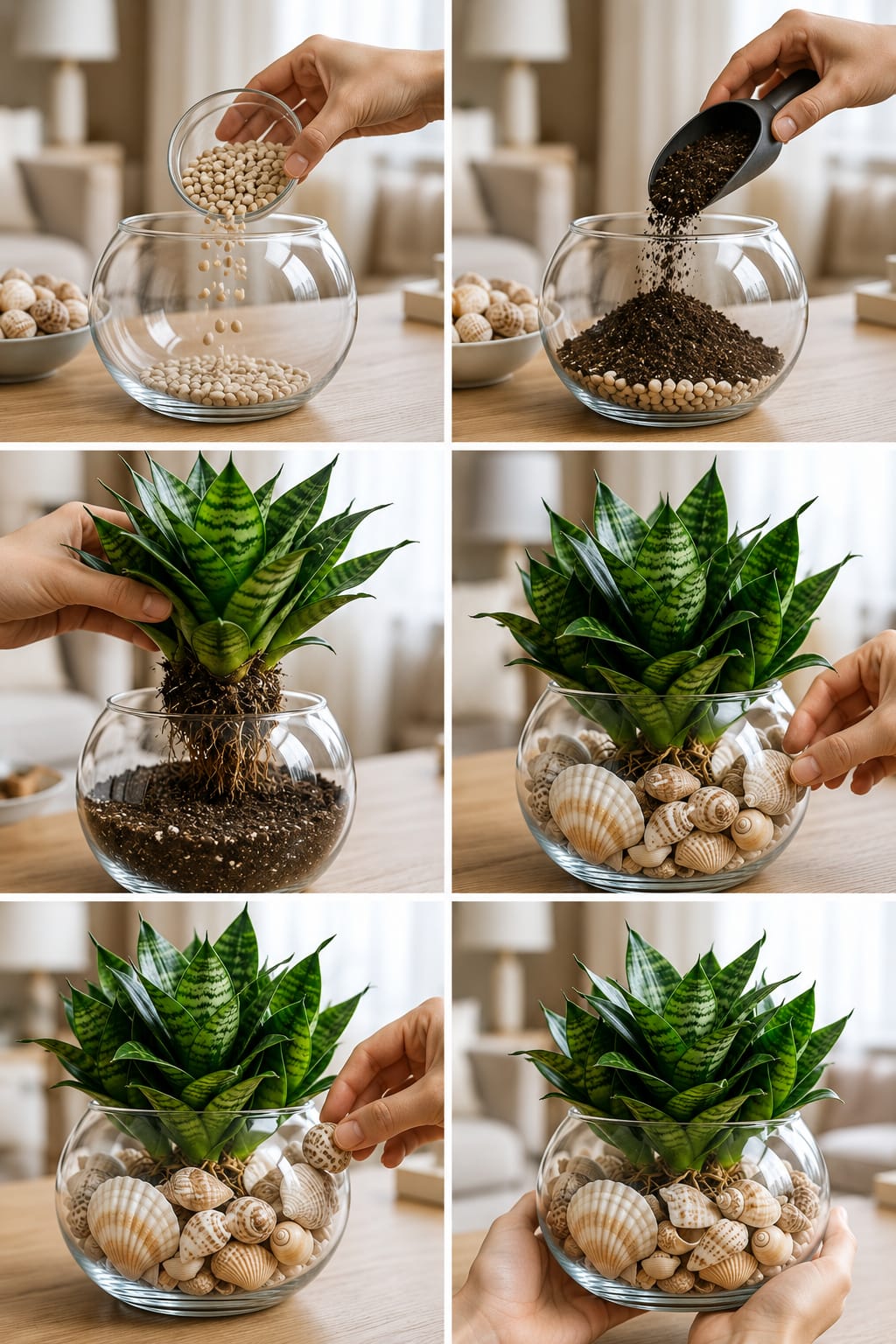
Bird’s Nest Snake Plant Fishbowl Garden: A Complete Guide to Creating a Beautiful Glass Bowl Display With Shells, Strong Roots, Healthy Leaves, and Stylish Indoor Decor

Bird’s Nest Snake Plant is one of the most beautiful compact houseplants for small indoor spaces. Its short rosette shape, thick patterned leaves, and elegant green form make it perfect for tables, shelves, desks, windowsills, bedrooms, offices, and living room displays. Unlike tall snake plants that grow like upright swords, Bird’s Nest Snake Plant grows…
-
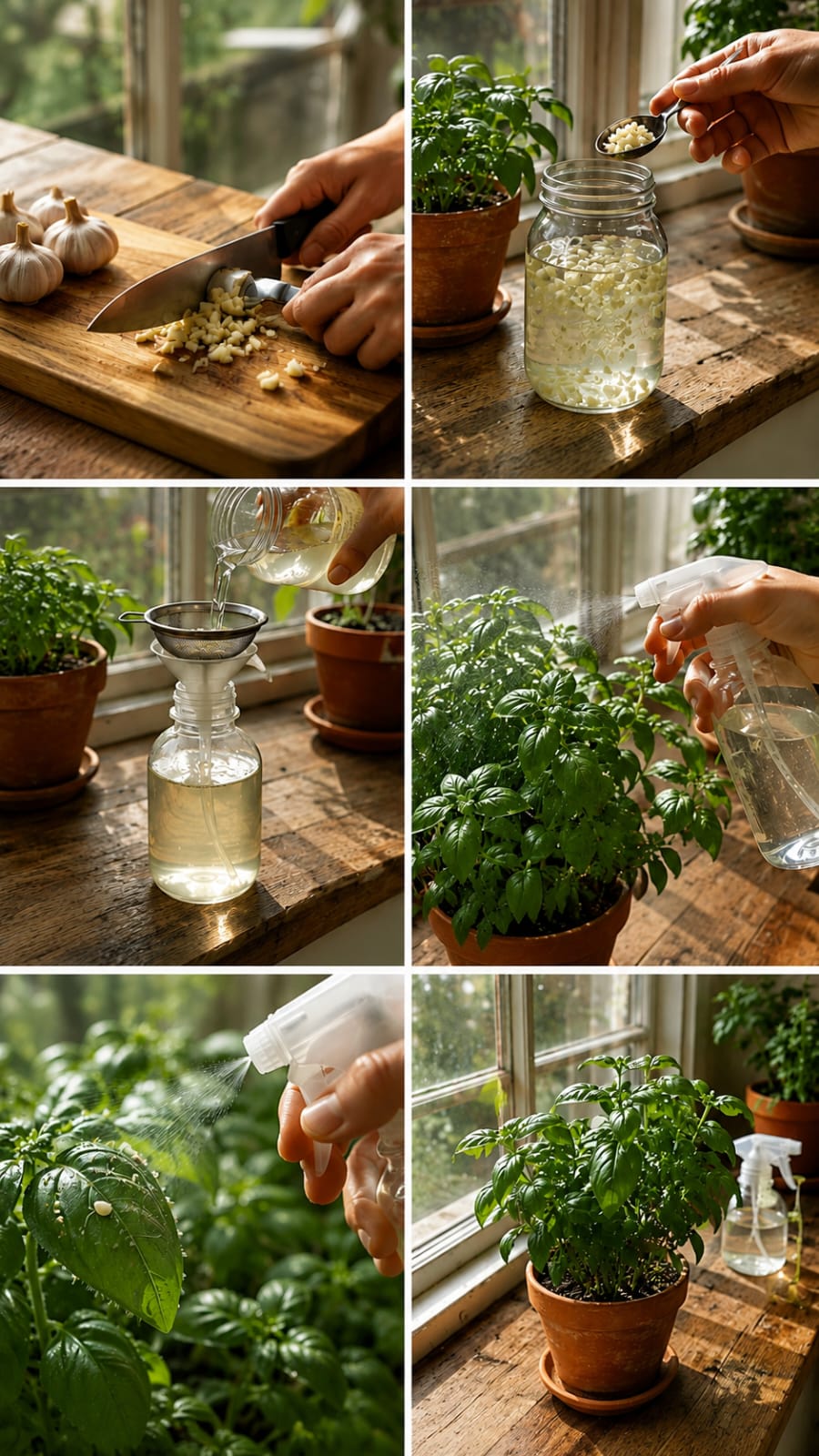
Garlic Spray for Indoor Plants: A Complete Guide to Making a Natural Garlic Water Spray for Basil, Herbs, Houseplants, Pest Prevention, Leaf Care, and Healthy Indoor Growth

Indoor plants bring freshness, color, scent, and life into the home. A sunny windowsill filled with basil, mint, parsley, pothos, peppers, flowers, and leafy houseplants can make any room feel warmer and more natural. But indoor plants also face problems. Leaves can become dusty. Tiny pests can appear. Soil can stay too wet. Basil can…