Some recipes never go out of style, and Old-Fashioned Custard Pie is one of them. With its silky-smooth filling, delicate sweetness, and comforting simplicity, this pie has stood the test of time. Unlike modern, heavily-decorated desserts, custard pie is humble yet elegant—an unassuming treat that delivers pure comfort with every bite.
This dessert has been cherished for generations, passed down from grandmothers and mothers, often appearing at Sunday dinners, church gatherings, and holiday tables. Made with just a handful of pantry staples—eggs, sugar, milk, vanilla, and a pie crust—this pie proves that the simplest ingredients often yield the most delightful results.
Let’s dive deep into what makes this pie so special, how to make it perfectly every time, and a few creative twists to try.
Why You’ll Love This Recipe ❤️
Simple & affordable: Made with everyday ingredients you likely already have.
Classic comfort: A nostalgic dessert that never goes out of style.
Versatile: Delicious served warm, chilled, or with a variety of toppings.
Beginner-friendly: No complicated steps or fancy equipment required.
Ingredients for Old-Fashioned Custard Pie
Here’s what you’ll need:
1 unbaked 9-inch pie crust (homemade or store-bought)
3 large eggs, beaten
3/4 cup sugar
1/4 teaspoon salt
1/2 teaspoon vanilla extract
2 1/2 cups whole milk, scalded
Freshly grated nutmeg (optional, for garnish)
Step-by-Step Instructions
1. Prepare the Crust
Roll out your pie dough (if homemade) and fit it into a 9-inch pie plate.
Flute the edges or press them with a fork for a rustic look.
Set aside while you make the custard filling.
2. Make the Custard Mixture
In a large bowl, whisk together eggs, sugar, salt, and vanilla until well combined.
Slowly stir in the warm, scalded milk (this helps prevent the eggs from scrambling).
3. Fill the Crust
Pour the custard mixture into the prepared pie crust.
Sprinkle the top lightly with nutmeg if desired.
4. Bake
Preheat oven to 350°F (175°C).
Bake for 45–55 minutes, or until the center is set but still slightly jiggly.
Insert a knife near the center—if it comes out clean, it’s ready.
5. Cool & Serve
Allow the pie to cool at room temperature before slicing.
Serve warm, chilled, or at room temperature.
Tips & Tricks for the Best Custard Pie
Scald the milk properly – Heating the milk enhances the custard’s texture and flavor. Don’t skip this step!
Prevent a soggy crust – For extra crispiness, blind-bake the crust for 10 minutes before adding the filling.
Don’t overbake – The pie should jiggle slightly in the center when removed from the oven. It will firm up as it cools.
Use fresh eggs – Since eggs are the star here, fresh ones make a big difference in flavor and texture.
Nutmeg is classic – A sprinkle on top adds warmth and enhances the custard flavor.
Variations to Try
Coconut Custard Pie – Add 1 cup shredded coconut to the filling.
Cinnamon Custard Pie – Swap nutmeg for a sprinkle of cinnamon.
Chocolate Custard Pie – Mix in 1/4 cup cocoa powder or melted chocolate with the filling.
Caramel Custard Pie – Stir in a few tablespoons of caramel sauce for a richer flavor.
Serving Suggestions 🍴
Old-Fashioned Custard Pie is delicious on its own, but you can dress it up:
With whipped cream – A dollop of homemade whipped cream makes it extra indulgent.
With fresh berries – Strawberries, blueberries, or raspberries add freshness.
With caramel or chocolate drizzle – Perfect for special occasions.
With coffee or tea – A warm slice pairs beautifully with a hot beverage.
Storage & Make-Ahead Tips
Refrigeration – Store leftovers in the refrigerator, covered, for up to 4 days.
Freezing – Wrap tightly in plastic and foil, then freeze for up to 2 months. Thaw overnight in the fridge before serving.
Make-ahead – You can bake this pie a day in advance. It tastes even better the next day as the flavors meld.
The History of Custard Pie
Custard pie has roots that go back centuries, tracing to Europe where custard desserts were a staple in both royal courts and humble homes. Early American settlers brought custard recipes with them, and the dish quickly became popular across the U.S. due to its simplicity and affordability.
In the South, custard pie is often served at church suppers and family gatherings, while in New England, it holds a place alongside other old-world desserts like Indian pudding and bread pudding. Wherever you go, custard pie remains a cherished dessert that connects generations.
Why Old-Fashioned Recipes Endure
There’s something magical about recipes that have stood the test of time. They remind us of home, family, and the comfort of shared meals. Custard pie isn’t flashy—it doesn’t need fancy decorations or layers of frosting. Its beauty lies in its simplicity, and in the way it invites us to slow down and savor life’s little pleasures.
When you bake an Old-Fashioned Custard Pie, you’re not just making dessert—you’re keeping a tradition alive.
Final Thoughts
Old-Fashioned Custard Pie is proof that sometimes the best recipes are the simplest ones. With its creamy filling, golden crust, and nostalgic charm, this pie is perfect for any occasion—from Sunday dinners to holiday feasts.
So, dust off your pie dish, gather a few simple ingredients, and bring this timeless dessert to your table. One bite, and you’ll understand why it has remained a favorite for generations.
More Recipes You Might Like
-

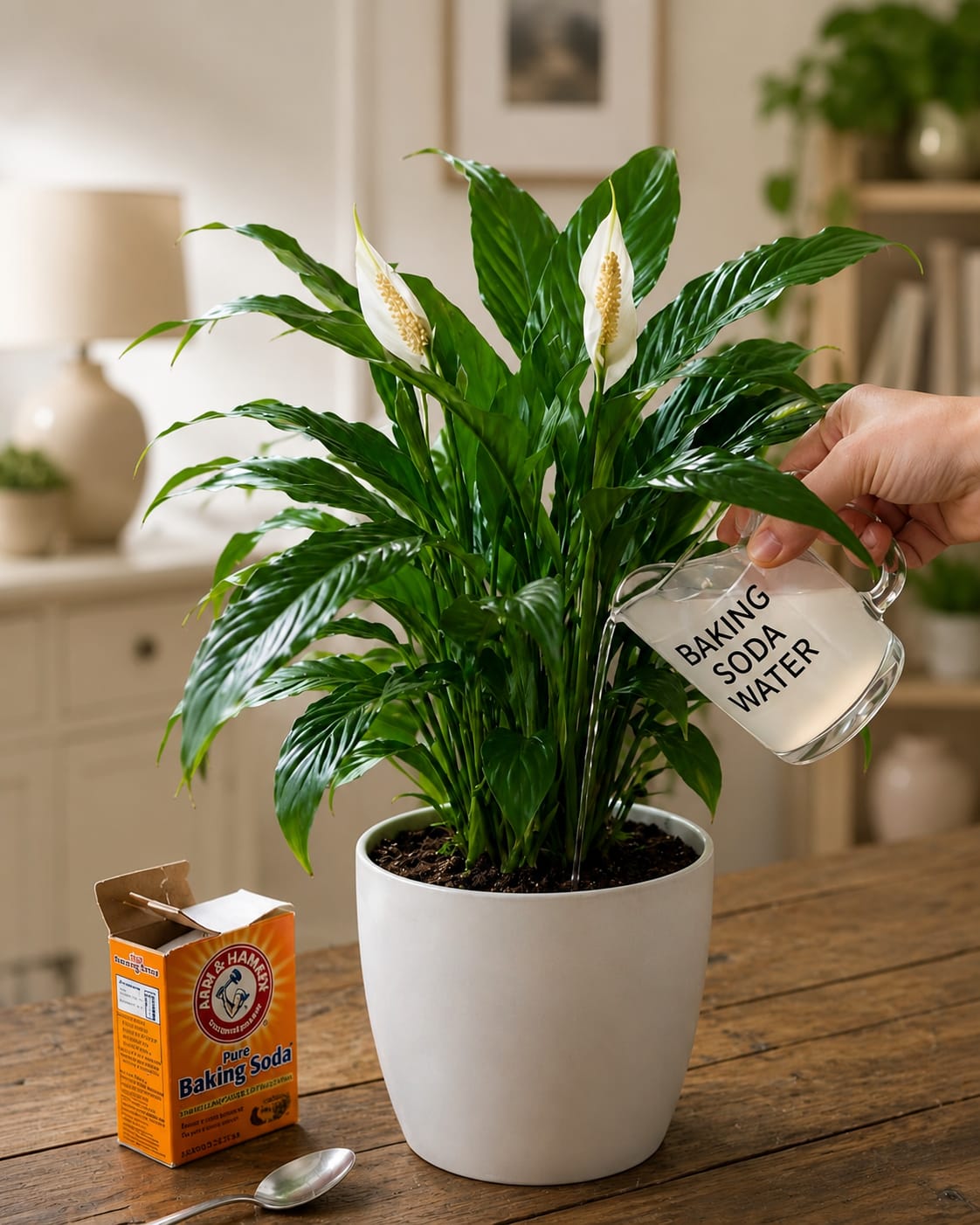
Why Some Homeowners Are Pouring Baking Soda Water Around Peace Lilies and What You Should Know Before Trying It
Peace lily is one of the most graceful indoor plants for homeowners who want glossy green leaves, soft white blooms, and a calm decorative display that fits beautifully in living rooms, bedrooms, home offices, apartments, bright windowsills, entryways, plant corners, commercial interiors, luxury home staging, and premium indoor plant displays. Its deep green foliage and…
-

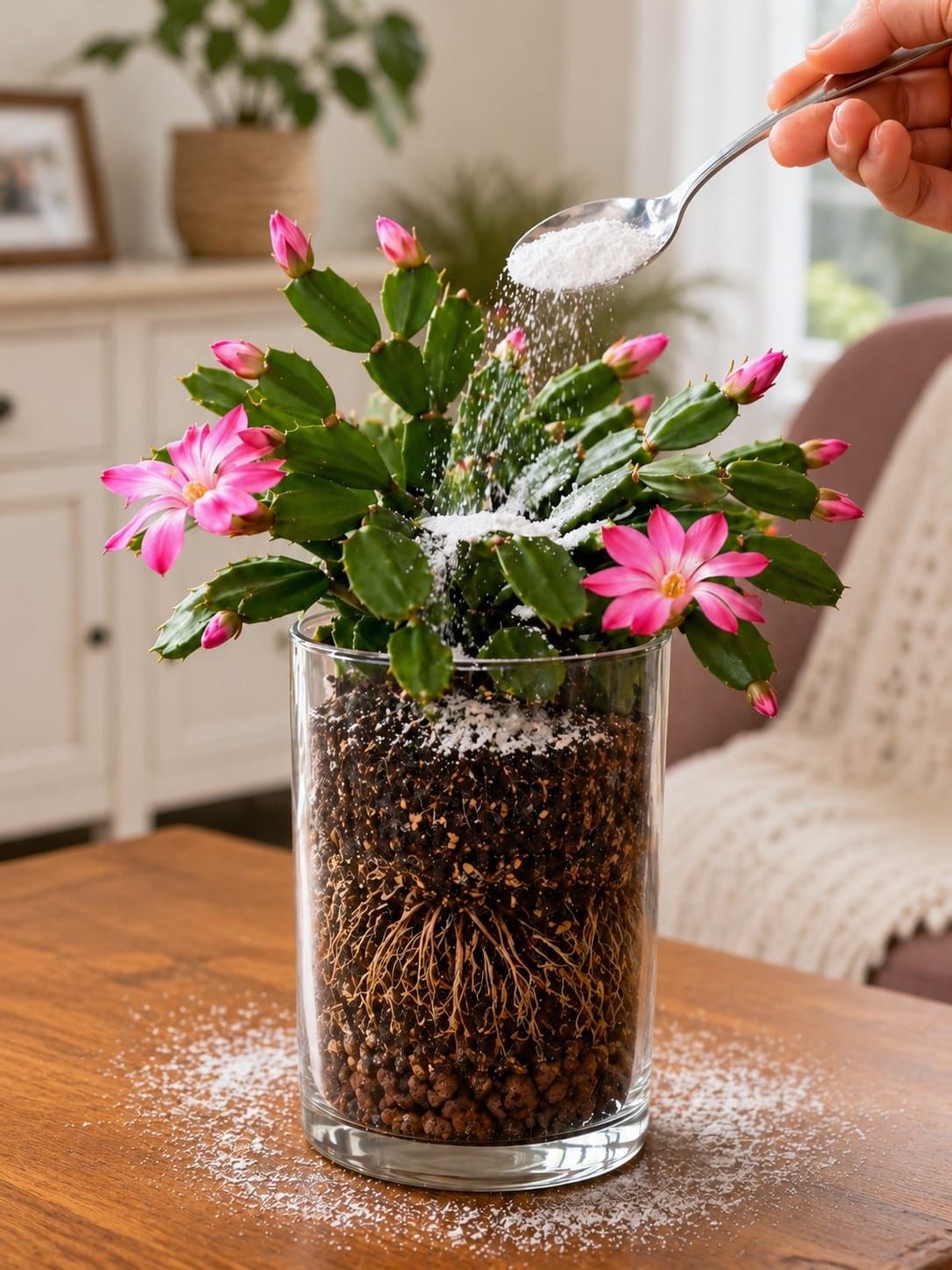
Why Some Homeowners Are Sprinkling a Light White Powder Around Thanksgiving Cactus to Support Stronger Buds, Cleaner Growth, and a More Elegant Bloom Display
Thanksgiving cactus is one of the most beautiful indoor blooming plants for homeowners who want soft segmented stems, bright seasonal flowers, graceful arching growth, and a warm decorative display that fits beautifully in living rooms, bedrooms, bright windowsills, plant shelves, apartments, sunrooms, holiday corners, home offices, and cozy indoor garden spaces. Its pink, red, coral,…
-

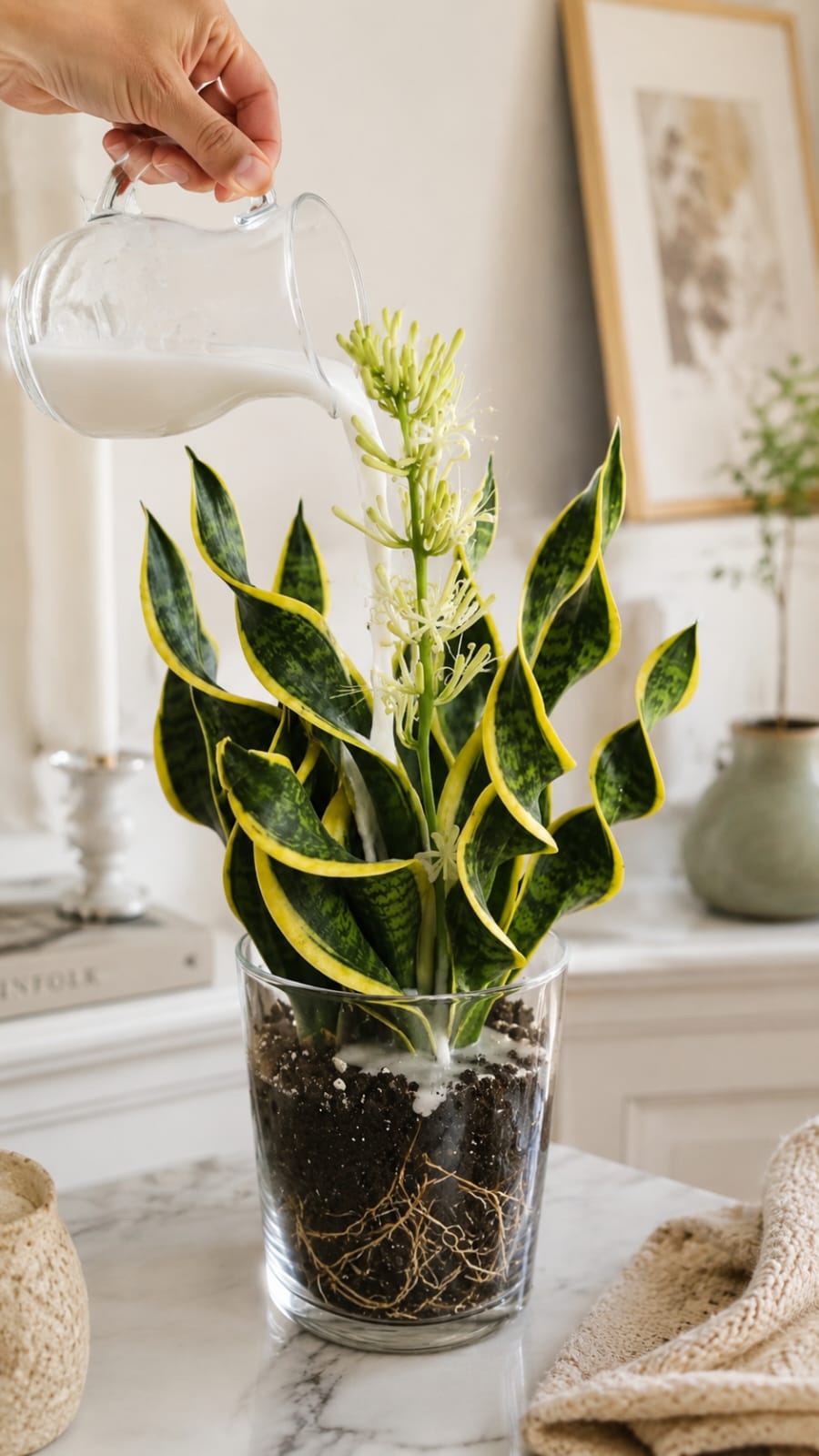
Why Some Homeowners Are Pouring a Light White Root Tonic Around Blooming Snake Plants to Support Stronger Roots, Cleaner Growth, and a More Elegant Indoor Display
Snake plant is one of the most reliable indoor plants for homeowners who want upright leaves, bold variegation, sculptural shape, and a clean decorative look that fits beautifully in living rooms, bedrooms, home offices, apartments, bright windowsills, entryways, modern plant corners, commercial interiors, luxury home staging, and premium indoor plant displays. Its firm sword-shaped leaves,…