Lemons are one of nature’s most versatile fruits. Known for their zesty aroma, refreshing flavor, and countless health benefits, lemons have been a staple in kitchens for centuries. From lemonade to marinades, lemon bars to savory sauces, the possibilities seem endless. But one form of lemon that often goes overlooked is lemon powder—a concentrated, shelf-stable way to keep that citrus brightness ready whenever you need it.
Making lemon powder at home is surprisingly easy, and once you’ve tried it, you’ll never want to be without it. Just a tiny pinch can add incredible depth to your desserts, uplift savory dishes, and even transform simple drinks into gourmet creations. In this article, we’ll explore how to make lemon powder, why it’s so special, its many uses, and expert tips to ensure success every time.
Why Lemon Powder Works Like Magic in the Kitchen
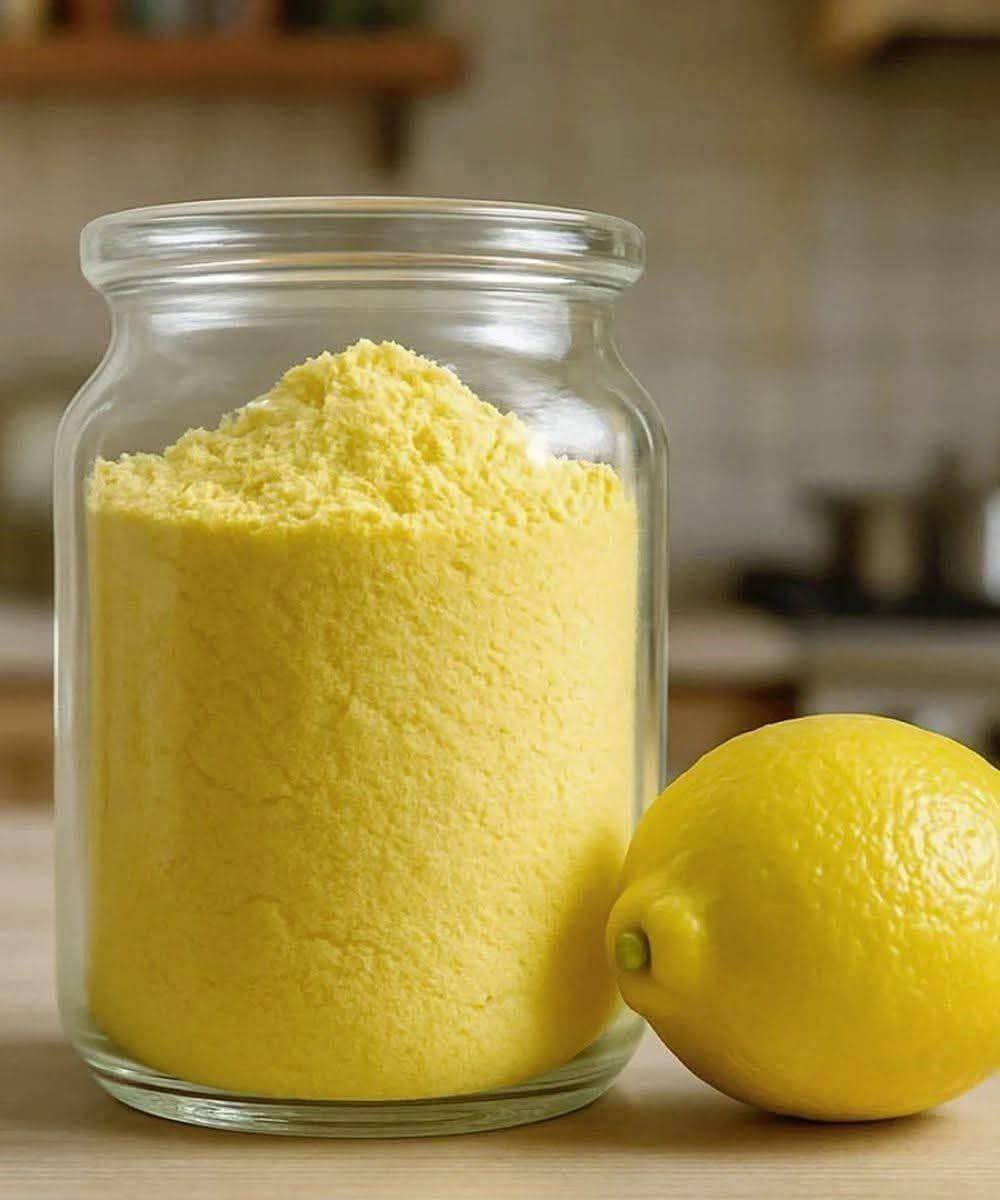
Lemon powder is essentially dried and finely ground lemon peel, sometimes made from the whole lemon. This preserves the bright, tangy flavor of fresh lemons in a concentrated form. Unlike fresh lemon juice, which can add unwanted moisture, lemon powder delivers pure lemon essence without changing the texture of your dish.
Here’s why it’s a game-changer:
Long Shelf Life – Fresh lemons spoil quickly, but lemon powder lasts for months in an airtight container.
Flavor Boost Without Moisture – Perfect for recipes where you want lemon taste without liquid, like spice rubs or baked goods.
Versatility – Works equally well in sweet and savory dishes.
Nutrient-Rich – Lemon peel contains vitamin C, antioxidants, and essential oils that support immunity and overall wellness.
What You’ll Need to Make Lemon Powder
The beauty of this recipe is its simplicity. You don’t need fancy equipment or rare ingredients—just patience and the right technique.
Ingredients:
Fresh lemons (organic preferred, since the peel is used)
Equipment:
A sharp vegetable peeler or knife
Baking sheet or dehydrator
Parchment paper (if oven-drying)
Blender, spice grinder, or mortar and pestle
Airtight glass jar or spice container for storage
Step-by-Step: How to Make Lemon Powder at Home
Step 1: Select the Right Lemons
Choose firm, bright yellow lemons with no blemishes or soft spots. Organic lemons are best since the peel won’t have wax or pesticide residue.
Step 2: Wash and Prep
Wash the lemons thoroughly under warm water. You can scrub them gently with a vegetable brush to remove any surface dirt or wax. Pat them dry with a clean towel.
Step 3: Peel the Lemons
Use a peeler to remove the outer yellow zest only, avoiding the bitter white pith underneath. The zest is where the essential oils and concentrated flavor live.
Step 4: Dry the Peels
There are two easy methods to dry lemon peel:
Oven Method – Preheat your oven to the lowest setting (about 150–170°F / 65–75°C). Place peels on a parchment-lined baking sheet and bake for 2–3 hours until completely dry and brittle.
Dehydrator Method – Place peels in a dehydrator set to 95–105°F (35–40°C) and dry for 8–12 hours.
Check that the peels snap when broken; if they bend, they need more drying time.
Step 5: Grind into Powder
Once the peels are fully dried, let them cool. Grind them in a spice grinder, blender, or mortar and pestle until you get a fine powder.
Step 6: Store Properly
Transfer the lemon powder into a clean, airtight glass jar. Store it in a cool, dark place. It will keep for up to 6–12 months, retaining most of its flavor and potency.
Tips + Tricks for Lemon Powder Success
Avoid the Pith – The white part of the peel is bitter and will make your powder unpleasant.
Make Small Batches – Fresher powder = brighter flavor. Grind only what you’ll use within a few months.
Experiment with Whole Lemons – Some people dehydrate thin slices of the whole lemon (peel and pulp), which produces a tangier powder.
Mix Citrus Varieties – Try mixing lemon peel with lime or orange for a custom citrus blend.
Boost Aroma – Add a pinch of sugar or salt when grinding if you plan to use the powder mainly in desserts or savory rubs.
How to Use Lemon Powder in Cooking
This is where lemon powder really shines. Just a pinch can transform everyday recipes into something extraordinary.
Sweet Uses:
Cakes & Cookies – Add to lemon pound cake, sugar cookies, or macarons for an intense citrus kick.
Frosting & Glazes – Mix into buttercream, whipped cream, or simple glaze.
Custards & Puddings – Enhances vanilla custard, rice pudding, or panna cotta.
Candies & Chocolates – Pairs beautifully with white chocolate or dark chocolate truffles.
Savory Uses:
Meat & Fish Rubs – Combine with salt, pepper, and herbs for a zesty dry rub.
Vegetable Seasoning – Sprinkle over roasted potatoes, asparagus, or carrots.
Soups & Stews – Stir in a little powder at the end for brightness without extra liquid.
Salad Dressings – Whisk into vinaigrettes for a citrusy lift.
Beverages:
Tea & Infusions – Stir into green tea or chamomile for a citrus boost.
Smoothies & Juices – Adds brightness without acidity.
Cocktails – Rim glasses with sugar + lemon powder for a unique garnish.
Health Benefits of Lemon Powder
Lemon powder doesn’t just taste good—it’s also good for you.
Vitamin C Boost – Supports immune health and collagen production.
Antioxidant Rich – Helps reduce inflammation and protect cells from oxidative damage.
Digestive Aid – Can stimulate digestion and freshen breath.
Detoxifying – Supports liver health and natural cleansing.
Serving Suggestions
Keep a small shaker of lemon powder near your spice rack for quick flavor boosts.
Sprinkle over popcorn for a gourmet snack.
Mix with sea salt to create lemon salt—perfect for seafood dishes.
Blend with sugar to make lemon sugar for baking.
Stir into yogurt or oatmeal for a refreshing breakfast.
Time and Effort
The total time to make lemon powder depends on the drying method:
Prep Time: 10 minutes (washing, peeling)
Drying Time: 2–12 hours (depending on oven or dehydrator)
Grinding & Storage: 10 minutes
In short, while drying takes the longest, the actual hands-on effort is minimal. Most of the work is letting the peels dry slowly while you go about your day.
Final Thoughts
Making lemon powder at home is one of those small kitchen projects with a big payoff. It requires very little effort, uses a fruit most of us already have, and produces an ingredient that can dramatically elevate your cooking and baking.
Whether you’re sprinkling it into a cake batter, stirring it into a soup, or adding it to your morning tea, just a pinch is enough to bring sunshine to your dish. And best of all, you know it’s 100% natural and free from additives.
So the next time you buy a bag of lemons, don’t let those peels go to waste—turn them into a golden powder that will brighten your kitchen all year long.
More Recipes You Might Like
-

How to Repot a Snake Plant with Clay Pebbles Safely and Use Milk Water Carefully for Stronger Roots, Cleaner Leaves, and a Healthy Indoor Display
Snake plant is one of the most reliable indoor plants for people who want strong upright leaves, simple care, and a clean decorative look that fits modern homes, apartments, offices, balconies, and indoor plant corners. Its sword-shaped foliage, deep green patterned centers, yellow-edged variegation, and bold vertical growth make it a favorite for living room…
-
How to Use Milk Water Around a Snake Plant Safely After Repotting for Stronger Roots, Cleaner Leaves, and a Healthy Indoor Display
Snake plant is one of the most dependable indoor plants for people who want strong upright leaves, simple care, and a clean modern look that fits almost any home. Its sword-shaped foliage, green patterned surface, yellow-edged variegation, and sculptural vertical form make it a favorite for living room styling, bedroom decor, home office greenery, modern…
-

How to Use Egg Around a Snake Plant Safely to Avoid Root Damage, Protect Weak Leaves, and Restore a Cleaner Indoor Plant Display
Snake plant is one of the most popular indoor plants for people who want strong upright leaves, simple care, and a clean architectural look that fits almost any room. Its sword-shaped foliage, dark green patterns, yellow-edged variegation, and sculptural vertical growth make it a favorite for living room styling, bedroom decor, home office greenery, modern…