If you’ve ever found yourself heading straight to the bathroom after a meal, you might have wondered what’s going on inside your body. For many, this seems unusual — how could food move through your digestive system so quickly that you need to poop immediately after eating? According to medical experts, the explanation isn’t as strange as it sounds. In fact, it’s part of a completely normal bodily response called the gastrocolic reflex.
Recently, a TikTok doctor went viral for explaining why this happens, reassuring millions of viewers that if they often feel the urge to go right after eating, they are not alone. This reflex doesn’t mean that your body is malfunctioning. Rather, it’s your digestive system’s way of making room for new food and keeping things moving efficiently.
Let’s break down what the gastrocolic reflex is, why it happens, whether it can be too strong, and how you can manage it if it becomes disruptive.
What the Gastrocolic Reflex Means
The gastrocolic reflex is a natural response that occurs when your stomach stretches after you eat. The stretching sends signals to your colon, encouraging movement in the lower part of your gastrointestinal tract. In simple terms, eating tells your body: “Time to make space — something new is coming in!”
According to VeryWell Health, this reflex isn’t a disease or a medical condition. Instead, it’s a normal physiological reaction that every human experiences to some degree. For some people, the reflex is mild, and they don’t notice it. For others, it’s more pronounced, and they may feel the urge to go to the bathroom almost immediately after finishing a meal.
Why Does It Happen So Fast?
Here’s the key: When you poop right after eating, it’s not the food you just consumed that’s rushing through your system. Digestion takes hours, sometimes even a full day, before food reaches the colon. What’s happening instead is that the reflex triggers contractions in your colon, moving stool that was already there closer to the exit.
So, if you’re in the bathroom shortly after a meal, you’re not passing out your lunch — you’re eliminating waste from earlier meals that your body is now ready to release.
Factors That Influence the Gastrocolic Reflex
Everyone experiences the gastrocolic reflex differently. Here are a few factors that can make it stronger or more noticeable:
Meal Size
Larger meals cause more stretching in the stomach, which in turn sends stronger signals to the colon. That’s why some people feel the urge to go more urgently after a big dinner than a small snack.
Type of Food
Foods high in fat or fiber can intensify the reflex. Coffee, spicy foods, or very greasy meals may make the urge stronger.
Age
The reflex tends to be more noticeable in younger people and may diminish with age.
Underlying Conditions
People with irritable bowel syndrome (IBS) or other gastrointestinal sensitivities often have a heightened gastrocolic reflex, making them feel the need to poop more quickly after eating.
Stress Levels
Stress and anxiety can affect gut motility, making the reflex more pronounced. Ever heard of “nervous stomach”? That’s part of the same mind-gut connection.
Is It Normal?
Yes, the gastrocolic reflex is completely normal. Most people experience it in some form, though not everyone notices. In fact, doctors view it as an essential part of digestion because it helps keep the bowels moving and prevents constipation.
That said, if the urge to poop after eating is sudden, extreme, or consistently disruptive, it could be a sign of an underlying condition. For example:
IBS (Irritable Bowel Syndrome): People with IBS often experience exaggerated reflexes, leading to cramping, diarrhea, or urgency after meals.
Inflammatory bowel diseases (Crohn’s disease, ulcerative colitis): These conditions can affect bowel motility and make symptoms worse.
Food intolerances: Lactose, gluten, or artificial sweeteners can trigger digestive distress in sensitive individuals.
When to See a Doctor
While the gastrocolic reflex itself isn’t harmful, you should seek medical advice if you experience:
Severe cramping or abdominal pain after eating
Sudden diarrhea or frequent loose stools
Unexplained weight loss
Blood in stool
Frequent urgency that disrupts daily life
These could indicate something more serious than just a strong reflex.
Tips for Managing a Strong Gastrocolic Reflex
If you feel like you always need to rush to the bathroom after eating, there are ways to manage and minimize the intensity of the reflex:
Eat Smaller, More Frequent Meals
Instead of three large meals, try five or six smaller meals throughout the day. Less stomach stretching means a gentler reflex.
Watch Trigger Foods
Keep track of foods that intensify your reflex. For many, coffee, fatty meals, dairy, or spicy foods can be culprits.
Increase Fiber Gradually
Fiber helps regulate bowel movements but introducing too much at once can worsen urgency. Add it slowly to your diet.
Stay Hydrated
Water keeps stools soft and easier to pass, preventing discomfort when the reflex kicks in.
Practice Stress Reduction
Yoga, meditation, or simply taking deep breaths before meals can calm the nervous system and reduce gut sensitivity.
Schedule Bathroom Breaks
If your body is predictable, you might plan meals and bathroom visits in a way that doesn’t disrupt your day.
Everyday Examples of the Reflex
To put it simply:
You eat breakfast in the morning → ten minutes later, you need the bathroom. That’s the reflex working.
After a big holiday meal like Thanksgiving dinner, multiple people in the family suddenly make their way to the restroom. Again, it’s the reflex in action.
Kids often experience this reflex strongly, which is why parents notice bathroom runs right after meals.
Myths vs. Facts
Myth 1: “If you poop right after eating, your body isn’t absorbing nutrients.”
Fact: Nutrient absorption happens mainly in the small intestine, long before food reaches the colon. Pooping after eating doesn’t interfere with absorption.
Myth 2: “It means you have food poisoning.”
Fact: Food poisoning causes diarrhea several hours after contaminated food enters the system. Immediate pooping is simply a reflex.
Myth 3: “It’s always a bad sign.”
Fact: For most people, it’s completely normal and healthy. It only becomes a concern if it’s painful or excessive.
The Mind-Gut Connection
The gastrocolic reflex is also influenced by the gut-brain axis — the two-way communication between your digestive system and your brain. That’s why stress, anxiety, or even excitement can make you feel the urge to go. Ever noticed how some people rush to the bathroom before a big presentation or exam? The brain is telling the gut to move things along.
Final Thoughts
Needing to poop right after eating might feel strange, but it’s usually nothing to worry about. The gastrocolic reflex is your body’s natural way of making room for more food and keeping digestion flowing. For most people, it’s a sign that the digestive system is doing exactly what it’s supposed to do.
However, if the reflex feels too strong, painful, or disruptive, it’s worth talking to a healthcare provider to rule out conditions like IBS or food intolerances. With small lifestyle adjustments — such as eating smaller meals, avoiding trigger foods, and managing stress — you can reduce the intensity of the reflex and feel more comfortable after eating.
So next time you find yourself heading for the bathroom after a meal, don’t panic — it’s likely just your body’s way of saying, “Out with the old, in with the new.”
More Recipes You Might Like
-

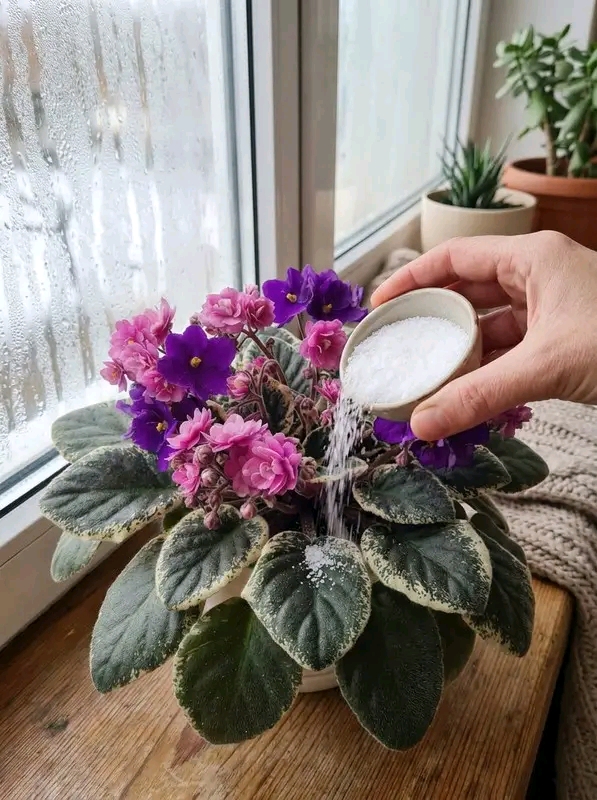
Easy African Violet Care: Simple Tips for Lush Growth and Vibrant Blooms
African violets are small, elegant, and full of charm. Their soft fuzzy leaves, compact shape, and bright purple, pink, white, blue, or double flowers make them one of the most loved indoor flowering plants. They look beautiful on windowsills, shelves, kitchen counters, bedroom tables, office desks, and cozy plant corners. Even one healthy African violet…
-

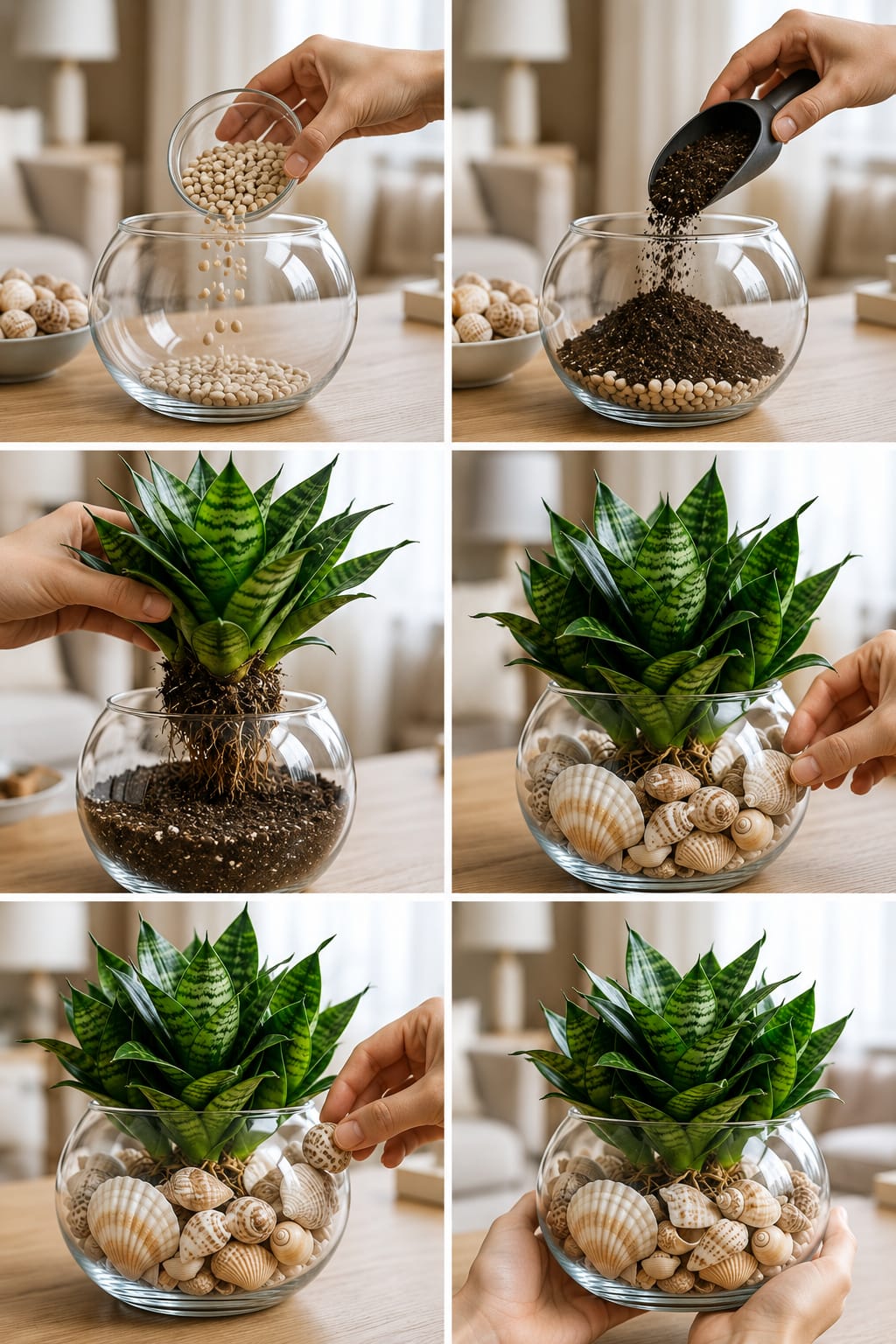
Bird’s Nest Snake Plant Fishbowl Garden: A Complete Guide to Creating a Beautiful Glass Bowl Display With Shells, Strong Roots, Healthy Leaves, and Stylish Indoor Decor
Bird’s Nest Snake Plant is one of the most beautiful compact houseplants for small indoor spaces. Its short rosette shape, thick patterned leaves, and elegant green form make it perfect for tables, shelves, desks, windowsills, bedrooms, offices, and living room displays. Unlike tall snake plants that grow like upright swords, Bird’s Nest Snake Plant grows…
-

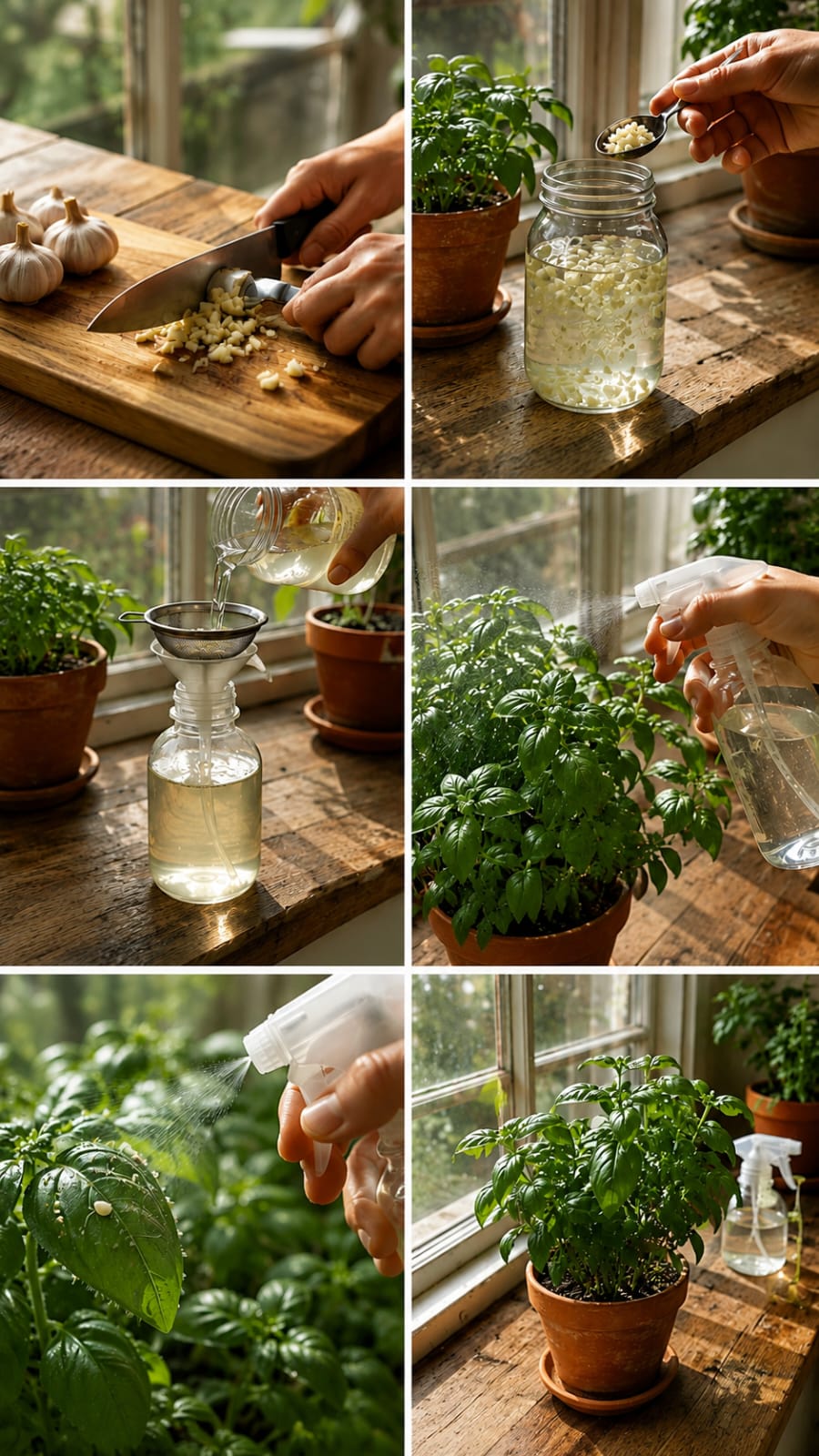
Garlic Spray for Indoor Plants: A Complete Guide to Making a Natural Garlic Water Spray for Basil, Herbs, Houseplants, Pest Prevention, Leaf Care, and Healthy Indoor Growth
Indoor plants bring freshness, color, scent, and life into the home. A sunny windowsill filled with basil, mint, parsley, pothos, peppers, flowers, and leafy houseplants can make any room feel warmer and more natural. But indoor plants also face problems. Leaves can become dusty. Tiny pests can appear. Soil can stay too wet. Basil can…