As we reach the age of 60, maintaining good health becomes an even higher priority. Many of us begin to seek out natural ways to improve our well-being, and one of the most important factors to consider is nutrition. What we eat plays a significant role in our overall health, affecting everything from our immune system to our digestion.
One superfood that has significantly improved my health is kale. This dark leafy green is packed with essential vitamins, minerals, and antioxidants that have had a powerful impact on my well-being, especially for my vision, liver, and gut health. In this article, we’ll explore why kale should be a part of your diet, focusing on its ability to enhance these three crucial areas of health.
1. Kale – A Superfood
1.1. What is Kale?
Kale is a dark green leafy vegetable that belongs to the Brassica family, which includes other vegetables like cabbage, broccoli, and cauliflower. It is often referred to as a superfood due to its impressive nutritional profile. Kale has grown in popularity over the last decade, particularly in health-conscious circles, because of its outstanding health benefits and versatility in the kitchen. It can be enjoyed in smoothies, salads, soups, or even as a crunchy snack when baked into chips.
1.2. Nutritional Properties
Kale’s health benefits can largely be attributed to its rich nutrient content. Here’s a breakdown of some of the key vitamins and minerals it contains:
Vitamin A: Essential for maintaining healthy eyesight and skin. Vitamin A helps maintain the integrity of the surface tissues, such as your eyes, and contributes to the function of your immune system.
Vitamin C: This vitamin is crucial for strengthening the immune system, promoting skin health, and improving the absorption of iron from plant-based foods.
Vitamin K: This vitamin is important for bone health as it helps with the absorption of calcium. It also plays a key role in blood clotting.
Fiber: Kale is a fantastic source of dietary fiber, which is important for digestive health. Fiber helps to maintain healthy bowel movements and can prevent constipation.
Antioxidants: Kale is loaded with antioxidants, including flavonoids and carotenoids, which help fight off free radicals, reduce inflammation, and combat oxidative stress that can damage cells.
These nutrients make kale a powerhouse of health benefits, especially for those over 60 looking to maintain optimal health naturally.
2. Benefits for Vision
2.1. Vitamin A and Eye Health
Vision problems are common as we age, and one of the most important nutrients for preserving our eyesight is vitamin A. This vitamin plays a crucial role in the formation of rhodopsin, a pigment found in the retina that is essential for night vision. Without enough vitamin A, our ability to see in low light becomes impaired, and over time, this can contribute to macular degeneration, night blindness, and other vision problems.
Kale is an excellent source of beta-carotene, a form of vitamin A that helps maintain healthy vision. Consuming kale regularly can provide the necessary vitamin A levels to help prevent common age-related vision issues, such as macular degeneration, cataracts, and dry eyes.
2.2. Antioxidants and Eye Protection
In addition to vitamin A, kale contains several other antioxidants, including lutein and zeaxanthin, which are particularly beneficial for eye health. These antioxidants are found in the retina and are thought to filter harmful blue light, which can damage the delicate cells of the eyes over time. By protecting the retina from oxidative stress and free radical damage, these antioxidants help preserve vision and reduce the risk of age-related eye diseases, such as cataracts and age-related macular degeneration (AMD).
The carotenoids in kale also work synergistically with other antioxidants, boosting their effectiveness and further protecting the eyes from potential damage caused by UV rays and environmental pollutants. Incorporating kale into your diet can help shield your eyes and keep them healthy as you age.
3. Kale’s Impact on Liver Health
3.1. Detoxification and Liver Support
Your liver plays an essential role in detoxifying the body by breaking down and filtering harmful substances. Kale supports liver health due to its high content of fiber and antioxidants, both of which help to eliminate toxins and support the body’s natural detoxifying processes.
Kale contains sulfur compounds that promote liver detoxification. These compounds are involved in the production of glutathione, an important antioxidant that helps the liver neutralize and eliminate toxins. By regularly consuming kale, you can give your liver a natural boost in its detoxifying efforts.
3.2. Reduces Inflammation and Protects the Liver from Damage
The antioxidants in kale, such as vitamin C and flavonoids, also help reduce liver inflammation. Chronic inflammation is a major factor in liver disease, and by incorporating kale into your diet, you can help reduce the risk of conditions like fatty liver disease and cirrhosis. Kale’s ability to combat inflammation helps to protect liver cells from damage and promotes long-term liver health.
4. Kale’s Role in Gut Health
4.1. Promoting Healthy Digestion with Fiber
A healthy gut is essential for overall well-being, especially as we age. Kale is an excellent source of dietary fiber, which plays a pivotal role in maintaining healthy digestion. Fiber helps to regulate bowel movements, prevent constipation, and ensure that waste is efficiently removed from the body. For those over 60, this is particularly important, as digestive issues such as constipation and irregularity become more common with age.
Fiber also serves as a prebiotic, feeding the good bacteria in the gut and promoting a healthy gut microbiome. A healthy microbiome is crucial for immune system function, nutrient absorption, and even mental health, as gut health is linked to the brain via the gut-brain axis.
4.2. Supporting Healthy Gut Flora
Kale’s high fiber content also supports the growth of beneficial gut bacteria, which help break down food and absorb nutrients. A healthy balance of gut flora can enhance digestion, reduce bloating, and improve overall gut function. Additionally, the anti-inflammatory properties of kale can help soothe the digestive system and reduce bloating and discomfort.
5. How to Incorporate Kale into Your Diet
Kale is an incredibly versatile vegetable that can be incorporated into a variety of meals. Here are some easy ways to add more kale to your diet:
Smoothies: Add a handful of kale to your morning smoothie for an easy and nutritious boost.
Salads: Use kale as a base for salads. Massage it with a little olive oil and lemon juice to soften the leaves, making it more palatable.
Soups and Stews: Kale works beautifully in soups and stews, adding both texture and nutrition.
Sauteed or Stir-Fried: Sauté kale with garlic and olive oil for a simple side dish. You can also stir-fry it with other vegetables for a quick and healthy meal.
Baked Kale Chips: Make your own kale chips by tossing kale leaves with olive oil and baking them at a low temperature until crispy.
6. Conclusion: The Power of Kale for a Healthy Life After 60
Incorporating kale into your diet offers numerous health benefits, particularly when it comes to supporting vision, liver health, and gut health. Its impressive nutrient profile, including vitamin A, vitamin K, vitamin C, and fiber, makes it one of the most powerful superfoods you can eat. By regularly consuming kale, you can help preserve your eyesight, protect your liver from toxins, and improve your digestive health—all of which are crucial for maintaining a high quality of life as we age.
So, if you’re looking for a natural way to improve your health after 60, kale is the perfect food to include in your diet. Whether you enjoy it in smoothies, salads, or soups, this superfood has the potential to transform your health and help you feel your best.
More Recipes You Might Like
-

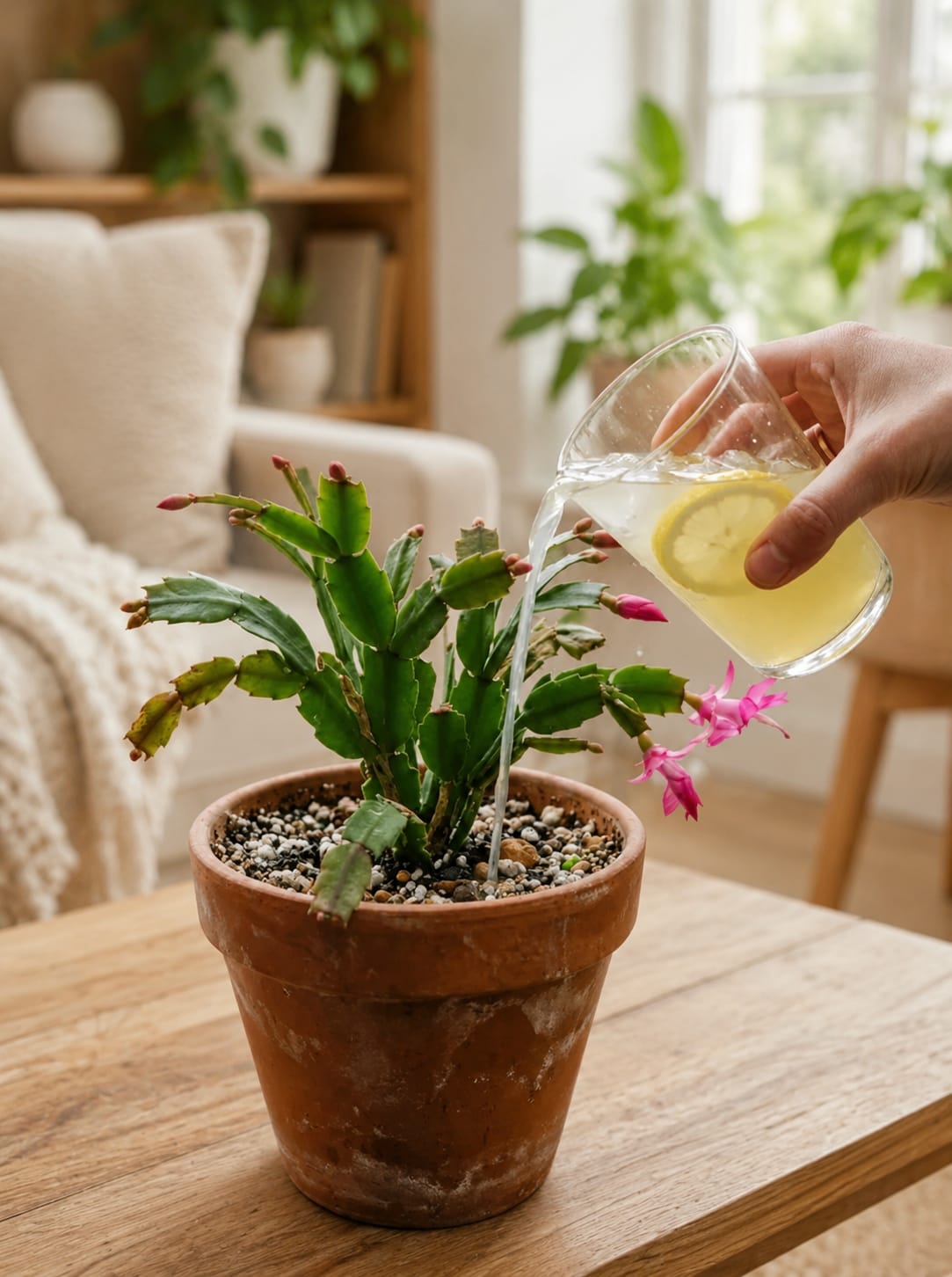
Christmas Cactus Care Guide: How to Use Lemon Water Safely Without Damaging Roots, Buds, or Beautiful Winter Blooms
Christmas cactus is one of the most charming flowering houseplants because it brings color at a time when many other indoor plants are quiet. Its flat green segments, arching shape, and bright flowers make it perfect for windowsills, shelves, hanging baskets, and cozy rooms. When the plant is healthy, the tips can fill with buds…
-

Christmas Cactus Care Guide: How to Grow a Full Hanging Basket With Healthy Segments, Strong Buds, and Bright Flowers
Christmas cactus is one of the most loved flowering houseplants because it can turn a quiet indoor corner into a bright display of color. Its soft green segmented stems hang gracefully over the edge of a pot, and when the plant is happy, the tips fill with buds that open into beautiful flowers. Many people…
-

Spider Plant Rescue Guide: How to Revive a Tired Spider Plant With Pruning, Root Care, Fresh Soil, and Safe Watering
Spider plants are usually known as easy, forgiving, and fast-growing houseplants, but even this strong plant can begin to look tired when its roots, soil, water, and light are out of balance. The image shows a struggling spider plant with drooping leaves, brown tips, dry edges, and weak growth being rescued step by step. The…