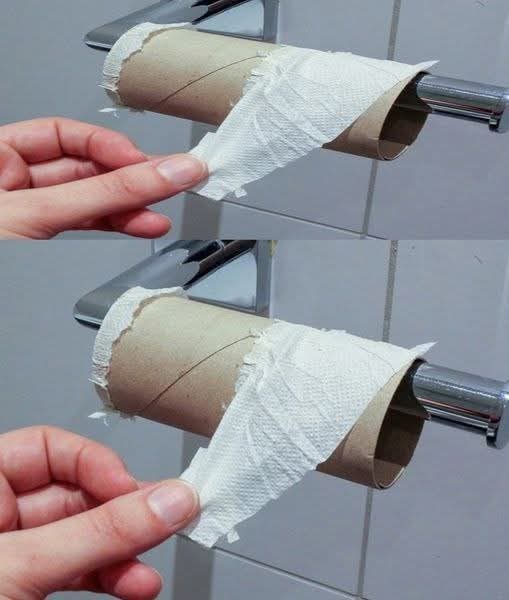
Toilet paper—something most of us use every day—might soon become a thing of the past. With the rising awareness of environmental impact, sustainability, and innovation, more and more people are beginning to question the necessity of toilet paper. In fact, the idea of toilet paper disappearing is becoming more likely as alternative options are developed and adopted. So, what will replace toilet paper in the future? Let’s explore some potential alternatives that could change the way we think about bathroom hygiene.
The Bidet: A Clean, Water-Based Solution
One of the most common and widely embraced alternatives to toilet paper is the bidet. A bidet is a bathroom fixture that sprays water to cleanse the body after using the toilet, reducing or eliminating the need for toilet paper altogether.
While bidets have been popular in Europe, Asia, and the Middle East for years, they are now making their way into North American homes. The introduction of bidet toilet seats, which can be added to existing toilets, makes this option more accessible and affordable. Bidets are not only more hygienic than toilet paper, but they also offer numerous benefits:
Eco-Friendly: Using a bidet greatly reduces the need for toilet paper, which means fewer trees are cut down for paper production. It also helps cut down on the carbon emissions associated with manufacturing and transporting toilet paper.
Cost-Effective: Although the upfront cost of installing a bidet might seem high, over time it can save money. Families can significantly reduce or even eliminate their toilet paper bills.
Better Hygiene: Water is a more effective and gentle cleaning agent than dry toilet paper. Many bidets also have adjustable water pressure and temperature, making the experience more comfortable.
Bidets are undoubtedly one of the most viable and popular alternatives to toilet paper, and as they become more affordable and widespread, they could become the norm in households worldwide.
Reusable Toilet Cloths: A Zero-Waste Option
In eco-conscious communities, reusable toilet cloths are becoming increasingly popular as an alternative to disposable toilet paper. These cloths are soft, durable, and washable, making them a more sustainable option for those who want to reduce waste and minimize their environmental footprint.
Reusable toilet cloths can be used in place of toilet paper for cleaning after using the restroom. They are made from soft, absorbent fabrics such as cotton, bamboo, or hemp, which are gentle on the skin while also being highly absorbent. After use, the cloths can be washed and reused multiple times, making them a long-term, zero-waste solution.
While the concept may seem unfamiliar or uncomfortable to some, it is gaining traction, especially in households focused on reducing single-use plastic and paper products. The cloths can be stored in a hygienic manner, washed with regular laundry, and even disinfected to ensure cleanliness.
Despite the growing interest, there are some downsides to consider. Reusable toilet cloths require effort and time for cleaning, and may not be suitable for everyone. However, they are certainly an alternative that’s both practical and eco-friendly for those willing to make the switch.
The Return to Water: A Cultural Shift Toward Hygiene
In many countries around the world, the idea of using water for cleaning instead of toilet paper is not a new concept. Water-based alternatives, such as handheld bidets or spray bottles, are already commonplace in places like the Middle East, India, and Southeast Asia. These water-based solutions are used to wash and clean after using the toilet, significantly reducing the need for toilet paper.
Handheld bidets, also known as spray hoses or shattafs, are small devices installed beside the toilet. These devices allow users to control the flow and pressure of water to cleanse the area after use. Spray bottles or small containers filled with water can also serve as a convenient and low-cost alternative.
Not only are these methods more hygienic, but they also reduce the environmental impact of toilet paper. Using water instead of paper eliminates waste and reduces deforestation caused by the production of toilet paper. As more people become aware of these benefits, it’s likely that water-based alternatives will continue to grow in popularity.
Sustainable Paper Products: A Greener Option
For those who prefer to stick with paper but want to make a more sustainable choice, eco-friendly toilet paper alternatives are already available. Made from sustainable materials such as bamboo, recycled paper, or hemp, these toilet papers have a much smaller environmental impact than traditional toilet paper made from virgin wood pulp.
Bamboo is a fast-growing plant that requires minimal water and pesticides to grow, making it an environmentally friendly alternative to wood-based paper. Recycled paper, on the other hand, reduces the demand for new raw materials and reduces the amount of waste going to landfills. Hemp, another sustainable option, grows quickly and doesn’t require harmful chemicals for cultivation.
Although these alternatives still rely on paper, they are biodegradable, compostable, and significantly more sustainable than traditional toilet paper. With the growing demand for eco-friendly products, it’s likely that these sustainable paper alternatives will continue to gain popularity.
Public Restroom Innovations: A Shift Toward Sustainability
As the world continues to move toward sustainability, public restrooms are also evolving. Many public facilities are already exploring innovations that can reduce the need for toilet paper, such as automated cleaning systems and toilet paper dispensers that limit waste.
One such innovation is the waterless toilet. These toilets use advanced technology to break down waste without water or paper, making them an eco-friendly choice for public restrooms. Some public restrooms are also integrating dry toilets or composting toilets, which use minimal water and are ideal for areas with water scarcity.
In addition to these technologies, some public restrooms are adopting reusable toilet cloths or spray systems to reduce waste and increase hygiene. As public restrooms continue to innovate, it’s likely that the traditional toilet paper roll will become a rare sight in many public spaces.
Conclusion: The Future of Toilet Paper
While it may be hard to imagine a world without toilet paper, the reality is that alternatives are already here, and their popularity is growing. Bidets, reusable cloths, water-based cleaning solutions, and eco-friendly paper alternatives are all viable options that can replace toilet paper. As technology and sustainability efforts continue to progress, the shift away from toilet paper is likely to gain momentum.
In the future, we may see a widespread shift toward these alternatives, with water-based solutions, bidets, and sustainable paper products becoming the new norm. The transition might take time, but as awareness of environmental issues and personal hygiene increases, toilet paper may very well become a thing of the past. It’s an exciting time for sustainable innovation, and the bathroom habits of tomorrow will undoubtedly look very different from today.
More Recipes You Might Like
-

Christmas Cactus Care Guide: How to Use Lemon Water Safely Without Damaging Roots, Buds, or Beautiful Winter Blooms
Christmas cactus is one of the most charming flowering houseplants because it brings color at a time when many other indoor plants are quiet. Its flat green segments, arching shape, and bright flowers make it perfect for windowsills, shelves, hanging baskets, and cozy rooms. When the plant is healthy, the tips can fill with buds…
-

Christmas Cactus Care Guide: How to Grow a Full Hanging Basket With Healthy Segments, Strong Buds, and Bright Flowers
Christmas cactus is one of the most loved flowering houseplants because it can turn a quiet indoor corner into a bright display of color. Its soft green segmented stems hang gracefully over the edge of a pot, and when the plant is happy, the tips fill with buds that open into beautiful flowers. Many people…
-

Spider Plant Rescue Guide: How to Revive a Tired Spider Plant With Pruning, Root Care, Fresh Soil, and Safe Watering
Spider plants are usually known as easy, forgiving, and fast-growing houseplants, but even this strong plant can begin to look tired when its roots, soil, water, and light are out of balance. The image shows a struggling spider plant with drooping leaves, brown tips, dry edges, and weak growth being rescued step by step. The…