In most households, the act of flushing the toilet is almost automatic after each use. It’s a practice ingrained in daily routines. However, there’s a growing movement that encourages people not to flush the toilet every time they urinate. This idea may sound strange to some, but it is rooted in several critical considerations: water conservation, environmental impact, and even health and hygiene in certain situations.
The notion of skipping a flush after urination may seem trivial at first, but the cumulative impact of such small changes can be significant, especially when viewed on a global scale. In this article, we’ll delve into why this practice has gained attention and discuss how it could help save water, reduce energy consumption, lower costs, and make a positive environmental impact.
Let’s explore why this small adjustment in our behavior could have a ripple effect on sustainability, resource management, and environmental consciousness.
1. Water Conservation: Why Flushing Every Time Uses Too Much Water
One of the primary reasons behind the argument to avoid flushing after each urination is water conservation. Most modern toilets use between 1.6 to 3.5 gallons (6-13 liters) per flush. While this amount may not seem like a lot for a single flush, it quickly adds up, especially in households or public spaces with high foot traffic or frequent toilet use.
The Water Footprint of Flushing
In an average household, a family may flush the toilet anywhere from 5 to 10 times a day. That’s 50 to 100 gallons (190 to 380 liters) of water used just for toilet flushing. If you consider how often people urinate, it becomes clear that many of these flushes could be avoided without affecting hygiene or comfort.
The Problem with Wasting Water
Water is a precious resource, and fresh, clean water is becoming scarcer in many parts of the world. Climate change, over-extraction of water sources, and population growth are putting tremendous pressure on our water supplies. In regions that face water shortages, every drop counts. In fact, nearly 2 billion people live in countries experiencing high water stress, according to the World Resources Institute.
By skipping a flush after urinating, we can save water with minimal impact. Urine itself is sterile (unless there’s an infection), so there’s no need to flush after every single visit to the toilet. Only the buildup of waste should prompt a flush.
2. The Environmental Impact: How Reducing Flushes Can Help the Planet
Flushing toilets not only consumes a lot of water but also contributes significantly to energy consumption. Water treatment plants use considerable amounts of energy to treat, transport, and distribute clean water. The more water we use and waste, the more energy is consumed in the process.
Energy Consumption and Carbon Footprint
When you flush the toilet, the water has to be pumped, treated, and then distributed to your home or facility. In many areas, this requires burning fossil fuels, leading to higher carbon emissions. By reducing the number of flushes, we help to minimize the demand for energy required in the water supply process.
Each gallon of water that is conserved represents energy saved in the form of reduced treatment and pumping. Even if you only save one gallon per flush, over the course of a month or year, that savings can add up, which ultimately reduces the carbon footprint of your household.
The Water Treatment Process
Most water treatment plants have to filter and purify water before it’s sent to our homes. This process involves chemicals, filtration systems, and significant energy use. Not only does this consume energy, but it also generates waste products that can be harmful to the environment if not properly disposed of. By flushing less frequently, you contribute to less energy consumption in water treatment facilities and less chemical waste.
3. Financial Savings: How Flushing Less Can Reduce Your Water Bill
Water usage is metered in many parts of the world, which means households pay for every gallon of water they consume. Flushing the toilet multiple times a day can add up, significantly raising your monthly water bill.
Lower Utility Bills
According to the Environmental Protection Agency (EPA), the average U.S. household uses about 400 gallons (1,514 liters) of water per day, and approximately 30% of that is used for flushing toilets. By reducing the number of flushes, you can lower your water bill, resulting in monthly savings. The savings will vary depending on your water rates and how often you urinate, but it’s clear that fewer flushes can have a noticeable impact.
For instance, by reducing the number of toilet flushes by even 50% per day, you could save several hundred gallons of water each month. This could translate to a significant reduction in your water costs.
Long-Term Savings
If you live in an area with a fixed water cost, reducing your water usage can provide long-term savings over the years. Although it may seem like a small change, over time, the amount saved can be used for more meaningful investments or environmental efforts.
4. Health and Hygiene Considerations: When Flushing Might Be Necessary
While water conservation and environmental impact are critical factors, hygiene and health are paramount in any bathroom routine. So, the question arises: when is it essential to flush after urinating?
Public Restrooms and Hygiene
In public restrooms or shared spaces, flushing immediately after urinating is often necessary. This is primarily to maintain cleanliness and control odors. In such situations, people may be concerned about sanitation, and flushing immediately becomes a matter of hygiene rather than just water conservation.
Health Concerns
If a person has a urinary tract infection (UTI) or any other form of infection, it may be a good idea to flush after each use to avoid any potential contamination or spread of bacteria. In such cases, it is best to prioritize hygiene over conservation to prevent the spread of germs.
Additionally, certain medical conditions might make frequent urination more necessary or could make it important to maintain a particularly clean toilet. When in doubt, personal health and hygiene should always be prioritized.
Odor Control
Sometimes, urinating in the toilet without flushing immediately can lead to unpleasant smells, particularly in warm or humid environments. This is another reason why people might choose to flush after urinating, particularly when dealing with larger amounts of waste or stronger smells. However, this is often a consideration when the toilet is used by more than one person.
5. The Alternative: Low-Flow Toilets and Water-Saving Features
If you’re concerned about the amount of water you’re using but still want to maintain good hygiene, there’s a solution: low-flow toilets. These toilets are designed to use less water per flush while still effectively removing waste. Many modern toilets use as little as 1.28 gallons (4.8 liters) per flush, which can significantly reduce water consumption.
Dual Flush Toilets
Dual-flush toilets allow you to choose between a low-flow flush for liquid waste and a more powerful flush for solid waste. This type of toilet is a great option for those looking to reduce water usage but still want the ability to flush when necessary.
6. Educating Others and Raising Awareness
While it’s easy to overlook something as simple as flushing the toilet, it’s a habit that, when altered, can have profound impacts on water conservation and the environment. By raising awareness about this practice, you can educate others about the benefits of saving water, encourage more responsible water use, and promote sustainable living practices.
How to Encourage Others to Save Water
Start by leading by example: If you begin flushing less frequently, others may start to follow suit, particularly those in shared spaces like public restrooms or communal living areas.
Use signs or informational posters: In places like offices or schools, placing informative signs about water conservation could help people think twice before flushing.
Engage with your community: Work with local community groups or environmental organizations to raise awareness about water-saving practices in the home and workplace.
Conclusion: Flushing Less, Saving More
The simple act of not flushing the toilet every time you urinate can have a significant impact on water conservation, the environment, and even your household budget. While it’s important to consider hygiene and personal health, there are times when flushing less frequently can help conserve valuable resources.
By making small changes, such as flushing only when necessary or using low-flow toilets, you can contribute to the reduction of water and energy consumption, and ultimately make a positive impact on the planet. These practices not only save money but also align with sustainable living goals, helping to ensure that future generations can enjoy clean water and a healthier environment.
So, the next time you’re about to flush, consider whether it’s really necessary. Your small efforts can have a big effect, both for your wallet and for the planet.
More Recipes You Might Like
-

Christmas Cactus Care Guide: How to Use Lemon Water Safely Without Damaging Roots, Buds, or Beautiful Winter Blooms
Christmas cactus is one of the most charming flowering houseplants because it brings color at a time when many other indoor plants are quiet. Its flat green segments, arching shape, and bright flowers make it perfect for windowsills, shelves, hanging baskets, and cozy rooms. When the plant is healthy, the tips can fill with buds…
-

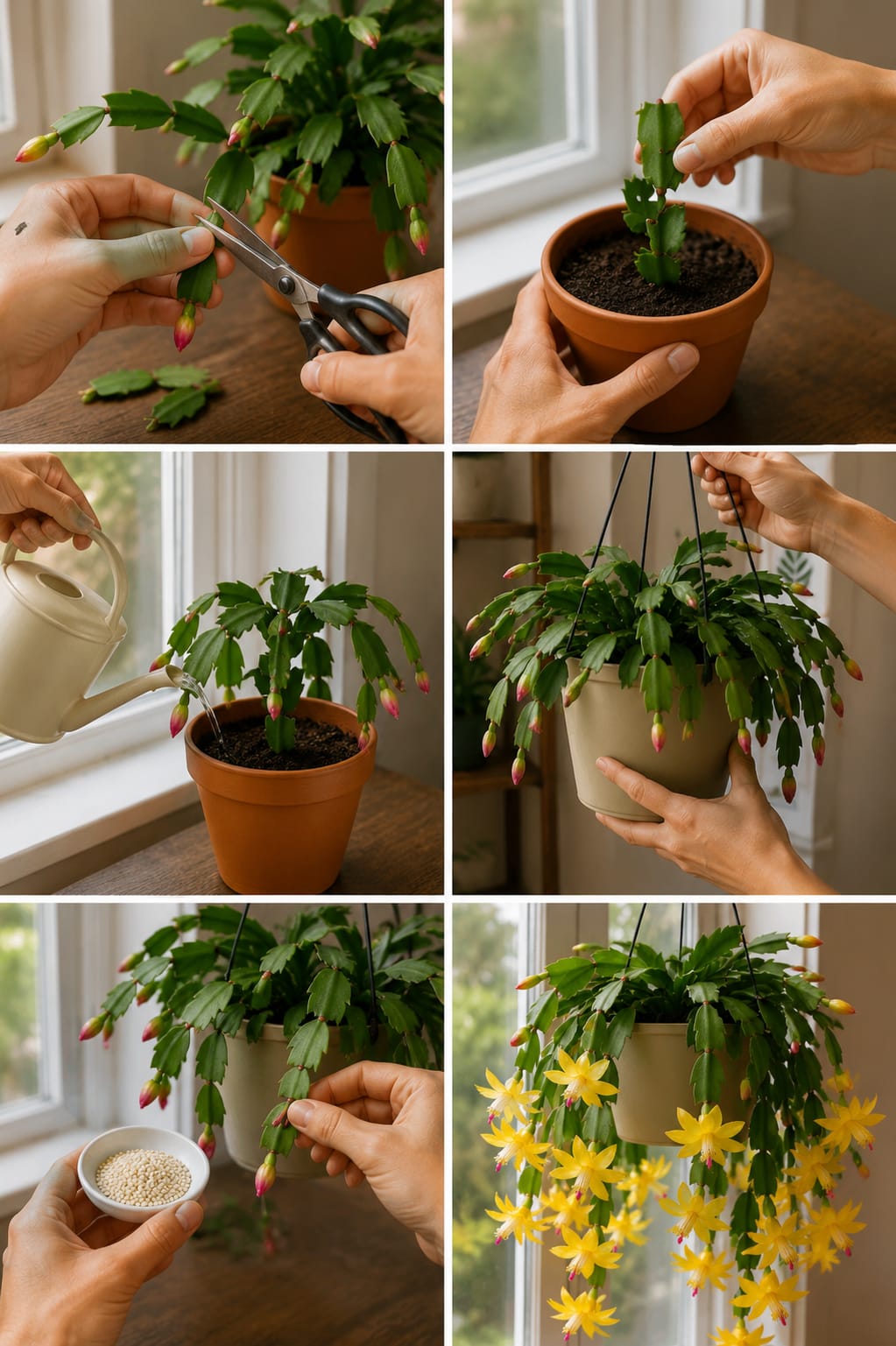
Christmas Cactus Care Guide: How to Grow a Full Hanging Basket With Healthy Segments, Strong Buds, and Bright Flowers
Christmas cactus is one of the most loved flowering houseplants because it can turn a quiet indoor corner into a bright display of color. Its soft green segmented stems hang gracefully over the edge of a pot, and when the plant is happy, the tips fill with buds that open into beautiful flowers. Many people…
-

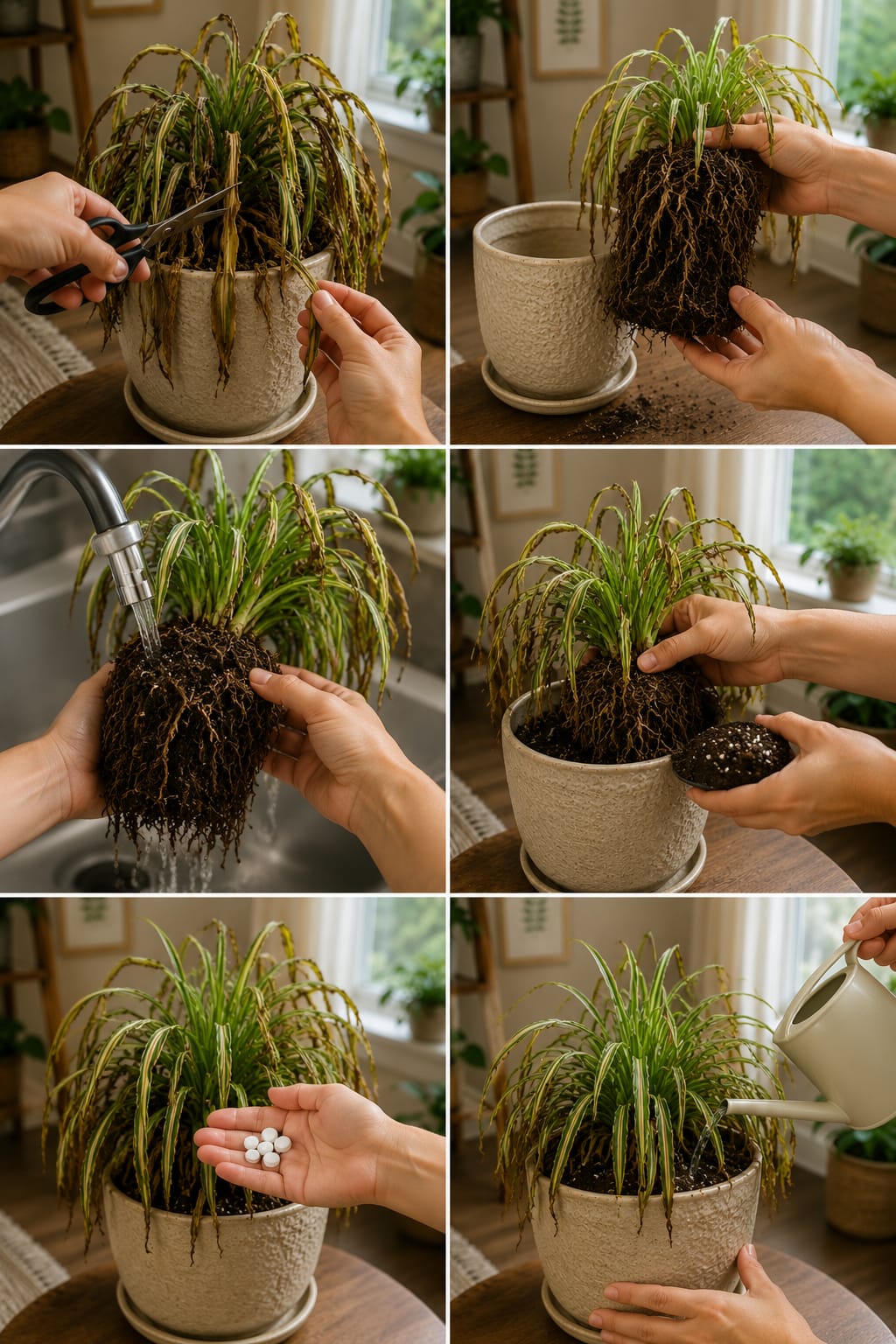
Spider Plant Rescue Guide: How to Revive a Tired Spider Plant With Pruning, Root Care, Fresh Soil, and Safe Watering
Spider plants are usually known as easy, forgiving, and fast-growing houseplants, but even this strong plant can begin to look tired when its roots, soil, water, and light are out of balance. The image shows a struggling spider plant with drooping leaves, brown tips, dry edges, and weak growth being rescued step by step. The…