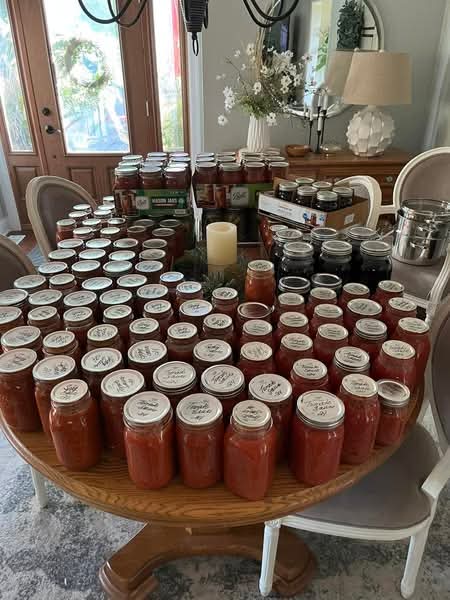
If there’s one dish that has earned its place in kitchens around the world, it’s spaghetti. And the key to an unforgettable spaghetti dish? The sauce. Whether you’re making it for a cozy family dinner or prepping for a big batch to preserve, perfecting your spaghetti sauce is an art. I recently had the pleasure of creating my own homemade spaghetti sauce, and after countless iterations and testing, I finally nailed the perfect recipe. With over 140 jars now ready for use, I’m proud of my sauce’s rich, flavorful depth. This article will walk you through how to make your own perfect spaghetti sauce—from selecting the ingredients to canning your sauce for long-term storage.
1. Why Make Your Own Spaghetti Sauce?
There are many reasons why making homemade spaghetti sauce is a worthwhile endeavor. Pre-made sauces often contain preservatives, added sugars, and other artificial ingredients. By making your own, you have full control over what goes into the sauce. Plus, the homemade flavor—rich, fresh, and personalized—is unbeatable.
Making your sauce from scratch also allows you to tailor the flavors to your preferences. Do you prefer a sweet sauce, a tangy one, or a spice-filled kick? You can adjust the ingredients and seasoning to match exactly what you’re craving. And of course, nothing compares to the satisfaction of cooking from scratch, knowing that each ingredient is carefully chosen and perfectly balanced.
2. Gathering the Ingredients for the Perfect Sauce
The foundation of any great spaghetti sauce is its ingredients. For the best results, use the freshest produce and high-quality pantry staples. Here’s a rundown of the ingredients you’ll need:
Tomatoes: The Heart of the Sauce
Tomatoes are the star of any spaghetti sauce, so they should be the highest quality you can find. You can use fresh tomatoes, but for a rich, deep flavor, many people prefer using canned San Marzano tomatoes. They’re known for their natural sweetness and low acidity. If you go the fresh route, select ripe, juicy Roma tomatoes for the perfect consistency.
Olive Oil: The Flavor Enhancer
Extra virgin olive oil adds richness and depth to your sauce. It provides a smooth base and brings together all the flavors in the sauce. Be sure to use a good-quality oil to elevate the final dish.
Onion: Aromatic Base
Onions provide a fragrant and savory foundation for the sauce. They should be finely chopped to create a soft, melt-in-your-mouth texture once they cook down.
Garlic: A Flavor Booster
Garlic is one of those ingredients that can take any sauce to the next level. The flavor is bold and fragrant, but be cautious not to burn it. Lightly sauté it to bring out its sweetness without letting it become bitter.
Herbs and Seasonings: Freshness and Warmth
The beauty of spaghetti sauce lies in its versatility. Fresh basil, oregano, thyme, and bay leaves are common go-to herbs, and dried herbs are just as effective if fresh ones are unavailable. Adding a pinch of red pepper flakes or a dash of sugar can also be great ways to balance the acidity of the tomatoes and bring the sauce to life.
Tomato Paste: The Secret Thickener
Tomato paste adds richness and helps thicken the sauce. This concentrated tomato flavor intensifies the overall taste and gives the sauce the right consistency to cling to your pasta.
Salt and Pepper: Essential Seasonings
A bit of salt and freshly ground black pepper will help to bring all the flavors together. Adjust the seasoning to taste as you go along.
3. The Step-by-Step Process of Making the Perfect Spaghetti Sauce
Once you have all your ingredients ready, it’s time to start cooking. Here’s a detailed, step-by-step guide to making your spaghetti sauce:
Step 1: Prep Your Ingredients
Start by preparing your vegetables. Finely chop your onions and garlic. If you’re using fresh tomatoes, chop them into small chunks and remove the seeds if you prefer a smoother sauce. Set everything aside, so you’re ready to add them to the pot as you cook.
Step 2: Sauté the Onion and Garlic
In a large pot, heat a few tablespoons of extra virgin olive oil over medium heat. Add the chopped onions and sauté for 5–7 minutes, stirring occasionally, until the onions become translucent and soft. This will create a nice, aromatic base for the sauce.
Next, add the minced garlic to the pot and cook for an additional 1–2 minutes. Be cautious not to let the garlic burn, as it can become bitter quickly.
Step 3: Add the Tomatoes and Tomato Paste
If you’re using canned tomatoes, add them directly to the pot. Break them apart using a spoon or potato masher for a chunkier sauce, or use a hand blender to create a smoother texture. If you’re using fresh tomatoes, add them to the pot and let them simmer for a few minutes until they soften.
Stir in the tomato paste to help thicken the sauce and intensify the flavor. Mix everything together thoroughly.
Step 4: Season the Sauce
Now it’s time to season your sauce. Add a pinch of salt, a few cracks of black pepper, and any dried or fresh herbs you’re using. I recommend adding basil, oregano, and thyme, as well as a couple of bay leaves for extra flavor. If you prefer a bit of heat, toss in a pinch of red pepper flakes.
Add a teaspoon of sugar to balance the acidity of the tomatoes and create a smoother, more balanced flavor profile.
Step 5: Simmer and Stir
Reduce the heat to low and let the sauce simmer, uncovered, for at least 30 minutes, stirring occasionally. The longer you allow it to cook, the richer and more developed the flavor will become. If you like a thicker sauce, let it simmer longer; if it’s too thick, add a splash of water or broth to adjust the consistency.
Step 6: Adjust Seasonings and Final Touches
Taste your sauce and adjust the seasonings as needed. You may want to add a little more salt, pepper, or sugar, depending on your preference. If the sauce feels too acidic, a small pinch of baking soda can neutralize the acidity.
4. Making It Your Own: Customizing Your Spaghetti Sauce
One of the best parts of making homemade spaghetti sauce is that you can truly make it your own. Here are a few ways to personalize your sauce:
Add Ground Meat: If you like a meat sauce, brown some ground beef, pork, turkey, or Italian sausage before adding the onions and garlic. This will give your sauce a hearty and satisfying texture.
Incorporate Vegetables: For added nutrition and flavor, try adding chopped bell peppers, zucchini, mushrooms, or carrots.
Create a Creamier Sauce: If you prefer a creamy sauce, add a splash of heavy cream or mascarpone cheese toward the end of cooking for a velvety finish.
Spicy Kick: For those who love a spicy bite, increase the amount of red pepper flakes or add a fresh chili pepper when sautéing the onions and garlic.
5. Storing and Canning Your Sauce
After you’ve perfected your sauce, it’s time to preserve it for future use. You can store it in airtight containers in the fridge for up to 5 days. But if you’re like me and want to stock up for months, canning is the way to go. Here’s how to can your spaghetti sauce:
Sterilize the Jars: Start by sterilizing your glass jars and lids. You can do this by boiling them in a large pot of water for 10 minutes, then letting them dry completely.
Fill the Jars: Once your sauce is ready, carefully ladle it into the sterilized jars, leaving about 1 inch of space at the top. Wipe the rims of the jars with a clean cloth to remove any sauce residue.
Seal and Process the Jars: Place the lids on the jars and screw on the bands until they’re fingertip-tight. Process the jars in a hot water bath for 30 minutes. Once done, let them cool completely. Check the seals to make sure they’ve properly sealed (the center of the lid should not pop back when pressed).
Label and Store: Label each jar with the date and contents, then store them in a cool, dark place. Your sauce should stay good for up to a year.
6. Conclusion: The Reward of Homemade Spaghetti Sauce
Making homemade spaghetti sauce is a rewarding experience that brings not only great flavor but also a sense of pride. Whether you’re cooking a simple dinner or preparing a large batch to store, this recipe is sure to be a hit in your home. The best part is that you can enjoy it for months to come, knowing that you’ve made it with love and the finest ingredients.
So, gather your ingredients, roll up your sleeves, and get ready to experience the satisfaction of creating your very own perfect spaghetti sauce. You won’t regret it!
More Recipes You Might Like
-

Easy African Violet Care: Simple Tips for Lush Growth and Vibrant Blooms
African violets are small, elegant, and full of charm. Their soft fuzzy leaves, compact shape, and bright purple, pink, white, blue, or double flowers make them one of the most loved indoor flowering plants. They look beautiful on windowsills, shelves, kitchen counters, bedroom tables, office desks, and cozy plant corners. Even one healthy African violet…
-

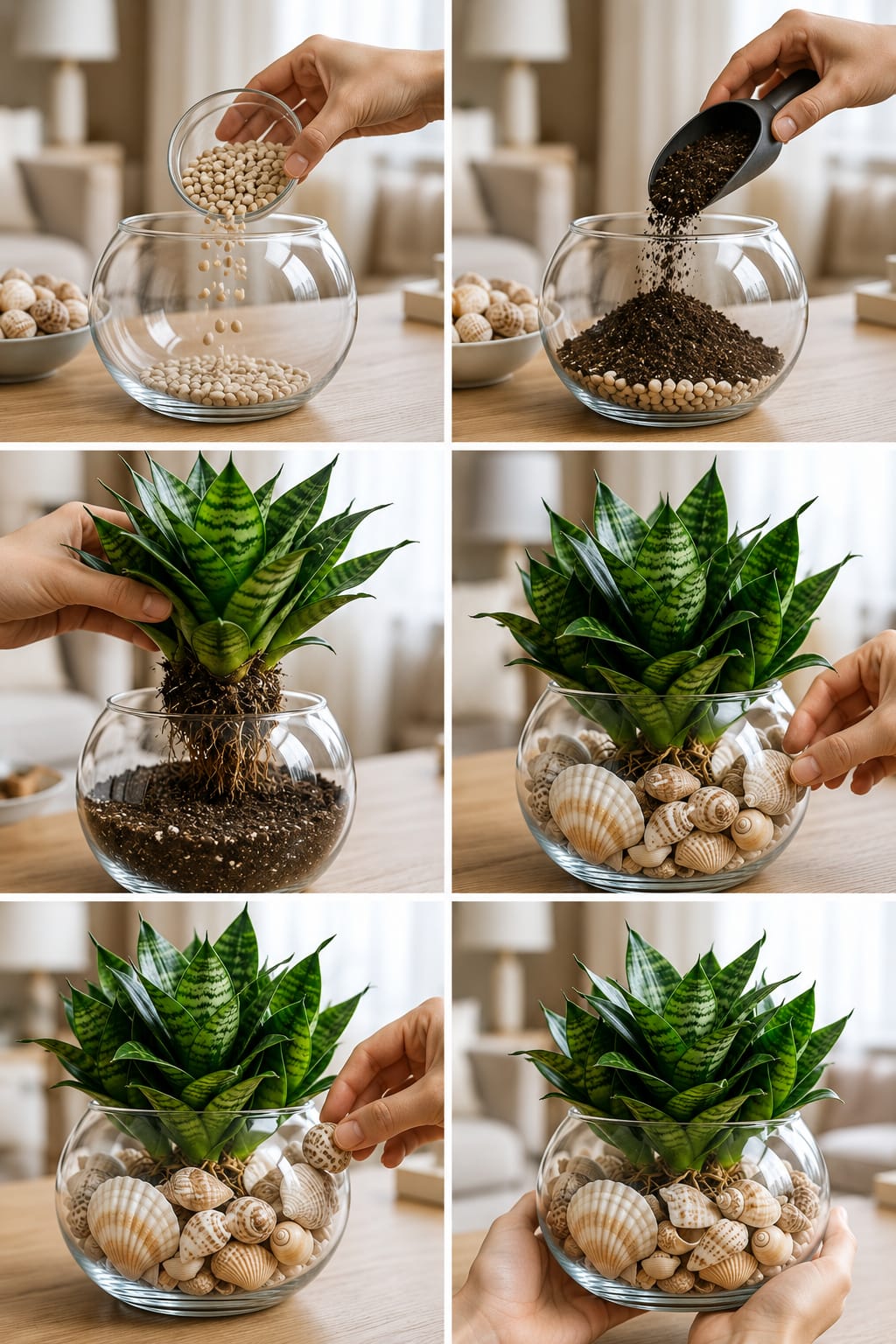
Bird’s Nest Snake Plant Fishbowl Garden: A Complete Guide to Creating a Beautiful Glass Bowl Display With Shells, Strong Roots, Healthy Leaves, and Stylish Indoor Decor
Bird’s Nest Snake Plant is one of the most beautiful compact houseplants for small indoor spaces. Its short rosette shape, thick patterned leaves, and elegant green form make it perfect for tables, shelves, desks, windowsills, bedrooms, offices, and living room displays. Unlike tall snake plants that grow like upright swords, Bird’s Nest Snake Plant grows…
-

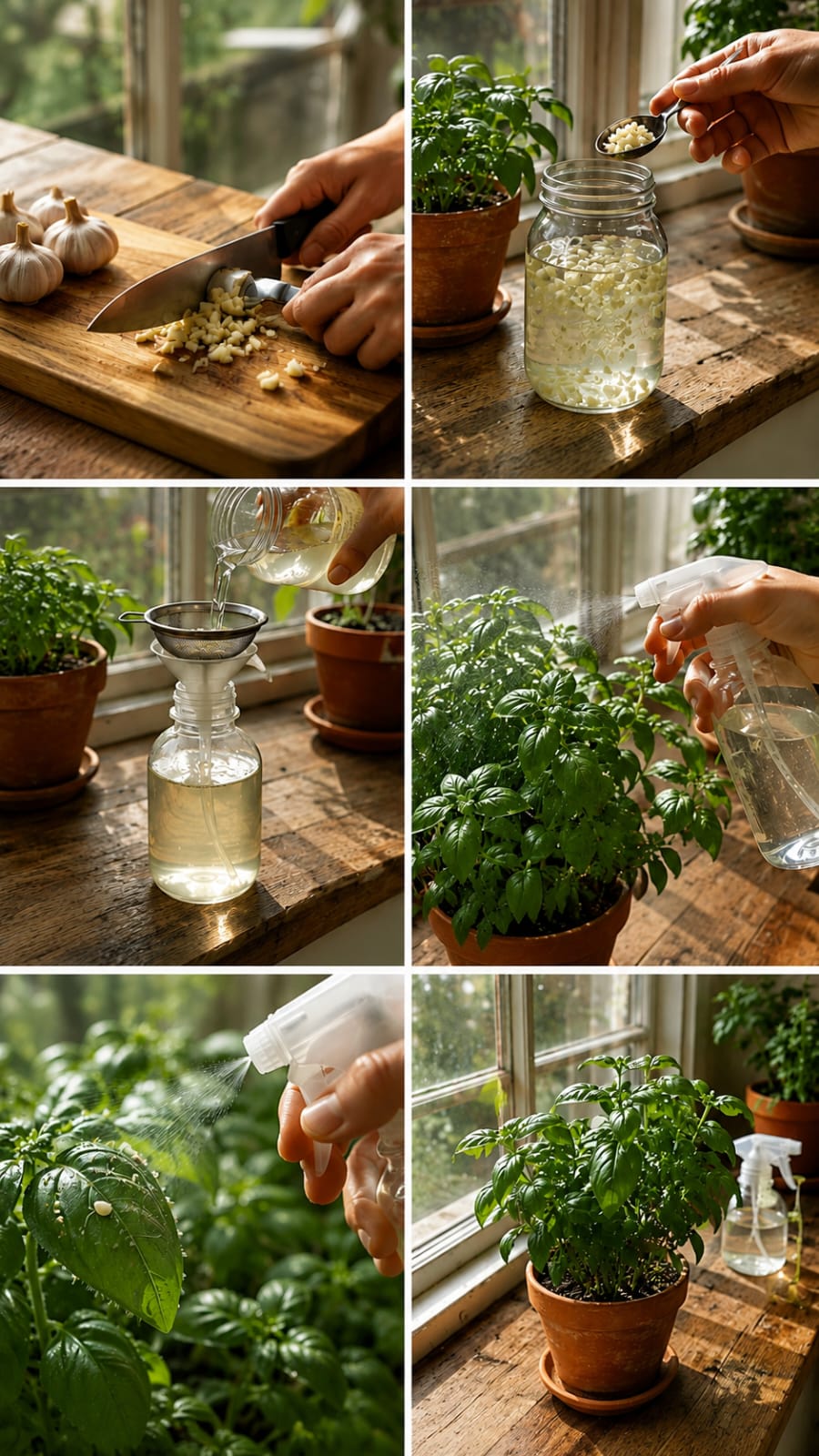
Garlic Spray for Indoor Plants: A Complete Guide to Making a Natural Garlic Water Spray for Basil, Herbs, Houseplants, Pest Prevention, Leaf Care, and Healthy Indoor Growth
Indoor plants bring freshness, color, scent, and life into the home. A sunny windowsill filled with basil, mint, parsley, pothos, peppers, flowers, and leafy houseplants can make any room feel warmer and more natural. But indoor plants also face problems. Leaves can become dusty. Tiny pests can appear. Soil can stay too wet. Basil can…