If you’ve ever craved soft, fluffy, and freshly baked bread, then this Amish White Bread recipe is for you. Known for its easy-to-follow process and rich texture, this bread will fill your kitchen with mouth-watering aromas and leave everyone asking for more. Whether you’re a beginner baker or someone who loves the process of making bread from scratch, this Amish White Bread is perfect for any skill level.
In this blog, we’ll go through the process of making this delicious white bread, along with tips, tricks, and serving ideas. Let’s get started!
1. What is Amish White Bread?
Amish White Bread is a traditional bread recipe that originates from the Amish community, known for their simple and wholesome lifestyle. This bread is incredibly soft and slightly sweet, with a delicate, airy texture that makes it perfect for sandwiches, toast, or just enjoying on its own with a pat of butter.
The secret to its softness lies in the use of warm water, sugar, and active dry yeast, which work together to create a perfect rise, resulting in a fluffy loaf every time. Whether you’re making it for family dinners, a weekend breakfast, or even gifting it, this Amish White Bread never disappoints.
2. Ingredients for Amish White Bread
To make this delicious loaf of bread, you only need a few simple ingredients. Here’s what you’ll need:
Ingredients:
2 cups warm water (around 110°F or 43°C)
2/3 cup white sugar
1 1/2 tablespoons active dry yeast (2 packets)
1 1/2 teaspoons salt
1/4 cup vegetable oil (or canola oil)
5 1/2 to 6 cups all-purpose flour
3. Step-by-Step Instructions for Amish White Bread
Making Amish White Bread is surprisingly easy. In just a few simple steps, you can create a soft, golden loaf that’s perfect for any meal. Here’s how to do it:
Step 1: Activate the Yeast
Start by combining the warm water and white sugar in a large mixing bowl. Stir well until the sugar is dissolved.
Sprinkle the active dry yeast over the sugar-water mixture. Let it sit for about 5-10 minutes, or until the yeast becomes bubbly and foamy. This process is called proofing the yeast and ensures it’s active and ready to work.
Step 2: Add Oil and Salt
Once the yeast is activated, add 1 1/2 teaspoons of salt and 1/4 cup of vegetable oil to the mixture. Stir well to combine. The oil adds moisture to the bread, making it soft and tender.
Step 3: Gradually Add Flour
Start adding the flour, one cup at a time, mixing well after each addition. Continue adding flour until the dough begins to pull away from the sides of the bowl and forms a ball. You may need between 5 1/2 to 6 cups of flour, depending on the humidity and temperature.
Once you’ve added most of the flour, turn the dough out onto a floured surface.
Step 4: Knead the Dough
Knead the dough for about 8-10 minutes until it becomes smooth and elastic. You can add more flour as needed to prevent the dough from sticking. The dough should be soft, but not too sticky.
Step 5: Let the Dough Rise
Place the kneaded dough in a lightly oiled bowl. Cover the bowl with a clean kitchen towel or plastic wrap.
Allow the dough to rise in a warm area for about 1-2 hours, or until it has doubled in size. This is known as the first rise.
Step 6: Punch Down and Shape
After the dough has risen, punch it down to release the air. Turn it out onto a floured surface and shape it into a loaf by rolling it into a tight cylinder.
Step 7: Second Rise in the Pan
Grease two 9×5-inch loaf pans. Place the shaped dough into the pans and cover them with a clean towel. Let the dough rise for another 30-45 minutes, or until the dough has risen just above the edge of the pans.
Step 8: Bake the Bread
Preheat your oven to 350°F (175°C).
Once the dough has finished the second rise, place the loaf pans in the oven and bake for 30-35 minutes, or until the bread is golden brown on top and sounds hollow when tapped on the bottom.
Step 9: Cool the Bread
Once baked, remove the bread from the pans and let them cool on a wire rack. Let the bread cool completely before slicing.
4. Tips for Perfect Amish White Bread
To ensure your Amish White Bread turns out perfect every time, here are some helpful tips:
1. Use Warm Water (Not Hot!)
Be sure to use warm water, not hot water, to activate the yeast. Water that’s too hot can kill the yeast, and if the water is too cold, the yeast won’t activate properly. Aim for about 110°F (43°C), which feels comfortably warm to the touch.
2. Knead Properly
Kneading the dough is essential for creating a soft and airy loaf. If the dough is too sticky, you can add a little more flour. If it’s too dry, add a small amount of warm water, but don’t overdo it.
3. Let the Dough Rise Fully
For the best texture and flavor, be sure to let the dough rise fully before baking. If the dough hasn’t risen enough, the bread might turn out dense and heavy.
4. Experiment with Add-ins
You can add extras like raisins, walnuts, or even cinnamon for a twist on the classic bread. Simply fold these into the dough after the first rise.
5. Store Properly
Once your bread is completely cool, store it in an airtight container or plastic bag to keep it fresh. This bread is best enjoyed within a few days but can also be frozen for up to 3 months.
5. Serving Suggestions for Amish White Bread
This Amish White Bread is incredibly versatile and can be served with a variety of dishes. Here are some ideas on how to enjoy it:
1. Toasted with Butter:
One of the simplest and most delicious ways to enjoy this bread is to toast it and spread a generous amount of butter on top. You can also add a drizzle of honey or jam for extra sweetness.
2. Sandwiches:
Use this soft, fluffy bread for your favorite sandwiches. It’s perfect for grilled cheese, ham and cheese, or even a classic PB&J.
3. With Soup:
Amish White Bread pairs wonderfully with soups and stews. Whether you’re enjoying a bowl of tomato soup, chicken noodle, or beef stew, this bread is the perfect accompaniment.
4. As a Side for Dips:
Slice the bread into cubes and serve it with your favorite dips. It’s a great option for spinach artichoke dip, cheese dips, or salsa.
6. Why You Should Try Amish White Bread
1. Easy to Make:
Making this bread from scratch is easier than you might think. The steps are simple, and with just a bit of patience during the rising time, you’ll have homemade bread that rivals anything from the bakery.
2. Great for Beginners:
If you’ve never baked bread before, this is a perfect recipe to start with. It doesn’t require any special equipment or techniques, and the ingredients are easy to find.
3. Deliciously Soft and Fluffy:
This bread is the epitome of soft, fluffy goodness. The texture is light, making it perfect for sandwiches, toast, or enjoying on its own.
4. Budget-Friendly:
Compared to buying fresh bread at the store, making Amish White Bread at home is cost-effective. Plus, you can bake several loaves at once and freeze them for future use.
7. Conclusion: A Slice of Homemade Comfort
Amish White Bread is the perfect addition to your baking repertoire. It’s simple, flavorful, and sure to impress anyone who gets a taste. Whether you’re looking to enjoy it as a quick snack, make sandwiches, or serve it with a hearty meal, this bread will bring warmth and comfort to your kitchen.
So, grab your ingredients, fire up the oven, and start baking your own Amish White Bread today. It’s a deliciously easy recipe that will soon become a family favorite!
More Recipes You Might Like
-

Christmas Cactus Care Guide: How to Use Lemon Water Safely Without Damaging Roots, Buds, or Beautiful Winter Blooms
Christmas cactus is one of the most charming flowering houseplants because it brings color at a time when many other indoor plants are quiet. Its flat green segments, arching shape, and bright flowers make it perfect for windowsills, shelves, hanging baskets, and cozy rooms. When the plant is healthy, the tips can fill with buds…
-

Christmas Cactus Care Guide: How to Grow a Full Hanging Basket With Healthy Segments, Strong Buds, and Bright Flowers
Christmas cactus is one of the most loved flowering houseplants because it can turn a quiet indoor corner into a bright display of color. Its soft green segmented stems hang gracefully over the edge of a pot, and when the plant is happy, the tips fill with buds that open into beautiful flowers. Many people…
-

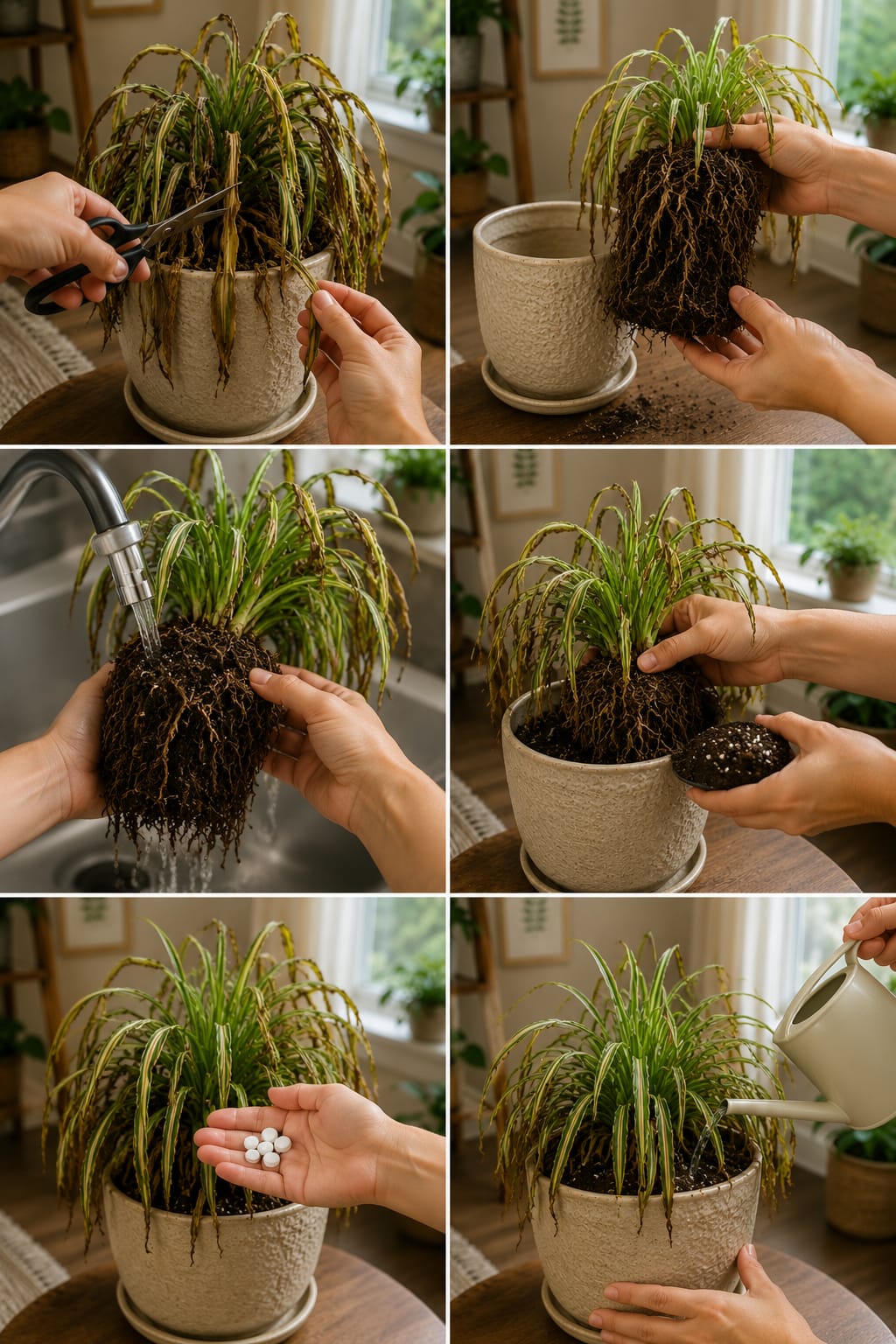
Spider Plant Rescue Guide: How to Revive a Tired Spider Plant With Pruning, Root Care, Fresh Soil, and Safe Watering
Spider plants are usually known as easy, forgiving, and fast-growing houseplants, but even this strong plant can begin to look tired when its roots, soil, water, and light are out of balance. The image shows a struggling spider plant with drooping leaves, brown tips, dry edges, and weak growth being rescued step by step. The…