In the world of food history, few items evoke as much nostalgia and intrigue as the long, rectangular blocks of processed cheese commonly known as “government cheese.” For many, it brings back memories of the 1980s and 1990s, a time when this processed cheese product was widely distributed through welfare programs across the United States. Today, government cheese is a symbol of resilience, adaptation, and resourcefulness in the face of hardship. In this article, we will explore the origins, uses, and lasting legacy of this iconic food item.
1. The Origins of Government Cheese: A Historical Perspective
The History of Cheese Distribution
The idea of distributing cheese as part of government assistance has roots that extend back to the 1930s during the Great Depression. As the U.S. economy collapsed, many dairy farmers found themselves unable to sell their milk due to plummeting prices. At the same time, millions of Americans were struggling with poverty and food insecurity. In response to this crisis, the U.S. government sought to support the agricultural industry while simultaneously addressing the needs of low-income families.
One of the solutions the government came up with was to purchase surplus dairy products, including cheese, and distribute them through welfare programs. This marked the beginning of government involvement in cheese distribution, which would eventually lead to the creation of government cheese as we know it today.
The 1970s and the Emergence of Government Cheese
The real evolution of government cheese occurred in the 1970s. As the dairy industry continued to experience volatility, the U.S. Department of Agriculture (USDA) initiated programs aimed at stabilizing prices and supporting dairy farmers. The government began purchasing surplus cheese to prevent the collapse of the industry and ensure that dairy farmers had a reliable market for their products.
By the late 1970s, the USDA began distributing large quantities of processed cheese to food banks, low-income families, and welfare programs across the nation. This cheese was often a blend of cheddar or other cheeses, designed to have a long shelf life and a relatively low cost to produce.
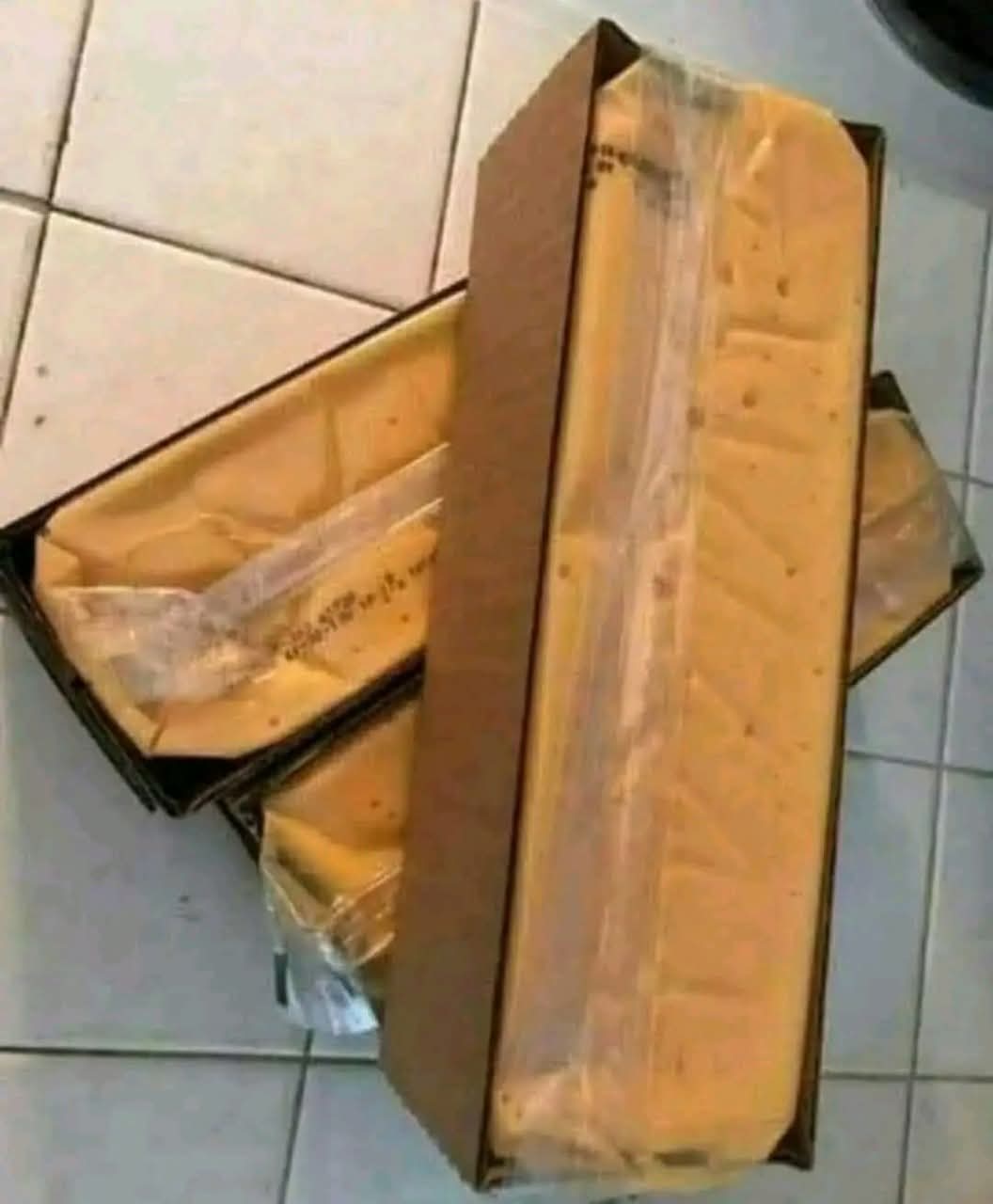
The cheese came in large blocks, often weighing several pounds each, making it easy to distribute and store. Its bright yellow color and distinctive, slightly oily texture made it immediately recognizable. Government cheese, which was mass-produced and processed for durability, became a symbol of government aid.
2. The Role of Government Cheese in Food Assistance Programs
A Staple for Low-Income Families
Government cheese quickly became a staple in households across the country, particularly in low-income families. As part of various welfare programs, families could rely on receiving this processed cheese along with other basic food staples like canned vegetables, flour, and powdered milk. For many families, it was often the only source of cheese available to them.
For individuals and families living on fixed incomes, government cheese provided a cheap source of protein and nutrition. It helped stretch the limited food budgets that were typical of households receiving government assistance.
3. The Versatility of Government Cheese: Making the Most of What You Have
A Creative Ingredient in Everyday Meals
One of the key reasons government cheese became so widely embraced was its versatility in cooking. Despite its processed nature, it was surprisingly adaptable in a wide range of dishes. For families struggling to make meals from basic pantry items, government cheese provided a way to add flavor and richness to otherwise bland meals.
Government cheese could be melted for nachos, added to casseroles, or used to make grilled cheese sandwiches. Some households even got creative and found ways to incorporate it into desserts, combining it with other pantry staples to create unique treats. This creative use of ingredients was born out of necessity, showcasing the resourcefulness of families who adapted to their circumstances.
Here are a few examples of how families made the most of government cheese:
Mac and Cheese: A classic comfort food, government cheese was often used as the base for homemade macaroni and cheese. The cheese’s ability to melt easily and create a smooth, creamy sauce made it a natural choice for this dish.
Cheese Casseroles: In the absence of expensive cheeses, families relied on government cheese to create hearty casseroles. Mixed with noodles, vegetables, and meat, it provided the necessary richness to tie the dish together.
Grilled Cheese Sandwiches: For many, the iconic grilled cheese sandwich was a favorite way to enjoy government cheese. The bread, butter, and cheese combined into a warm, crispy, and satisfying meal.
4. The Enduring Legacy of Government Cheese
The Symbol of an Era
For many, government cheese represents a time when government programs were more directly involved in providing for those in need. It’s a reminder of the challenges faced by low-income families and the ways in which they adapted to make the most of what they had. In a sense, government cheese is more than just a product—it’s a symbol of resilience and survival.
Although the specific programs that distributed government cheese began to phase out in the late 1990s and early 2000s, the legacy of this cheese endures in American culture. For those who grew up eating it, it represents a piece of history and a connection to a different time in the country’s food landscape.
Nostalgia and Pop Culture
In recent years, government cheese has made its way into pop culture. It’s mentioned in various movies, TV shows, and even rap songs, often with a sense of nostalgia. For many, it represents the struggles of past generations but also the sense of community and togetherness that arose in tough times. It serves as a reminder of a shared history, especially for those who grew up in households reliant on government assistance programs.
A New Perspective on Processed Foods
Looking back at the history of government cheese offers an interesting perspective on processed foods and their role in American society. Although it was originally created to help struggling farmers and families, it’s clear that processed foods often come with a stigma that endures today. Yet, for many families, these foods were the backbone of their diet, and without them, survival in hard times would have been even more difficult.
5. Government Cheese: A Reflection of America’s Welfare System
Government Assistance and Food Security
The introduction of government cheese speaks volumes about America’s welfare system during the 20th century. At a time when unemployment and poverty were rampant, these government initiatives were meant to help families make ends meet. Government cheese was a quick and affordable way to provide a necessary food product to families struggling with poverty.
However, government cheese also highlights the challenges of food security in America. Despite being a temporary solution, the reliance on processed, often low-quality foods like government cheese raised questions about the long-term sustainability of the welfare system and its ability to provide nutritious, fresh food to low-income families.
The Transition to Modern Welfare Programs
While government cheese is no longer a common part of food assistance programs, it represents a time when the U.S. government sought to address both the challenges faced by farmers and families. Today, many welfare programs have shifted toward food stamps (now known as SNAP), which allow recipients to choose their own food rather than receiving a set product like government cheese.
The change reflects a broader shift in how welfare is managed, but the legacy of government cheese continues to evoke feelings of nostalgia and reflection on America’s food assistance systems.
6. Conclusion: The Lasting Impact of Government Cheese
From its humble origins during the Great Depression to its place as a symbol of 20th-century food assistance, government cheese is far more than just a food product—it’s a piece of American history. It highlights the struggles and resilience of families trying to make ends meet, and it serves as a reminder of the role of government assistance in supporting those in need.
Though no longer a fixture in modern welfare programs, the memory of government cheese persists in pop culture and the minds of those who grew up with it. It’s a reminder of an era when the country came together to support its most vulnerable, even if that meant relying on processed, low-cost products.
Today, we remember government cheese not just as a product, but as part of the American culinary landscape—an enduring symbol of a time when food assistance helped families survive some of the toughest periods in U.S. history.
More Recipes You Might Like
-

Why Some Homeowners Are Adding Small White Rice Grains Around Orchid Roots to Support Cleaner Care, Stronger Roots, and a More Elegant Indoor Display
Orchids are among the most elegant indoor plants for homeowners who want glossy green leaves, graceful flower spikes, sculptural roots, and a refined decorative look that feels premium even in a simple pot. A healthy orchid can instantly upgrade a windowsill, living room table, bedroom shelf, home office corner, balcony display, apartment plant area, commercial…
-

How to Train a Snake Plant Into a Spiral Shape for a Cleaner, Taller, and More Elegant Indoor Display
Snake plant is one of the most stylish indoor plants for homeowners who want bold upright leaves, strong architectural shape, low-maintenance care, and a clean decorative look that fits beautifully inside living rooms, bedrooms, home offices, apartments, bright corners, entryways, modern plant shelves, commercial interiors, luxury home staging, and premium indoor plant displays. Its tall…
-
Why Some Gardeners Are Mixing White Crystals With Water to Make a Gentle Plant Spray for Cleaner Leaves, Stronger Growth, and a More Vibrant Indoor Display
Many indoor plant lovers are always looking for simple ways to keep their plants looking fresh, glossy, full, and healthy without spending money on complicated products. A light spray made from white crystals dissolved in water is one of those popular plant-care ideas that often gets attention because it looks easy, inexpensive, and suitable for…