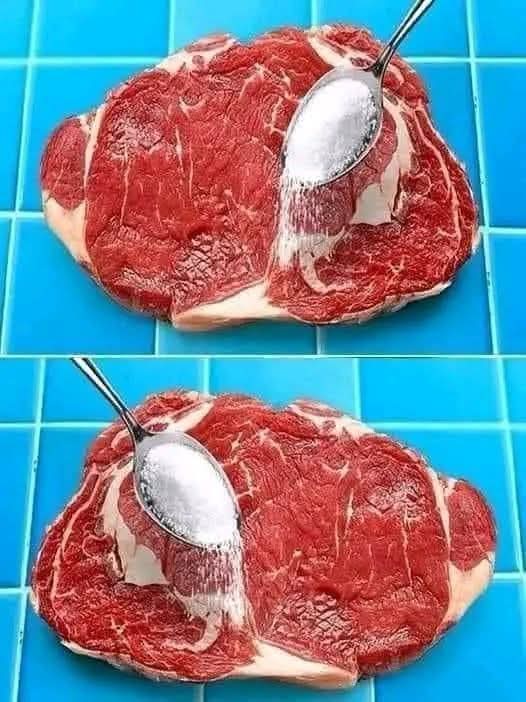
When it comes to cooking meat, achieving that perfect tenderness is often the goal. Whether you’re preparing a steak, pork chop, or roast, the texture of the meat can make or break the dish. One of the best-kept secrets to ensuring your meat comes out exceptionally tender is the simple yet powerful ingredient salt.
Salt does much more than just enhance the flavor of your dish—it can also be a game-changer when it comes to the texture of your meat. Here’s why chefs recommend salting your meat before cooking and how it works to create that melt-in-your-mouth tenderness.
1. How Salt Makes Meat Tender
At first glance, salt may seem like an unlikely solution for tenderizing meat, but it works wonders due to its ability to draw out moisture and then reabsorb it, along with the seasoning. Here’s how the process works:
Drawing Out Moisture: When salt is applied to meat, it begins to draw out the moisture on the surface of the meat. This happens because salt is hygroscopic, meaning it attracts water. This moisture is then collected on the surface of the meat, creating a brine.
Breaking Down Proteins: Once the moisture is drawn out, the salt starts to break down the muscle fibers and proteins in the meat. This process, known as osmotic pressure, begins to tenderize the meat by weakening the protein structure.
Reabsorbing the Juices: After some time, the salt and moisture mixture is reabsorbed back into the meat, bringing the moisture, along with the flavors, back inside. This makes the meat more flavorful and juicy.
In essence, salt creates a temporary brining effect that helps the meat retain moisture, making it more tender and flavorful after cooking.
2. How to Salt Meat for Tenderness
For the best results, it’s important to know how and when to apply the salt. Here’s a step-by-step guide to salting meat properly:
Step 1: Salt the Meat Generously
Before cooking, sprinkle salt evenly over the entire surface of the meat. Don’t be afraid to use a good amount of salt—just make sure you’re not using too much. Depending on the size of the cut, you may want to use about 1 teaspoon of salt per pound of meat.
Step 2: Let it Sit
Allow the salted meat to rest for at least 40 minutes to an hour, but for maximum tenderness, leave it for several hours or even overnight in the fridge. The longer the salt has to work on the meat, the more tender and juicy it will become. If you’re pressed for time, a minimum of 40 minutes will still provide noticeable results.
Step 3: Pat Dry
After the meat has rested and the moisture has been reabsorbed, pat it dry with paper towels. This step is important because excess moisture on the surface can cause the meat to steam instead of searing, which will affect the texture and flavor. You want the surface of the meat to be dry for that perfect sear.
Step 4: Cook the Meat
Now your meat is ready for cooking. Whether you’re grilling, pan-searing, or roasting, the salt will have worked its magic, making your meat juicy and tender while also adding flavor.
3. What Type of Salt Should You Use?
Not all salts are created equal, and the type of salt you use can make a difference in the outcome. Here are a few options:
Kosher Salt: This is the most common salt used by chefs and home cooks alike for tenderizing meat. Its large flakes make it easier to sprinkle evenly over the surface of the meat.
Sea Salt: Sea salt is a good alternative and adds a bit of extra mineral flavor to the meat. Just be cautious, as sea salt is often more potent than kosher salt, so you may want to use a little less.
Table Salt: While table salt works, it’s more concentrated, and it’s easy to over-salt with it. Use it sparingly if that’s what you have on hand.
4. How Long Should You Salt Meat?
The timing of salting meat is critical. The longer you leave the salt on the meat, the more tender and flavorful the meat will be.
Quick Salt (30-40 minutes): If you’re short on time, salting for just 30-40 minutes before cooking is still effective. The salt will have time to draw out moisture and tenderize the outer layer of the meat.
Overnight Salt: If you have the luxury of time, salting the meat overnight is the best method for tenderness. This allows the salt to fully break down the muscle fibers and allow moisture to be reabsorbed thoroughly, resulting in a juicier, more tender cut.
5. Why Is Salt Such a Powerful Tenderizer?
The science behind salt’s ability to tenderize meat is rooted in osmosis. When salt is applied to the meat, it draws out moisture, and as the salt pulls in liquid, it dissolves proteins and other structures within the meat fibers. As the moisture is reabsorbed back into the meat, it helps break down collagen and other tough muscle proteins, making the meat more tender and flavorful.
6. Additional Tips for Perfectly Tender Meat
While salt is a great method for tenderizing meat, there are a few other tips to keep in mind:
Use the Right Cut of Meat: Some cuts of meat are naturally tougher than others, such as flank steak, brisket, and round cuts. While salting can help tenderize them, they will still benefit from slow cooking methods like braising or stewing to further soften the fibers.
Let Meat Rest After Cooking: Once you’ve cooked your meat, let it rest for several minutes. This helps the juices redistribute within the meat, keeping it moist and tender.
Don’t Overcook the Meat: Overcooking can cause meat to become tough, even if you’ve salted it properly. Pay close attention to your cooking times and temperatures to achieve that perfect tenderness.
7. Salt Is Not Just for Tenderizing
Aside from its tenderizing powers, salt enhances the flavor of meat. It brings out the natural umami in the meat and helps create a savory crust when seared. This is why salting meat before cooking is essential, especially when you want to bring out the best flavors and textures in your dish.
8. The Secret Ingredient Is Simple Yet Effective
It’s amazing how such a simple ingredient—salt—can completely transform the texture and flavor of meat. Whether you’re grilling, pan-frying, or roasting your favorite cut, salting the meat properly is an easy trick to ensure a tender and juicy result. With just a little bit of salt and time, your next meat dish will be a culinary success, much like the one professional chefs rely on to create melt-in-your-mouth masterpieces.
Conclusion: Tender, Flavorful Meat with Salt
Next time you’re preparing meat, remember the power of salt. With just a bit of patience and the right application, you can take any cut of meat to the next level of tenderness. From steaks to chicken breasts, salt is your secret weapon for making every bite juicy, flavorful, and perfectly cooked.
So, don’t forget the secret ingredient—salt! It’s simple, effective, and will ensure that your next meat dish is tender and delicious.
More Recipes You Might Like
-

Christmas Cactus Care Guide: How to Use Lemon Water Safely Without Damaging Roots, Buds, or Beautiful Winter Blooms
Christmas cactus is one of the most charming flowering houseplants because it brings color at a time when many other indoor plants are quiet. Its flat green segments, arching shape, and bright flowers make it perfect for windowsills, shelves, hanging baskets, and cozy rooms. When the plant is healthy, the tips can fill with buds…
-

Christmas Cactus Care Guide: How to Grow a Full Hanging Basket With Healthy Segments, Strong Buds, and Bright Flowers
Christmas cactus is one of the most loved flowering houseplants because it can turn a quiet indoor corner into a bright display of color. Its soft green segmented stems hang gracefully over the edge of a pot, and when the plant is happy, the tips fill with buds that open into beautiful flowers. Many people…
-

Spider Plant Rescue Guide: How to Revive a Tired Spider Plant With Pruning, Root Care, Fresh Soil, and Safe Watering
Spider plants are usually known as easy, forgiving, and fast-growing houseplants, but even this strong plant can begin to look tired when its roots, soil, water, and light are out of balance. The image shows a struggling spider plant with drooping leaves, brown tips, dry edges, and weak growth being rescued step by step. The…