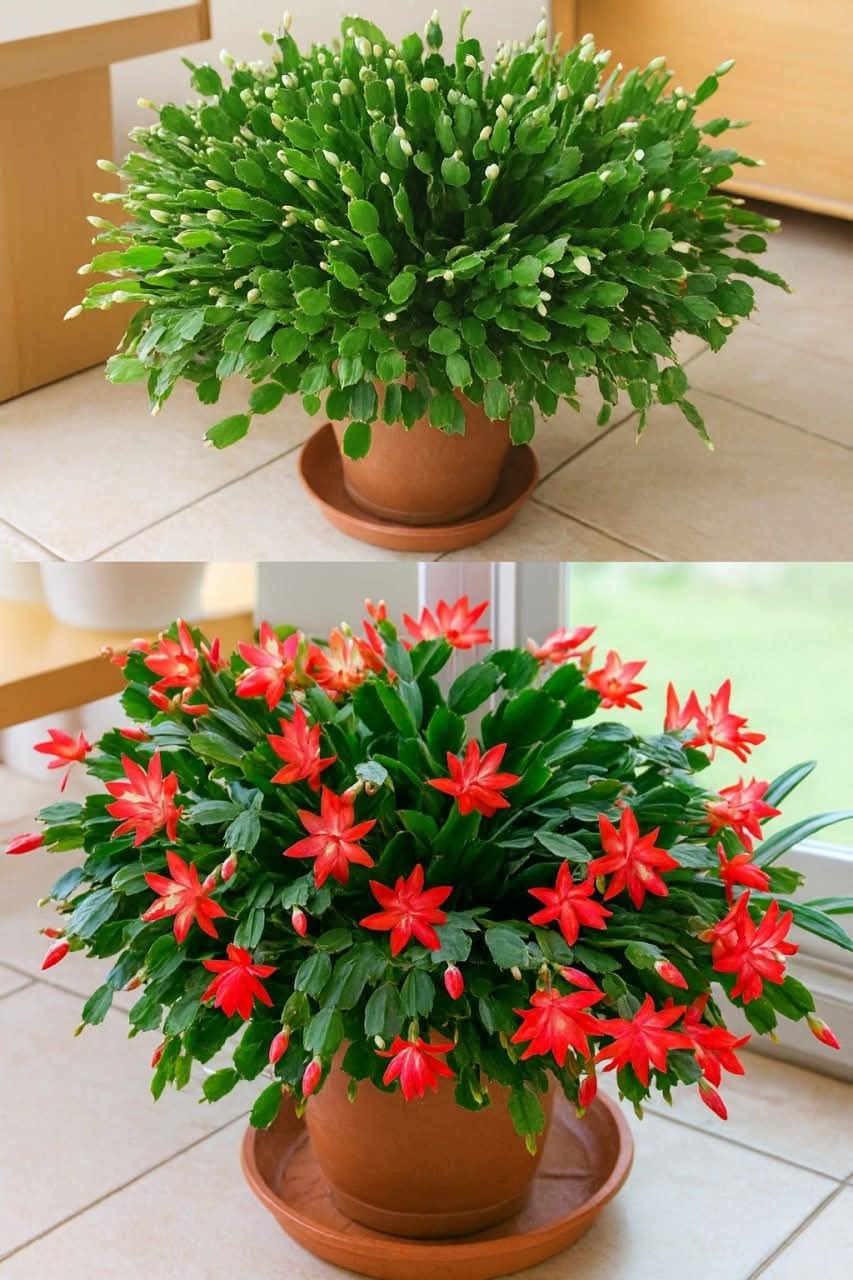
The Christmas Cactus (Schlumbergera) is a stunning and low-maintenance plant that brings joy and vibrancy to any home. Known for its bright, tubular flowers that bloom around the holidays, it’s a popular indoor plant that adds a splash of color to your space. But did you know that with the right care and techniques, you can encourage your Christmas Cactus to bloom year-round?
In this blog, we’ll dive into how to take care of your Christmas cactus, activate its blooming process, and the special ingredients and tricks you can use to ensure that it’s flowering throughout the year. Let’s make sure your Christmas Cactus remains healthy, vibrant, and continuously blooming!
What is a Christmas Cactus?
Before we jump into the care instructions, let’s quickly explore what makes the Christmas Cactus so unique. Unlike most cacti, which are typically found in deserts, the Christmas cactus is native to the coastal mountains of Brazil. It grows naturally in cool, shaded environments like those found in the rainforests.
The Christmas cactus is a succulent with flat, segmented stems. Its flowers are usually pink, red, or white, blooming in clusters during the winter months. These beautiful flowers can last for several weeks, making the Christmas Cactus a beloved houseplant during the holiday season.
How to Care for Your Christmas Cactus
To ensure your Christmas cactus thrives and blooms regularly, you need to create the right growing conditions. Here’s how you can take care of your cactus to encourage both healthy growth and continuous blooms:
1. Light Requirements
One of the most critical factors in encouraging blooming is light. Christmas cacti need bright but indirect light to grow well. Direct sunlight can scorch their delicate leaves, so it’s best to place them in a location where they can get plenty of light without being exposed to harsh rays.
Tip: During the blooming period, 12-14 hours of darkness is essential to encourage flowers. Consider placing your cactus in a spot where it can be kept in the dark for part of the day or covering it at night to simulate this cycle.
2. Temperature Control
Temperature plays a crucial role in the blooming process. Christmas cacti are adapted to cooler temperatures, especially during the winter months when they naturally bloom. The ideal temperature for a Christmas cactus is between 60-70°F (15-21°C) during the day, with slightly cooler temperatures at night.
Tip: To trigger blooming, the temperature needs to drop at night. Aim for 60-65°F (15-18°C) at night during the few weeks before you expect it to bloom.
3. Watering the Christmas Cactus
Christmas cacti are sensitive to water conditions. Over-watering can cause root rot, while under-watering can result in dry, withered leaves. Here’s how to strike the perfect balance:
Water when the soil feels dry to the touch. During the growing season (spring and summer), water it once every 1-2 weeks.
In the dormant period (fall and winter), water less frequently, but don’t let the soil dry out completely.
Use a well-draining pot to allow excess water to escape.
Tip: If your cactus’s leaves begin to droop or shrivel, it’s a sign that it needs more water. On the other hand, yellowing leaves are often a sign of over-watering.
4. Fertilizing Your Christmas Cactus
Christmas cacti are not heavy feeders, but they do benefit from a light dose of fertilizer during their growing season. Use a balanced, water-soluble fertilizer (preferably one made for succulents or houseplants) diluted to half strength.
Fertilize once a month in the spring and summer when the cactus is actively growing.
Avoid fertilizing during the fall and winter when the plant is resting and preparing to bloom.
Tip: Over-fertilizing can lead to excessive leaf growth at the expense of flowers, so be sure to follow the recommended fertilizer instructions carefully.
5. Pruning and Re-potting Your Christmas Cactus
To keep your Christmas cactus in top condition, periodic pruning is essential. Pruning helps maintain its shape and ensures better air circulation, which prevents diseases.
Prune after blooming: Once the blooming period is over, trim back any leggy growth or damaged stems.
Re-pot every 2-3 years: Over time, your cactus will outgrow its pot. Re-pot it in a slightly larger container with fresh, well-draining soil to give it room to grow. Re-potting is best done in spring before the growing season begins.
Tip: Be gentle when handling the segments, as the Christmas cactus is known for its breakable leaves.
Special Tips and Ingredients to Activate Blooming
Now that we’ve covered the basics of cactus care, let’s talk about the special techniques and ingredients you can use to activate the blooming process and keep your Christmas cactus flowering throughout the year. These are the little tricks that gardeners use to encourage that burst of color!
1. Epsom Salt
Epsom salt, a natural mineral made up of magnesium and sulfate, can help activate the blooming of your Christmas cactus. Magnesium aids in photosynthesis and encourages flower production. Here’s how to use it:
Mix 1 tablespoon of Epsom salt into a gallon of water.
Water your cactus with this mixture once a month during the growing season (spring and summer).
Magnesium encourages the plant to focus on flower development instead of just growing foliage.
Tip: If you’re using Epsom salt, make sure you don’t overuse it, as too much magnesium can damage the plant.
2. Dark Periods for Flowering
As mentioned earlier, Christmas cacti need 12-14 hours of darkness to bloom properly. This dark period mimics their natural environment, signaling the plant to prepare for flowering. Here’s how you can simulate this:
Place your cactus in a dark room at night or cover it with a cloth to block out light.
Keep it in the dark for at least 6 weeks during the fall, starting in late September or early October.
Once the flowers start to form, you can return the cactus to its normal light cycle.
Tip: The cactus needs to feel this “darkness” period consistently, so avoid leaving it under artificial lights at night.
3. Proper Feeding During the Blooming Period
As your Christmas cactus prepares to bloom, it’s important to provide it with the right nutrients. While you should avoid fertilizing during the dormant period (fall and winter), you can start feeding your cactus again once it begins to show signs of new growth or blooms.
Use a low-phosphorus fertilizer that’s appropriate for blooming plants.
You can also add a little bit of liquid flower fertilizer to your watering schedule to encourage vibrant blooms.
Tip: Don’t overfeed your Christmas cactus, as this could result in weak growth or lack of flowers.
4. Temperature Drop Before Blooming
Christmas cacti are native to cooler temperatures, so lowering the temperature in your home can encourage them to bloom. Here’s how:
Decrease the night temperature to 60-65°F (15-18°C) in the weeks leading up to the blooming period.
This signals the plant that it’s time to flower, similar to how it would experience seasonal changes in its native environment.
Tip: Keep the cactus away from direct heat sources like radiators or heating vents, as fluctuating temperatures can cause stress and prevent blooming.
Common Issues with Christmas Cactus and How to Fix Them
While Christmas cacti are relatively easy to care for, they can sometimes develop issues if they aren’t given the proper care. Here are a few common problems and solutions:
1. Yellowing Leaves
Yellowing leaves usually indicate over-watering or insufficient light. To fix this:
Ensure the plant isn’t sitting in water.
Move the cactus to a location with bright, indirect light.
Trim away any yellowing leaves to help the plant focus on new growth.
2. No Flowers
If your Christmas cactus isn’t blooming:
Ensure it has had 12-14 hours of darkness for at least 6 weeks.
Check the temperature and make sure it’s not too warm.
Feed the plant with a low-phosphorus fertilizer to encourage blooming.
3. Leggy Growth
If your Christmas cactus becomes too leggy or straggly, it may need pruning. Trim back the longer stems to encourage more compact growth and better air circulation.
Conclusion
Caring for a Christmas cactus doesn’t have to be difficult. With the right care, environment, and a few special ingredients like Epsom salt and dark periods, you can ensure your cactus is always healthy, vibrant, and blooming throughout the year. Whether you’re a seasoned plant owner or a beginner, these tips will help you get the most out of your Christmas cactus and enjoy its beauty for many seasons to come.
So go ahead and start caring for your cactus, and enjoy those gorgeous blooms all year round!
More Recipes You Might Like
-

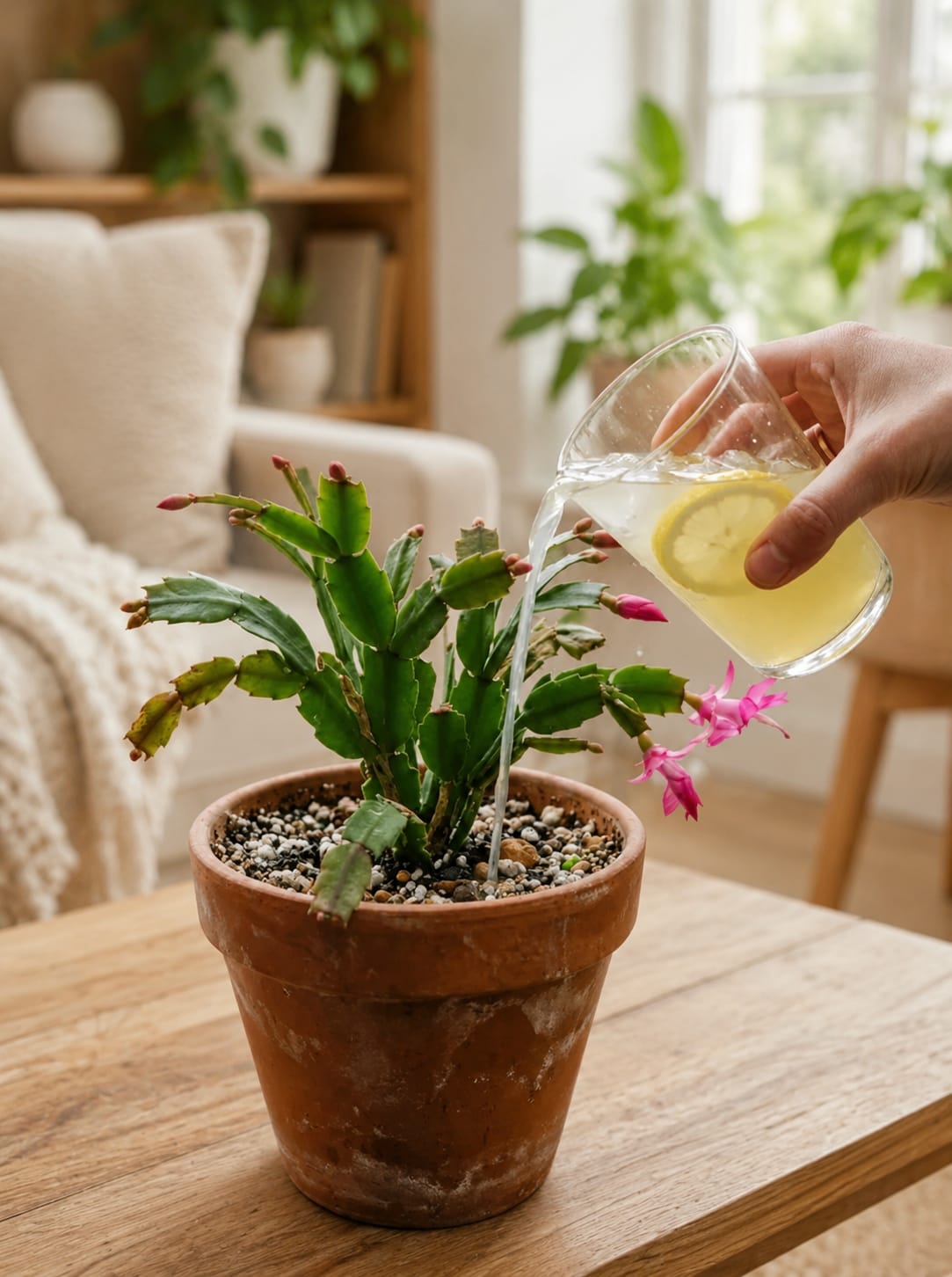
Christmas Cactus Care Guide: How to Use Lemon Water Safely Without Damaging Roots, Buds, or Beautiful Winter Blooms
Christmas cactus is one of the most charming flowering houseplants because it brings color at a time when many other indoor plants are quiet. Its flat green segments, arching shape, and bright flowers make it perfect for windowsills, shelves, hanging baskets, and cozy rooms. When the plant is healthy, the tips can fill with buds…
-

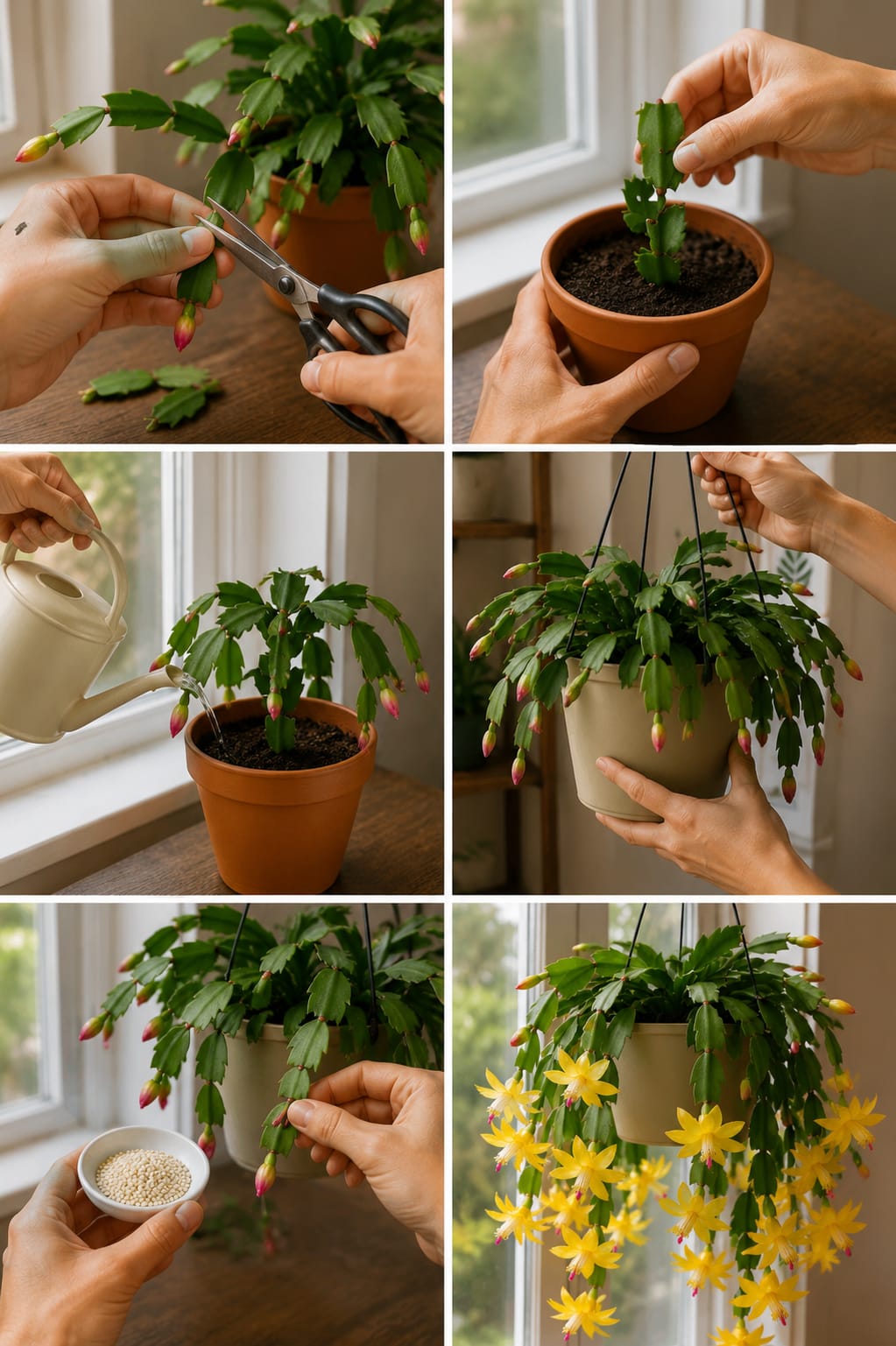
Christmas Cactus Care Guide: How to Grow a Full Hanging Basket With Healthy Segments, Strong Buds, and Bright Flowers
Christmas cactus is one of the most loved flowering houseplants because it can turn a quiet indoor corner into a bright display of color. Its soft green segmented stems hang gracefully over the edge of a pot, and when the plant is happy, the tips fill with buds that open into beautiful flowers. Many people…
-

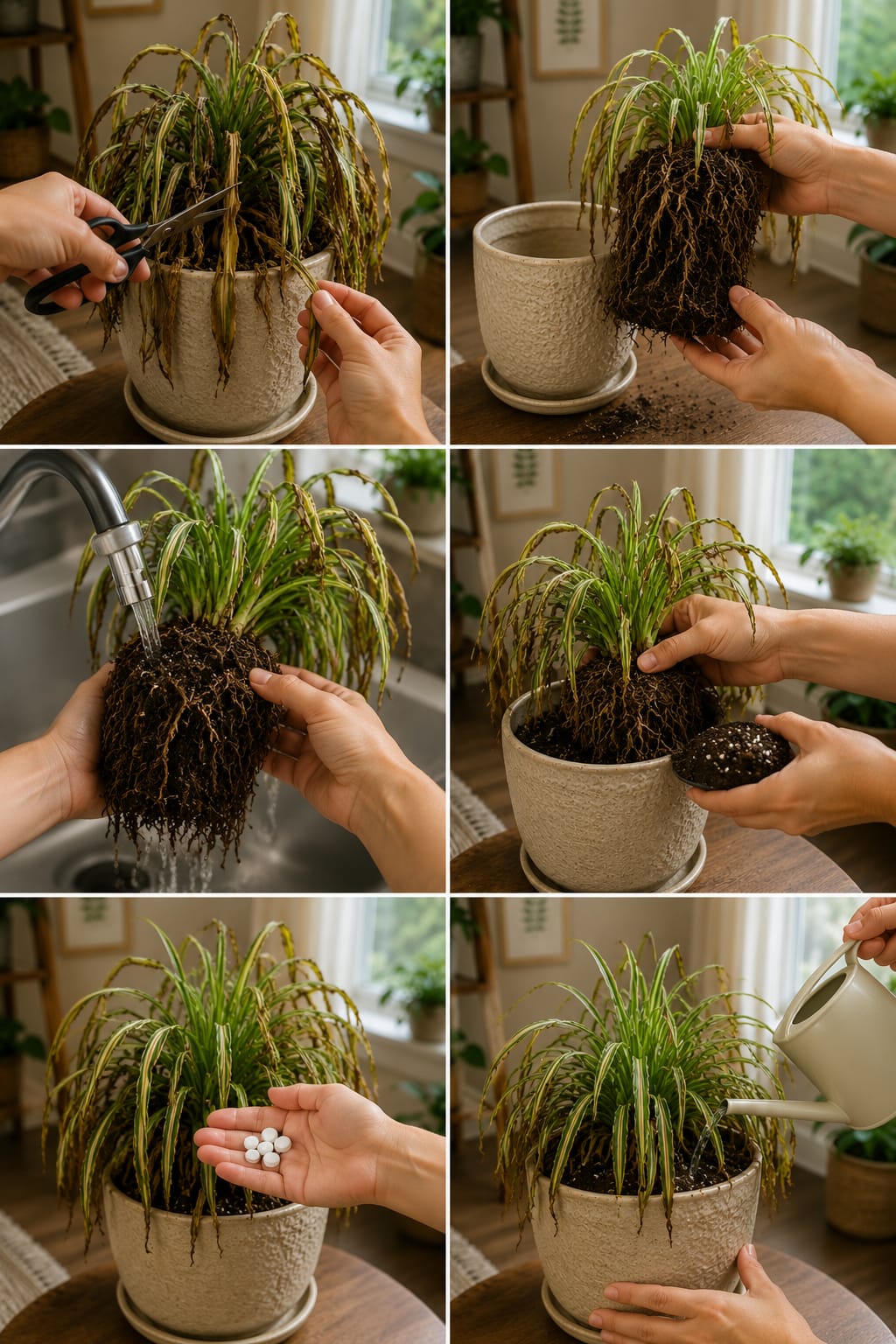
Spider Plant Rescue Guide: How to Revive a Tired Spider Plant With Pruning, Root Care, Fresh Soil, and Safe Watering
Spider plants are usually known as easy, forgiving, and fast-growing houseplants, but even this strong plant can begin to look tired when its roots, soil, water, and light are out of balance. The image shows a struggling spider plant with drooping leaves, brown tips, dry edges, and weak growth being rescued step by step. The…