German Chocolate Cake is a dessert that’s as rich in history as it is in flavor. Its layers of moist, chocolatey goodness, complemented by a creamy coconut-pecan frosting, have made it a beloved treat for generations. Whether you’re a seasoned baker or a novice in the kitchen, this cake is sure to impress with its decadence and charm. In this article, we will explore everything you need to know about German Chocolate Cake, from its origins and variations to how you can perfect it in your own kitchen.
1. What is German Chocolate Cake?
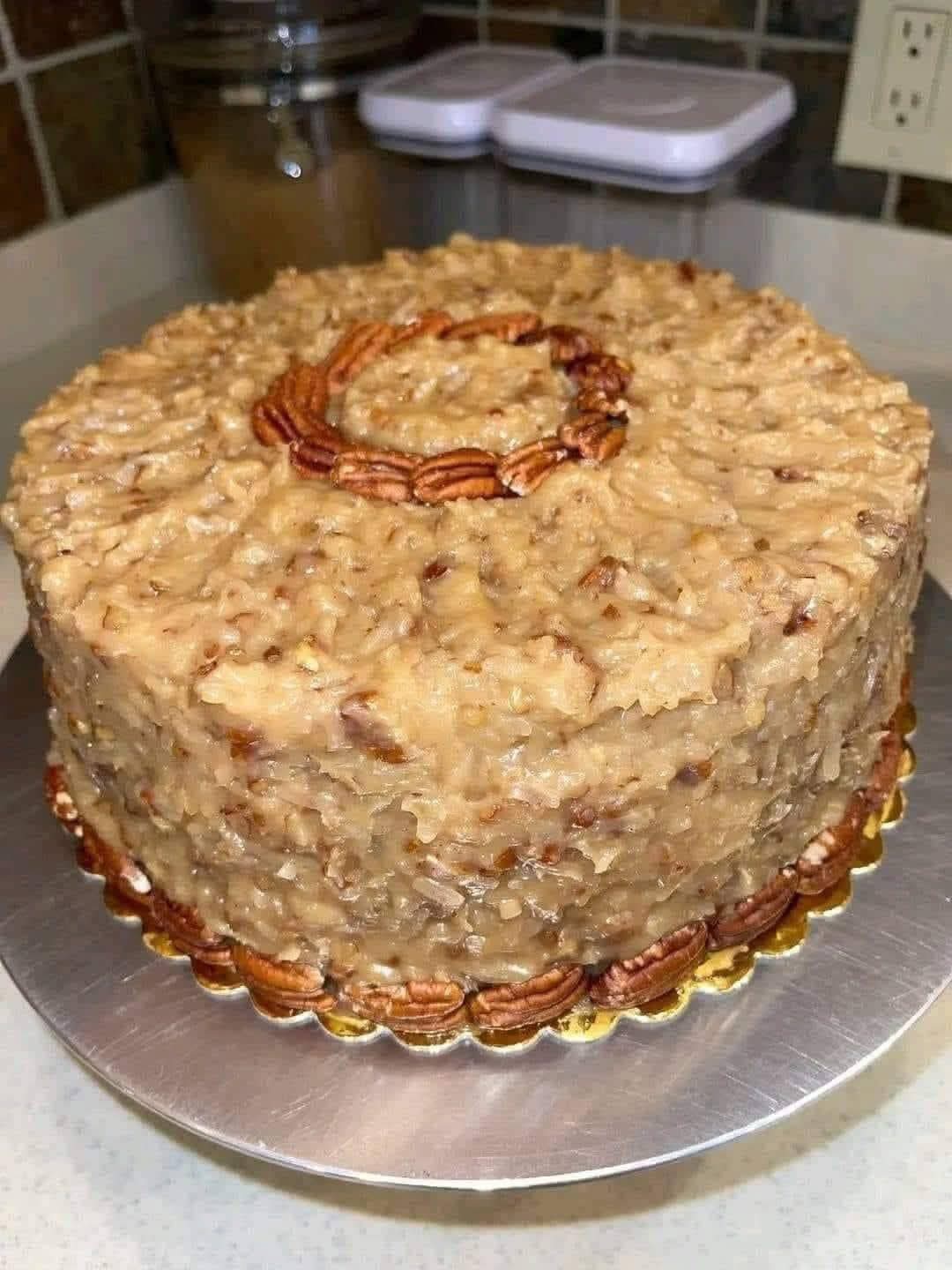
German Chocolate Cake is a layered cake made with a unique frosting of coconut and pecans, set atop a moist and tender chocolate cake base. Despite its name, it is not directly linked to Germany but is instead named after an American named Samuel German, who created the type of chocolate used in the cake. The cake became incredibly popular in the United States after a recipe using “Baker’s German’s Sweet Chocolate” was published in 1957 in a Texas newspaper.
2. The History Behind German Chocolate Cake
While the name “German Chocolate Cake” suggests it has roots in Germany, it actually owes its origin to a man named Samuel German. In 1852, Samuel German, an employee at the Baker’s Chocolate Company, developed a sweetened chocolate product that was used in many American kitchens. It was his creation of “Baker’s German’s Sweet Chocolate” that would later play a significant role in the creation of this iconic cake.
The recipe for German Chocolate Cake became famous after a Dallas, Texas newspaper published a recipe using this chocolate. The cake’s unique frosting, made from coconut and pecans, quickly caught on, and the dessert became a staple in many American kitchens.
3. What Makes German Chocolate Cake Unique?
What sets German Chocolate Cake apart from other chocolate cakes is the frosting. While many cakes use traditional buttercream or ganache for frosting, German Chocolate Cake has a distinct coconut-pecan topping that is thick, sweet, and loaded with texture. The combination of coconut’s chewiness and pecans’ crunch balances the smoothness of the chocolate cake. This texture contrast makes each bite uniquely satisfying.
Another feature of this cake is its deep chocolate flavor. The cake uses “Baker’s German’s Sweet Chocolate,” which gives the cake a slightly sweeter and less bitter taste compared to traditional dark chocolate. This makes it a delightful cake for both chocolate lovers and those who prefer a milder flavor.
4. Key Ingredients in German Chocolate Cake
To make a traditional German Chocolate Cake, you’ll need the following ingredients:
For the Cake:
German’s Sweet Chocolate: This specific chocolate adds a mild sweetness and is key to the cake’s unique flavor.
All-Purpose Flour: The base of the cake, providing structure.
Baking Powder & Baking Soda: These leavening agents ensure the cake rises properly.
Eggs: For binding the ingredients and giving the cake a soft, moist texture.
Buttermilk: Adds a tangy flavor and contributes to the cake’s tenderness.
Butter & Sugar: For richness and sweetness.
For the Frosting:
Evaporated Milk: A key ingredient that gives the frosting its creamy consistency.
Sugar: Adds sweetness to balance the rich chocolate flavor.
Butter: Makes the frosting smooth and creamy.
Egg Yolks: These help thicken the frosting, giving it a custard-like texture.
Coconut: Sweetened shredded coconut adds texture and flavor.
Pecans: Chopped pecans provide crunch and flavor.
5. How to Make German Chocolate Cake: A Step-by-Step Guide
Step 1: Prepare the Cake
Preheat your oven to 350°F (175°C). Grease and flour two 9-inch round cake pans. Melt the German’s sweet chocolate using a double boiler or in the microwave. Set it aside to cool slightly.
Step 2: Mix the Dry Ingredients
In a medium bowl, whisk together the flour, baking powder, baking soda, and salt.
Step 3: Cream the Butter and Sugar
In a large mixing bowl, cream the softened butter and sugar until light and fluffy. This will take about 3 minutes using an electric mixer.
Step 4: Add the Eggs and Vanilla
Add the eggs, one at a time, beating well after each addition. Stir in the vanilla extract.
Step 5: Incorporate the Dry Ingredients and Buttermilk
Alternately add the dry ingredients and buttermilk, starting and ending with the dry ingredients. Mix until just combined.
Step 6: Add the Melted Chocolate
Fold the melted German’s sweet chocolate into the batter, making sure it’s evenly incorporated.
Step 7: Bake the Cake
Pour the batter evenly into the prepared cake pans. Bake for 30-35 minutes, or until a toothpick inserted into the center comes out clean. Let the cakes cool in the pans for 10 minutes before transferring them to a wire rack to cool completely.
Step 8: Prepare the Frosting
While the cakes cool, make the frosting. In a medium saucepan, combine the evaporated milk, sugar, butter, and egg yolks. Cook over medium heat, stirring constantly until the mixture thickens, about 10 minutes. Remove from heat and stir in the vanilla, coconut, and pecans. Let the frosting cool to room temperature before spreading it on the cake.
Step 9: Assemble the Cake
Once the cake layers have cooled, place one layer on a serving platter. Spread a generous layer of frosting over the first layer. Add the second layer of cake and frost the top and sides with the remaining frosting. Garnish with additional pecans, if desired.
6. Tips for the Perfect German Chocolate Cake
Use Room Temperature Ingredients: For a smooth batter, make sure your butter, eggs, and buttermilk are at room temperature.
Don’t Overmix the Batter: Overmixing can lead to a dense cake. Mix the ingredients just until combined.
Cool the Cakes Completely: Be patient and allow the cakes to cool completely before frosting to avoid melting the frosting.
Let the Frosting Cool: Allow the coconut-pecan frosting to cool before spreading it on the cake. This helps it set properly.
7. Variations on German Chocolate Cake
While the classic German Chocolate Cake is beloved, there are several variations you can try to put your spin on the recipe:
Vegan German Chocolate Cake:
Replace the eggs and buttermilk with plant-based alternatives like flax eggs and non-dairy milk (almond, oat, or soy). Use a dairy-free butter substitute and coconut cream for the frosting.
German Chocolate Cupcakes:
Instead of a full cake, bake the batter in cupcake pans. These bite-sized versions are perfect for parties and can be topped with a smaller dollop of frosting.
Gluten-Free German Chocolate Cake:
Substitute the all-purpose flour with a gluten-free flour blend, making sure it includes xanthan gum to help the cake rise.
8. Why German Chocolate Cake is So Popular
German Chocolate Cake has been a favorite for decades, and its popularity can be attributed to several factors:
Unique Flavor: The combination of chocolate cake with coconut and pecans gives the cake a flavor profile that’s different from any other chocolate cake.
Richness and Decadence: This cake is rich, moist, and indulgent, making it the perfect treat for special occasions.
Tradition: It has been a part of family gatherings and celebrations for generations, giving it a nostalgic and comforting feel.
9. How to Serve German Chocolate Cake
German Chocolate Cake is a versatile dessert that pairs wonderfully with various accompaniments:
With Ice Cream: Vanilla or caramel ice cream pairs beautifully with the rich, coconut-pecan frosting.
Whipped Cream: A light dusting of whipped cream can balance the richness of the cake and add a delicate touch.
Fruit Compote: Serve with a fresh fruit compote for a tangy contrast to the sweet frosting.
10. Storage and Shelf Life
German Chocolate Cake can be stored for a few days, but to keep it fresh:
Room Temperature: Store it in an airtight container at room temperature for up to 3 days.
Refrigeration: If you want to keep it longer, place it in the fridge for up to 5 days. The frosting may become firmer when chilled, but it will still be delicious.
Freezing: You can freeze individual slices or the entire cake. Wrap tightly in plastic wrap and store in a freezer-safe container for up to 3 months.
11. Common Mistakes to Avoid
To ensure your German Chocolate Cake turns out perfectly every time, avoid these common mistakes:
Using the Wrong Chocolate: Only use Baker’s German’s Sweet Chocolate or a similar type of chocolate for the best flavor.
Not Letting the Cake Cool: Trying to frost the cake while it’s still warm will result in a melted mess.
Overbaking: Keep a close eye on the cake during the last few minutes of baking to avoid overbaking, which can dry it out.
12. Conclusion
German Chocolate Cake is a dessert that has withstood the test of time. Its rich chocolate cake layers, combined with the creamy coconut-pecan frosting, create a treat that’s irresistible to anyone who tries it. Whether you’re baking for a special occasion or just want to indulge in a delicious slice of cake, German Chocolate Cake is sure to please. By following the tips and variations in this guide, you’ll be able to make a cake that’s as delicious as it is beautiful, every time.
More Recipes You Might Like
-

Why Some Homeowners Are Using Onion Water Around Orchids and What Usually Helps More for Strong Roots, Healthy Leaves, and Long-Lasting Blooms
Orchids are among the most elegant indoor flowering plants for homeowners who want graceful stems, glossy green leaves, long-lasting blooms, and a refined decorative display that fits beautifully in living rooms, bedrooms, apartments, home offices, bright kitchens, windowsills, covered patios, commercial interiors, luxury home staging, and premium indoor plant styling. A healthy orchid can turn…
-

Why Some Homeowners Are Pouring Aloe Water Around Orchids and What Usually Helps More for Strong Roots, Healthy Leaves, and Long-Lasting Blooms
Orchids are among the most elegant indoor flowering plants for homeowners who want graceful blooms, sculptural roots, glossy leaves, and a premium decorative display that fits beautifully in living rooms, bedrooms, apartments, home offices, bright kitchens, balcony gardens, covered patios, commercial interiors, luxury home staging, and refined indoor plant styling. A healthy orchid can make…
-
Why Some Homeowners Are Adding Brown Powder Around Snake Plants and What Usually Helps More for Strong Roots, Fuller Growth, and Healthy Indoor Leaves
Snake plant is one of the most dependable indoor plants for homeowners who want strong upright leaves, bold green patterning, yellow-edged variegation, easy maintenance, and a clean decorative display that fits beautifully in living rooms, bedrooms, apartments, home offices, bright kitchens, entry corners, sunny windowsills, plant shelves, commercial interiors, luxury home staging, and premium indoor…