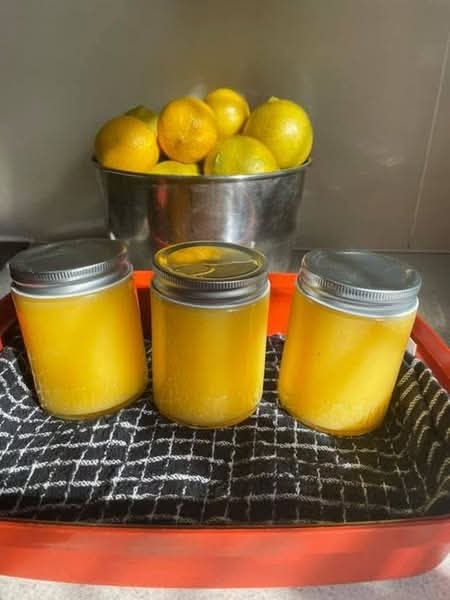
Few things in the world of homemade treats are as magical as a fresh jar of lemon curd. Its shimmering golden color, velvety texture, and sharp, sunny flavor transform even the simplest dishes into something extraordinary. Whether spread on warm toast, dolloped onto yogurt, or used as the grand finale inside a tart, lemon curd is a kitchen treasure that delivers both elegance and comfort.
This article dives deep into how to make lemon curd, how it works, how to store it, and plenty of creative ideas for enjoying it. If you’ve ever wondered why homemade lemon curd tastes so much better than store-bought, or if you’ve been nervous to try making it yourself, this guide will walk you through everything with clarity and confidence.
What Exactly Is Lemon Curd?
Lemon curd is a silky, citrus-infused spread or filling made from lemons, eggs, sugar, and butter. Unlike jam, which is thickened with fruit pectin, lemon curd thickens through gently cooking eggs. The result is a creamy, custard-like texture with a bold lemon flavor that’s both tart and sweet at the same time.
It originated in England, where it was traditionally served at afternoon tea alongside scones and biscuits. Over time, it made its way into pastries, cakes, parfaits, pies, and more. Today, lemon curd is loved worldwide for its versatility and vibrant flavor.
Ingredients You Need for Homemade Lemon Curd
What makes lemon curd special is how simple the ingredient list is. You need only a handful of basic kitchen staples:
½ cup fresh lemon juice (about 3–4 lemons)
1 tablespoon lemon zest
1 cup granulated sugar
3 large eggs
½ cup unsalted butter, cut into pieces
Pinch of salt
Each ingredient serves an important purpose:
Lemon juice & zest — These provide the iconic tart flavor and fragrance.
Eggs — They thicken the curd into a smooth, custard-like texture.
Sugar — Sweetness balances the tartness.
Butter — Adds richness, smoothness, and shine.
Salt — A tiny pinch enhances all the flavors.
With such minimal ingredients, the freshness and quality of your lemons make all the difference.
Step-by-Step Instructions for Perfect Lemon Curd
Making lemon curd may feel intimidating if you’ve never done it before, but it’s actually a very simple process. Here’s the method that guarantees silky-smooth results every time.
1. Prepare Your Lemons
Start by washing, zesting, and juicing your lemons. Lemon zest packs intense flavor because the oils in the peel are extremely aromatic. Always zest before cutting the lemons in half — it’s nearly impossible afterward.
2. Whisk the Eggs and Sugar
In a medium bowl, whisk the eggs and sugar until the mixture becomes pale yellow and smooth. This step ensures the curd cooks evenly without lumps.
3. Heat the Lemon Juice
Pour the lemon juice, zest, and salt into a saucepan. Warm the mixture over medium heat until it starts to steam. There’s no need for a full boil — gentle heat is key.
4. Temper the Eggs
This is an essential step for avoiding scrambled eggs. Slowly pour a small amount of the hot lemon mixture into the egg bowl while whisking constantly. This warms the eggs gradually.
Then pour everything back into the saucepan.
5. Gently Cook Until Thickened
Place the saucepan over low to medium heat and stir constantly with a heatproof spatula. Over the next 5–8 minutes, the mixture will thicken into a glossy, spoon-coating custard.
You’ll know it’s ready when:
It coats the back of a spoon.
You can run a finger through the coating and it leaves a clean line.
6. Add the Butter
Remove the saucepan from heat and stir in the butter pieces until melted. Butter gives lemon curd its famously smooth consistency.
7. Strain for Silkiness
Even if you whisked perfectly, straining removes zest and any tiny cooked egg bits. This step guarantees a professional-quality, perfectly smooth curd.
8. Cool and Store
Let your lemon curd cool, then transfer it to:
Jars
Glass containers
Air-tight bowls
Refrigerate for at least one hour — it thickens beautifully as it chills.
Why Homemade Lemon Curd Tastes Better Than Store-Bought
If you’ve tasted lemon curd from the supermarket, you know it’s often:
overly sweet
artificially flavored
stiff instead of silky
yellow from food coloring rather than real zest
Homemade lemon curd is in a different league. It’s fresher, brighter, and more luxurious. You control the flavor, the sweetness, and even the texture. It tastes like real lemons — because it is real lemons.
Tips for Making the Best Lemon Curd Every Time
Perfecting lemon curd is all about technique. Use these tips to get flawless results:
Use fresh lemons
Bottled juice lacks aroma and often tastes flat or bitter. Fresh lemons give you brightness and depth.
Keep the heat gentle
High heat can curdle the eggs. Low and slow is the rule.
Constant stirring is essential
This prevents the bottom from overcooking and ensures smooth texture.
Strain the curd
Always strain. Always.
Let it chill fully
Lemon curd thickens dramatically in the fridge, becoming spreadable and glossy.
How to Fix Common Lemon Curd Problems
Even with simple ingredients, mistakes can happen. Here’s how to troubleshoot:
Problem: Curd tastes too tart
Add 1–3 more tablespoons of sugar while it’s still warm.
Problem: Curd is too thin
It likely didn’t cook long enough. Return it to low heat and stir until thicker.
Problem: Curdled or scrambled eggs
Strain it. If still grainy, blend it with an immersion blender.
Problem: Too sweet
Add 1–2 extra teaspoons of lemon juice to brighten it.
Creative Ways to Use Lemon Curd
Lemon curd goes far beyond toast. Its versatility is one of its greatest strengths. Here are over a dozen delicious ways to use it:
1. As a filling for cakes
Spread between cake layers for a tangy surprise.
2. In cupcakes
Pipe into the center of vanilla or blueberry cupcakes.
3. On pancakes or waffles
A bright alternative to syrup.
4. With yogurt or granola
Instantly elevates your breakfast bowl.
5. As a tart filling
Top with berries for an easy dessert.
6. In macarons
Lemon curd makes an elegant macaron filling.
7. Swirled into cheesecake
Adds citrus brightness.
8. As a topping for scones
A classic English treat.
9. With ice cream
Drizzle over vanilla ice cream for a refreshing twist.
10. In fruit parfaits
Layer with whipped cream and fresh fruit.
11. As a crepe filling
Perfectly creamy and citrusy.
12. On toast or biscuits
Simple, fast, and delicious.
Making Lemon Curd Ahead of Time
Lemon curd is an ideal make-ahead recipe because it stores beautifully. You can prepare it:
the day before a party
a week ahead for baking projects
months ahead if you freeze it
It’s a great time-saving trick for bakers.
How to Store Lemon Curd
Proper storage keeps your lemon curd fresh and safe.
In the refrigerator
Store in an air-tight glass container or jar for 1–2 weeks.
In the freezer
Lemon curd freezes exceptionally well.
Freeze in a sealed jar or freezer-safe container.
Leave space at the top for expansion.
Freeze for up to 3 months.
Thaw in the fridge overnight before using.
Is Lemon Curd Safe to Can?
Short answer: No.
Lemon curd is too low in sugar and contains butter and eggs, which makes water-bath canning unsafe. Always store it in the fridge or freezer instead.
The Best Lemons for Lemon Curd
Different lemon varieties change the flavor dramatically:
Meyer lemons → sweet, floral, almost orange-like
Eureka lemons → classic tart flavor
Lisbon lemons → sharper and more acidic
Homegrown lemons → often juicier and more fragrant
For a complex flavor, try mixing two varieties.
Why Lemon Curd Makes a Perfect Homemade Gift
Few handmade gifts are as charming as a jar of golden lemon curd. It’s thoughtful, delicious, and beautiful to look at.
Pair it with:
Fresh scones
Homemade bread
A mini whisk
A ribbon + handwritten label
It’s ideal for birthdays, holidays, Mother’s Day, thank-you gifts, or housewarmings.
Health Benefits of Lemon Curd (Yes, It Has Some!)
While lemon curd is undeniably a dessert spread, lemons themselves offer health benefits:
Rich in Vitamin C — supports immune health and skin
Source of antioxidants — fights free-radical damage
Natural mood-booster — citrus aroma is uplifting
Of course, enjoy lemon curd in moderation — but there’s no guilt in a spoonful of sunshine.
Conclusion: Enjoy the Sweet, Tangy Magic of Homemade Lemon Curd
Homemade lemon curd is one of those recipes that feels luxurious yet simple. With just a few basic ingredients and a few minutes at the stove, you can create a silky, vibrant spread that transforms breakfast, desserts, and snacks. Whether you spoon it onto pastries or enjoy it straight from the jar, homemade lemon curd delivers a burst of sunshine in every bite.
If you haven’t tried making it before, now is the perfect time. Fresh, bright, and unbelievably delicious — once you taste homemade lemon curd, you’ll never want the store-bought version again.
More Recipes You Might Like
-

Why Some Homeowners Are Using Onion Water Around Orchids and What Usually Helps More for Strong Roots, Healthy Leaves, and Long-Lasting Blooms
Orchids are among the most elegant indoor flowering plants for homeowners who want graceful stems, glossy green leaves, long-lasting blooms, and a refined decorative display that fits beautifully in living rooms, bedrooms, apartments, home offices, bright kitchens, windowsills, covered patios, commercial interiors, luxury home staging, and premium indoor plant styling. A healthy orchid can turn…
-

Why Some Homeowners Are Pouring Aloe Water Around Orchids and What Usually Helps More for Strong Roots, Healthy Leaves, and Long-Lasting Blooms
Orchids are among the most elegant indoor flowering plants for homeowners who want graceful blooms, sculptural roots, glossy leaves, and a premium decorative display that fits beautifully in living rooms, bedrooms, apartments, home offices, bright kitchens, balcony gardens, covered patios, commercial interiors, luxury home staging, and refined indoor plant styling. A healthy orchid can make…
-
Why Some Homeowners Are Adding Brown Powder Around Snake Plants and What Usually Helps More for Strong Roots, Fuller Growth, and Healthy Indoor Leaves
Snake plant is one of the most dependable indoor plants for homeowners who want strong upright leaves, bold green patterning, yellow-edged variegation, easy maintenance, and a clean decorative display that fits beautifully in living rooms, bedrooms, apartments, home offices, bright kitchens, entry corners, sunny windowsills, plant shelves, commercial interiors, luxury home staging, and premium indoor…