Why a Healthy Lifestyle Matters
In today’s fast-paced world, maintaining a healthy lifestyle can often feel like a challenging task. From work to family commitments, the pressures of modern life often make it easy to forget the importance of self-care. However, a healthy lifestyle is the foundation of long-term happiness and well-being, impacting everything from mental health to physical fitness.
This guide will walk you through essential strategies for embracing a healthier way of living. With practical tips on diet, exercise, stress management, and more, you’ll be well on your way to a better and more balanced life.
2. What Does a Healthy Lifestyle Really Mean?
A healthy lifestyle is much more than just eating nutritious food or exercising regularly. It involves a holistic approach to physical, emotional, and social well-being. Key components of a healthy lifestyle include:
Proper Nutrition: Eating balanced meals with the right nutrients.
Regular Exercise: Engaging in physical activity to keep the body strong.
Mental Health: Maintaining a healthy mindset and managing stress effectively.
Rest and Recovery: Ensuring your body gets adequate sleep and relaxation.
Social Connections: Nurturing relationships and community ties.
Understanding this broader definition is the first step in making lasting changes to your lifestyle.
3. Nourish Your Body with a Balanced Diet
A well-balanced diet is one of the cornerstones of a healthy lifestyle. Proper nutrition provides the energy and nutrients your body needs to function optimally. A balanced diet should include:
Fruits and Vegetables: Aim for a variety of colors on your plate. These provide essential vitamins, minerals, and antioxidants.
Whole Grains: Choose whole grains over refined grains for added fiber and nutrients.
Proteins: Include lean proteins such as chicken, fish, legumes, and plant-based options like tofu or tempeh.
Healthy Fats: Incorporate sources of healthy fats like avocados, nuts, seeds, and olive oil.
Hydration: Don’t forget to drink plenty of water throughout the day to stay hydrated.
A good rule of thumb is to eat more whole, unprocessed foods and minimize your intake of sugary snacks and processed junk food.
4. Exercise: A Key Element of Health
Exercise is essential for maintaining a healthy body and mind. Regular physical activity can help:
Improve cardiovascular health
Boost metabolism
Maintain a healthy weight
Reduce stress and anxiety
Improve sleep quality
You don’t have to spend hours at the gym to stay fit. Incorporate physical activity into your routine with activities such as walking, running, swimming, or cycling. Aim for at least 150 minutes of moderate aerobic exercise or 75 minutes of vigorous activity per week, combined with strength training exercises twice a week.
5. The Importance of Mental Health
Mental health is just as important as physical health in leading a healthy lifestyle. Stress, anxiety, and depression can take a significant toll on your overall well-being, making it harder to maintain a balanced life. Here are a few ways to improve and maintain your mental health:
Practice mindfulness: Meditation, deep breathing exercises, and yoga can help you stay present and reduce stress.
Seek support: If you’re struggling with mental health issues, don’t hesitate to reach out for help from a therapist, counselor, or trusted friend.
Stay positive: Cultivate an optimistic outlook by practicing gratitude, focusing on the positive aspects of life, and celebrating small wins.
Set boundaries: Learn to say no and prioritize your well-being to prevent burnout.
6. Rest and Recovery: The Power of Sleep
Sleep is a critical factor in living a healthy lifestyle. It allows your body and mind to recover and rejuvenate. Poor sleep habits can lead to a variety of health issues, including:
Weakened immune function
Impaired cognitive function
Increased risk of chronic diseases
Mood disturbances
Aim for 7-9 hours of sleep each night and establish a consistent sleep routine. Create a calming bedtime environment by limiting screen time, avoiding caffeine, and practicing relaxation techniques before bed.
7. Building Healthy Habits for Long-Term Success
Building healthy habits takes time and consistency. Start by setting realistic goals that are achievable and sustainable. Track your progress and celebrate milestones along the way. Here are a few tips for forming lasting habits:
Start small: Begin with small, manageable changes and gradually build up to bigger goals.
Be consistent: Consistency is key to making habits stick. Try to incorporate healthy habits into your daily routine.
Create a support system: Surround yourself with people who encourage and support your healthy lifestyle journey.
8. The Role of Supplements: Do You Need Them?
While a well-balanced diet should provide most of the nutrients your body needs, some people may benefit from taking supplements. Common supplements include:
Multivitamins: To fill nutritional gaps
Fish oil: For omega-3 fatty acids
Vitamin D: Particularly for those who don’t get enough sun exposure
Probiotics: To support gut health
Before taking supplements, it’s always a good idea to consult with a healthcare provider to ensure they’re necessary and appropriate for your needs.
9. Stress Management: Handling Life’s Challenges
Chronic stress can negatively impact your health, leading to problems like high blood pressure, digestive issues, and sleep disturbances. Effective stress management is essential to maintaining a healthy lifestyle. Some effective techniques include:
Deep breathing exercises: Help relax your body and mind.
Exercise: Physical activity can relieve tension and improve mood.
Time management: Organize your day to reduce feelings of overwhelm.
Social connections: Spend time with friends and family to boost your emotional well-being.
10. The Power of Social Connections
Humans are social creatures, and having strong, supportive relationships plays a crucial role in maintaining a healthy lifestyle. Social interactions can:
Reduce stress
Improve mood
Increase longevity
Provide a sense of belonging
Make time to nurture relationships with family, friends, and your community. Whether it’s a weekly dinner with loved ones or a casual coffee with a friend, these connections can significantly impact your mental and emotional well-being.
11. Healthy Aging: Taking Care of Your Body Over Time
As we age, our bodies change, and it becomes even more important to maintain a healthy lifestyle. Key areas to focus on as you age include:
Bone health: Ensure you’re getting enough calcium and vitamin D to support bone strength.
Cardiovascular health: Regular exercise and a heart-healthy diet can reduce the risk of heart disease.
Cognitive function: Keep your brain sharp by staying mentally active with puzzles, reading, or learning new skills.
Adopting these habits early in life can help you age gracefully and reduce the risk of chronic health conditions.
12. Overcoming Obstacles to Living a Healthy Lifestyle
Life will always throw challenges your way, and maintaining a healthy lifestyle may not always be easy. Here are some strategies for overcoming common obstacles:
Time constraints: Schedule exercise and meal prep just as you would any important meeting.
Lack of motivation: Find an exercise buddy or set small, achievable goals to stay on track.
Stressful situations: Practice relaxation techniques and take time for self-care to stay grounded.
Remember, setbacks are a natural part of the process. What matters most is getting back on track and continuing your journey toward a healthier life.
13. Healthy Lifestyle for Busy People: How to Make It Work
A busy schedule doesn’t have to interfere with your healthy living goals. With proper planning, you can easily make time for exercise, healthy meals, and self-care. Here are some tips:
Meal prep: Cook in bulk and prepare meals ahead of time to save time during the week.
Incorporate short workouts: If you’re short on time, try high-intensity interval training (HIIT) or quick, 10-minute workouts.
Prioritize sleep: Make sleep a priority by establishing a consistent bedtime routine.
Small adjustments can make a big difference, even with a packed schedule.
14. Conclusion: The Path to a Healthier You
Living a healthy lifestyle isn’t about perfection. It’s about making mindful choices every day that prioritize your physical, mental, and emotional well-being. Whether you’re just starting or have been on this journey for years, remember that every step you take toward a healthier life is a step in the right direction.
With the tips and strategies outlined in this guide, you now have the tools to build a healthier, happier, and more fulfilling life. Start small, stay consistent, and embrace the process of becoming the best version of yourself.
More Recipes You Might Like
-

Why Some Homeowners Are Using Onion Water Around Orchids and What Usually Helps More for Strong Roots, Healthy Leaves, and Long-Lasting Blooms
Orchids are among the most elegant indoor flowering plants for homeowners who want graceful stems, glossy green leaves, long-lasting blooms, and a refined decorative display that fits beautifully in living rooms, bedrooms, apartments, home offices, bright kitchens, windowsills, covered patios, commercial interiors, luxury home staging, and premium indoor plant styling. A healthy orchid can turn…
-

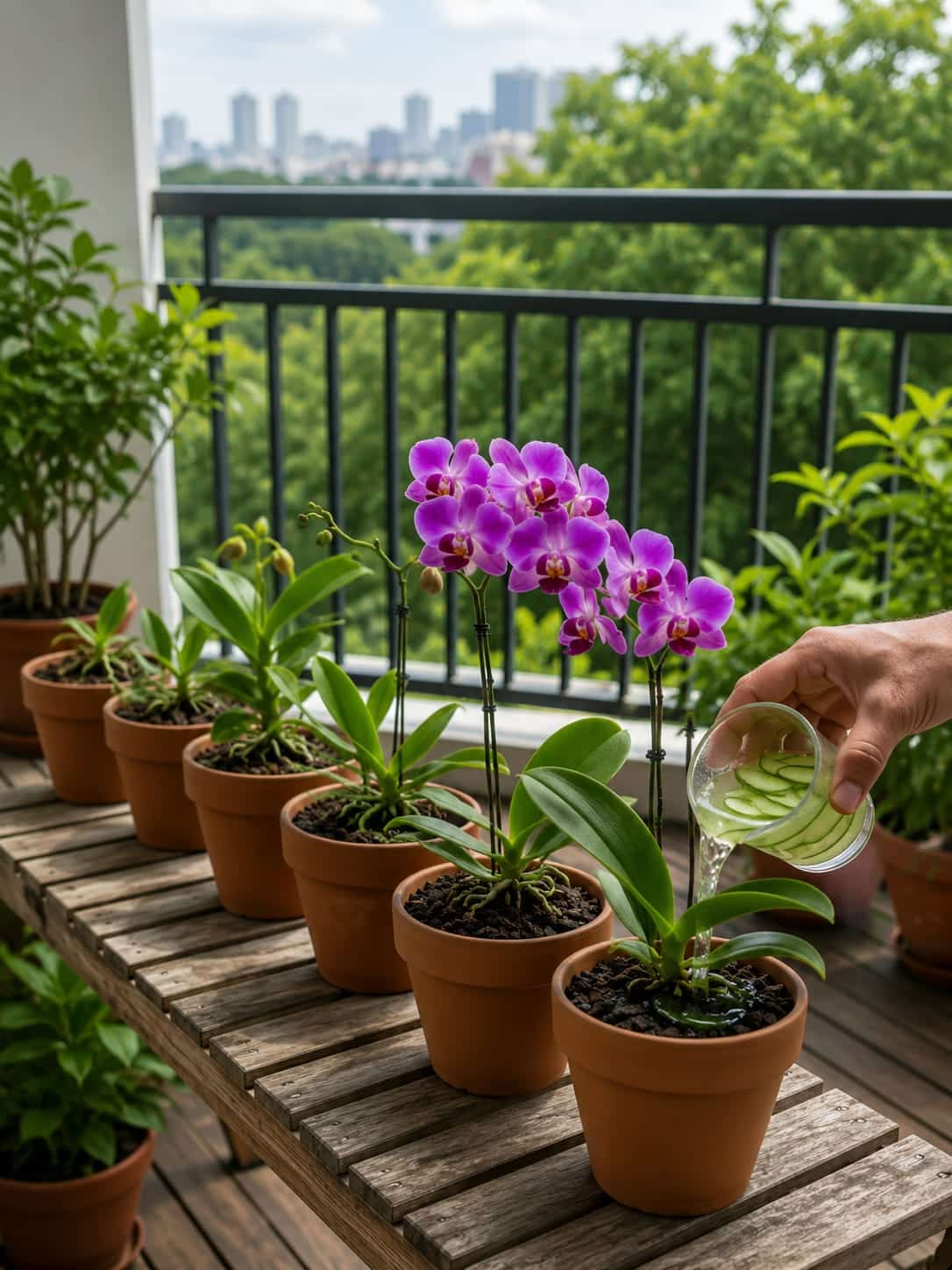
Why Some Homeowners Are Pouring Aloe Water Around Orchids and What Usually Helps More for Strong Roots, Healthy Leaves, and Long-Lasting Blooms
Orchids are among the most elegant indoor flowering plants for homeowners who want graceful blooms, sculptural roots, glossy leaves, and a premium decorative display that fits beautifully in living rooms, bedrooms, apartments, home offices, bright kitchens, balcony gardens, covered patios, commercial interiors, luxury home staging, and refined indoor plant styling. A healthy orchid can make…
-
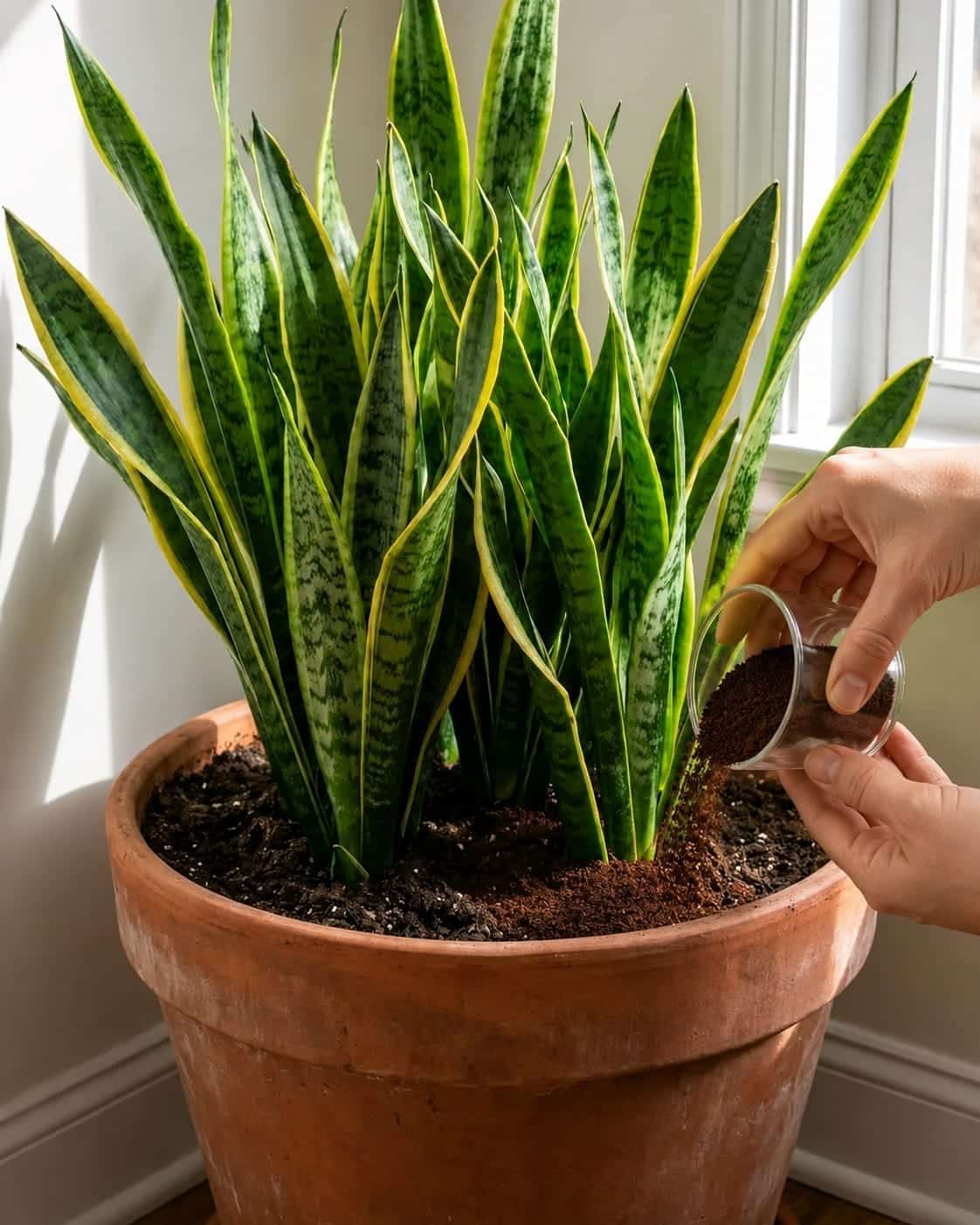
Why Some Homeowners Are Adding Brown Powder Around Snake Plants and What Usually Helps More for Strong Roots, Fuller Growth, and Healthy Indoor Leaves
Snake plant is one of the most dependable indoor plants for homeowners who want strong upright leaves, bold green patterning, yellow-edged variegation, easy maintenance, and a clean decorative display that fits beautifully in living rooms, bedrooms, apartments, home offices, bright kitchens, entry corners, sunny windowsills, plant shelves, commercial interiors, luxury home staging, and premium indoor…