Tonsil stones, also known as tonsilloliths, are small, hard lumps that form in the crevices of your tonsils. Though they may sound like an uncommon or mysterious condition, tonsil stones are more common than you might think. For many, they come and go with little issue. However, for others, they can be an ongoing source of discomfort, bad breath, or even pain. If you’ve ever felt something uncomfortable in your throat or noticed a strange taste in your mouth, there’s a chance that tonsil stones might be the culprit. In this guide, we’ll cover everything you need to know about tonsil stones, from their causes and symptoms to prevention and treatment options.
What Are Tonsil Stones?
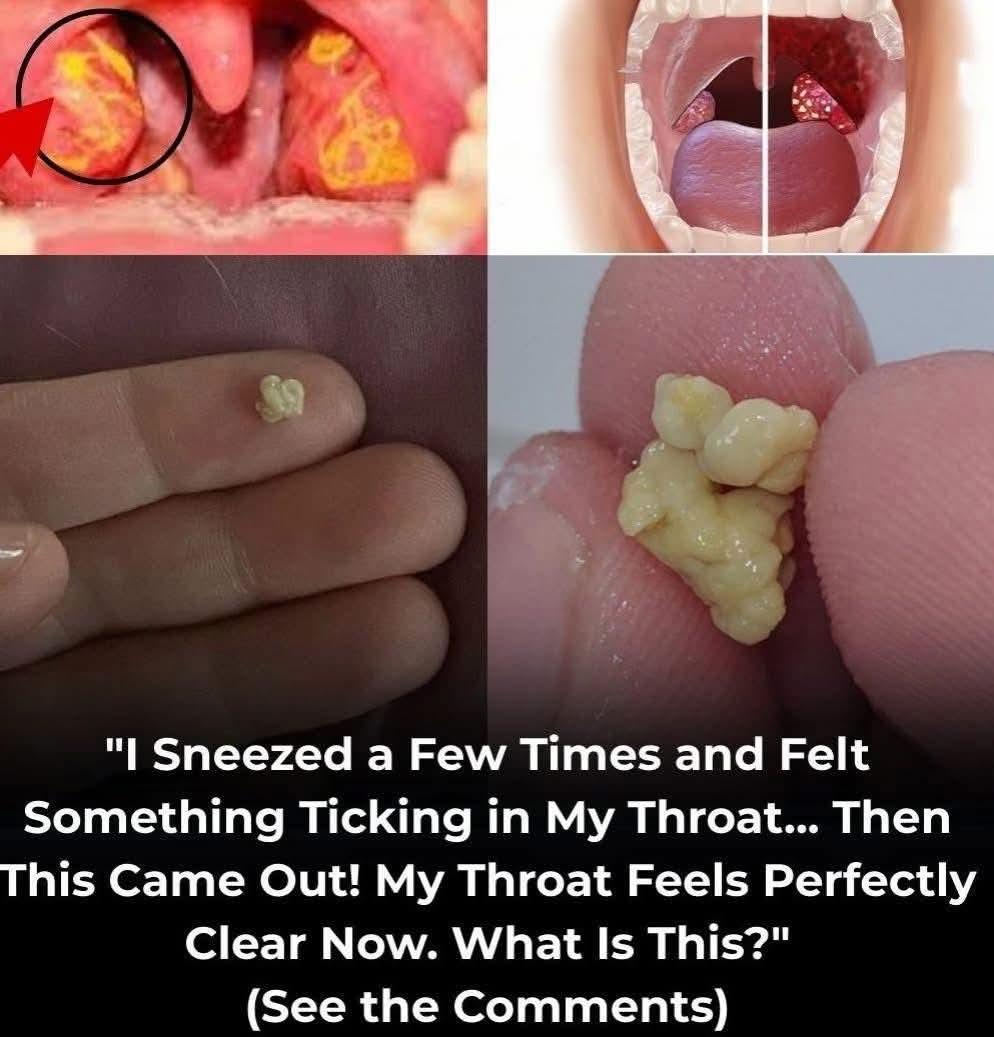
Tonsil stones are calcified deposits that form within the folds or crypts of the tonsils. Your tonsils, located at the back of your throat, are small glands that play a role in your immune system by trapping and filtering out bacteria, viruses, and other pathogens. Over time, bacteria, dead cells, and food particles can accumulate in these tonsil crypts. When these particles harden and calcify, they form tonsil stones.
These stones vary in size—some can be as small as a grain of rice, while others can grow larger, becoming uncomfortable and more noticeable. Although tonsil stones are generally not dangerous, they can cause a range of symptoms that make them difficult to ignore.
Symptoms of Tonsil Stones
Most tonsil stones don’t cause serious issues, and many people are unaware that they have them. However, when symptoms do appear, they can range from mild discomfort to more significant problems. Here are some common signs to look out for:
1. Bad Breath (Halitosis)
One of the most common symptoms of tonsil stones is persistent bad breath. As tonsil stones grow, they can trap bacteria that produce sulfur compounds, leading to foul-smelling breath. This is often the first sign that something is wrong.
2. Sore Throat or Pain
Tonsil stones can cause discomfort in the back of the throat. The irritation may feel like something is stuck, leading to a sore or scratchy throat. If the stone is large enough, it may press against the surrounding tissues, causing significant pain.
3. Difficulty Swallowing
In some cases, tonsil stones can make swallowing difficult. As the stones grow, they can obstruct the throat or become dislodged, creating discomfort when eating or drinking.
4. Visible White or Yellow Lumps
Tonsil stones often appear as white or yellow lumps on the surface of the tonsils. These lumps are usually visible when looking into the back of the throat, especially if the tonsils are enlarged.
5. Ear Pain
Although the tonsils themselves are in the throat, they are connected to the ears through nerves. This means that tonsil stones can sometimes cause referred pain in the ears, which may feel like a dull ache.
6. Tightness in the Throat
Some people experience a feeling of tightness or pressure in the throat, as if something is lodged there, even when no actual obstruction is present.
Causes and Risk Factors of Tonsil Stones
Tonsil stones are caused by the accumulation of debris, such as food particles, bacteria, and dead cells, in the crypts of the tonsils. Several factors can contribute to the formation of tonsil stones:
1. Enlarged Tonsils
People with larger tonsils or deeper tonsil crypts may be more prone to developing tonsil stones. These enlarged tonsils provide more space for debris to accumulate and calcify.
2. Poor Oral Hygiene
If you don’t brush your teeth and tongue regularly, bacteria and food particles can accumulate in the mouth, increasing the likelihood of tonsil stone formation. A lack of good oral hygiene also allows bacteria to thrive, which can worsen bad breath and other symptoms.
3. Chronic Tonsillitis
If you experience frequent tonsillitis (inflammation of the tonsils), your tonsils may become more prone to developing stones. Tonsillitis causes the tonsils to swell and their crypts to enlarge, making it easier for debris to collect.
4. Dry Mouth
Saliva helps wash away food particles and bacteria from the mouth and throat. If you suffer from dry mouth (which can be caused by medications, dehydration, or certain conditions), you may be at an increased risk of developing tonsil stones.
5. Post-Nasal Drip
Excess mucus from allergies or sinus issues can drip down the back of the throat, leading to the formation of tonsil stones. The mucus provides additional material for debris to accumulate around.
How to Diagnose Tonsil Stones
Tonsil stones are typically diagnosed through a physical examination by a healthcare provider. They may ask you about any symptoms, such as bad breath or a sore throat, and check for visible lumps in the tonsils. In some cases, a healthcare provider may use a light or mirror to get a better view of the tonsils. If the tonsil stones are difficult to see, imaging tests such as an X-ray or CT scan may be used, although this is rare.
If you suspect you have tonsil stones and are experiencing symptoms like bad breath or throat discomfort, it’s best to visit your doctor or an ENT (ear, nose, and throat) specialist for confirmation and treatment options.
Treatment Options for Tonsil Stones
In most cases, tonsil stones are not dangerous and can be managed at home with a few simple remedies. However, in some cases, treatment may be necessary if the stones become large, painful, or recurrent.
1. Home Remedies for Tonsil Stones
For small tonsil stones, you can try the following methods to remove them at home:
Gargling with Saltwater: Gargling with warm saltwater helps to loosen tonsil stones and reduce inflammation in the throat. It may also help flush out bacteria.
Water Pick: A water pick or oral irrigator can be used to gently flush out tonsil stones, especially if they are not deeply embedded in the tonsils. Make sure to use a low-pressure setting to avoid injury.
Cotton Swab: Some people use a cotton swab to gently press against the tonsil and dislodge the stone. This should be done carefully to avoid injury or infection.
Coughing or Sneezing: In some cases, tonsil stones may be dislodged by sneezing or coughing. However, this method is not always effective.
2. Medical Treatment
If tonsil stones are large, persistent, or cause severe pain, medical treatment may be necessary:
Tonsil Stone Removal by a Doctor: An ENT specialist can use specialized tools to remove tonsil stones under local anesthesia. This is a quick and relatively simple procedure.
Laser Tonsil Cryptolysis: In this procedure, a laser is used to shrink the tonsil crypts, reducing the likelihood of stone formation. This is typically done for individuals with recurring tonsil stones.
Tonsillectomy: In severe cases, where tonsil stones are a constant issue, the tonsils may be surgically removed (tonsillectomy). This is generally considered a last resort when other treatments have failed.
Preventing Tonsil Stones
While it’s not always possible to prevent tonsil stones, there are several steps you can take to reduce the risk:
1. Good Oral Hygiene
Brush your teeth and tongue at least twice a day, floss regularly, and use mouthwash to reduce the buildup of bacteria in the mouth. Good oral hygiene can help minimize the risk of tonsil stones and prevent the formation of new ones.
2. Stay Hydrated
Drinking plenty of water throughout the day helps keep the mouth moist and flushes away bacteria and food particles. Hydration also helps prevent dry mouth, which can increase the risk of tonsil stones.
3. Avoid Smoking
Smoking can dry out the mouth and promote bacterial growth, increasing the chances of tonsil stone formation. Quitting smoking can improve your oral health and reduce the risk of tonsil stones.
4. Gargling with Saltwater
Regularly gargling with saltwater helps to keep your tonsils clean and may reduce the chance of debris building up in the crypts. It also soothes the throat and helps reduce inflammation.
5. Treat Underlying Conditions
If you suffer from allergies, sinus problems, or post-nasal drip, addressing these conditions may help reduce the likelihood of tonsil stones. Medications or nasal sprays can help manage excessive mucus production and reduce the amount of debris in the tonsils.
When to See a Doctor
If you experience the following symptoms, it may be time to consult a healthcare provider:
Frequent or large tonsil stones: If you experience recurring tonsil stones or large stones that cause pain or difficulty swallowing.
Severe throat pain or swelling: If you experience persistent or severe pain in your throat, difficulty swallowing, or swelling in your tonsils, you may have an infection or a more serious condition.
Persistent bad breath: If you have chronic bad breath that doesn’t go away with brushing or mouthwash, tonsil stones could be the underlying cause.
Conclusion
Tonsil stones may be small, but they can certainly cause a big headache. While they’re usually harmless, they can lead to discomfort, bad breath, and a feeling of something being stuck in the throat. Fortunately, with proper oral hygiene, home remedies, and medical treatments, tonsil stones can be managed and prevented. If you experience persistent symptoms or have trouble removing tonsil stones, be sure to consult with a doctor or ENT specialist for further guidance. By staying proactive with your health, you can keep your tonsils stone-free and your throat feeling clear and comfortable.
More Recipes You Might Like
-

Why Some Homeowners Are Using Onion Water Around Orchids and What Usually Helps More for Strong Roots, Healthy Leaves, and Long-Lasting Blooms
Orchids are among the most elegant indoor flowering plants for homeowners who want graceful stems, glossy green leaves, long-lasting blooms, and a refined decorative display that fits beautifully in living rooms, bedrooms, apartments, home offices, bright kitchens, windowsills, covered patios, commercial interiors, luxury home staging, and premium indoor plant styling. A healthy orchid can turn…
-

Why Some Homeowners Are Pouring Aloe Water Around Orchids and What Usually Helps More for Strong Roots, Healthy Leaves, and Long-Lasting Blooms
Orchids are among the most elegant indoor flowering plants for homeowners who want graceful blooms, sculptural roots, glossy leaves, and a premium decorative display that fits beautifully in living rooms, bedrooms, apartments, home offices, bright kitchens, balcony gardens, covered patios, commercial interiors, luxury home staging, and refined indoor plant styling. A healthy orchid can make…
-
Why Some Homeowners Are Adding Brown Powder Around Snake Plants and What Usually Helps More for Strong Roots, Fuller Growth, and Healthy Indoor Leaves
Snake plant is one of the most dependable indoor plants for homeowners who want strong upright leaves, bold green patterning, yellow-edged variegation, easy maintenance, and a clean decorative display that fits beautifully in living rooms, bedrooms, apartments, home offices, bright kitchens, entry corners, sunny windowsills, plant shelves, commercial interiors, luxury home staging, and premium indoor…