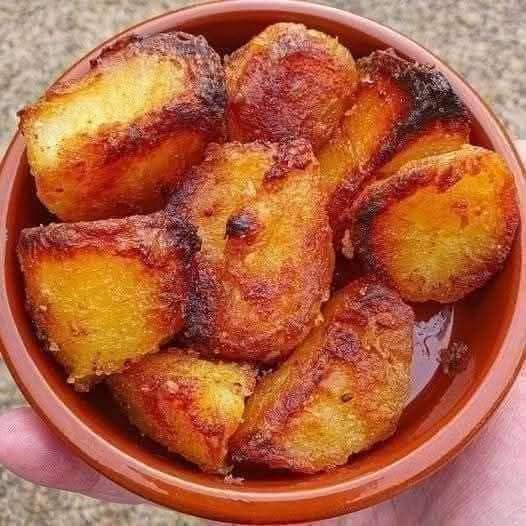
It begins with a quiet, almost spiritual, anticipation. The selection of the potatoes from the bin is not a casual act, but the first step in a weekly ritual. You are not merely preparing a side dish; you are engaging in an act of alchemical transformation. The humble, earthy tuber, through heat, fat, and intention, will become something transcendent: a perfect roast potato. Crisp as autumn leaves on the outside, fluffy and cloud-like within—a textural symphony in every bite. This is not just cooking; this is your weekly obsession, honed and perfected. And the air fryer, that miraculous countertop beacon of convection power, is your chosen instrument.
The obsession is real because the reward is profound. That first bite is a study in contrasts so satisfying it borders on the emotional. The audible CRUNCH that gives way to a soft, steaming interior is a sensory experience that weekly dinners are built around. It’s a personal victory, a small, delicious proof of competence and care. And yes, every week they do get better, because with each batch you learn—a minute more of parboiling, a different fat, a bolder seasoning. You are not just making potatoes; you are on a journey toward crispy, fluffy nirvana.
This guide is a love letter to that journey. We will move beyond basic instructions into the philosophy, science, and art of the air fryer roast potato. We will explore the why behind every step, troubleshoot the heartbreaks (soggy skin, bland interiors), and ascend to new heights of flavor and texture. Consider this your manifesto for maximum crisp.
Chapter 1: The Foundation – Choosing Your Canvas
Not all potatoes are created equal for this holy purpose. The choice of variety is the foundational decision that determines the final character of your obsession.
The Contenders:
· The Russet (Idaho/Baking Potato): The undisputed heavyweight champion of fluffiness. Its high starch content and low moisture are its superpowers. When parboiled and roughed up, the starch on the surface creates the most incredible, craggy, micro-creviced landscape that crisps into a spectacular, shattering shell. The interior bakes up dry and airy, perfect for soaking up gravy, butter, or aioli. Choose Russets when you desire the ultimate in textural contrast: a dramatic, thick crust and a light, mealy center.
· The Yukon Gold: The beloved all-rounder, the “chef’s potato.” With a medium starch content and a richer, naturally buttery flavor and creamy yellow flesh, it offers a different kind of joy. The crust will be slightly less craggy than a Russet’s but no less crisp—often a beautiful, golden, all-over crisp. The interior is velvety and cohesive, less prone to splitting apart. It provides a luxurious, rich mouthfeel. Choose Yukon Golds for a more refined, consistently creamy interior and a elegant, golden-brown finish.
· The Red or New Potato: A niche, but worthy, choice. These waxy potatoes have very low starch and high moisture. They will not achieve the same level of deep, fluffy interior or craggy exterior. Instead, they offer a dense, smooth, and moist bite with a tighter, thinner layer of crispness around the entire chunk. They excel when you want a more substantial, potato-forward bite and are fantastic when heavily herb-seasoned. Choose these for a rustic, hearty result, but adjust your crispiness expectations.
The Verdict: For the obsession you describe—the pinnacle of crispy-outside, fluffy-inside—the Russet is your muse. Its structural properties are engineered for this very transformation.
Chapter 2: The Parboil – Not a Suggestion, But a Commandment
This is the single most important step you will take. Skipping it is the difference between a good potato and a legendary one. Parboiling is not about cooking the potato through; it’s about engineering its surface.
The Scientific Why:
A potato’s cell walls are held together by pectin.When you boil it, the pectin begins to dissolve and gel. By parboiling for just the right amount of time (8-12 minutes for 1.5-inch chunks, starting in cold, well-salted water), you dissolve the pectin in the outer 1-2 millimeters of the potato. This softened, gelatinous surface layer is what, when shaken, becomes “fluffy.” It is the raw material for crisp.
The Art of the Shake:
Drain your parboiled potatoes thoroughly in a colander.Then, return them to the hot, empty pot (off the heat). Cover with the lid. Now, channel your inner percussionist. Shake the living daylights out of it. Not a gentle tumble—a vigorous, aggressive, 10-15 second shake. You are not just drying them; you are abrading the surface against itself and the pot. The dissolved starch forms a thick, pasty, chaotic coating on each chunk. This paste will dehydrate and harden in the intense, dry heat of the air fryer, becoming the craggy, crisp armor you crave. The more you shake, the more texture you create. This step is cathartic. This step is magic.
Chapter 3: The Fat – Choosing Your Crisp Conductor
Fat is not just a medium to prevent sticking; it is the conductor of heat and the carrier of flavor. It fries the starch-paste coating into crispness.
The Fat Pantheon:
· Duck or Goose Fat: The undisputed, luxurious champion. It has a high smoke point and an inimitable savory, rich depth that permeates the potato. It creates an incomparable, professional-grade crisp. This is for special occasions or when you want to feel like a Michelin-starred home cook.
· Avocado Oil: The modern, health-conscious powerhouse. Its extremely high smoke point (over 500°F) makes it perfect for the air fryer’s concentrated heat. It’s neutral in flavor, allowing your seasonings to shine, and it consistently delivers a spectacular, clean, all-over crunch.
· Extra Virgin Olive Oil: The flavor king, but use with knowledge. Its lower smoke point (around 375°F for good EVOO) means it can smoke in a hot air fryer and potentially impart a bitter flavor if pushed too far. For a lower-temp roast or the last few minutes of cooking, it’s divine. Its fruity, peppery notes are a beautiful complement.
· Beef Tallow: A rising star for a reason. It’s stable, flavorful, and gives a “steakhouse” quality to the potatoes. It creates a fantastic, sturdy crisp.
Application Protocol:
After the Great Shake,transfer your potatoes to a large bowl. Drizzle your chosen fat over them. Now, use a spoon or spatula to fold and tumble gently. You want to coat every craggy surface without breaking the precious fluff you just created. The goal is a glossy, even sheen.
Chapter 4: The Seasoning – Building Flavor Stratospheres
Salt during the parboil seasons the potato from within. Salt now seasons the crust. But we can go so much further.
The First Layer: The Adhesive Base.
Before adding dry herbs,create a sticky layer for them to cling to. A few dashes of a wet ingredient mixed with the fat makes all the difference:
· A teaspoon of Dijon mustard or mayonnaise emulsifies with the fat and creates a flavor-packed, glue-like coating.
· A tablespoon of soy sauce or Worcestershire sauce adds umami depth and helps with browning.
· A squeeze of lemon or lime juice brightens and helps the salt penetrate.
The Second Layer: The Dry Arsenal.
Now,shower with your dried seasonings. Beyond salt and pepper, consider:
· Smoked Paprika: For color and a whisper of campfire.
· Garlic Powder & Onion Powder: The essential, allium backbone (fresh garlic will burn).
· Rosemary or Thyme (dried): Crush them between your fingers to awaken their oils.
· A Pinch of MSG: The umami atom bomb. It makes everything taste more intensely of itself.
Toss once more, with reverence, until every peak and valley is seasoned.
Chapter 5: The Air Fryer – Temple of Convection
Your appliance is not an oven. It is a focused, tornado-force wind tunnel of hot air. Respect its power.
The Non-Negotiable Rules:
Preheat: Always, always preheat to 400°F (200°C) for 3-5 minutes. Putting cold potatoes into a cold air fryer steams them first, sabotaging your crisp.
The Single Layer Sacrament: Do not overcrowd. The potatoes must have space for the hot air to circulate freely around every surface. Cook in two glorious, perfect batches if you must. Patience is a virtue rewarded with crisp.
The Midway Shake: At the 10-12 minute mark, pull the basket. Do not use tongs or a fork to gently turn. Shake the basket with vigor. This reorients all surfaces, ensures even exposure, and is oddly satisfying.
The Doneness Decree: Cook for 18-25 minutes total. They are done not just when golden, but when the craggy parts are deep brown and the potatoes sound hollow when tapped. The crisp should feel formidable.
Chapter 6: The Final Act – From Great to Transcendent
The potatoes are done. But your work as an artist has one final, critical phase.
The Finishing Salt: As you empty them into a serving bowl, immediately hit them with a shower of flaky sea salt (Maldon, Jacobsen). The residual heat makes it adhere, and its delicate crunch provides a final, saline textural punctuation.
The Fresh Herb Baptism: Now add your fresh, delicate herbs. Chopped rosemary, thyme, parsley, or chives. The residual heat wilts them just enough to release their perfume without burning.
The Optional, Decadent Garnish: A microplane of Parmigiano-Reggiano, a drizzle of white truffle oil, or a handful of fried shallots or capers. This is your signature.
Chapter 7: Troubleshooting the Path to Perfection
· Soggy/Limp Skin: You skipped the parboil-and-shake, overcrowded the basket, or didn’t preheat. The potato steamed instead of roasted.
· Burnt Edges Before Cooked Inside: Your chunks are too small, your temperature is too high, or you’re using a fat with too low a smoke point (like poor-quality EVOO). Cut larger, reduce temp to 380°F, use avocado oil.
· Bland Interiors: You didn’t salt the parboiling water aggressively. It should taste like the sea. This is your primary chance to season the potato’s soul.
· Not Crispy Enough: You didn’t shake hard enough to create surface texture, you under-seasoned the exterior (salt draws out moisture, aiding crisp), or you’re under-oiling. Don’t be shy with the fat—it’s the vehicle for transformation.
Chapter 8: The Serving Synergy – Companions for Your Obsession
This potato deserves a worthy partner.
· The Classic: A pool of rich, homemade chicken or beef gravy.
· The Zesty: A lemon-garlic aioli or a herby sour cream (sour cream, chives, lemon zest, salt).
· The Bold: A spicy chipotle mayo or a romesco sauce.
· The Simple: A pat of the very best salted butter, melting into the crevices.
Epilogue: The Obsession, Perfected
This is more than a recipe. It is a practice. A weekly meditation on transformation. The air fryer is merely the kiln; you are the artist, manipulating starch, water, heat, and time.
Each week, as you refine—a harder shake, a different fat blend, a daring spice—you are not just improving a potato. You are honing your intuition, understanding physical processes, and creating a simple, profound, and deeply personal joy. That moment you present the bowl, hearing that first crunch from a loved one, seeing their eyes close in appreciation… that is the reward. The obsession is not just with the potato, but with the act of creation itself. It can’t get much better than this. But next week, you’ll try anyway.
Now, fellow obsessor, the conversation is yours. What is your secret weapon? A specific spice blend? A surprising dip? How have you made this ritual your own? Share your wisdom in the comments below—let’s build a temple to the crispy, fluffy gods together.
More Recipes You Might Like
-

Easy African Violet Care: Simple Tips for Lush Growth and Vibrant Blooms
African violets are small, elegant, and full of charm. Their soft fuzzy leaves, compact shape, and bright purple, pink, white, blue, or double flowers make them one of the most loved indoor flowering plants. They look beautiful on windowsills, shelves, kitchen counters, bedroom tables, office desks, and cozy plant corners. Even one healthy African violet…
-

Bird’s Nest Snake Plant Fishbowl Garden: A Complete Guide to Creating a Beautiful Glass Bowl Display With Shells, Strong Roots, Healthy Leaves, and Stylish Indoor Decor
Bird’s Nest Snake Plant is one of the most beautiful compact houseplants for small indoor spaces. Its short rosette shape, thick patterned leaves, and elegant green form make it perfect for tables, shelves, desks, windowsills, bedrooms, offices, and living room displays. Unlike tall snake plants that grow like upright swords, Bird’s Nest Snake Plant grows…
-

Garlic Spray for Indoor Plants: A Complete Guide to Making a Natural Garlic Water Spray for Basil, Herbs, Houseplants, Pest Prevention, Leaf Care, and Healthy Indoor Growth
Indoor plants bring freshness, color, scent, and life into the home. A sunny windowsill filled with basil, mint, parsley, pothos, peppers, flowers, and leafy houseplants can make any room feel warmer and more natural. But indoor plants also face problems. Leaves can become dusty. Tiny pests can appear. Soil can stay too wet. Basil can…