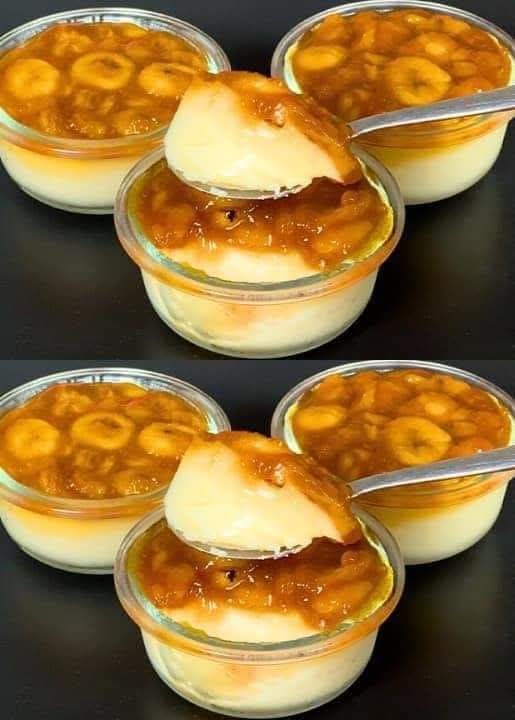
Imagine a dessert that begins with a deep, bitter-sweet layer of liquid gold, crowned with slices of caramelized banana, all enveloped in a silken, vanilla-speckled custard. When inverted, it reveals itself as a stunning, trembling tower of flavor—a perfect marriage of humble ingredients and elegant technique. This is Banana Caramel Custard, a dessert that transcends categories. It is both a comforting, nostalgic pudding and a dinner-party showstopper, all baked into one sublime dish. It’s a masterclass in texture and taste, where the rich bitterness of caramel, the sweet softness of banana, and the cool creaminess of custard perform in perfect harmony.
This guide is your definitive roadmap to mastering this classic, often underappreciated dessert. We will delve into the precise food science that creates its distinct layers, detail the essential baking equipment that guarantees a flawless un-molding, and provide a master recipe that balances sweetness and depth. Prepare to discover why this isn’t just a simple baked custard; it’s a transformative culinary experience that is, paradoxically, both simple to make and profoundly impressive to serve.
The Precision Toolkit: Equipment for a Flawless Layered Dessert
Creating a perfect caramel custard (also known as crème caramel or flan) is an exercise in precision and gentle cooking. The right tools are not just helpful; they are critical for achieving the signature smooth texture, clean caramel layer, and dramatic release from the mold.
The Ramekins or Baking Dish: The Vessel of Transformation
For individual servings,a set of 6-ounce ceramic ramekins is classic and elegant. For a single large dessert, a 1.5-quart round ceramic or glass baking dish (like Pyrex) or, traditionally, a Charlotte mold is ideal. The key is a smooth interior surface to ensure the custard releases cleanly. Light-colored ceramic distributes heat gently for even cooking. For the large version, a dish with a lip is helpful for the water bath.
The Heavy-Bottomed Saucepan & Pastry Brush: For Caramel Mastery
Making caramel requires controlled,even heat. A heavy-bottomed, light-colored 2-quart saucepan (like one from All-Clad) allows you to see the color change clearly and prevents hot spots that cause burning. A silicone pastry brush dipped in water is the secret tool for washing down sugar crystals from the sides of the pan as the syrup cooks, preventing recrystallization and ensuring a smooth caramel.
The Fine-Mesh Sieve: The Guarantee of Silken Texture
The single most important tool for a velvety custard is afine-mesh sieve. Straining the custard base after mixing is non-negotiable. It removes any tiny bits of coagulated egg or undissolved vanilla bean, ensuring the baked custard is flawlessly smooth and free of bubbles or graininess.
The Digital Kitchen Scale & Instant-Read Thermometer: Tools of Absolute Precision
Baking is science,and custard is its most delicate form. A digital kitchen scale ensures perfect ratios of dairy to egg. An instant-read thermometer is your best friend for two steps: monitoring the caramel’s temperature (aim for 350-375°F / 175-190°C for a deep amber) and, more crucially, baking the custard. Removing it from the oven when the center reaches 170-175°F (77-80°C) guarantees a set but still creamy texture; overbaking leads to a rubbery, weeping custard.
The Roasting Pan & Kettle: For the Gentle Water Bath (Bain-Marie)
A custard must never boil.A water bath is the technique that makes this possible. You will place your filled ramekins or dish inside a large roasting pan, then pour hot water from a kettle into the pan until it comes halfway up the sides of the custard vessels. This creates a humid, gentle steam oven that cooks the custard evenly and prevents cracking or curdling.
The Essential Custard-Making Arsenal:
· 6-oz ramekins or a 1.5-quart baking dish (buy it from here)
· Heavy-bottomed saucepan & silicone pastry brush (buy it from here)
· Fine-mesh sieve (buy it from here)
· Digital kitchen scale & instant-read thermometer (buy it from here)
· Large roasting pan (for water bath) (buy it from here)
· Whisk & mixing bowls (buy it from here)
· Kitette or small offset spatula (for arranging bananas) (buy it from here)
The Master Recipe: Silken Banana Caramel Custard
This recipe uses a cooked caramel poured into the mold first, followed by a layer of bananas and a rich custard. The slow, gentle bake is key.
Prep Time: 30 minutes | Bake Time: 40-55 minutes | Chill Time: 6 hours minimum | Serves: 6 (individual) or 8 (large)
Ingredients:
For the Caramel Layer:
· 1 cup (200g) granulated sugar
· ¼ cup (60ml) water
· ¼ tsp fresh lemon juice or cream of tartar (helps prevent crystallization)
For the Banana & Custard Layers:
· 2-3 ripe but firm bananas, sliced into ½-inch coins
· 2 cups (480ml) whole milk
· 1 cup (240ml) heavy cream (or substitute all milk for a lighter version)
· 1 vanilla bean, split and seeds scraped (or 2 tsp pure vanilla extract)
· 4 large eggs + 2 large egg yolks
· ¾ cup (150g) granulated sugar
· Pinch of fine sea salt
Step-by-Step Instructions:
PART 1: CREATE THE CARAMEL & ASSEMBLE THE BASE
Prep the Mold(s): Place your ramekins or baking dish nearby. Have your roasting pan ready.
Cook the Caramel: In your heavy-bottomed saucepan, combine the sugar, water, and lemon juice. Stir only until the sugar is moistened. Over medium heat, bring to a boil without stirring. If sugar crystals form on the sides, use a wet pastry brush to wash them down.
Monitor Closely: Let the syrup boil, swirling the pan gently occasionally, until it turns a deep amber color and reaches 350°F (175°C) on your thermometer. The moment it’s ready, immediately and carefully pour a thin, even layer into the bottom of each ramekin or your single dish. It will set quickly. Tilt the dish to coat the bottom evenly. Work fast; caramel hardens in seconds. Set aside to cool and harden completely. Arrange a single layer of banana slices over the hardened caramel.
PART 2: MAKE THE SILKEN CUSTARD
Infuse the Dairy: In a clean saucepan, combine the milk, cream, and the vanilla bean pod and seeds (if using extract, add later). Heat over medium until just beginning to steam; small bubbles will form around the edges. Do not boil. Remove from heat, cover, and let steep for 15 minutes.
Temper the Eggs: In a large bowl, whisk the whole eggs, egg yolks, sugar, and salt until just combined and slightly pale. Do not whip to a froth. If using vanilla extract, add it now.
Combine: Slowly, while whisking constantly, pour the warm milk mixture into the egg mixture in a thin stream. This gradual addition, called tempering, prevents the eggs from scrambling.
Strain: Pour the combined custard through your fine-mesh sieve into a large liquid measuring cup or pitcher. This removes the vanilla pod and any cooked egg bits, guaranteeing a silky texture.
PART 3: THE GENTLE BAKE & CRUCIAL CHILL
Prepare for Water Bath: Preheat oven to 325°F (160°C). Place the caramel-and-banana-lined mold(s) into the roasting pan. Pour the strained custard over the bananas.
Create the Bath: Place the roasting pan on the oven rack. Using a kettle, pour hot water into the roasting pan until it comes halfway up the sides of the custard dish(es).
Bake: Bake until the custard is set around the edges but still slightly wobbly in the very center, like firm Jell-O. For ramekins, this takes 35-40 minutes. For a large dish, 50-55 minutes. The internal temperature should be 170-175°F (77-80°C).
Cool and Chill: Carefully remove the dishes from the water bath. Cool to room temperature on a rack, then cover and refrigerate for at least 6 hours, preferably overnight. This chilling is non-negotiable; it allows the custard to fully set and the caramel to liquefy into a sauce.
PART 4: THE DRAMATIC UNMOLDING
Run a Knife: Just before serving, run a thin paring knife around the inside edge of the dish to break the seal.
Invert and Serve: Place a serving plate upside-down over the dish. In one confident, swift motion, flip them over. Gently lift the dish—the custard should release, surrounded by a pool of beautiful caramel sauce and bananas. If it sticks, give it a gentle shake or apply a warm, damp towel to the bottom of the dish for a few seconds to loosen the caramel.
The Science of the Layers: A Dessert of Controlled Transformations
· Caramelization: Heating sugar past its melting point causes it to break down into hundreds of new compounds, creating complex bitter, nutty, and buttery flavors. The lemon juice provides acid to inhibit sugar crystals from reforming, ensuring a smooth sauce.
· Custard Setting: The eggs’ proteins unfold (denature) and bond together (coagulate) in the gentle heat of the water bath, trapping the liquid dairy into a soft, solid gel. The fat from the cream and egg yolks interrupts this protein network, making it tender and rich instead of rubbery.
· The Overnight Chill: This rest allows the hardened caramel to slowly absorb moisture from the custard and bananas, transforming back into a luxurious, syrupy sauce that perfectly coats each slice.
Creative Variations & Flavor Twists
· Salted Bourbon Caramel: Add 1 tsp of flaky sea salt and 2 tbsp of bourbon to the finished caramel before pouring.
· Tropical Twist: Use sliced ripe plantains (sautéed in a little butter first) or add a layer of toasted coconut under the bananas.
· Espresso Infusion: Add 2 tbsp of finely ground espresso beans to the milk during the steeping process; strain out with the vanilla pod.
· Ginger-Cardamom: Steep the milk with 5 slices of fresh ginger and 6 crushed cardamom pods instead of vanilla.
· Chocolate Banana: Sprinkle ¼ cup of mini chocolate chips over the banana layer before adding the custard.
Troubleshooting & FAQ
· My caramel crystallized/hardened in the pan. This is usually caused by stirring after the sugar has dissolved or having undissolved sugar crystals on the pan’s sides. Use the wet pastry brush technique and don’t stir once it boils.
· My caramel is too pale/too dark. Pale caramel lacks depth and can be too sweet; dark caramel can be unpleasantly bitter. Use a thermometer and trust the amber color. It will continue to darken slightly off the heat.
· My custard is watery/weeping (syneresis). This is caused by overbaking. The proteins tighten too much and squeeze out liquid. Next time, bake to the lower end of the temperature range and remove before the center is completely firm.
· My custard has bubbles/is grainy. You did not strain the custard base, or you whisked too vigorously, incorporating too much air. Strain and tap the dish gently on the counter before baking to release air bubbles.
· Can I make this without a water bath? It is not recommended. The direct, dry heat of the oven will cause the custard to overcook at the edges, crack, and become rubbery.
· How long does it keep? Covered in the refrigerator, it will keep for up to 4 days. The caramel sauce will continue to thin and flavor the custard.
Conclusion: The Elegant Proof that Patience is a Flavor
Banana Caramel Custard is a dessert that rewards foresight and respect for process. It teaches the quiet lessons of caramel alchemy, the gentle touch required for custard, and the virtue of patience in chilling. The dramatic, inverted reveal is not just theater; it’s the delicious culmination of careful technique.
So, this weekend, embrace the quiet precision of this classic. Use your sieve, trust your thermometer, and be patient with the water bath and the long chill. The result is a dessert of stunning sophistication that whispers of care and knowledge—a perfect, trembling bite of sweet science that is, unquestionably, worth the wait.
More Recipes You Might Like
-

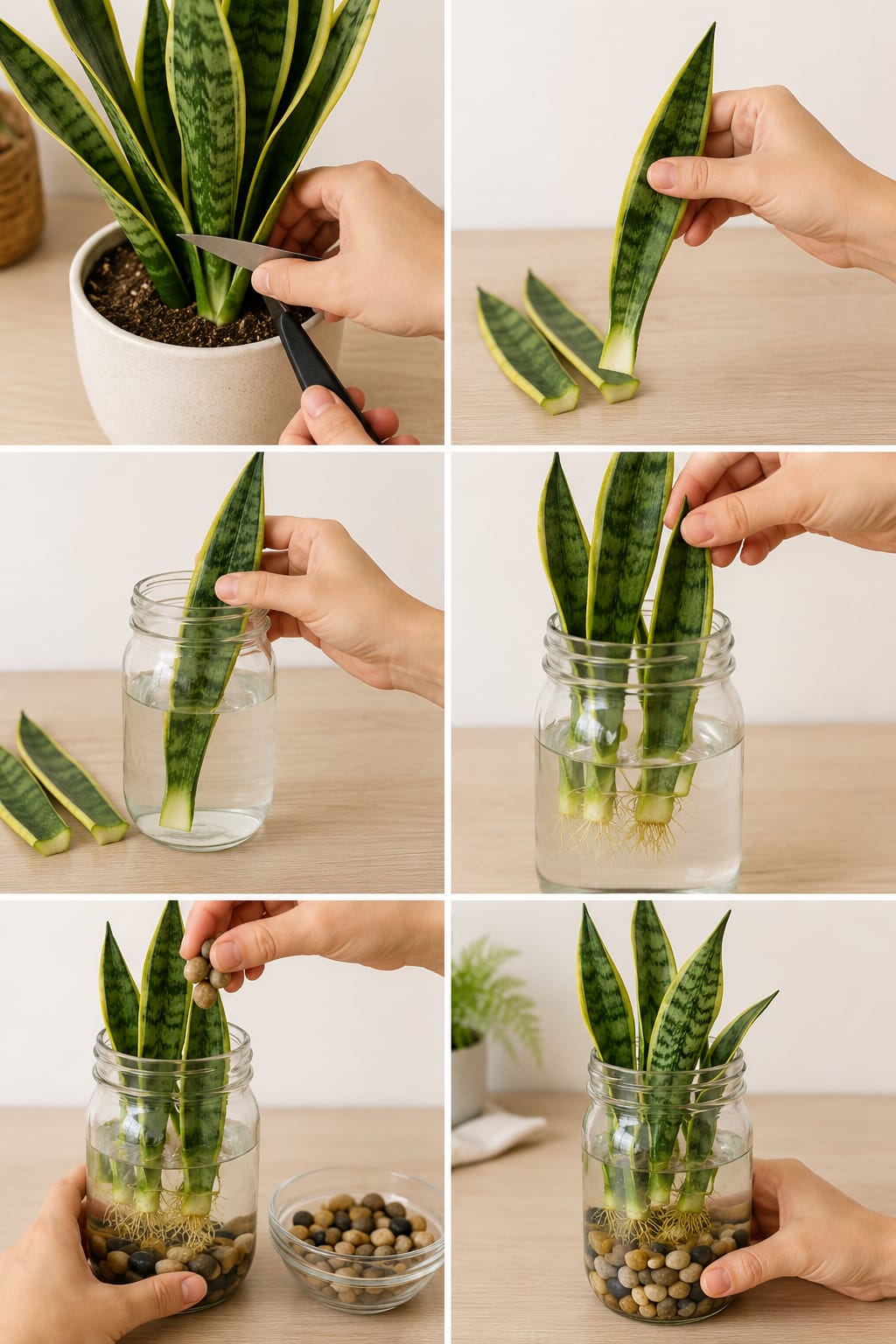
How to Grow Snake Plant Cuttings in Water: A Complete Guide for Strong Roots, Healthy Leaves, Clean Jar Displays, and Easy Indoor Propagation
Snake plants are some of the easiest, strongest, and most stylish houseplants you can grow indoors. Their tall sword-shaped leaves, bold green patterns, yellow edges, and modern upright shape make them perfect for living rooms, bedrooms, offices, shelves, windowsills, and plant corners. They are famous for being low-maintenance, drought-tolerant, and beginner-friendly. The image shows a…
-

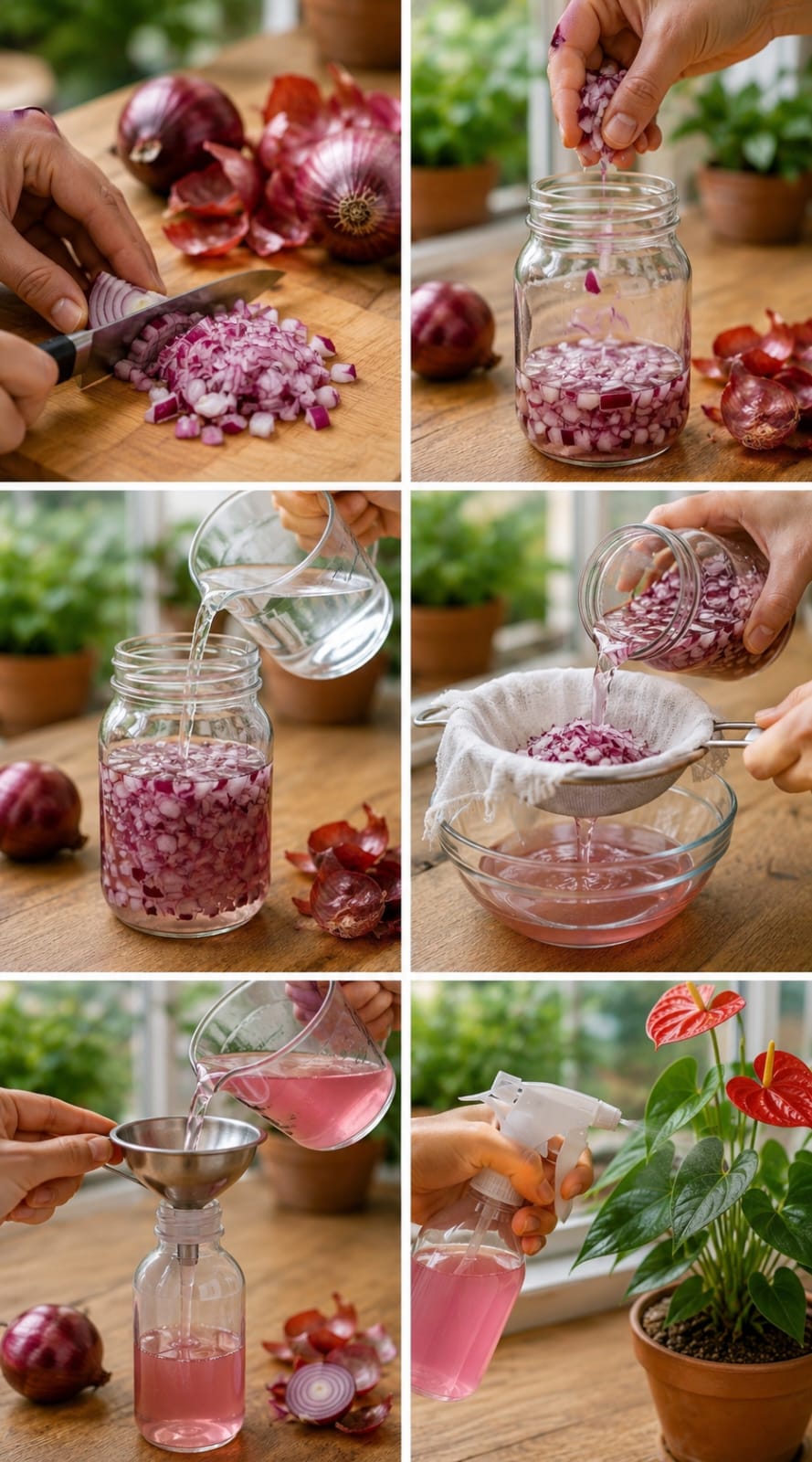
Onion Water for Anthuriums: A Complete Guide for Glossy Leaves, Strong Roots, Bright Flowers, and Safe Indoor Plant Care
Anthuriums are some of the most beautiful tropical plants you can grow indoors. Their glossy heart-shaped leaves, colorful spathes, and elegant upright flowers can make any room feel fresh, bright, and luxurious. Red, pink, white, purple, and orange Anthuriums are often used as living decorations because they can bloom for a long time when the…
-

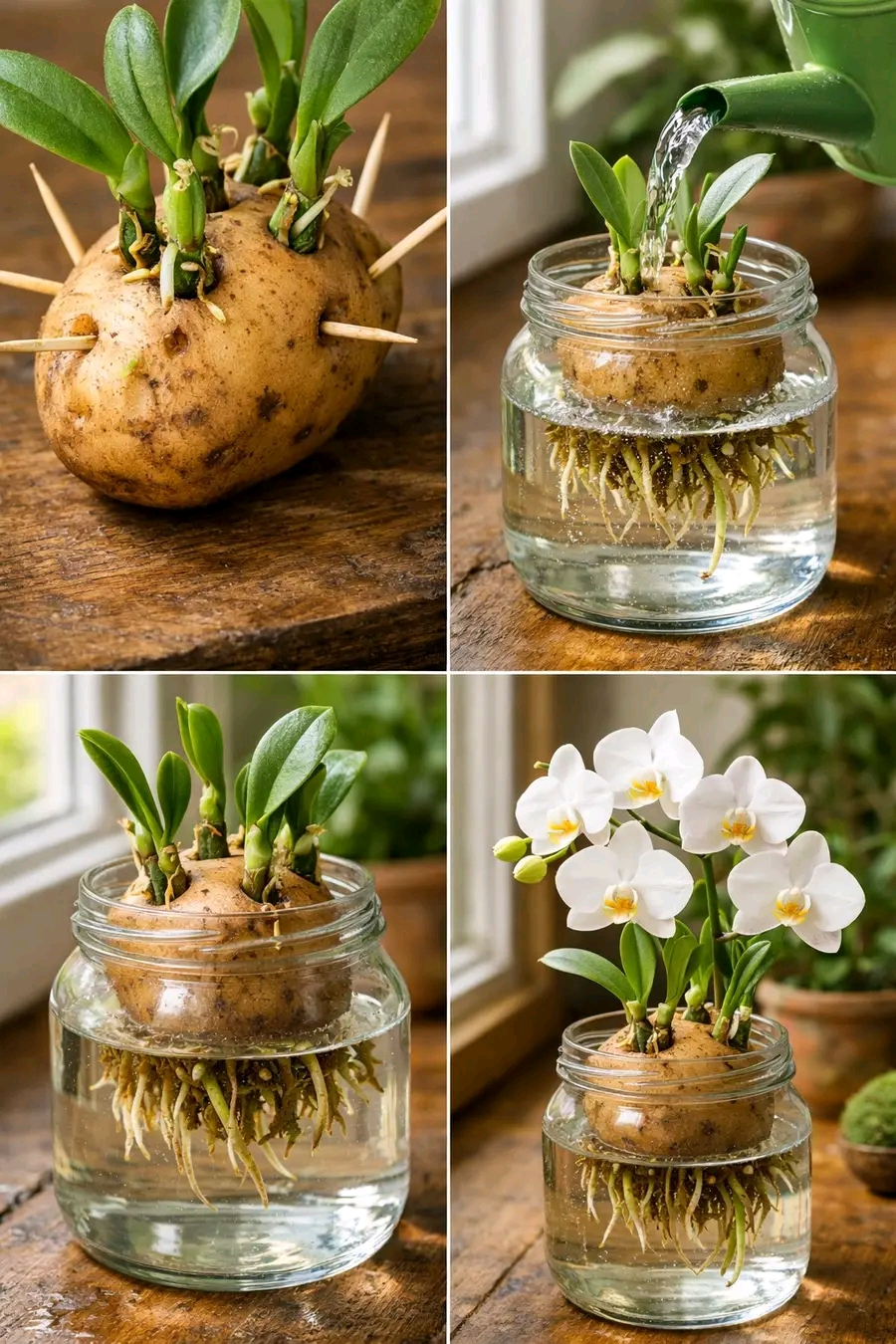
Potato Method for Orchids: A Complete Guide for Strong Roots, Healthy Leaves, Beautiful Blooms, and Safe Indoor Orchid Care
Orchids are some of the most elegant flowering plants you can grow indoors. Their smooth green leaves, graceful flower spikes, and long-lasting blooms make them a favorite for windowsills, plant shelves, living rooms, kitchens, offices, and bright indoor corners. A healthy orchid can bloom for weeks, sometimes months, when the care routine is right. But…