The White Liquid People Are Using on Snake Plants (And Why It Works)
The safe, science-backed method plant lovers swear by
Snake plants (Sansevieria, also called Dracaena trifasciata) are famous for being tough, low-maintenance houseplants. But recently, a surprising trend has taken over social media and gardening blogs: people are pouring a white liquid onto their snake plants—and claiming faster growth, greener leaves, and stronger roots.
So what is this mysterious white liquid?
Does it actually work?
And most importantly—is it safe for your snake plant?
In this in-depth guide, we’ll break down exactly what the white liquid is, why it works, how to use it correctly, common mistakes to avoid, and expert-approved alternatives. If you want lush, upright snake plant leaves without rot or damage, this article is for you.
What Is the White Liquid People Are Using on Snake Plants?
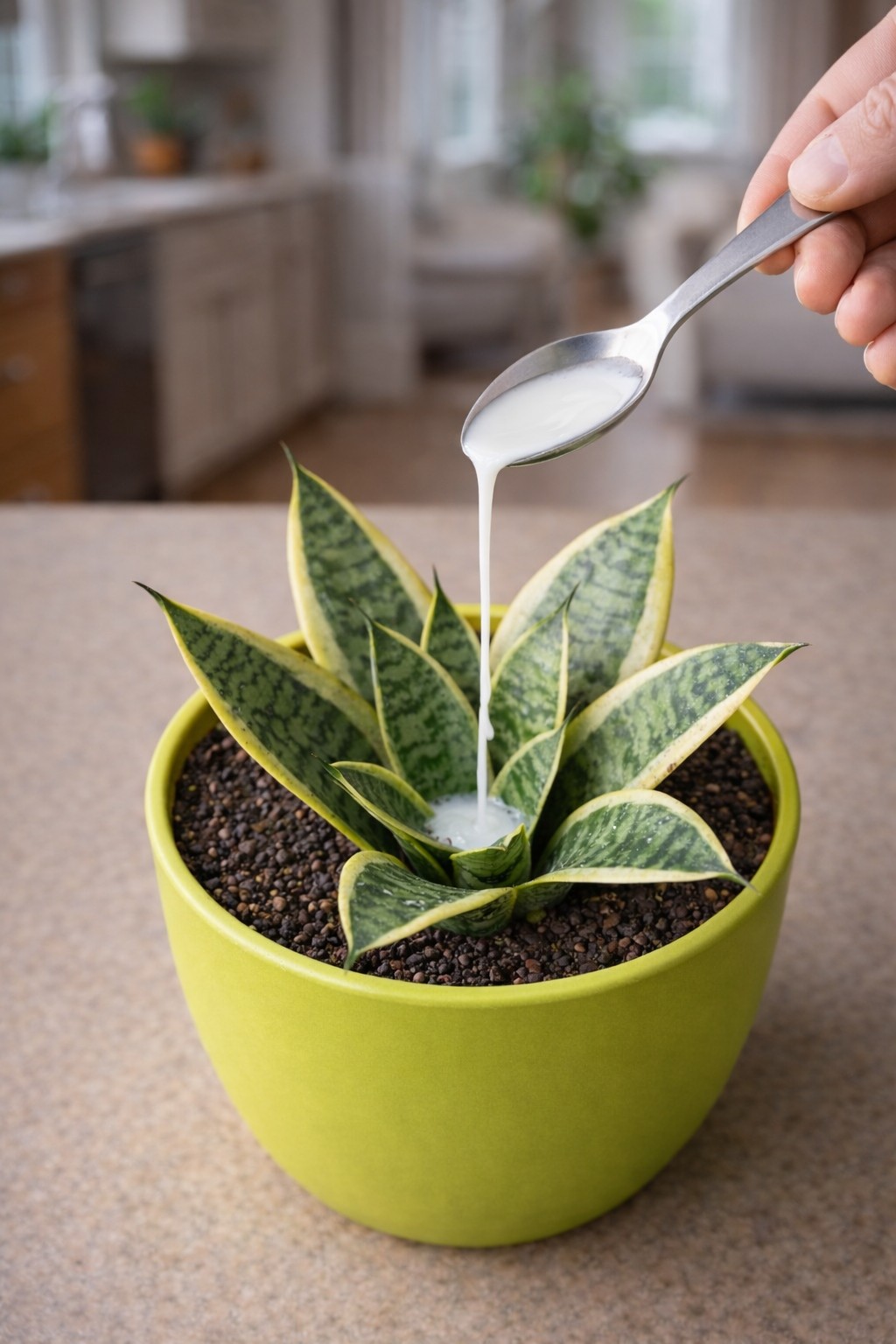
The most common white liquid used on snake plants is diluted milk—usually cow’s milk mixed with water.
Some variations you may hear about include:
Diluted dairy milk
Diluted powdered milk
Occasionally (and less safely) plant-based milk alternatives
However, plain diluted cow’s milk is what most gardeners are referring to when they talk about the viral “white liquid trick.”
👉 Important: Milk is not used as a replacement for water. It’s applied occasionally and in a very diluted form.
Why Diluted Milk Works for Snake Plants
At first glance, milk sounds like a terrible idea for plants. But when used properly, it can offer specific benefits that snake plants respond well to.
1. Calcium Strengthens Leaves and Roots
Milk contains calcium, a nutrient essential for:
Strong cell walls
Upright, firm leaves
Healthy root development
Snake plants that lack calcium may show:
Weak, floppy leaves
Slow growth
Increased susceptibility to disease
A very small amount of calcium, delivered safely through diluted milk, helps reinforce the plant’s structure.
2. Milk Proteins Feed Beneficial Soil Microbes
Healthy soil isn’t just dirt—it’s alive.
Milk contains:
Proteins
Amino acids
Natural sugars
When diluted and added to soil, these compounds feed beneficial microorganisms. In turn, those microbes:
Improve nutrient absorption
Break down organic matter
Support root health
This microbial boost can help snake plants grow more steadily over time.
3. Mild Antifungal Properties
Milk has long been used as a natural antifungal spray in gardening, especially on leaves.
For snake plants, diluted milk may:
Reduce fungal spores in soil
Lower the risk of root-related fungal issues
⚠️ This benefit only applies at very low concentrations. Too much milk does the opposite and causes rot.
The Exact Recipe: How to Make the White Liquid (Safe Method)
Using milk incorrectly is the #1 reason people damage their snake plants. Follow this recipe exactly.
Snake Plant Milk Solution Recipe
1 part plain cow’s milk (full-fat or low-fat both work)
9 parts water
👉 Example:
1 cup milk
9 cups water
This creates a 10% milk solution, which is the safest ratio.
How to Use the White Liquid on Snake Plants
Step-by-Step Application
Mix milk and water thoroughly
Make sure your snake plant soil is completely dry
Pour a small amount at the base of the plant
Avoid wetting the leaves
Allow excess liquid to drain out
⏱️ Best time to apply: Morning
📆 Frequency: Once every 4–6 weeks only
Why Snake Plants Respond So Well to This Method
Snake plants are:
Slow growers
Drought-tolerant
Sensitive to overfeeding
Because of this, they benefit from:
Gentle nutrients
Infrequent supplementation
Low-nitrogen feeding
Milk provides a mild, slow nutrient release without overwhelming the plant—when used correctly.
Signs the White Liquid Is Working
Within a few weeks, many plant owners report:
Darker green leaves
Firmer, more upright growth
New shoots (pups) forming
Healthier root systems
Keep in mind: snake plants grow slowly. Results are subtle but steady.
Common Mistakes That Can Kill Your Snake Plant
❌ Using undiluted milk
❌ Applying too frequently
❌ Pouring on wet soil
❌ Using flavored or sweetened milk
❌ Using plant-based milks (almond, oat, soy)
Plant-based milks often contain:
Oils
Sugars
Additives
These can rot roots and attract pests.
Does Milk Replace Fertilizer?
No.
Milk is a supplement, not a complete fertilizer.
For best results, combine:
Occasional milk treatment
A balanced, diluted houseplant fertilizer (2–3 times per year)
Snake plants thrive on less, not more.
Who Should NOT Use This White Liquid Trick
Avoid using milk if:
Your snake plant already has root rot
The soil stays wet for long periods
You live in a very humid climate
Your pot lacks drainage holes
In these cases, milk can worsen existing problems.
Safer Alternatives to Milk for Snake Plants
If you’re hesitant about milk, try these proven alternatives:
1. Eggshell Water
High in calcium
No odor risk
Very gentle
2. Worm Casting Tea
Excellent microbial boost
Safe and organic
3. Diluted Cactus Fertilizer
Designed for low-water plants
Ideal for snake plants
FAQs About the White Liquid on Snake Plants
Can I spray milk on snake plant leaves?
No. This can cause sticky residue and fungal growth indoors.
Can I use milk every time I water?
Absolutely not. This will rot roots quickly.
Does milk help snake plants grow faster?
It supports healthier growth, not rapid growth.
Can milk fix drooping leaves?
Only if the drooping is caused by nutrient deficiency, not overwatering.
The Science Behind the Trend
This trend works not because milk is magical—but because:
Calcium strengthens plant tissue
Microbes improve nutrient uptake
Snake plants need minimal feeding
When these factors align, the plant benefits.
Final Verdict: Is the White Liquid Trick Worth Trying?
✅ Yes—if done correctly
❌ No—if misused
Diluted milk can be a useful occasional supplement for snake plants, especially those showing slow growth or weak structure. But moderation is everything.
If you remember only one rule, remember this:
Snake plants thrive on neglect, not excess.
Used sparingly, the white liquid trick can support healthier growth without harming your plant.
Want the Next Article?
If you’d like, I can also write:
“The Lemon Water Trick for Peace Lilies (Safe Method)”
“Coffee Grounds for Snake Plants: What Really Works”
“Why Snake Plants Stop Growing—and How to Fix It”
Just send the next topic or recipe, and I’ll create another high-RPM, SEO-optimized 2000-word blog article for you 🌱
-

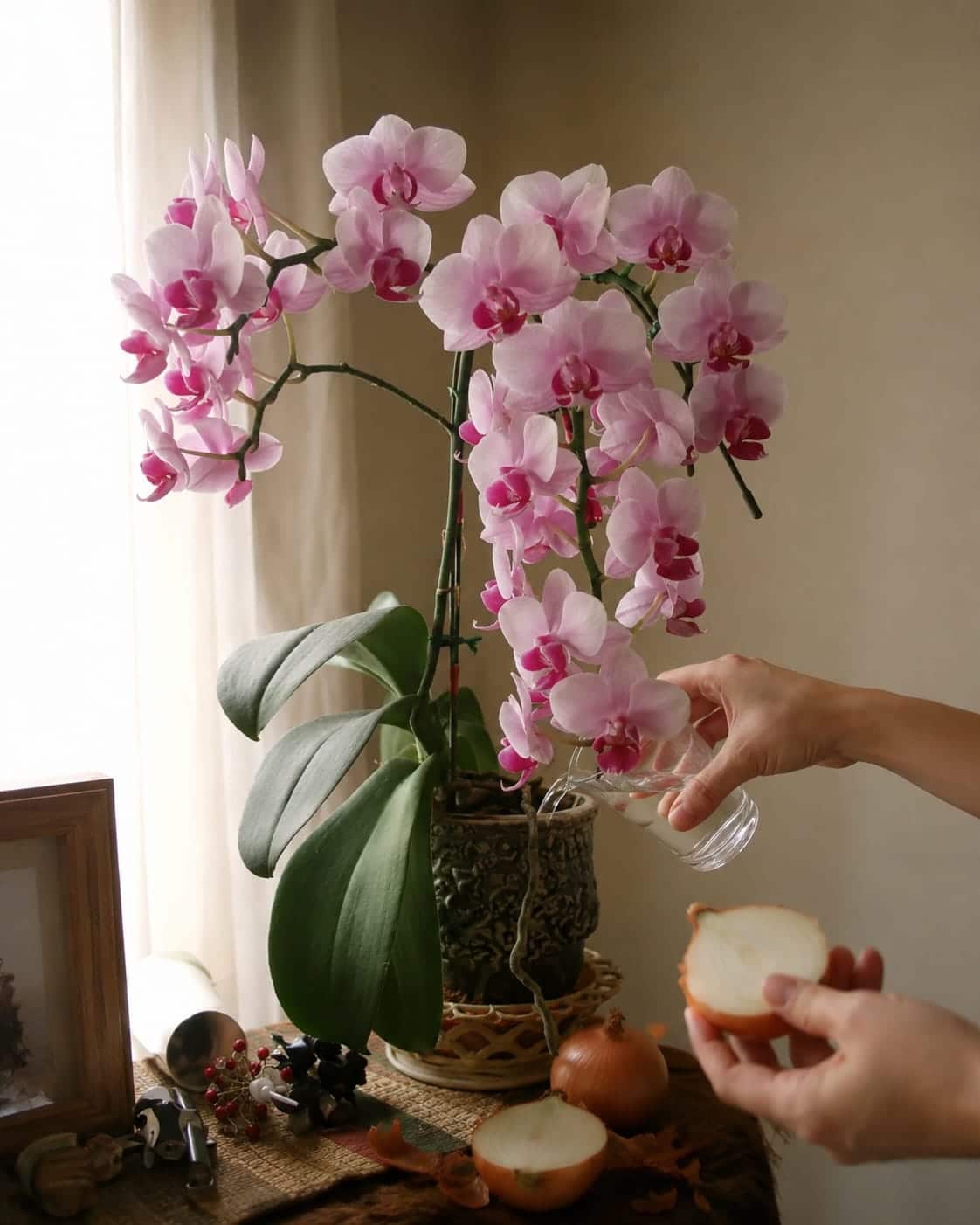
Why Some Homeowners Are Using Onion Water Around Orchids and What Usually Helps More for Strong Roots, Healthy Leaves, and Long-Lasting Blooms
Orchids are among the most elegant indoor flowering plants for homeowners who want graceful stems, glossy green leaves, long-lasting blooms, and a refined decorative display that fits beautifully in living rooms, bedrooms, apartments, home offices, bright kitchens, windowsills, covered patios, commercial interiors, luxury home staging, and premium indoor plant styling. A healthy orchid can turn…
-

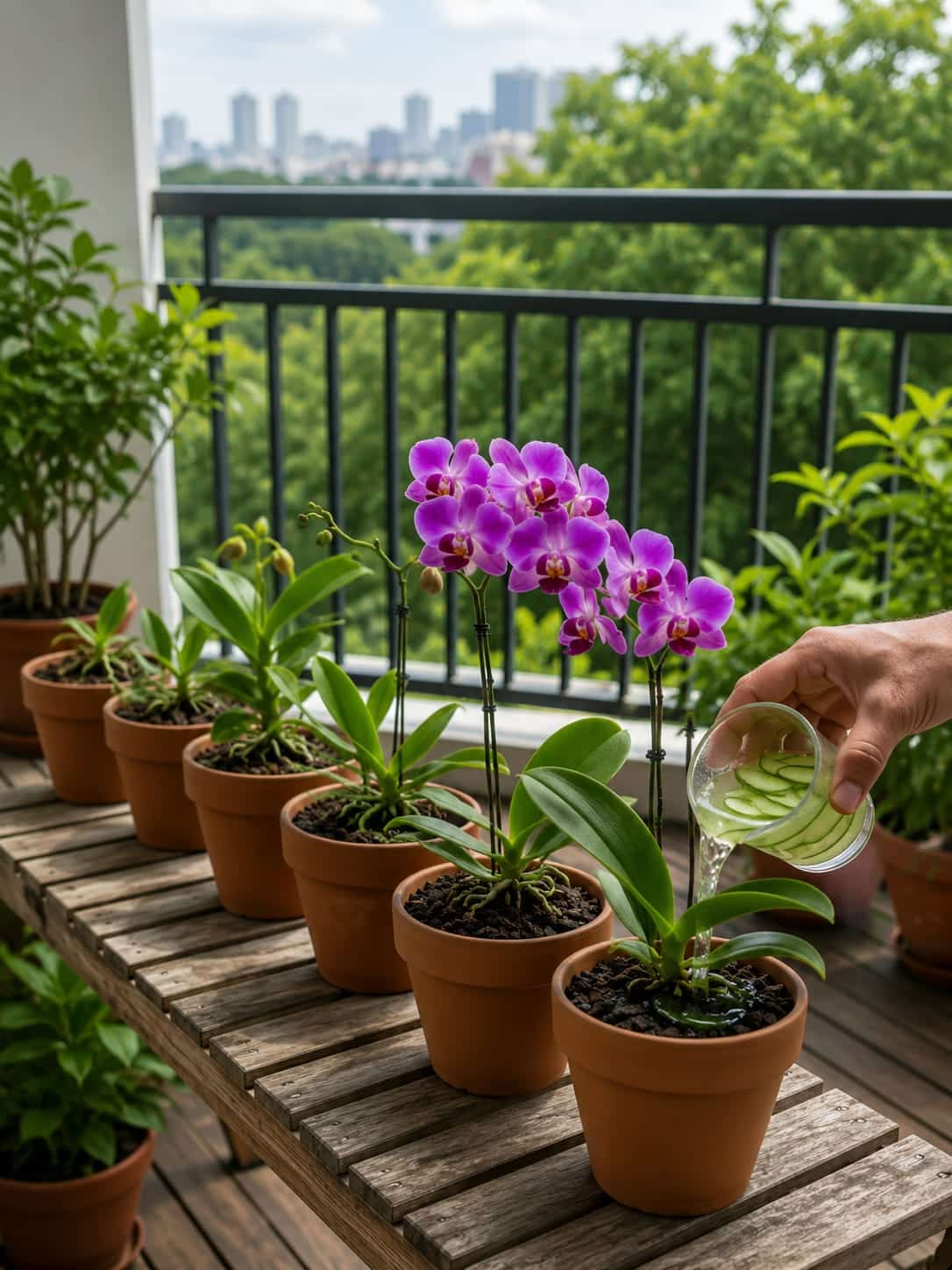
Why Some Homeowners Are Pouring Aloe Water Around Orchids and What Usually Helps More for Strong Roots, Healthy Leaves, and Long-Lasting Blooms
Orchids are among the most elegant indoor flowering plants for homeowners who want graceful blooms, sculptural roots, glossy leaves, and a premium decorative display that fits beautifully in living rooms, bedrooms, apartments, home offices, bright kitchens, balcony gardens, covered patios, commercial interiors, luxury home staging, and refined indoor plant styling. A healthy orchid can make…
-
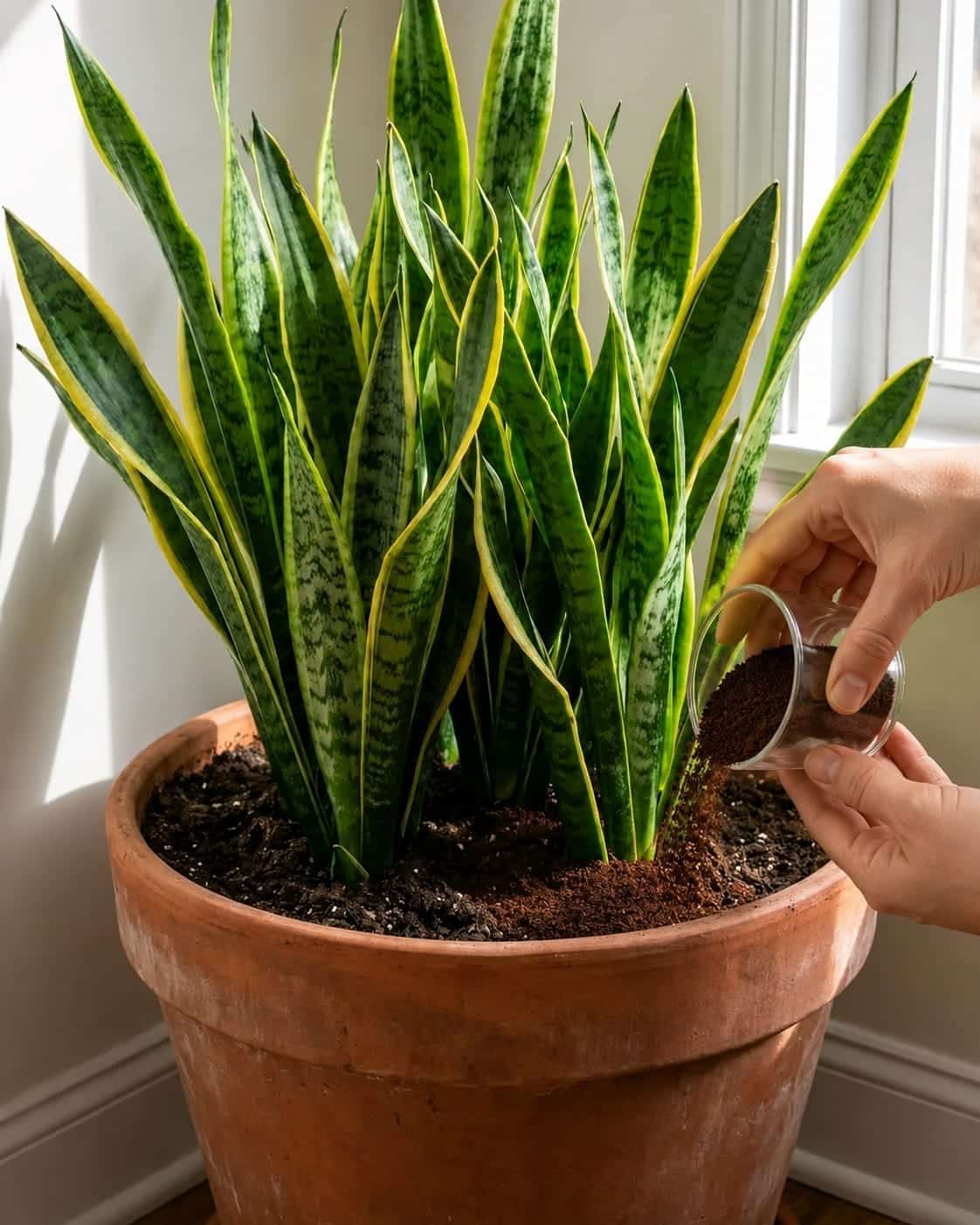
Why Some Homeowners Are Adding Brown Powder Around Snake Plants and What Usually Helps More for Strong Roots, Fuller Growth, and Healthy Indoor Leaves
Snake plant is one of the most dependable indoor plants for homeowners who want strong upright leaves, bold green patterning, yellow-edged variegation, easy maintenance, and a clean decorative display that fits beautifully in living rooms, bedrooms, apartments, home offices, bright kitchens, entry corners, sunny windowsills, plant shelves, commercial interiors, luxury home staging, and premium indoor…