Pouring Milk on a Snake Plant: Smart Hack or Risky Myth? 🌿🥛
You’ve probably seen this trick floating around social media: pouring milk into the soil of a snake plant and—boom—new shoots appear, leaves look greener, and the plant seems “revived.” The image above shows exactly that moment. But does it actually work… or is it a fast track to plant problems?
Let’s break it down clearly and honestly.
Why People Use Milk on Snake Plants
Milk contains calcium, proteins, and small amounts of natural sugars. In theory, calcium helps strengthen plant cell walls, which is why some gardeners experiment with milk as a soil booster—especially for plants that produce pups, like snake plants.
Snake plants are tough, slow-growing, and low-maintenance, so when they suddenly push out new pups, it feels magical ✨
The Big Truth (Don’t Skip This)
Milk is NOT fertilizer.
And snake plants do not need rich soil.
Used the wrong way, milk can:
Sour in the soil
Attract fungus gnats 🦟
Cause bad smells
Promote mold and root rot
So yes—milk can help, but only if used correctly and rarely.
If You’re Going to Try It, Do It Safely ✅
Never pour pure milk directly into the pot.
That’s the biggest mistake.
Safe method:
Mix 1 tablespoon of milk with 1 liter of water
Use it once every 2–3 months max
Pour only on dry soil
Make sure the pot has excellent drainage
This diluted mix can gently add calcium without overwhelming the roots.
Why New Shoots Appear After “Milk Hacks”
Here’s the secret most videos don’t explain 👇
New snake plant pups usually appear because of:
Warmer temperatures
Longer daylight
Mature root systems
Correct watering schedule
Milk often gets the credit… but timing and conditions do most of the work 😉
Better (and Safer) Alternatives 🌱
If your goal is more pups and stronger growth, try these instead:
Bright, indirect light
Let soil dry completely between watering
Repot slightly root-bound plants
Use a balanced houseplant fertilizer at ¼ strength every 2–3 months
These methods work consistently—no risks, no smells.
Final Verdict
Milk is not magic, but a tiny, diluted amount won’t hurt if used carefully. Think of it as an experiment, not a miracle cure.
👉 Want a natural, odor-free method that triggers pups faster?
Tell people to check the comments—that’s where the real trick lives 😉🌿
-

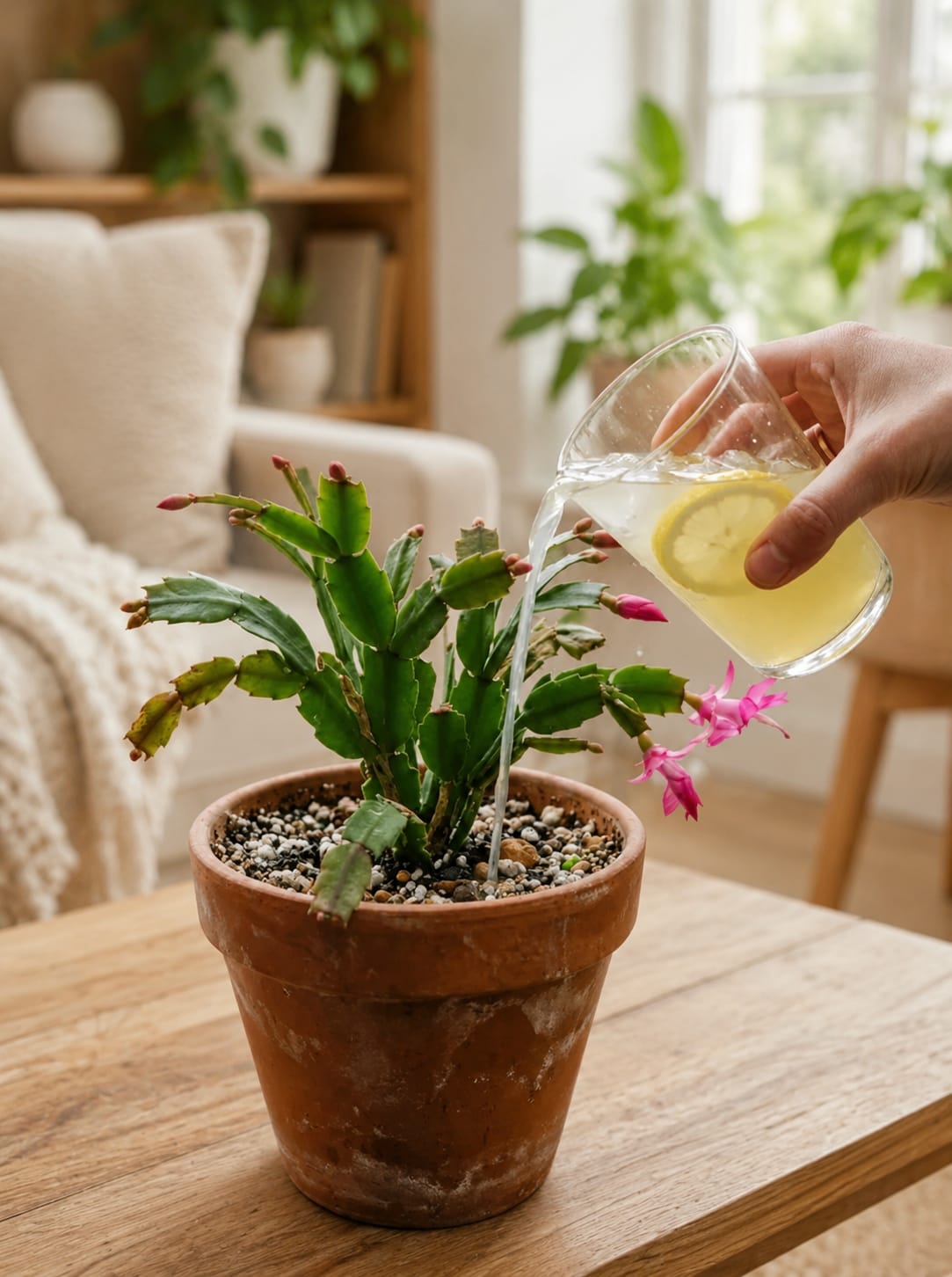
Christmas Cactus Care Guide: How to Use Lemon Water Safely Without Damaging Roots, Buds, or Beautiful Winter Blooms
Christmas cactus is one of the most charming flowering houseplants because it brings color at a time when many other indoor plants are quiet. Its flat green segments, arching shape, and bright flowers make it perfect for windowsills, shelves, hanging baskets, and cozy rooms. When the plant is healthy, the tips can fill with buds…
-

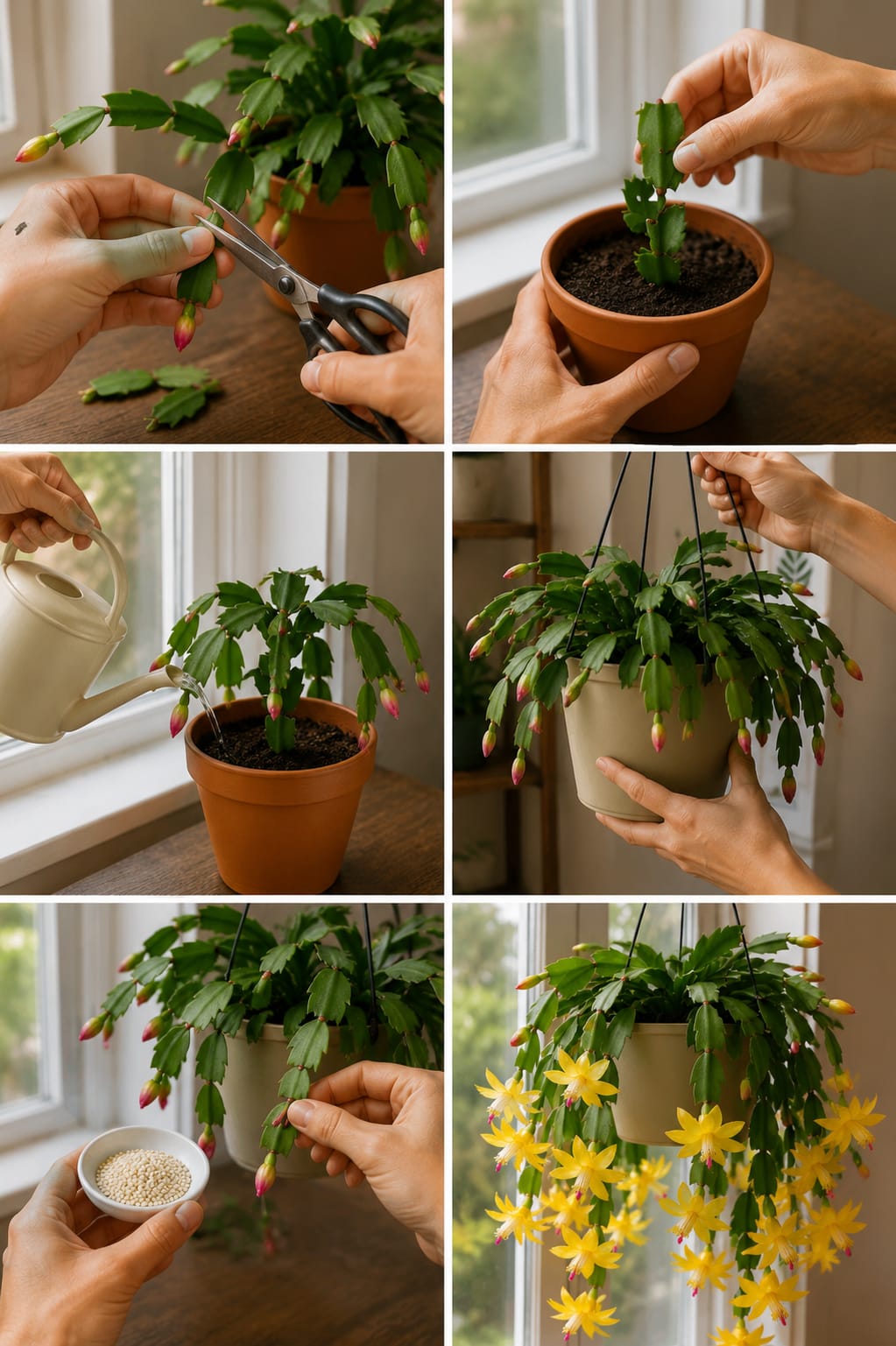
Christmas Cactus Care Guide: How to Grow a Full Hanging Basket With Healthy Segments, Strong Buds, and Bright Flowers
Christmas cactus is one of the most loved flowering houseplants because it can turn a quiet indoor corner into a bright display of color. Its soft green segmented stems hang gracefully over the edge of a pot, and when the plant is happy, the tips fill with buds that open into beautiful flowers. Many people…
-

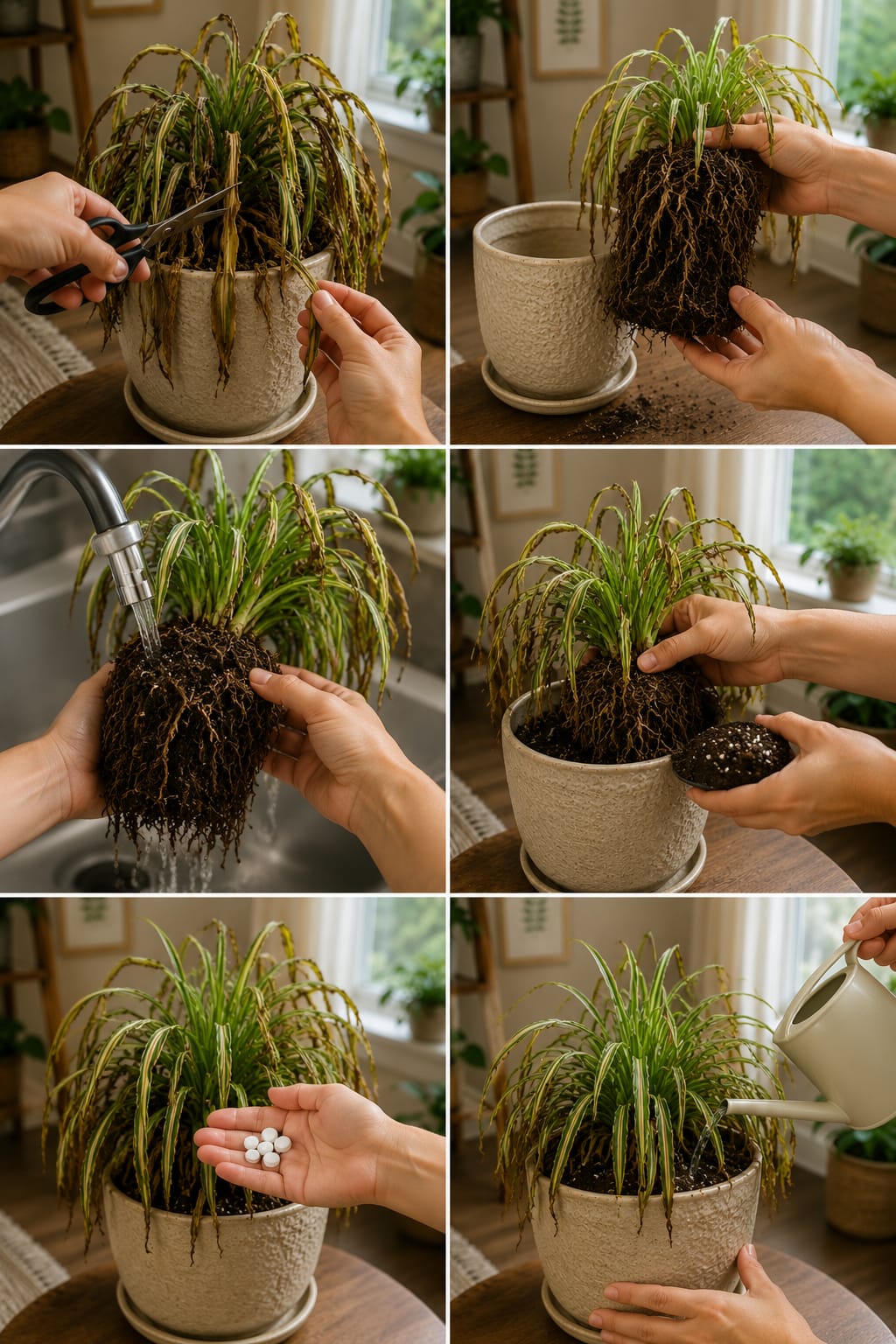
Spider Plant Rescue Guide: How to Revive a Tired Spider Plant With Pruning, Root Care, Fresh Soil, and Safe Watering
Spider plants are usually known as easy, forgiving, and fast-growing houseplants, but even this strong plant can begin to look tired when its roots, soil, water, and light are out of balance. The image shows a struggling spider plant with drooping leaves, brown tips, dry edges, and weak growth being rescued step by step. The…