No grafting. No rooting hormone. No fancy tools.
This simple, old-school trick uses one ordinary potato to help lemon cuttings root faster, stay hydrated, and grow stronger — even for beginners.
It sounds strange, but gardeners around the world swear by it. And once you understand why it works, it makes perfect sense.
🌱 Why the Potato Trick Works
A raw potato creates the perfect micro-environment for a lemon cutting:
Constant moisture – potatoes hold water without drowning the stem
Natural nutrients – starches feed early root development
Protection – reduces rot and shields the cutting from bacteria
Stability – keeps the cutting upright and secure in soil
Unlike plain soil, a potato prevents the cutting from drying out during those critical first weeks.
🍋 What You’ll Need
1 healthy lemon branch (6–8 inches long)
1 raw potato (medium size)
A clean knife or pruners
A small pot with drainage holes
Light, well-draining soil
Clear plastic bottle or bag (optional but powerful)
That’s it. No chemicals. No hormones.
✂️ Step-by-Step: Lemon Propagation with a Potato
1️⃣ Take the Right Cutting
Choose a semi-hardwood stem (not soft, not woody).
Cut just below a leaf node.
Remove lower leaves
Leave 1–2 leaves at the top
Optional: lightly scrape the bottom bark to expose cambium
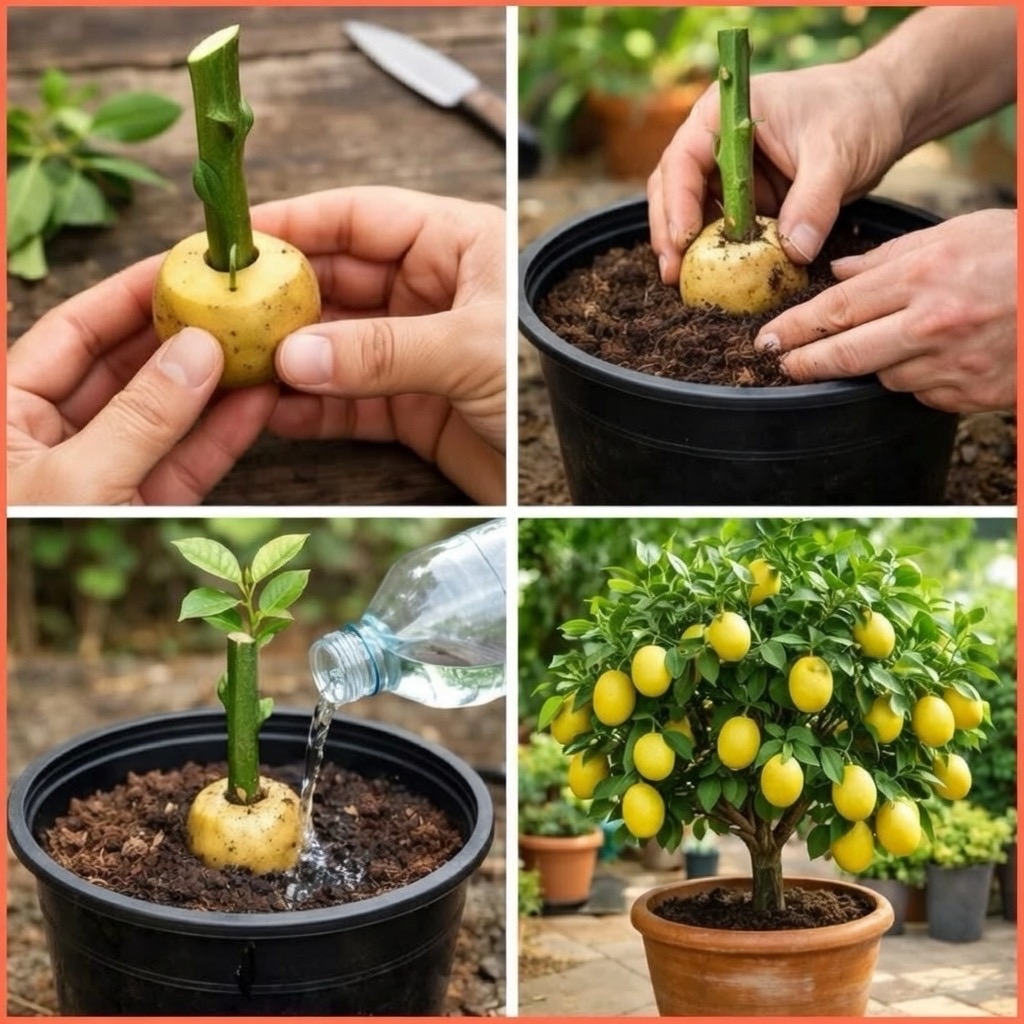
2️⃣ Prepare the Potato 🥔
Use a fresh, firm potato (no sprouts).
Make a hole in the center (about 2–3 cm deep)
The hole should fit the stem snugly
3️⃣ Insert the Lemon Cutting
Push the cut end of the lemon stem directly into the potato.
✔️ Make sure it’s tight
✔️ The stem should not wobble
✔️ Leaves stay above the potato
4️⃣ Plant Everything Together
Bury the potato halfway into moist soil.
Water lightly (don’t soak)
Soil should stay damp, not wet
5️⃣ Create a Mini Greenhouse (Important!)
Cover the pot with:
A cut plastic bottle or
A clear plastic bag (poke tiny holes)
This traps humidity and dramatically boosts rooting success.
⏳ What Happens Next?
Week 1–2: Cutting stays green and firm
Week 3–4: Roots begin forming inside the potato
Week 5–6: New leaf growth appears
After 8 weeks: Strong roots = success 🎉
Once roots are established, remove the cover gradually.
🌿 Care Tips for Guaranteed Success
Bright light, no direct sun
Keep soil lightly moist
Never let the potato rot (good drainage is key)
Don’t tug the cutting to “check” roots
Patience = payoff.
🍋 When to Transplant
After 2–3 months, gently move the rooted cutting to a larger pot.
At this stage, the potato will decompose naturally and feed the plant.
⚠️ Common Mistakes to Avoid
❌ Using soft or sprouting potatoes
❌ Overwatering
❌ Direct sunlight too early
❌ Very young or very old branches
🌟 Final Thoughts
This potato method works because it mimics nature — steady moisture, gentle feeding, and protection.
No grafting. No rooting hormone. Just a smart, natural trick.
If you’ve struggled with lemon propagation before, this might be the method that finally works 🍋✨
Want tips to make your lemon tree fruit faster once rooted?
Say the word 👀🌱
-

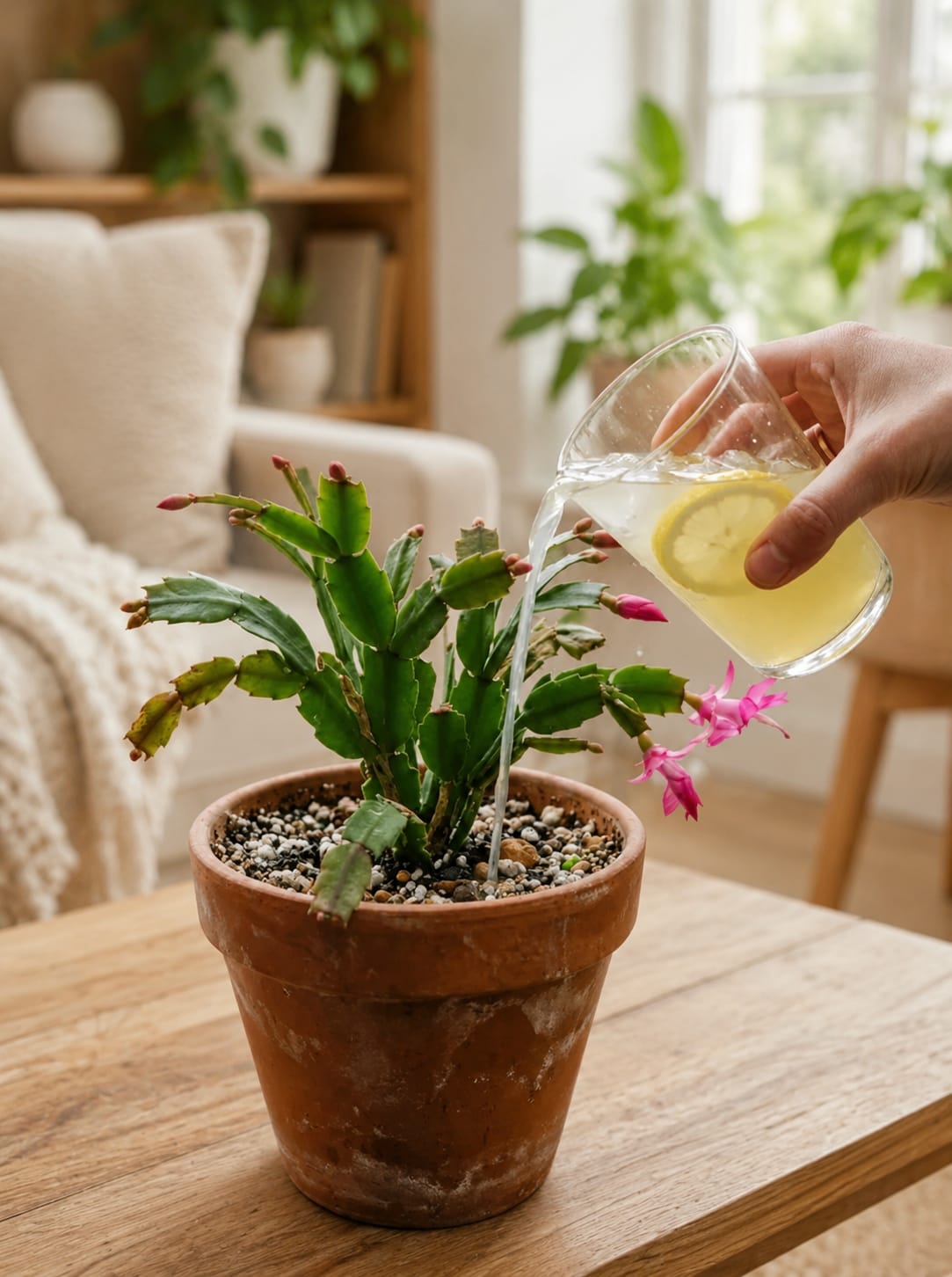
Christmas Cactus Care Guide: How to Use Lemon Water Safely Without Damaging Roots, Buds, or Beautiful Winter Blooms
Christmas cactus is one of the most charming flowering houseplants because it brings color at a time when many other indoor plants are quiet. Its flat green segments, arching shape, and bright flowers make it perfect for windowsills, shelves, hanging baskets, and cozy rooms. When the plant is healthy, the tips can fill with buds…
-

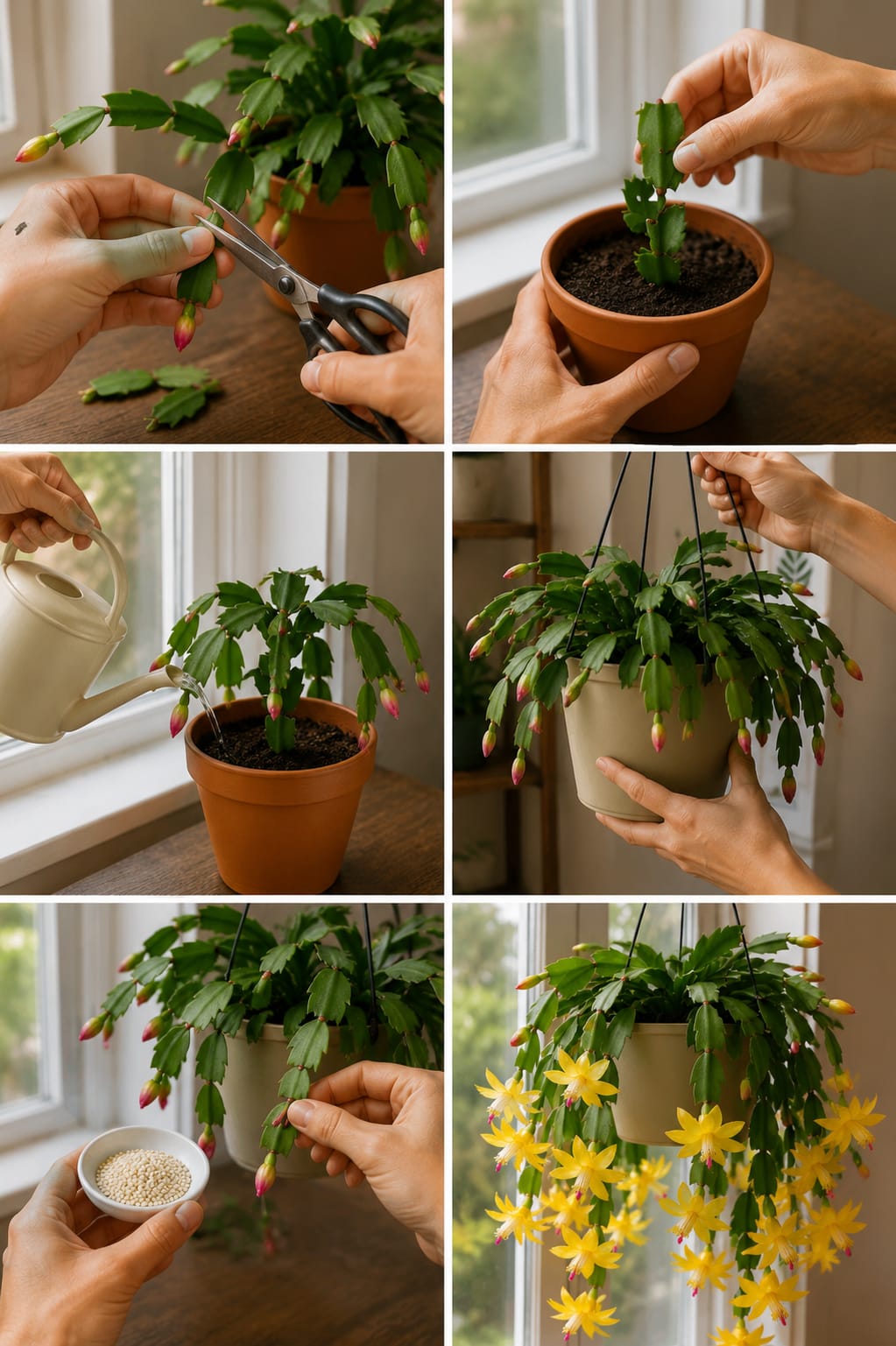
Christmas Cactus Care Guide: How to Grow a Full Hanging Basket With Healthy Segments, Strong Buds, and Bright Flowers
Christmas cactus is one of the most loved flowering houseplants because it can turn a quiet indoor corner into a bright display of color. Its soft green segmented stems hang gracefully over the edge of a pot, and when the plant is happy, the tips fill with buds that open into beautiful flowers. Many people…
-

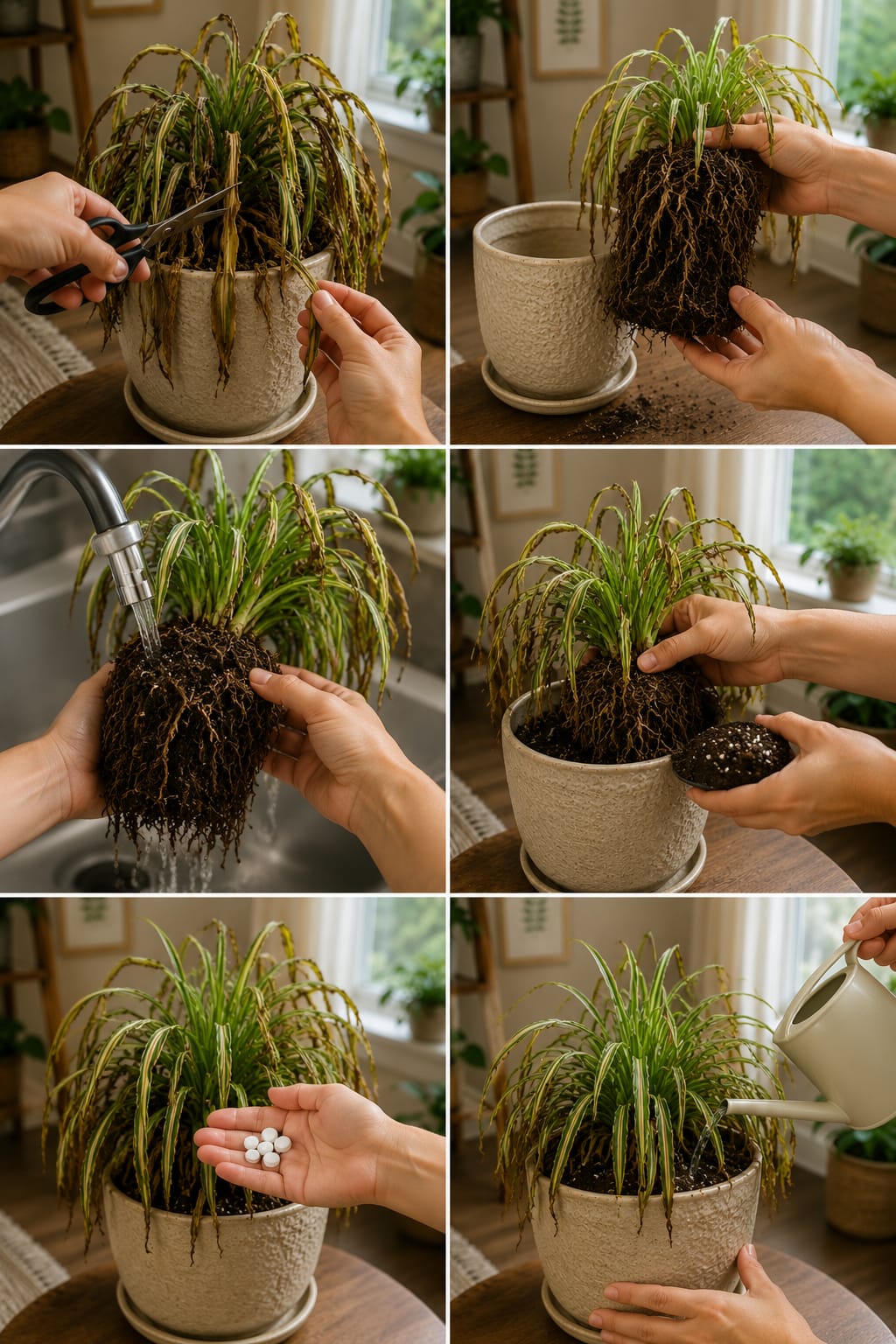
Spider Plant Rescue Guide: How to Revive a Tired Spider Plant With Pruning, Root Care, Fresh Soil, and Safe Watering
Spider plants are usually known as easy, forgiving, and fast-growing houseplants, but even this strong plant can begin to look tired when its roots, soil, water, and light are out of balance. The image shows a struggling spider plant with drooping leaves, brown tips, dry edges, and weak growth being rescued step by step. The…