🌿 Why Gardeners Use Lemon Juice on Snake Plants (And Whether It Actually Works)
Snake plants have earned their reputation as one of the most resilient houseplants in the world. Known scientifically as Dracaena trifasciata, these striking plants (formerly called Sansevieria) thrive on neglect, tolerate low light, and survive irregular watering.
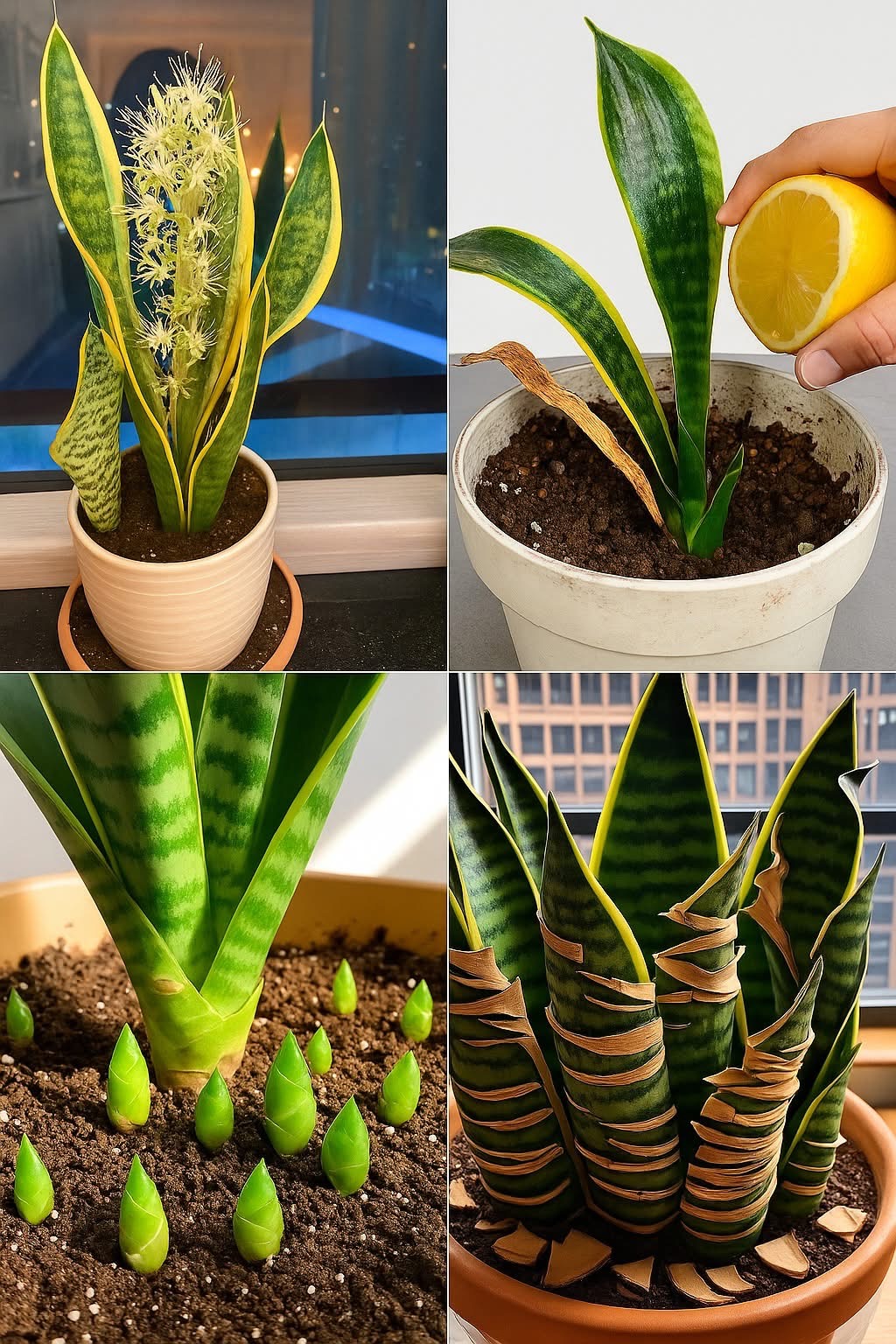
But recently, a surprising gardening trend has been circulating online: adding lemon juice to snake plant soil.
Is this a genius natural plant care hack?
Or just another viral myth?
In this complete guide, we’ll break down:
Why gardeners use lemon juice on snake plants
Whether it actually improves plant growth
The science behind soil pH and nutrients
Risks of using lemon juice incorrectly
The safest way to try it (if you choose to)
Better alternatives for healthy snake plants
Let’s dig in.
🍋 The Main Reason: Adjusting Soil pH
The number one reason gardeners use lemon juice on snake plants is to adjust soil acidity.
Snake plants prefer slightly acidic to neutral soil, typically between:
pH 5.5 to 7.0
In some regions, tap water is alkaline (high pH), especially in areas with hard water. Over time, watering with alkaline water can:
Raise soil pH
Create mineral buildup
Block nutrient absorption
Cause slow growth
Lead to pale or yellowing leaves
Because lemon juice is acidic, some gardeners dilute it in water to slightly lower the soil pH and balance alkalinity.
But here’s the important part:
This only helps if your soil is actually too alkaline.
If your soil is already balanced, adding acid can stress the plant instead of helping it.
🌿 Does Lemon Juice Help Snake Plants Grow Faster?
Short answer: No.
Lemon juice is not a fertilizer.
It does not contain:
Nitrogen (N)
Phosphorus (P)
Potassium (K)
These are the essential nutrients snake plants need for healthy growth.
While lemon juice contains small amounts of vitamin C and citric acid, these do not feed plants in any meaningful way.
If your goal is:
Faster growth
More pups (baby plants)
Stronger leaves
You’ll need proper lighting and balanced plant fertilizer — not lemon juice.
💧 The Hard Water Problem
Many indoor plant owners unknowingly damage their plants with hard tap water.
Hard water contains:
Calcium
Magnesium
Mineral salts
Over time, this causes:
White crust on soil surface
Salt buildup around the pot rim
Compacted soil
Nutrient lockout
Some gardeners use diluted lemon juice to help break down mineral salts.
However, this should only be occasional — not a weekly routine.
🦠 Can Lemon Juice Prevent Fungal Issues?
Lemon juice has mild antibacterial and antifungal properties.
Some gardeners use very diluted lemon water to:
Wipe dusty leaves
Clean pots
Reduce mild surface fungus
But it should never be sprayed in strong concentration on leaves, especially in sunlight. The acid combined with light can cause leaf burn.
Snake plants have thick, upright leaves that store water. Damaging their surface can lead to permanent scarring.
⚠️ The Hidden Risks of Using Lemon Juice
Before you try this hack, it’s important to understand the risks.
1. Root Damage
Snake plants are drought-tolerant succulents. Their roots are sensitive to overwatering and chemical imbalance.
Too much acidity can:
Damage root tissue
Cause root rot
Slow nutrient absorption
2. Overwatering Danger
Many people add lemon juice by watering more often.
That’s a bigger problem than pH.
Snake plants need soil to dry completely between waterings. Extra watering — even with “healthy” additives — can quickly lead to rot.
3. Soil Microbe Disruption
Healthy soil contains beneficial microorganisms. Adding acidic substances too often can disturb that balance.
🌱 When Lemon Juice Might Actually Help
There are only a few situations where diluted lemon juice may be beneficial:
You have confirmed alkaline soil (tested with a pH kit)
Your tap water is very hard
You see mineral crust forming frequently
Your plant shows nutrient lockout symptoms
Even then, use extreme moderation.
✅ Safe Dilution Method (If You Want to Try It)
If you decide to experiment, here is the safest approach:
Mild Lemon Solution
1 cup water
2–3 drops fresh lemon juice
Use this mixture once every 2–3 months at most.
Never:
Pour straight lemon juice into soil
Spray undiluted juice on leaves
Use it weekly
Less is always more with snake plants.
🌞 What Actually Makes Snake Plants Thrive
Instead of relying on viral plant hacks, focus on proven care techniques.
1. Proper Light
Snake plants tolerate low light, but they grow best in:
Bright indirect sunlight
Near east- or south-facing windows
Better light = faster growth.
2. Well-Draining Soil
Use cactus or succulent mix.
Good drainage prevents:
Root rot
Fungal growth
Compacted soil
3. Correct Watering Schedule
The golden rule:
Let the soil dry completely before watering again.
In most homes, this means:
Every 2–3 weeks
Even less in winter
4. Light Fertilizing During Growing Season
Use a balanced houseplant fertilizer during spring and summer.
Stop fertilizing in fall and winter.
That’s what truly encourages healthy, upright leaves in Dracaena trifasciata.
🌼 Will Lemon Juice Make Snake Plants Bloom?
This is a popular myth online.
Snake plants bloom under:
Slight root restriction
Bright indirect light
Mature age
Stable environment
Lemon juice does not trigger blooming.
In fact, stressing the plant with pH imbalance may delay flowering.
🧪 How to Test Your Soil Before Adding Anything
Before adjusting soil pH, always test it.
You can use:
Affordable pH soil test kits
Digital pH meters
Testing strips
If the soil falls between 5.5–7.0, there is no need for lemon juice.
🌎 Natural Alternatives to Lemon Juice
If you’re concerned about hard water or mineral buildup, consider safer options:
Use distilled water
Use rainwater
Flush soil occasionally with clean filtered water
Repot with fresh succulent mix annually
These methods are far safer and more effective long-term.
💡 Why Viral Plant Hacks Spread So Fast
Natural plant care hacks like lemon juice gain popularity because:
They seem simple
They use kitchen ingredients
They promise dramatic results
They feel “organic” and safe
But snake plants are already low-maintenance plants. Over-treating them often causes more harm than good.
🪴 Final Verdict: Should You Use Lemon Juice on Snake Plants?
Here’s the balanced answer:
✔ It can slightly lower soil pH in alkaline conditions
✔ It may help reduce mineral buildup occasionally
❌ It does not act as fertilizer
❌ It does not boost growth dramatically
❌ It does not guarantee blooming
In most cases, your snake plant will thrive without it.
The secret to healthy snake plants isn’t adding more — it’s avoiding overwatering and providing stable light.
Sometimes the best plant care advice is simply:
Do less.
🌿 Frequently Asked Questions
Can lemon juice kill a snake plant?
Yes, if used undiluted or too often, it can damage roots and disrupt soil balance.
How often should I use lemon water?
No more than once every 2–3 months — and only if needed.
Is lemon juice better than fertilizer?
No. It is not a substitute for balanced plant nutrients.
Does lemon juice prevent pests?
Not reliably. It may deter some surface microbes but is not a pest control solution.
🌱 Conclusion
Snake plants, especially Dracaena trifasciata, are already among the easiest indoor plants to grow.
While lemon juice can slightly adjust soil acidity, it is not a miracle solution.
If you truly want:
Strong upright leaves
Faster pup production
Healthy root systems
Occasional blooms
Focus on:
Bright indirect light
Proper drainage
Infrequent watering
Light seasonal feeding
That’s the real secret professional gardeners rely on — not viral kitchen hacks.
If you’d like, I can now turn this into:
A Pinterest-optimized version
A Facebook viral version
Or an even more ad-revenue-focused 2000+ word premium blog format 🚀
-

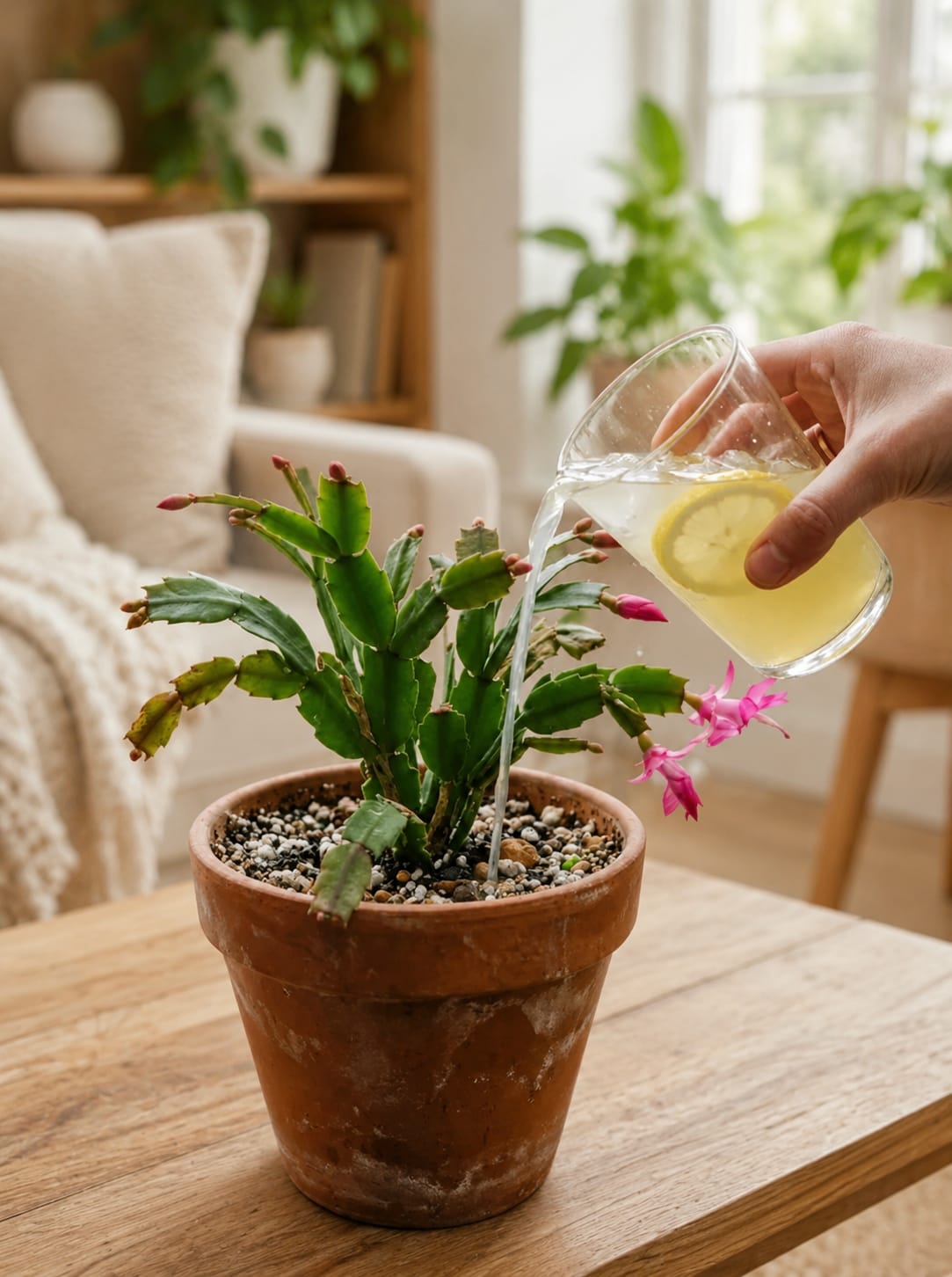
Christmas Cactus Care Guide: How to Use Lemon Water Safely Without Damaging Roots, Buds, or Beautiful Winter Blooms
Christmas cactus is one of the most charming flowering houseplants because it brings color at a time when many other indoor plants are quiet. Its flat green segments, arching shape, and bright flowers make it perfect for windowsills, shelves, hanging baskets, and cozy rooms. When the plant is healthy, the tips can fill with buds…
-

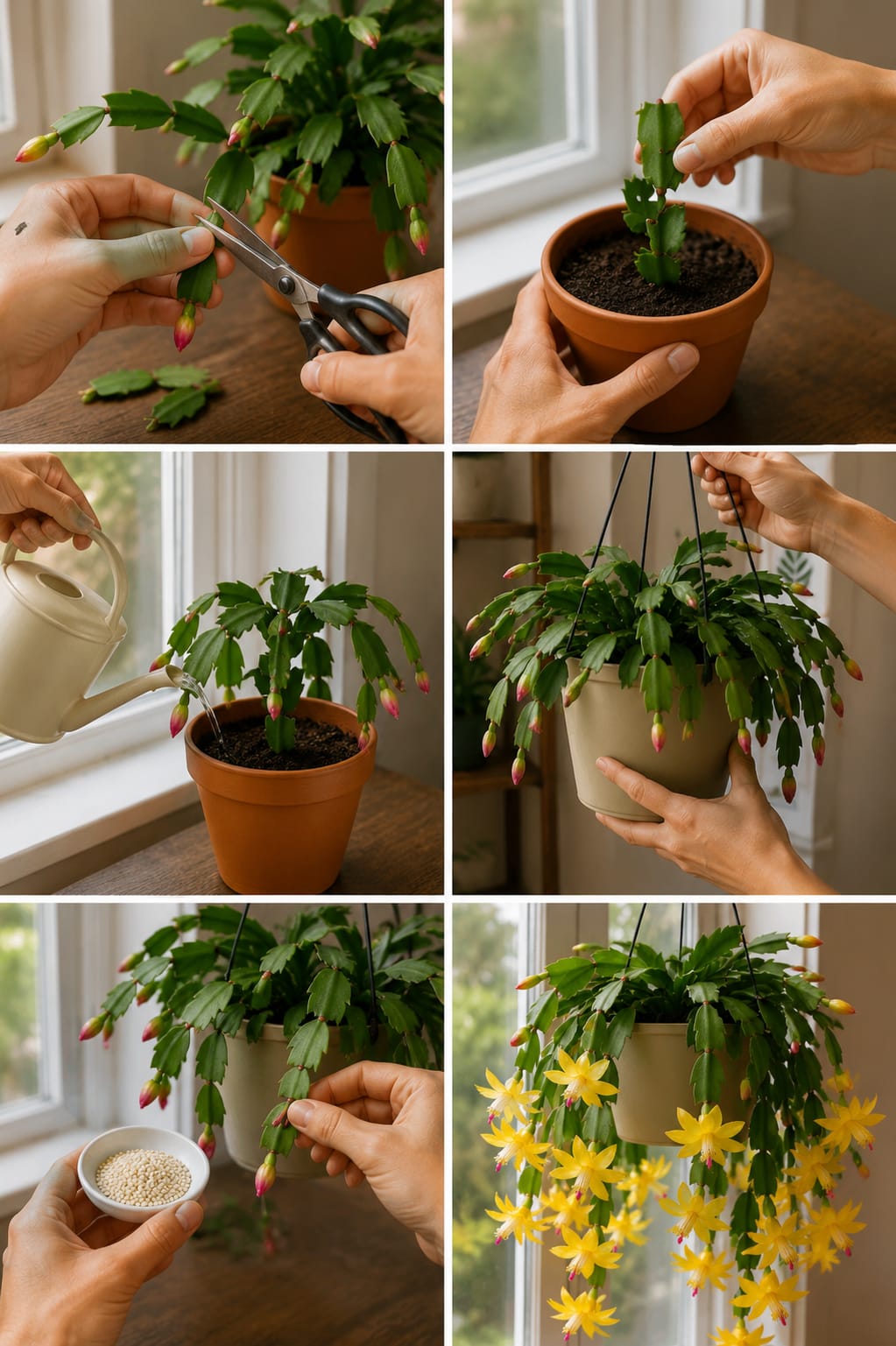
Christmas Cactus Care Guide: How to Grow a Full Hanging Basket With Healthy Segments, Strong Buds, and Bright Flowers
Christmas cactus is one of the most loved flowering houseplants because it can turn a quiet indoor corner into a bright display of color. Its soft green segmented stems hang gracefully over the edge of a pot, and when the plant is happy, the tips fill with buds that open into beautiful flowers. Many people…
-

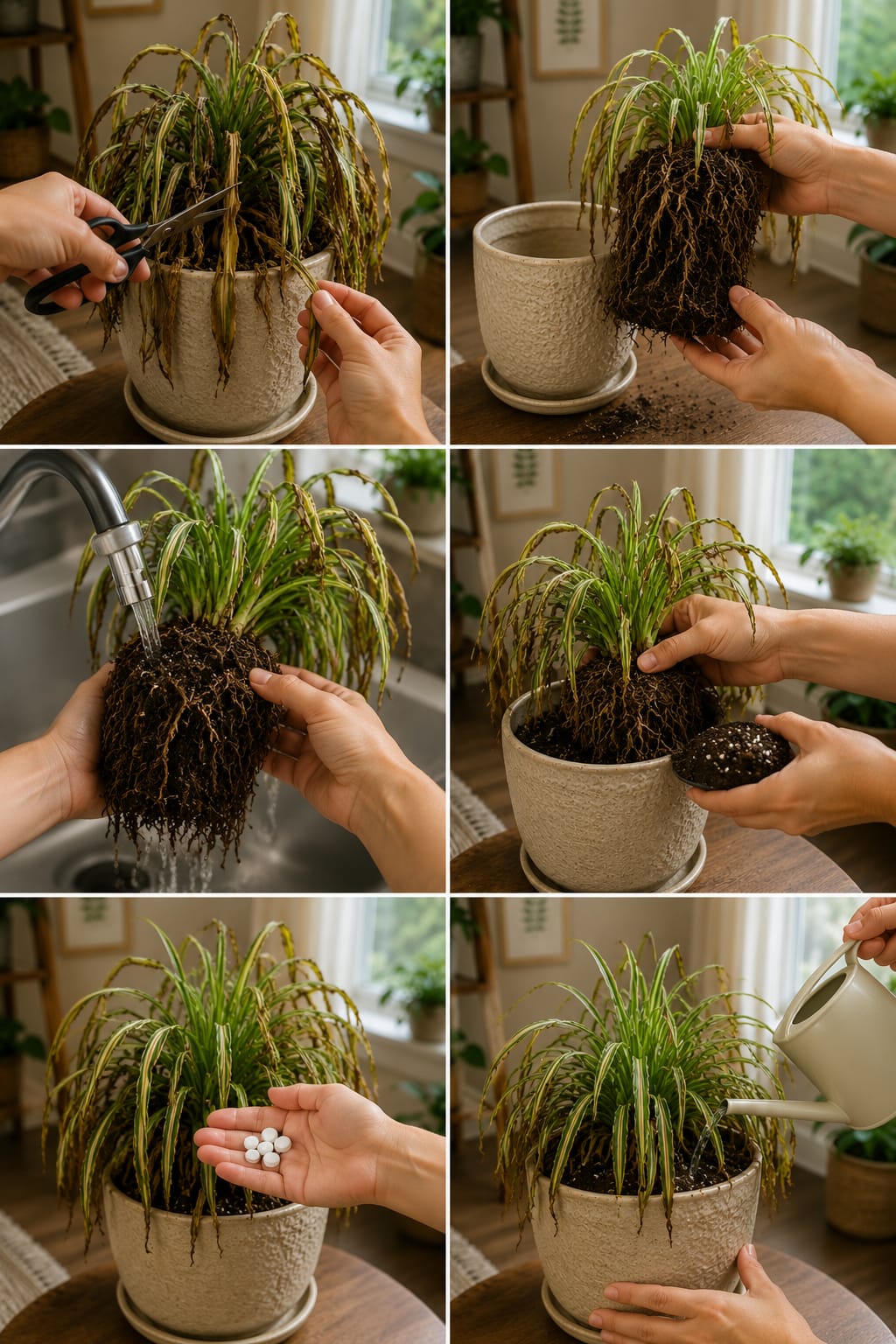
Spider Plant Rescue Guide: How to Revive a Tired Spider Plant With Pruning, Root Care, Fresh Soil, and Safe Watering
Spider plants are usually known as easy, forgiving, and fast-growing houseplants, but even this strong plant can begin to look tired when its roots, soil, water, and light are out of balance. The image shows a struggling spider plant with drooping leaves, brown tips, dry edges, and weak growth being rescued step by step. The…