Want more snake plants without buying them? Discover the secret trick to encourage your Sansevieria to produce endless pups quickly. Simple propagation methods, natural rooting boosters, and expert tips.
Let me tell you about the snake plant that taught me the secret to multiplying them like crazy.
I’ve always loved snake plants (Sansevieria, now Dracaena trifasciata). They’re nearly indestructible, tolerate neglect, and look stunning in any room. But for years, mine sat in the same pot, healthy but solitary—no new pups, no babies, just a lonely clump of leaves. I assumed that was just how snake plants were: slow and steady.
Then I learned a trick that changed everything. Within a few months, that single plant produced so many offsets that I had to divide it three times. Now I have snake plants in every room, and I give them away as gifts. The secret? It’s not magic—it’s a combination of proper timing, gentle division, and a few natural rooting boosters.
In this guide, I’ll share exactly how to get your snake plant to produce endless babies, fast. Whether you’re a beginner or a seasoned plant parent, these techniques will help you multiply your snake plant collection in no time.
Why You Want Snake Plant Babies
Before we dive into the how, let’s talk about why you’ll love propagating snake plants:
· Free plants – Turn one plant into many without spending a dime.
· Fuller pots – Plant multiple pups together for a lush, bushy look.
· Gifts – Snake plants make wonderful, easy‑care presents.
· Backup – If your main plant ever struggles, you have healthy offspring.
· Satisfaction – There’s something magical about watching a tiny pup grow into a mature plant.
The Secret Trick: Combine Division, Natural Root Boosters, and Optimal Conditions
The “secret” isn’t one single thing—it’s a system that encourages your snake plant to produce offsets and helps them thrive. Here’s the formula:
- Encourage pups by keeping the plant slightly root‑bound – Snake plants produce more offsets when their roots are snug. Avoid repotting too soon.
- Use a shallow, wide pot – This mimics their natural spreading habit and encourages horizontal root growth, which leads to more pups.
- Apply a natural rooting booster – Cinnamon powder and honey aren’t just for the kitchen; they work as natural antifungal and rooting aids.
- Divide at the right time – Spring and early summer are best, when the plant is actively growing.
- Give them warmth and bright, indirect light – Warm temperatures (70–85°F) and good light stimulate growth.
Method 1: Division – The Fastest Way to Get New Plants
If your snake plant already has visible pups (small offshoots growing next to the main plant), division is the quickest way to get new, established plants.
What You’ll Need
Item Purpose
Sharp, sterilized knife or pruners To cut through rhizomes cleanly
Fresh cactus/succulent potting mix Well‑draining soil
Small pots with drainage holes 3–4 inches in diameter
Cinnamon powder Natural antifungal for cut surfaces
Optional: rooting hormone powder Speeds root development
Step‑by‑Step Instructions
- Unpot the plant – Carefully remove the snake plant from its pot. Gently brush away excess soil to expose the rhizomes (the thick, horizontal roots).
- Identify natural divisions – Look for sections where pups are attached to the mother plant. Each pup should have its own set of roots and a portion of rhizome.
- Separate with a clean cut – Use a sterilized knife to cut through the rhizome, ensuring each division has at least 2–3 leaves and a healthy root system. If a pup has no roots yet, leave it attached until it develops some.
- Apply cinnamon – Dust the cut surfaces with cinnamon powder. This helps prevent rot and acts as a natural antifungal.
- Pot up the divisions – Fill small pots with well‑draining cactus mix. Plant each division at the same depth it was originally growing. Do not bury the leaves.
- Water lightly – Water just enough to moisten the soil. Overwatering at this stage can cause rot.
- Place in bright, indirect light – Keep the new plants in a warm spot (70–80°F) with good light. Avoid direct sun until they are established.
- Wait and watch – Within 4–6 weeks, you should see new growth, indicating that roots are developing.
Method 2: Leaf Cuttings – The “Butterfly” Method for Endless Babies
If your plant doesn’t have pups yet, or you want to produce many new plants from a single leaf, leaf cuttings are the answer. This method takes longer but yields many offspring.
What You’ll Need
Item Purpose
Healthy snake plant leaf Choose a mature, undamaged leaf
Sharp, sterilized knife or scissors To cut the leaf into sections
Fresh potting mix Well‑draining
Small pots or propagation tray For rooting
Cinnamon powder For cut ends
Step‑by‑Step Instructions
- Cut a healthy leaf – Select a mature leaf and cut it at the base, close to the soil line.
- Divide the leaf into sections – Using a clean knife, cut the leaf into 3–4 inch pieces. Make a note of the bottom (the end that was closest to the roots). For the “butterfly” method, cut V‑shaped notches at the bottom of each section to increase rooting surface.
- Let the cuttings callus – Allow the cut ends to dry and callus over for 2–3 days. This prevents rot.
- Plant the cuttings – Insert the bottom end of each cutting about 1 inch deep into moist cactus mix, or place them horizontally on the soil surface with the bottom side down.
- Apply cinnamon – Dust the cut ends with cinnamon to discourage fungus.
- Cover with a plastic bag – To maintain humidity, cover the pot with a clear plastic bag or place in a propagation box. Open daily for fresh air.
- Place in bright, indirect light – Warmth (70–80°F) and bright light encourage rooting.
- Wait patiently – Roots usually appear in 4–8 weeks, and new plantlets may take 2–4 months to emerge from the soil. Be patient—the reward is multiple new plants from one leaf.
Pro Tips for Faster Pup Production
- Keep the Mother Plant Slightly Root‑Bound
Snake plants are more likely to produce offsets when their roots are crowded. Avoid repotting into a much larger pot. When you do repot, go up only one size.
- Use a Shallow, Wide Pot
Shallow pots encourage horizontal root growth, which leads to more pups. Look for “azalea” or “bulb” pots, or simply choose a pot that’s wider than it is deep.
- Provide Warmth
Snake plants are tropical; they grow fastest in temperatures between 70–85°F (21–29°C). If your home is cool, consider using a seedling heat mat to warm the soil during propagation.
- Bright, Indirect Light
While snake plants tolerate low light, they need bright, indirect light to produce pups. An east‑facing window or a spot a few feet back from a south‑facing window is ideal.
- Feed Sparingly
Use a balanced liquid fertilizer (diluted to half strength) once in spring and once in summer. Over‑fertilizing can cause leggy growth and fewer pups.
- Water Correctly
Allow the soil to dry completely between waterings. Overwatering is the fastest way to kill new propagations.
- Use Cinnamon or Honey as Natural Rooting Aid
Both have natural antifungal properties and can stimulate root growth. Dust the cut ends with cinnamon or dip them in honey before planting.
Delicious Variations: Alternative Propagation Methods
- Water Propagation
· Place leaf cuttings or divisions in a glass of water, ensuring only the bottom 1–2 inches are submerged.
· Change water weekly.
· Once roots are 2–3 inches long, pot in soil.
· Note: Water‑grown roots can be fragile; transition to soil carefully.
- Perlite or LECA Propagation
· Fill a container with moist perlite or LECA (lightweight expanded clay aggregate).
· Insert leaf cuttings, keeping the medium moist.
· This method reduces risk of rot and encourages strong root systems.
- Sphagnum Moss Method
· Place leaf cuttings in a container of moist sphagnum moss.
· Cover to maintain humidity.
· Roots often develop faster in moss than in soil.
Troubleshooting: Why Aren’t My Snake Plants Producing Pups?
Problem Likely Cause Solution
No pups after 2 years Plant too young Give it time; some varieties need 3–5 years
Pot too large Repot into a snugger container
Low light Move to brighter spot
Pups grow slowly Cool temperatures Keep at 70–85°F
Under‑watering Water when soil is dry
Cuttings rot before rooting Too much moisture Use well‑draining soil, allow callusing, water sparingly
No cinnamon Dust cut ends with cinnamon to prevent rot
Frequently Asked Questions
Q: How long does it take for snake plant pups to appear?
A: After dividing or propagating, you may see new growth in 4–8 weeks. If you’re waiting for a mature plant to produce pups naturally, it can take several months to a year, depending on conditions.
Q: Can I propagate a snake plant from just a leaf?
A: Yes! Leaf cuttings are a common method. Keep in mind that the new plants will revert to the solid green form if the parent had variegation. The variegation is only passed through division of the rhizome.
Q: Do I need rooting hormone?
A: No, but it can speed up the process. Cinnamon and honey are excellent natural alternatives.
Q: How often should I water new snake plant pups?
A: Water lightly when the top inch of soil is dry. Overwatering is the biggest risk.
Q: Should I fertilize newly potted pups?
A: Wait at least 4–6 weeks before fertilizing, and use a diluted balanced fertilizer. The fresh potting mix already contains nutrients.
Q: Why are my leaf cuttings not rooting?
A: They may be too wet, too cold, or not getting enough light. Ensure good drainage, warmth, and bright indirect light.
Caring for Your New Snake Plant Babies
Once your pups or cuttings have established roots and show new growth, treat them like mature snake plants:
· Light: Bright, indirect light.
· Water: Allow soil to dry completely between waterings.
· Temperature: 65–85°F (18–29°C).
· Potting: Use a shallow, well‑draining pot with a drainage hole.
· Fertilizer: Feed once in spring and once in summer with diluted balanced fertilizer.
Conclusion
Getting endless snake plant babies isn’t about luck—it’s about understanding how these resilient plants grow and giving them the right conditions to thrive. Whether you use division to separate existing pups or leaf cuttings to create new plants from scratch, the key is patience, proper care, and a few natural tricks like cinnamon to protect your cuttings.
Now you have the tools to turn one snake plant into a collection. Start with a healthy mother plant, use the techniques in this guide, and soon you’ll have more snake plants than you know what to do with—perfect for filling your home, sharing with friends, or even starting a small indoor garden business.
Now it’s your turn! Have you tried propagating snake plants? What’s your favorite method? Share your tips and success stories in the comments below.
And if you’re looking for more propagation guides, check out our articles on How to Propagate Pothos, ZZ Plant Propagation, and Succulent Leaf Propagation.
Happy propagating! 🌿✨
Did this guide help you get snake plant babies? We’d love to see your results! Leave a comment below and share your photos. Don’t forget to pin this post for your next propagation session.
More Recipes You Might Like
-

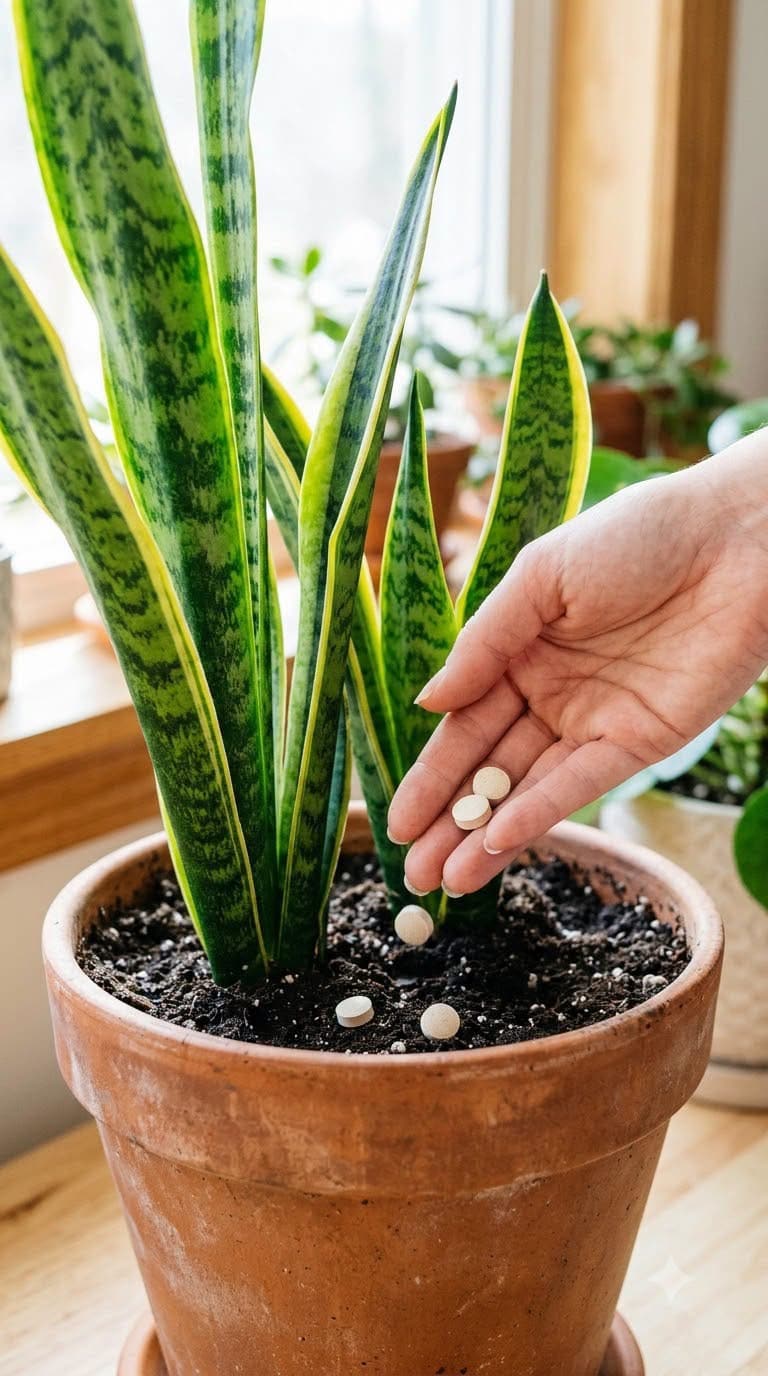
How to Use Slow-Release Fertilizer Tablets for Snake Plants Without Overfeeding
Snake plants are known for being low-maintenance houseplants, but that does not mean they never need nutrients. A small amount of fertilizer during their active growing season can support steady new growth and help leaves keep their deep green color and strong upright form. The image shows small fertilizer tablets being placed on the soil…
-
Orchid Care for Healthy Roots, Lasting Blooms, and Beautiful Indoor Displays
Orchids are elegant houseplants that can bring a refined, peaceful look to almost any room. Their long-lasting flowers, glossy leaves, and sculptural stems make them especially beautiful on bright tables, windowsills, kitchen counters, and living-room shelves. A healthy orchid does not need lemon water, sugary drinks, or homemade kitchen mixtures to bloom. Although lemon water…
-

Spider Plant Care: The Safe Way to Grow a Fuller, Healthier Houseplant
Spider plants are loved for their long striped leaves, easy-going nature, and charming baby plants that spill over the sides of the pot. They look beautiful on a bright windowsill, shelf, hanging basket, or small table, and they can quickly make a room feel fresher and more inviting. The image may suggest adding honey to…