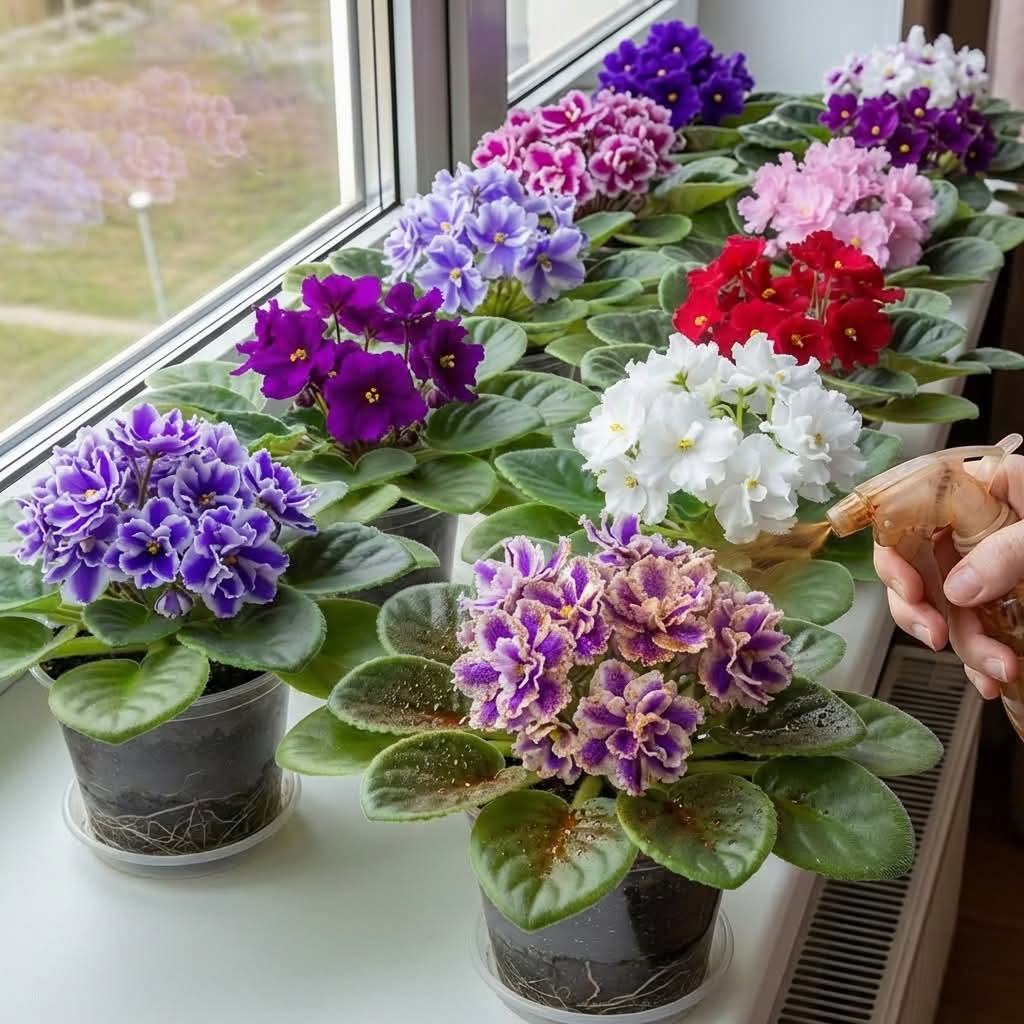
Discover the simple homemade spray that encourages nonstop blooms! Made with sugar, apple cider vinegar, and dish soap, this natural solution helps African violets and other flowering plants thrive. Easy, budget-friendly, and surprisingly effective.
Let me introduce you to the spray that turned my shy African violets into blooming machines.
I’ve always loved flowering houseplants, but for years, my African violets seemed determined to stay green. Healthy leaves, steady growth, but flowers? Maybe one or two a year, if I was lucky. I tried brighter light, perfect watering, even special fertilizers—still nothing.
Then I stumbled upon a simple recipe from an old gardening forum: water, sugar, apple cider vinegar, and a drop of dish soap. It sounded too simple—almost like a kitchen experiment rather than a serious plant treatment. But I was desperate. I mixed up a batch, sprayed my violets once a week, and waited.
Within a month, tiny buds appeared. Two months later, my violets were covered in blooms—more flowers than I’d ever seen. Even my peace lily, which had been stubbornly flowerless, sent up a spike.
This isn’t magic. It’s a gentle, natural way to support your plants’ health and encourage them to bloom. In this guide, I’ll explain exactly how it works, how to make it, and how to use it safely.
Why This Spray Works: The Science Behind the Ingredients
Ingredient What It Does Why It Helps
Sugar Feeds beneficial soil microbes, provides a quick energy source Encourages microbial activity, which helps plants absorb nutrients more efficiently.
Apple cider vinegar Mildly acidic; can help balance soil pH (especially in hard water areas) Flowering plants often prefer slightly acidic soil; a light spray may help condition the leaf surface.
Liquid dish soap Acts as a surfactant, helping the solution spread and adhere to leaves Ensures even coverage; can also help deter certain pests like aphids.
Water The base; delivers the other ingredients without harming the plant Use filtered or distilled water to avoid chlorine and mineral buildup.
Important: This spray is not a fertilizer. It provides a gentle boost to the plant’s environment, but it should be used alongside proper care—adequate light, consistent watering, and occasional feeding.
Ingredients for the Bloom‑Boosting Spray
Ingredient Amount Notes
Water (filtered or distilled) 1 cup Room temperature
Granulated sugar 1 teaspoon White or raw sugar; avoid honey or syrups
Apple cider vinegar 1 teaspoon Raw, unfiltered is best
Liquid dish soap 2–3 drops Use a mild, biodegradable soap; avoid antibacterial formulas
Step‑by‑Step Instructions
Step 1: Prepare Your Spray Bottle
Use a clean spray bottle (preferably glass or opaque plastic to protect from light). Rinse it thoroughly before use.
Step 2: Mix the Ingredients
- Pour the cup of water into the spray bottle.
- Add the sugar and shake or stir until completely dissolved.
- Add the apple cider vinegar and the drops of dish soap.
- Close the bottle and shake well to combine.
Step 3: Test on One Leaf
Before spraying your entire plant, test the mixture on a single leaf. Wait 24 hours to check for any adverse reaction. If the leaf looks healthy, it’s safe to use.
Step 4: Apply
Lightly mist the leaves (both tops and undersides) and the soil surface. Aim for a fine mist—leaves should be damp, not dripping. Avoid over‑spraying.
Step 5: Timing
Apply in the morning or evening, when the sun is not directly on the plant. Avoid spraying under intense sunlight, which can cause leaf burn.
Pro Tips for Best Results
- Use Filtered or Distilled Water
Tap water often contains chlorine and minerals that can leave residue on leaves. Filtered or distilled water gives the cleanest results.
- Don’t Overdo It
Once a week is enough. More frequent spraying can lead to leaf problems or fungal issues.
- Combine with Proper Care
This spray is a supplement, not a substitute for good plant care. Ensure your plants get adequate light, water when the top inch of soil is dry, and fertilize occasionally.
- Focus on African Violets and Gesneriads
This recipe is especially popular for African violets, which benefit from the slight acidity and the surfactant action that helps water reach leaf pores. It also works well on peace lilies, orchids, and other flowering houseplants.
- Clean Your Spray Bottle
Between batches, rinse the bottle thoroughly to prevent mold or bacterial growth.
Delicious Variations
- Sugar‑Free Version
If you’re concerned about attracting ants or fruit flies, omit the sugar. The spray will still act as a mild leaf cleaner and pH adjuster.
- Essential Oil Boost
Add 1–2 drops of rosemary, peppermint, or neem oil for extra pest‑deterring properties. (Test first, as some oils can be harsh.)
- Weak Compost Tea
Replace the water with weak, strained compost tea for added micronutrients. (Do not use both sugar and compost tea, as the combination can encourage mold.)
- Milk & Sugar Spray
Some gardeners use a mixture of milk and sugar (diluted with water) for a similar effect. The proteins in milk may help with fungal issues, but it can also sour quickly.
Safety Notes and Precautions
· Do not use on succulents or cacti – they prefer dry conditions and may develop rot from leaf moisture.
· Avoid spraying flowers directly – the sugar can sometimes cause petals to discolor or attract insects.
· Watch for pests – sugar can attract ants or fruit flies if left on the soil surface. If you notice pests, discontinue use.
· Store properly – Keep the mixture in a cool, dark place and use within 1 week. Shake well before each use.
Frequently Asked Questions (FAQs)
Q: Can I use this spray on outdoor plants?
A: Yes, but be cautious. Outdoor plants may be more sensitive to direct sunlight after spraying. Apply in the morning so leaves dry before the sun is intense.
Q: How long until I see results?
A: Many gardeners notice new buds within 2–4 weeks of regular use. Remember that this is a supplement—consistent care is key.
Q: Can I use honey instead of sugar?
A: Honey can be used, but it may attract more pests and is harder to dissolve evenly. Stick with granulated sugar for consistency.
Q: Will this help my orchid bloom?
A: Orchids can benefit from the gentle leaf conditioning and slight pH adjustment, but they require specific light and temperature cues for blooming. Use this spray as a supplement, not a replacement for orchid‑specific care.
Q: My plant got sticky leaves after spraying. What did I do wrong?
A: You likely used too much sugar or over‑sprayed. Reduce the sugar to ½ teaspoon and ensure you’re misting lightly, not soaking.
Q: Is this spray safe for edible plants?
A: While the ingredients are food‑safe, we recommend using it only on ornamental plants. If you use it on edibles, wash thoroughly before consuming.
The Bottom Line: Patience, Consistency, and Realistic Expectations
This homemade spray isn’t a miracle cure. It won’t make a plant bloom if it’s in a dark closet or hasn’t been watered in months. But if your plant is healthy and just needs a little nudge, this gentle formula can make a real difference.
I’ve watched my African violets go from shy to spectacular, my peace lily produce its first bloom in over a year, and my gardenia set more buds than ever. The spray is now part of my weekly routine, along with checking light and water.
Conclusion
This simple spray—just water, sugar, apple cider vinegar, and a drop of soap—has earned a permanent place on my plant shelf. It’s easy to make, costs pennies, and has consistently helped my flowering plants put on a show.
I hope you’ll give it a try. Start with one plant, test it, and see how it responds. With a little patience and regular care, you might be surprised at what happens.
Now it’s your turn! Have you tried a homemade bloom spray? What’s your secret for getting flowers? Share your experiences in the comments below.
And if you’re looking for more plant care tips, check out our guides on How to Make Your Own Fertilizer, The Best Soil for African Violets, and Natural Pest Control for Houseplants.
Happy blooming! 🌸✨
Did you try this spray? We’d love to see your flowers! Leave a comment below and share your photos. Don’t forget to pin this recipe for your next plant care session.
More Recipes You Might Like
-

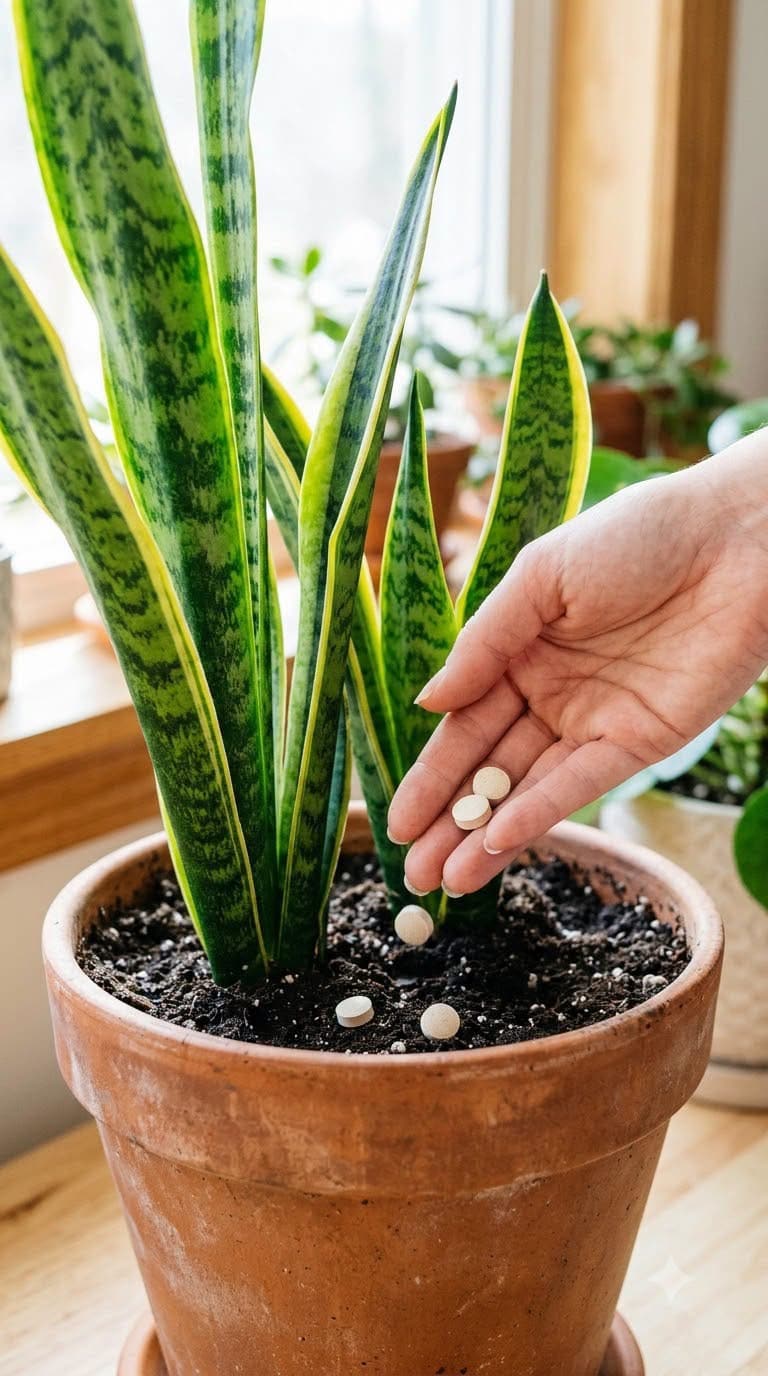
How to Use Slow-Release Fertilizer Tablets for Snake Plants Without Overfeeding
Snake plants are known for being low-maintenance houseplants, but that does not mean they never need nutrients. A small amount of fertilizer during their active growing season can support steady new growth and help leaves keep their deep green color and strong upright form. The image shows small fertilizer tablets being placed on the soil…
-
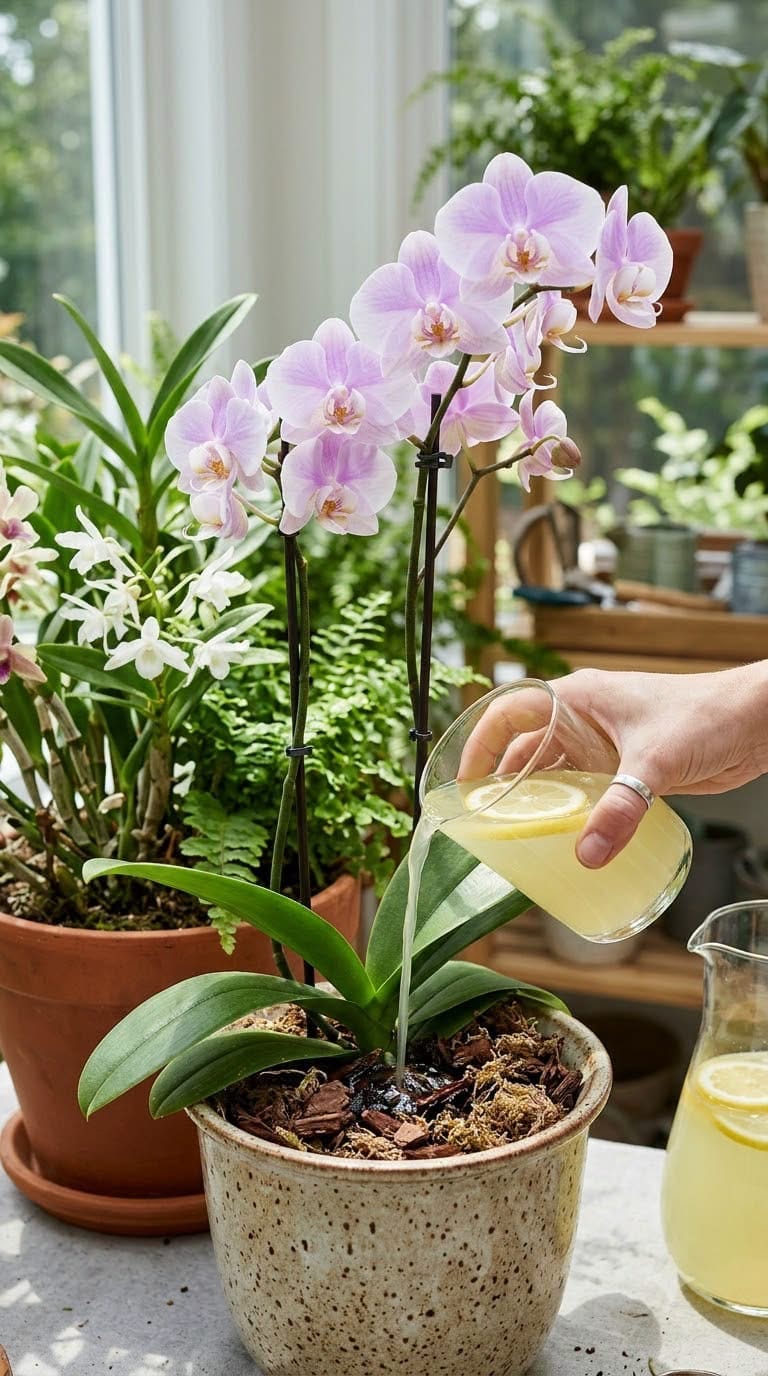
Orchid Care for Healthy Roots, Lasting Blooms, and Beautiful Indoor Displays
Orchids are elegant houseplants that can bring a refined, peaceful look to almost any room. Their long-lasting flowers, glossy leaves, and sculptural stems make them especially beautiful on bright tables, windowsills, kitchen counters, and living-room shelves. A healthy orchid does not need lemon water, sugary drinks, or homemade kitchen mixtures to bloom. Although lemon water…
-

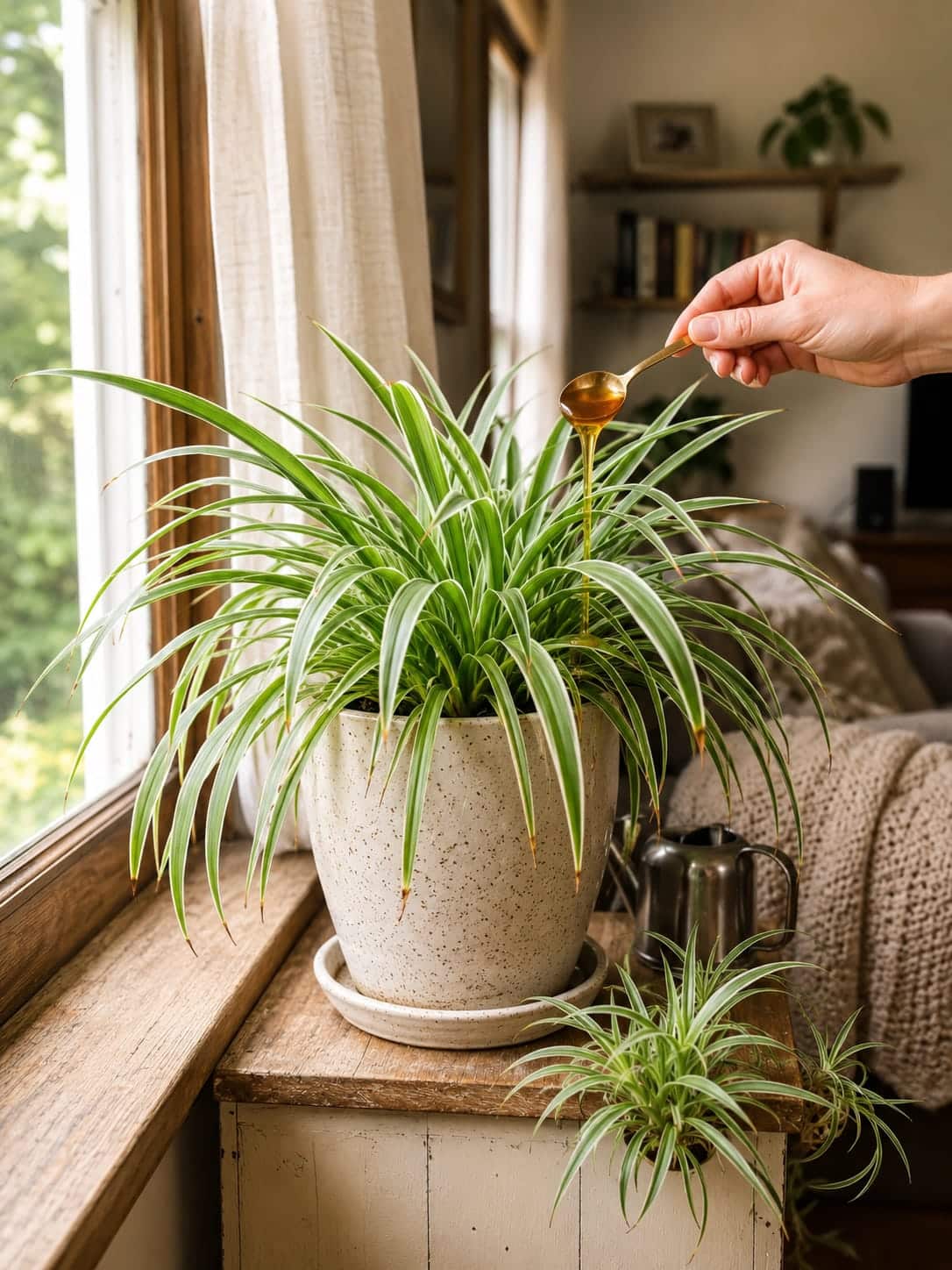
Spider Plant Care: The Safe Way to Grow a Fuller, Healthier Houseplant
Spider plants are loved for their long striped leaves, easy-going nature, and charming baby plants that spill over the sides of the pot. They look beautiful on a bright windowsill, shelf, hanging basket, or small table, and they can quickly make a room feel fresher and more inviting. The image may suggest adding honey to…