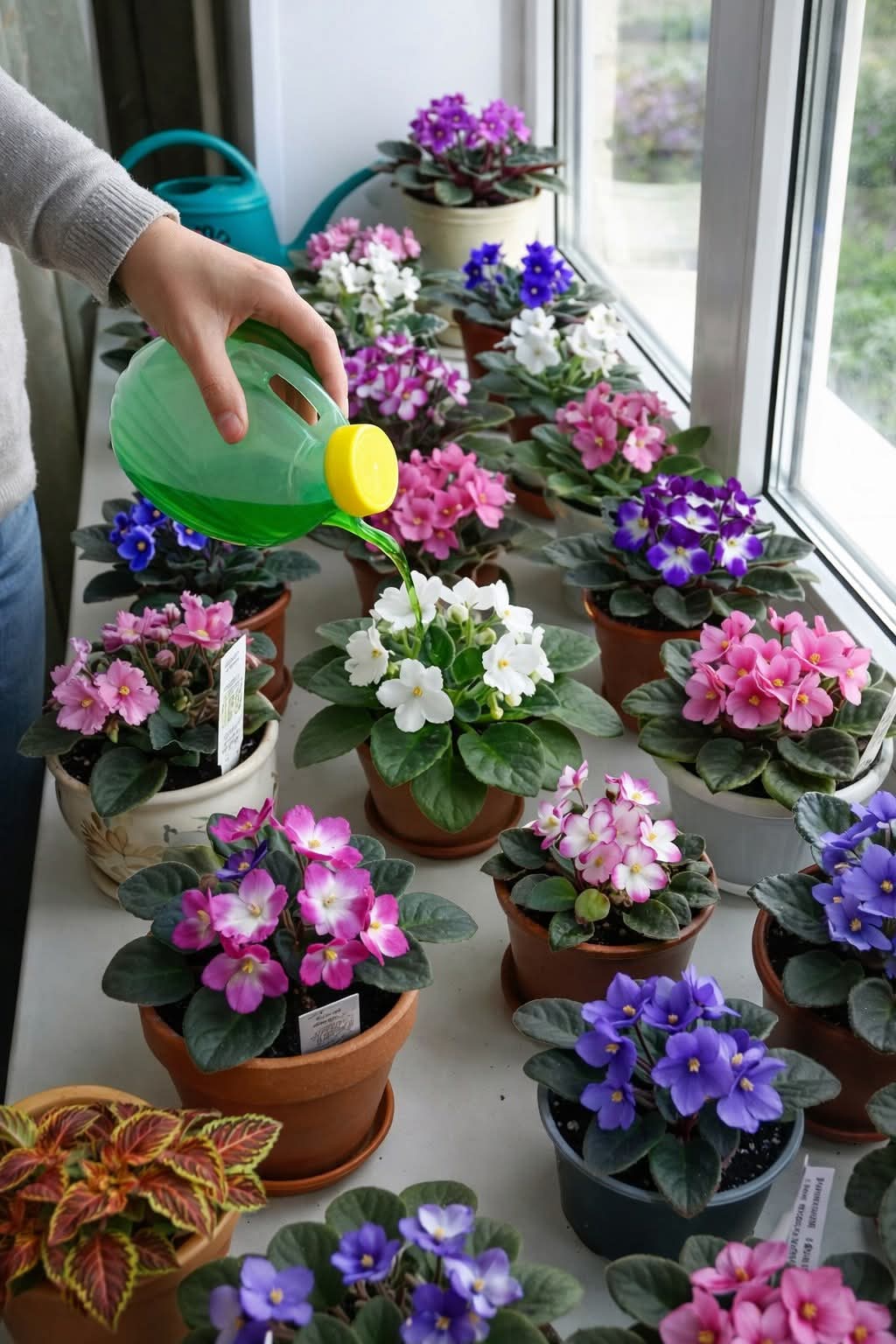
Unlock the secrets to abundant African violet blooms! Learn expert tips on light, water, fertilizer, soil, and care to enjoy vibrant flowers year-round. Perfect for beginners and experienced growers alike.
Let me share the journey that turned my shy, leaf‑only African violets into nonstop blooming beauties.
African violets (Saintpaulia) are among the most charming and rewarding indoor plants you can grow. Their soft, velvety leaves and delicate clusters of purple, pink, white, or bi‑color blooms bring life and color to windowsills, desks, and indoor gardens. They’re compact, long‑lived, and surprisingly forgiving when you understand their needs.
Yet for many plant lovers, the dream of a violet covered in flowers remains elusive. You see healthy leaves, maybe an occasional bloom, but rarely the abundant, cascading flowers that make these plants so beloved. I’ve been there. My first African violet arrived with a halo of blossoms, then spent the next year stubbornly green. I tried moving it, watering differently—nothing worked.
Then I discovered the secrets: the right light, the precise watering rhythm, the gentle but consistent feeding, and the subtle art of knowing when to repot. Now my collection blooms in waves, often with multiple flower stalks at once. I’d like to share everything I’ve learned so you can enjoy the same success.
In this comprehensive guide, you’ll discover all the secrets to helping African violets bloom more often, longer, and more beautifully than ever before.
Understanding the African Violet Blooming Cycle
Before diving into techniques, it’s important to understand how African violets grow and bloom.
African violets (Saintpaulia ionantha) are native to the tropical forests of East Africa, where they grow under the canopy of larger plants. They naturally go through cycles:
Phase What Happens
Growth phase New leaves emerge from the center; roots expand; the plant builds energy.
Bud formation Tiny buds appear between leaf layers; this stage requires adequate light and nutrients.
Blooming Flowers open and can last 2–4 weeks each.
Rest period After blooming, the plant may pause before starting a new cycle.
To encourage abundant flowering, your goal is to create the ideal conditions that support continuous bud formation. With consistent care, many varieties can bloom nearly year‑round, with short resting periods between waves of flowers.
The Most Important Factor: Light
Light is the number one factor that determines whether your African violets will bloom. Without enough light, they may produce lush leaves but no flowers. With too much direct sun, leaves can scorch and flowers fade quickly.
Ideal Lighting Conditions
· Bright, indirect sunlight – Think of the dappled light under a forest canopy.
· East‑ or north‑facing windows are ideal. A south‑ or west‑facing window can work if you diffuse the light with a sheer curtain.
· Aim for 10–14 hours of light daily. In winter, supplemental lighting can make all the difference.
Signs of Light Problems
Too Little Light Too Much Direct Sun
Dark green, stretched leaves Yellow or bleached patches on leaves
Long, weak leaf stems (petioles) Brown, crispy leaf edges
No flower buds Flowers that open and fade quickly
Slow growth Leaves curling downward
Using Grow Lights
If natural light is insufficient, a simple LED grow light placed 8–12 inches above the plant can transform your violet. Use a timer to maintain 10–12 hours of light daily. Fluorescent tubes or full‑spectrum bulbs both work well.
Pro tip: African violets also need darkness at night to rest and initiate blooms. Avoid leaving lights on 24/7.
Watering: The Art of Keeping Them Happy
Watering African violets correctly can make a huge difference in their blooming ability. They are sensitive to both overwatering and underwatering, and they dislike water on their leaves.
Best Practices
· Keep soil slightly moist, not soggy. Water when the top ½ inch of soil feels dry to the touch.
· Use room‑temperature water. Cold water can shock roots and cause leaf spotting.
· Avoid wetting the leaves. Water droplets on fuzzy leaves can magnify light and cause brown spots or lead to rot.
Two Safe Watering Methods
- Bottom watering (preferred)
Place the pot in a tray of water for 15–20 minutes, allowing the soil to absorb moisture from below. This keeps leaves dry and encourages deep root growth. After watering, discard any excess water. - Long‑spout watering can
If you top water, use a narrow‑spout can to direct water onto the soil, carefully avoiding the leaves. Water until it runs out the drainage holes, then empty the saucer.
Water Quality
African violets are sensitive to chlorine and fluoride. Let tap water sit out overnight before using, or use filtered or distilled water. Hard water with high mineral content can leave white deposits on the soil surface and affect long‑term health.
Feeding Your African Violets: The Key to Abundant Blooms
To bloom abundantly, African violets need regular feeding. The potting mix they come in provides initial nutrients, but within a few months, it becomes depleted. Regular, gentle feeding supplies the energy needed for continuous flower production.
What to Use
Option Notes
Balanced liquid houseplant fertilizer (e.g., 20‑20‑20) Dilute to half strength; apply every 2–4 weeks.
Specialized African violet fertilizer Formulated with the ideal N‑P‑K ratio (often 12‑36‑14 or similar) to promote blooms.
Organic alternatives Diluted compost tea, banana peel water (rich in potassium), or fish emulsion (used sparingly) can supplement.
How Often to Feed
· Growing season (spring through early fall): Every 2 weeks with a dilute solution.
· Rest periods (after heavy bloom): Reduce to once a month.
· Winter: If light levels are low, stop feeding until light increases.
The “Weakly, Weekly” Method
Many experienced growers use the “weakly, weekly” approach: add fertilizer at ¼ strength every time they water. This provides a constant, gentle supply of nutrients without the risk of over‑fertilizing. If you choose this method, use a balanced fertilizer at one‑quarter of the recommended strength.
Natural Boosters You Can Try
If you prefer natural methods, these gentle alternatives can support blooming:
Natural Booster How to Use
Diluted milk Mix 1 part milk with 3 parts water; use once a month. Provides calcium.
Banana peel water Soak peels in water for 2 days, strain, and dilute 1:1. Rich in potassium for flowers.
Rice water Use the cloudy water from rinsing rice; dilute 1:1. Adds trace minerals.
Epsom salt Dissolve 1 teaspoon in 1 gallon of water; use once every 2–3 months. Magnesium boosts chlorophyll and helps nutrient uptake.
Important: Natural boosters should supplement, not replace, a balanced fertilizer routine.
Temperature, Humidity, and Air Circulation
African violets thrive in stable indoor conditions. Fluctuations can stress the plant and halt blooming.
Ideal Temperature
· Day: 70–80°F (21–27°C)
· Night: 60–70°F (15–21°C)
· Avoid: Cold drafts (below 60°F), sudden temperature swings, and placing near heating vents or air conditioners.
A slight drop in nighttime temperature can actually encourage bud formation, mimicking natural conditions.
Humidity
African violets prefer moderate humidity (50–60%). Dry indoor air, especially in winter, can cause buds to dry up and leaves to curl.
To increase humidity:
· Place pots on a tray filled with pebbles and water (the pot should sit on pebbles, not in water).
· Group plants together.
· Use a small humidifier nearby.
· Mist sparingly and only in the morning, avoiding water on flowers.
Air Circulation
Good airflow helps prevent fungal diseases and strengthens stems. A gentle fan in the room, or simply not crowding plants, is enough.
Choosing the Right Soil and Pot
The right soil and container play a key role in blooming. African violets need a light, airy mix that allows roots to breathe and water to drain freely.
Soil
Use a light, well‑draining potting mix specifically formulated for African violets. These mixes typically contain peat moss, perlite, and vermiculite. Do not use heavy garden soil or standard potting soil, which can compact and retain too much moisture.
Pot Size
· African violets bloom best when slightly root‑bound.
· Choose a pot about one‑third the diameter of the plant’s leaf spread.
· Avoid oversized pots, which can lead to overwatering and reduce blooming.
· Use pots with drainage holes.
When to repot: Every 6–12 months, or when you notice the plant becoming too crowded, the soil is compacted, or roots are circling the pot. Repotting refreshes nutrients and encourages new growth and blooms.
Pruning, Maintenance, and Encouraging New Blooms
Regular maintenance redirects energy toward new flowers and keeps the plant looking its best.
Deadheading
Remove faded flowers promptly. Snip the entire flower stalk at its base, near the main stem. This prevents the plant from wasting energy on seed production and encourages more buds.
Leaf Trimming
· Remove yellow, damaged, or very old leaves near the base. Use clean, sharp scissors or a knife.
· Trim away any leaves that crowd the center, allowing light to reach developing buds.
· Clean leaves occasionally with a soft, dry brush to remove dust—dust blocks light and can harbor pests.
The “Quarter‑Turn” Trick
Rotate the pot a quarter turn every week to ensure all sides receive equal light. This promotes even growth and symmetrical bloom formation.
Repotting for Better Growth
Over time, soil loses nutrients and becomes compacted. Repotting refreshes the root environment and gives your violet a growth boost.
When to Repot
· Every 6–12 months, even if the pot size is still adequate.
· When the plant has outgrown its pot (leaves extending far beyond the rim).
· When the soil looks compacted or water runs straight through.
How to Repot
- Gently remove the plant from its old pot.
- Trim away any dead or mushy roots.
- Remove some old soil from the root ball.
- Place the plant in a clean pot (same size or one size larger if needed) with fresh African violet potting mix.
- Water lightly and place in bright, indirect light.
After repotting, the plant may pause blooming for a few weeks as it settles in. This is normal.
Common Mistakes That Prevent Blooming
Even with good intentions, certain pitfalls can keep your African violets from flowering.
Mistake Why It Happens Solution
Not enough light Plant in a dim spot; leaves are dark green and stretched. Move to brighter location or use grow light.
Overwatering Leaves become soft, yellow; root rot. Let soil dry between waterings; ensure drainage.
Underwatering Leaves wilt, buds dry up. Water consistently when top soil is dry.
Overfertilizing Salt buildup, leaf burn, lush leaves with no flowers. Reduce frequency; flush soil occasionally with plain water.
Using wrong soil Heavy soil retains too much water, roots suffocate. Repot in light, well‑draining African violet mix.
Pot too large Plant focuses on root growth instead of blooms. Downsize to a smaller pot.
Temperature stress Bud drop from cold drafts or sudden heat. Keep in stable environment, away from vents.
Ignoring deadheading Energy goes into seed production. Remove spent blooms promptly.
Pro Tips for Maximum Blooms
After years of growing African violets, these are the practices that consistently yield the most flowers:
- Use a bloom‑booster fertilizer with a higher phosphorus content (the middle number) during the growing season.
- Provide a consistent light source—natural or artificial—for at least 10 hours daily.
- Water from the bottom with room‑temperature water to keep leaves dry.
- Give them a slight nighttime temperature drop (about 5–10°F cooler) to mimic their natural environment.
- Keep the plant slightly root‑bound; don’t rush to repot unless necessary.
- Maintain humidity with a pebble tray or humidifier, especially in winter.
- Clean leaves regularly with a soft brush to maximize light absorption.
- Rotate the pot weekly for even growth.
- Remove old, spent flowers and yellow leaves promptly.
- Be patient—sometimes the plant simply needs time to rest between bloom cycles.
Signs Your African Violet Is Thriving
When your plant is happy and blooming abundantly, you’ll notice:
· Frequent flower buds – New buds appear regularly between leaf layers.
· Vibrant, long‑lasting blooms – Flowers open fully and remain fresh for weeks.
· Healthy, deep green leaves – Leaves are firm, slightly fuzzy, and uniform in color.
· Continuous flowering cycles – As one set of flowers fades, another begins.
· Compact, symmetrical growth – The plant forms a neat rosette without long, leggy stems.
A well‑cared‑for African violet can bloom nearly year‑round, with short resting periods between waves of flowers.
Frequently Asked Questions
Q: Why is my African violet not blooming?
A: Usually due to insufficient light, lack of nutrients, or improper watering. Check light levels, feed regularly, and ensure you’re not over‑ or under‑watering.
Q: How long do African violet blooms last?
A: Each individual flower can last 2–4 weeks, and with consistent care, new buds can form continuously for months.
Q: Can African violets bloom year‑round?
A: Yes, with ideal conditions—bright indirect light, regular feeding, consistent watering, and stable temperatures—many varieties bloom almost continuously.
Q: How often should I fertilize?
A: Every 2–4 weeks with a diluted balanced fertilizer, or use the “weakly, weekly” method (¼ strength with every watering).
Q: Is tap water safe for African violets?
A: Yes, but let it sit overnight to allow chlorine to dissipate. Filtered or distilled water is even better.
Q: Why are the leaves curling or turning brown at the edges?
A: This can indicate low humidity, water on leaves, or fertilizer burn. Increase humidity, water carefully, and flush soil if you suspect salt buildup.
Q: How do I propagate African violets from leaves?
A: Simply take a healthy leaf with about 2 inches of stem, insert it into moist potting mix, cover with a plastic bag to retain humidity, and wait. New plantlets will form in a few weeks.
Final Thoughts
African violets may seem delicate, but once you understand their needs, they become one of the most rewarding plants to grow. The key to abundant blooms lies in providing the right balance of light, water, nutrients, and care. Small changes—like moving them to a brighter spot, adjusting your watering routine, and feeding consistently—can completely transform your plant.
What once produced only a few flowers can become a constant source of color and beauty in your home. With patience and consistency, your African violets can bloom not just occasionally, but abundantly and repeatedly throughout the year.
Now it’s your turn! Have you discovered a special trick that makes your African violets bloom like crazy? Share your experiences in the comments below—I’d love to hear what works for you.
And if you’re looking for more plant care guides, check out our articles on How to Revive a Dying African Violet, Best Fertilizers for Flowering Houseplants, and Natural Pest Control for Indoor Plants.
Happy growing! 🌸💜
Did this guide help you? We’d love to see your blooming African violets! Leave a comment below and share your photos. Don’t forget to pin this article for your plant care library.
-

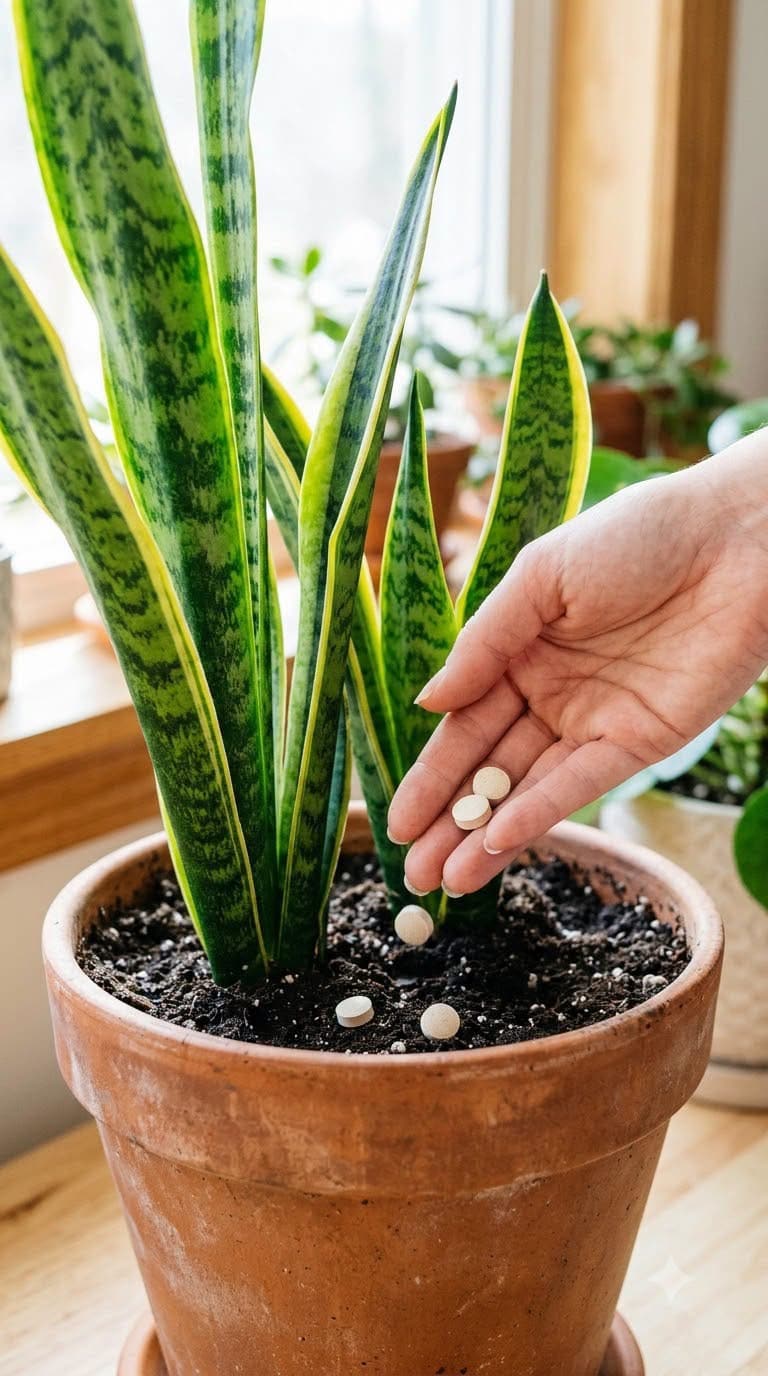
How to Use Slow-Release Fertilizer Tablets for Snake Plants Without Overfeeding
Snake plants are known for being low-maintenance houseplants, but that does not mean they never need nutrients. A small amount of fertilizer during their active growing season can support steady new growth and help leaves keep their deep green color and strong upright form. The image shows small fertilizer tablets being placed on the soil…
-
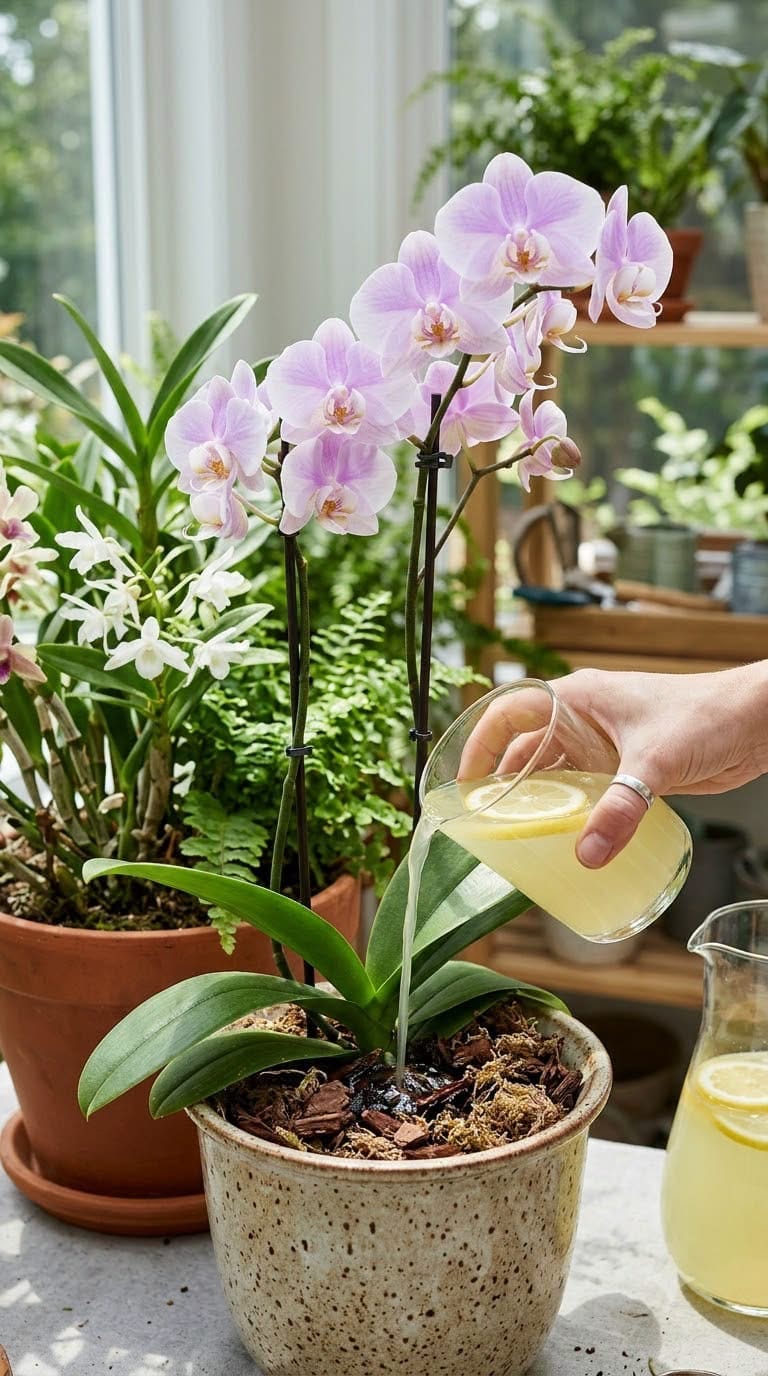
Orchid Care for Healthy Roots, Lasting Blooms, and Beautiful Indoor Displays
Orchids are elegant houseplants that can bring a refined, peaceful look to almost any room. Their long-lasting flowers, glossy leaves, and sculptural stems make them especially beautiful on bright tables, windowsills, kitchen counters, and living-room shelves. A healthy orchid does not need lemon water, sugary drinks, or homemade kitchen mixtures to bloom. Although lemon water…
-

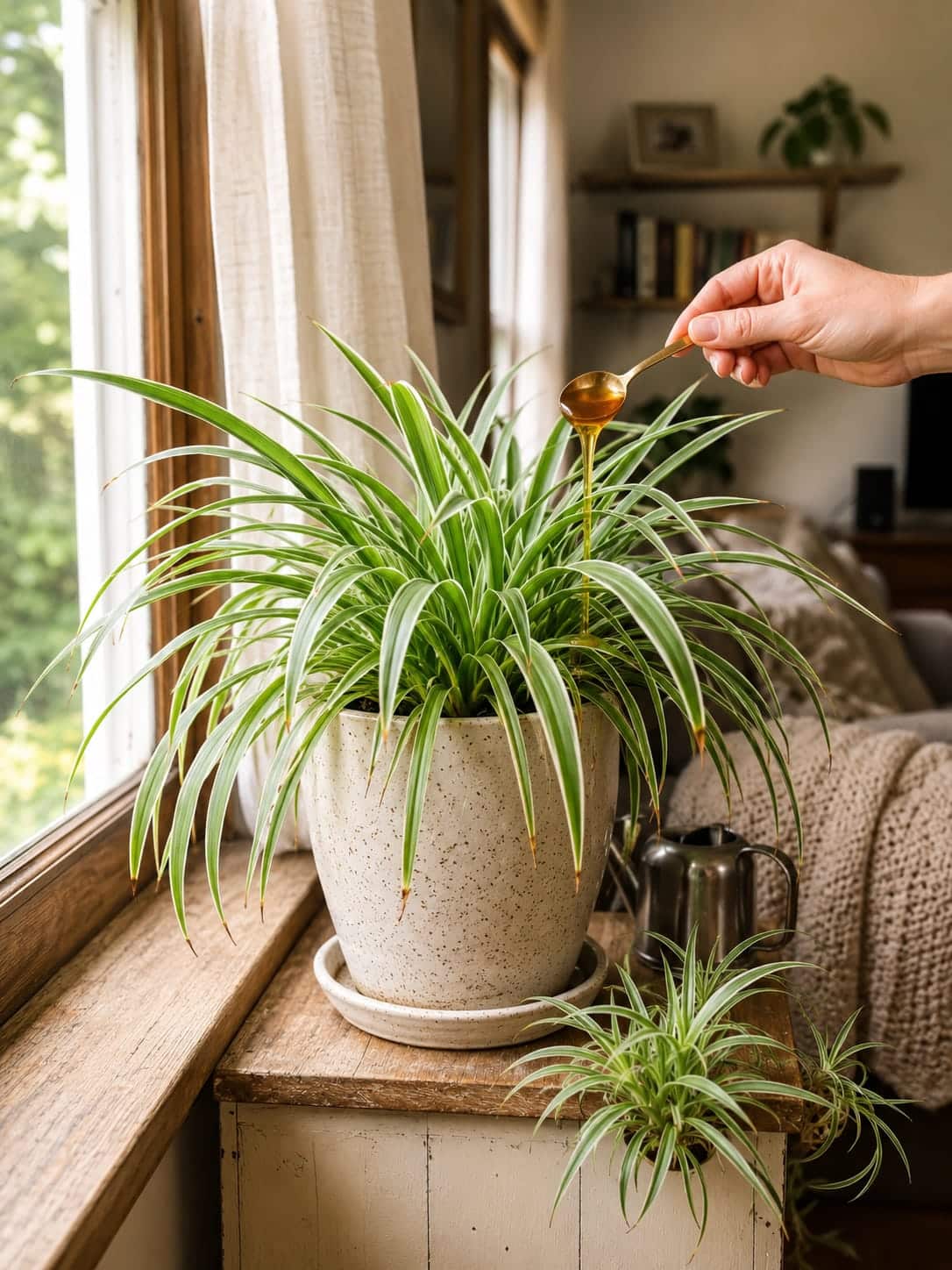
Spider Plant Care: The Safe Way to Grow a Fuller, Healthier Houseplant
Spider plants are loved for their long striped leaves, easy-going nature, and charming baby plants that spill over the sides of the pot. They look beautiful on a bright windowsill, shelf, hanging basket, or small table, and they can quickly make a room feel fresher and more inviting. The image may suggest adding honey to…