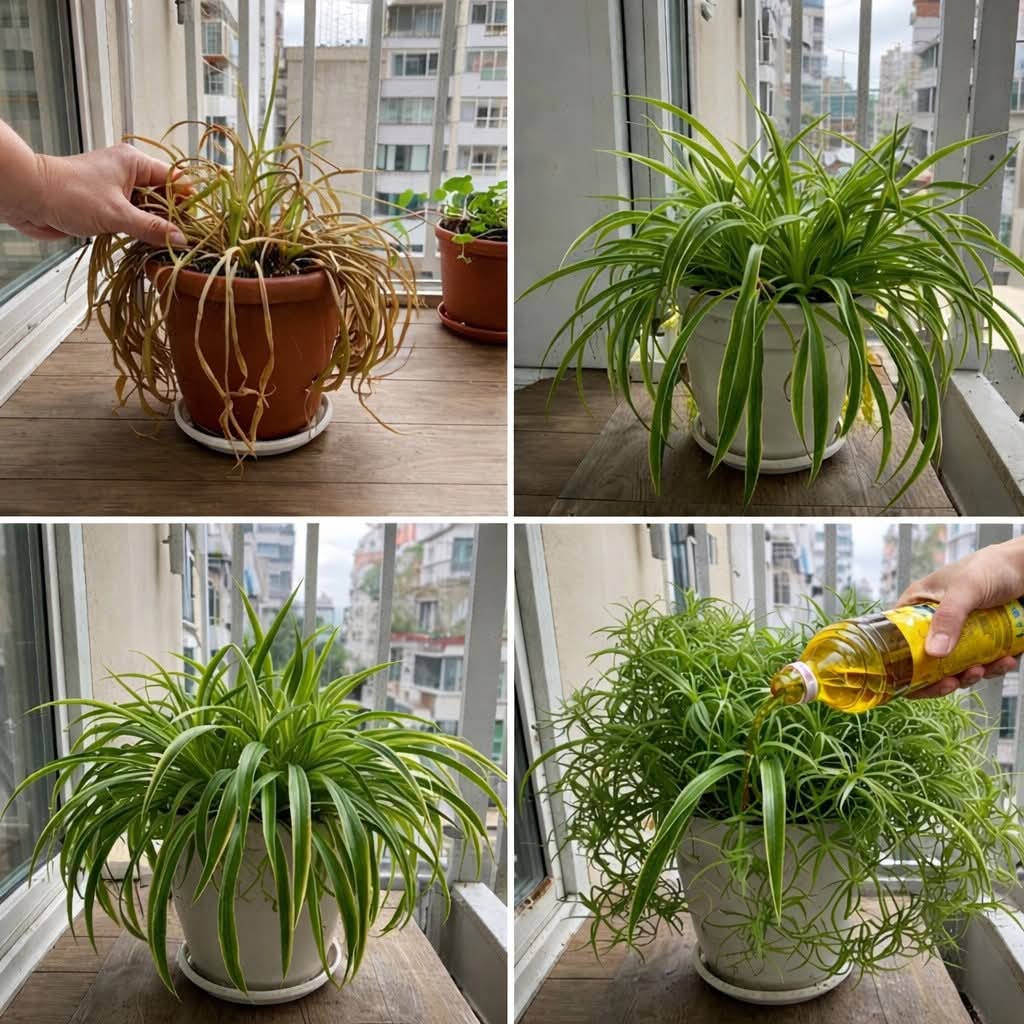
Is your spider plant looking thin, yellow, or sad? Learn how to revive it with simple steps—repotting, proper watering, lighting, and pruning tips to turn it lush and bushy again.
Let me tell you about the spider plant that almost ended up in the compost bin—and now sits in my living room, overflowing with healthy green leaves and dozens of baby spiderettes.
Spider plants (Chlorophytum comosum) are famous for being nearly indestructible. They’re the plant you give to beginners, the one that survives neglect, the green companion that adapts to almost any room. But even the toughest plants have their limits. Over time, they can start to look tired—yellow leaves, brown tips, sparse growth, or roots crammed so tightly they’ve cracked the pot.
If your spider plant is struggling, don’t give up on it. With a few simple adjustments, you can bring it back to life and watch it transform into a full, bushy, vibrant plant again.
In this guide, I’ll walk you through exactly how to revive a struggling spider plant—from identifying the problem to repotting, pruning, and encouraging that lush, trailing growth we all love.
Signs Your Spider Plant Is Struggling
Before you can fix the problem, you need to recognize the signs. A stressed spider plant may show:
Symptom What It May Indicate
Yellow or pale leaves Overwatering, nutrient deficiency, or too much direct sun
Brown, crispy leaf tips Underwatering, low humidity, or fluoride in tap water
Thin, drooping foliage Poor light or root crowding
Slow or no new growth Nutrient depletion, root‑bound, or insufficient light
Dry, compacted soil Old soil that no longer holds moisture well
Roots growing out of the pot Severely root‑bound; needs repotting
If you see any of these signs, your plant is trying to tell you something. The good news is that most of these problems are easily fixable.
Step 1: Identify the Root Cause
Before you take action, figure out what’s stressing your plant.
💧 Overwatering
Overwatering is the most common mistake. Spider plants store water in their tuberous roots, so they prefer to dry out between waterings. Soggy soil leads to root rot, yellow leaves, and weak growth.
Check: Is the soil constantly wet? Does the pot feel heavy? Are the leaves soft and yellow?
🌵 Underwatering
If the soil is bone dry and the leaves are crispy, your plant is thirsty. Underwatered spider plants will have brown tips and droop dramatically.
☀️ Poor Lighting
Spider plants love bright, indirect light. Too little light = pale, stretched leaves and no new growth. Too much direct sun = scorched leaves.
🪴 Root‑Bound
Spider plants grow fast and their roots can quickly fill a pot. When roots are crammed, growth slows, leaves become smaller, and the plant may push itself out of the pot.
Step 2: Trim and Clean the Plant
Reviving starts with removing damage.
· Cut off yellow or brown leaves at the base.
· Trim brown tips with clean scissors, following the natural shape of the leaf.
· Remove dead or weak stems to redirect energy to healthy growth.
This cleanup also lets you see the true condition of the plant and makes it easier to repot or assess.
Step 3: Repot for a Fresh Start
If your spider plant hasn’t been repotted in a year or more, or if the roots are circling the pot, repotting is essential.
How to Repot:
- Gently remove the plant from its pot. If the roots are tightly wound, you may need to loosen them carefully.
- Shake off old soil and inspect the roots. Trim any dark, mushy, or dead roots with sterilized scissors.
- Choose a pot one size larger (about 2 inches wider) with drainage holes. Spider plants like to be slightly root‑bound, so don’t jump too many sizes.
- Use fresh, well‑draining potting mix. A light mix with perlite or sand works best. Avoid heavy garden soil.
- Replant at the same depth as before, firm the soil gently, and water lightly.
A fresh pot and new soil give your plant room to grow and access to nutrients.
Step 4: Fix Your Watering Routine
Proper watering is key to recovery.
Best practice:
· Water when the top 2–3 cm (about 1 inch) of soil feels dry.
· Water thoroughly until it runs out the drainage holes, then empty the saucer.
· Use room‑temperature water (cold water can shock roots).
Avoid:
· Watering on a strict schedule—let the soil tell you when.
· Letting the plant sit in standing water.
· Using softened water or water high in fluoride (can cause brown tips).
Spider plants prefer slightly moist soil, but they’re forgiving if you let them dry out occasionally.
Step 5: Improve Lighting Conditions
Light directly affects how full and bushy your plant becomes.
Ideal setup:
· Place your spider plant in bright, indirect sunlight.
· An east‑facing window is perfect. A few feet back from a south‑ or west‑facing window also works.
· If natural light is limited, supplement with a grow light for 10–12 hours daily.
Signs of good light: New growth, vibrant green leaves, and long, trailing stems with spiderettes.
Too little light: Pale leaves, slow growth, no runners.
Too much direct sun: Brown, scorched patches on leaves.
Better light = thicker, fuller growth.
Step 6: Encourage Bushy Growth
To make your spider plant full again, you need to stimulate new shoots.
✂️ Pruning Strategy
Regular trimming encourages the plant to grow outward instead of just upward. Pinch back the tips of long runners to redirect energy into the main plant.
🌱 Use Baby Plants (Spiderettes)
Spider plants naturally produce small offshoots (spiderettes) on long stems. You can:
· Leave them attached for a fuller, trailing look.
· Propagate them by placing them in water or soil to root, then plant them back into the same pot to create a bushier cluster.
This is one of the easiest ways to turn a sparse plant into a lush, overflowing one.
Step 7: Add Gentle Nutrients
A weak plant often lacks nutrients. Over time, soil becomes depleted.
What to use:
· A balanced liquid houseplant fertilizer (like 10‑10‑10) diluted to half strength.
· Apply every 2–4 weeks during the growing season (spring through early fall).
· Stop feeding in winter when growth naturally slows.
Natural alternatives:
· Compost tea – steep compost in water for 24 hours, strain, and use.
· Banana peel water – soak peels for 2 days, dilute 1:1, and water.
· Mild organic fertilizer – fish emulsion or worm castings.
Feeding supports stronger, greener growth and helps your plant bounce back faster.
Step 8: Optimize Environment
🌡️ Temperature
Spider plants thrive in normal indoor temperatures: 65–80°F (18–27°C) . Protect them from cold drafts and sudden temperature swings.
💨 Air
Good airflow helps prevent fungal issues and keeps leaves dry. A gentle fan in the room is enough.
💧 Humidity
Moderate humidity helps prevent brown tips. If your home is very dry, you can:
· Mist leaves occasionally (morning is best).
· Place a small humidifier nearby.
· Set the pot on a tray of pebbles with water.
What to Expect After Recovery
With proper care, you’ll start seeing improvements within a few weeks:
· Bright green leaves returning.
· New shoots emerging from the center.
· Thicker, fuller plant shape as new leaves fill in.
· Stronger roots that hold the plant securely.
· Spiderettes forming on long stems.
· Possible flowering – small white flowers on slender stalks.
A revived spider plant can grow quickly and become even more beautiful than before.
Common Mistakes to Avoid
Mistake Why It’s a Problem Solution
Overwatering again Even after recovery, soggy soil causes root rot Let soil dry between waterings
Too much fertilizer Can burn roots and cause weak, leggy growth Stick to once a month, diluted
Ignoring light Without enough light, fullness won’t return Move to brighter spot
Skipping repotting Old soil limits growth; roots get cramped Repot every 1–2 years
Leaving dead leaves Attracts pests and wastes energy Trim regularly
Pro Tips for a Bushy Spider Plant
· Rotate the pot weekly for even light exposure.
· Combine multiple plants in one pot for instant fullness.
· Trim regularly to shape the plant and encourage branching.
· Keep leaves clean by wiping them with a damp cloth – dust blocks light.
· Use a pot with drainage holes – this is non‑negotiable.
Frequently Asked Questions (FAQs)
Q: Why is my spider plant thin and not bushy?
A: Usually due to low light or lack of pruning. Move it to a brighter spot and trim back leggy runners.
Q: How long does it take to revive a spider plant?
A: You can see improvement in 2–4 weeks with consistent care. Full recovery may take a couple of months.
Q: Can brown tips be fixed?
A: Trim them off—they won’t turn green again. To prevent new brown tips, use filtered water and increase humidity.
Q: Should I mist my spider plant?
A: Occasional misting helps, but avoid wetting the crown of the plant. A pebble tray or humidifier is more effective.
Q: Do spider plants grow fast?
A: Yes, especially in good light and with regular feeding. They can produce new leaves and runners rapidly.
Q: Can I cut off all the leaves and start over?
A: If your plant is severely damaged, you can cut it back to the base, leaving only healthy roots. It will regrow, but it takes patience.
Final Thoughts
A struggling spider plant isn’t a lost cause—it’s simply asking for better care. By adjusting watering, improving light, refreshing the soil, and encouraging new growth, you can completely transform your plant.
What once looked dry and lifeless can become full, vibrant, and overflowing with healthy green leaves. The key is consistency. Small, simple changes in your routine can lead to dramatic results over time.
Now it’s your turn! Have you revived a spider plant? What worked for you? Share your experience in the comments below.
And if you’re looking for more plant care guides, check out our articles on How to Propagate Spider Plants, Best Soil for Houseplants, and Natural Fertilizers for Indoor Plants.
Happy growing! 🌿✨
Did you revive your spider plant? We’d love to see your before and after photos! Leave a comment below and share your success. Don’t forget to pin this guide for your plant care routine.
More Recipes You Might Like
-

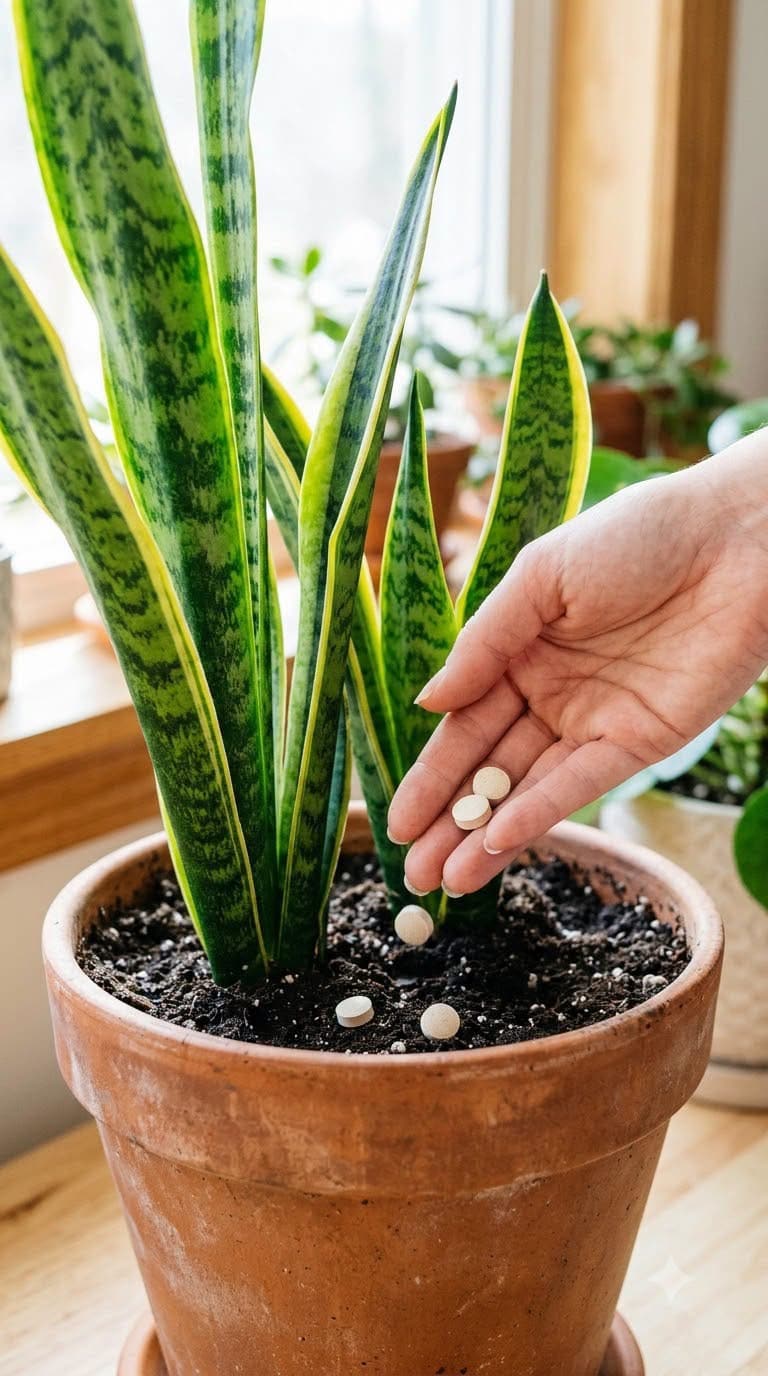
How to Use Slow-Release Fertilizer Tablets for Snake Plants Without Overfeeding
Snake plants are known for being low-maintenance houseplants, but that does not mean they never need nutrients. A small amount of fertilizer during their active growing season can support steady new growth and help leaves keep their deep green color and strong upright form. The image shows small fertilizer tablets being placed on the soil…
-
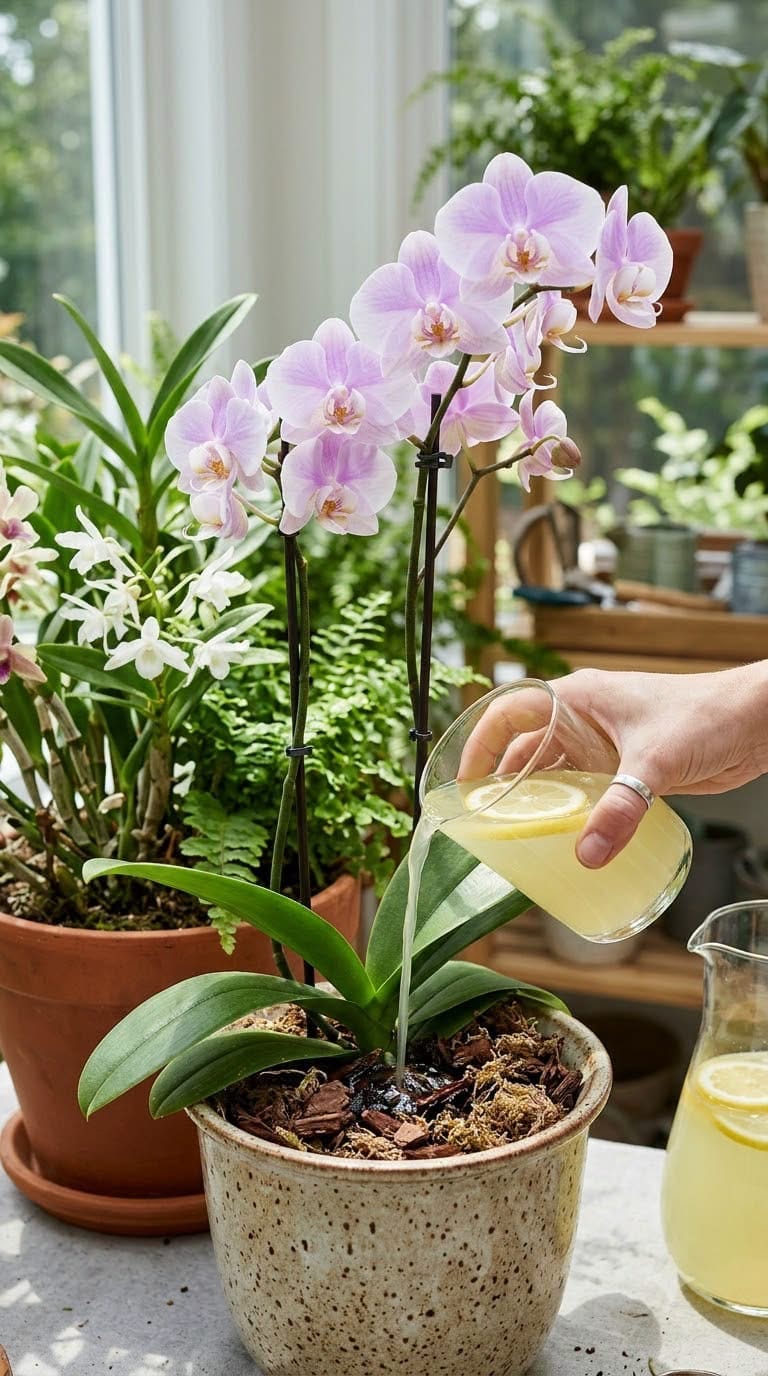
Orchid Care for Healthy Roots, Lasting Blooms, and Beautiful Indoor Displays
Orchids are elegant houseplants that can bring a refined, peaceful look to almost any room. Their long-lasting flowers, glossy leaves, and sculptural stems make them especially beautiful on bright tables, windowsills, kitchen counters, and living-room shelves. A healthy orchid does not need lemon water, sugary drinks, or homemade kitchen mixtures to bloom. Although lemon water…
-

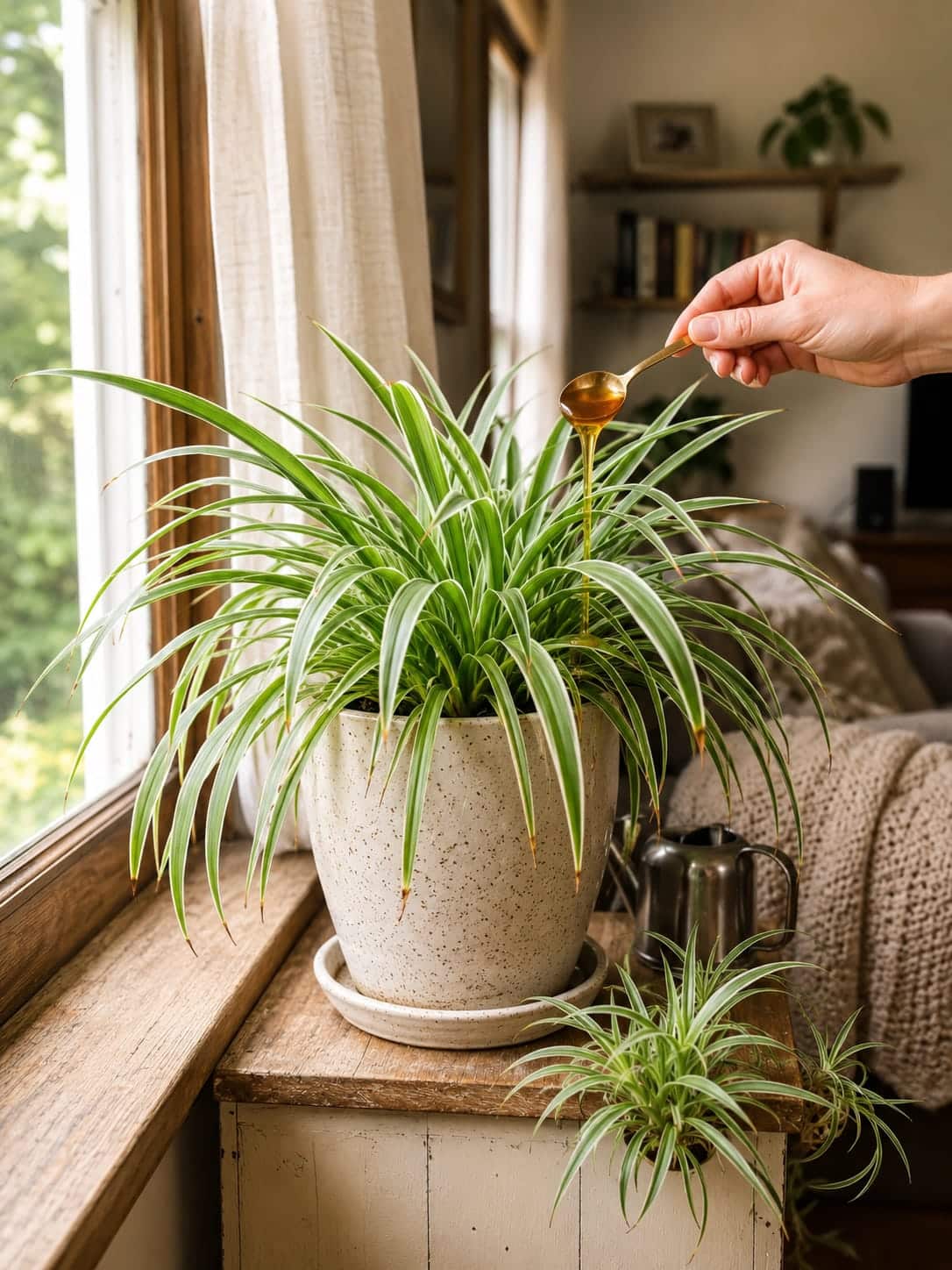
Spider Plant Care: The Safe Way to Grow a Fuller, Healthier Houseplant
Spider plants are loved for their long striped leaves, easy-going nature, and charming baby plants that spill over the sides of the pot. They look beautiful on a bright windowsill, shelf, hanging basket, or small table, and they can quickly make a room feel fresher and more inviting. The image may suggest adding honey to…