Is your jade plant struggling? The most overlooked indoor care step isn’t a secret oil or fertilizer – it’s proper leaf cleaning and watering. Learn what really makes jade plants thrive.
Let’s be honest: jade plants (Crassula ovata) have a reputation for being nearly indestructible. They survive neglect, low light, and inconsistent watering. They’re passed down through generations, often becoming massive, tree‑like specimens. But here’s the thing – there’s a big difference between “surviving” and “thriving.”
If your jade plant is growing slowly, dropping leaves, looking dull, or just sitting there without any new growth, you’re probably missing one critical indoor care step. And surprisingly, it’s not what most people think.
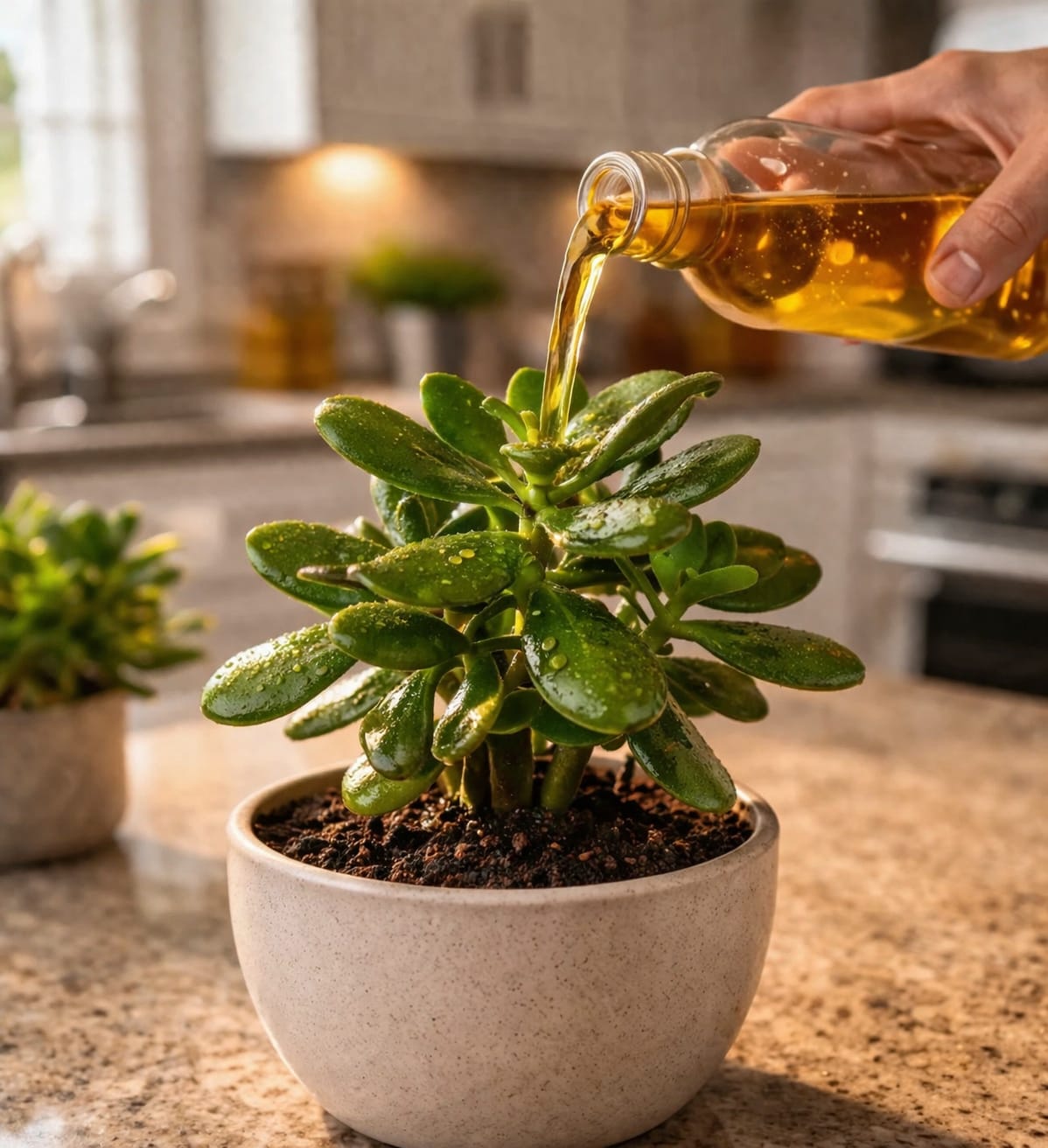
You may have seen images online of someone pouring oil or a mysterious liquid onto jade plant leaves, claiming it’s a “secret trick” for glossy, healthy foliage. But here’s the truth: putting oil (or any random household liquid) on a succulent can actually harm it. Jade plants are not like other houseplants – they have unique needs, and the most overlooked step is something far simpler and more effective.
In this guide, I’ll reveal the real reason jade plants struggle indoors, the one simple habit that makes all the difference, and why you should avoid viral “leaf shine” hacks. You’ll learn proper watering, lighting, leaf care, and how to spot early signs of trouble before it’s too late.
Let’s help your jade plant thrive – the right way.
Why Jade Plants Are Different (And Why That Matters)
Jade plants are succulents. Unlike tropical houseplants that love humidity and frequent watering, succulents have adapted to dry, arid environments. Their leaves are thick and fleshy because they store water. This gives them that signature plump look – but it also makes them vulnerable to certain types of care.
Here’s what makes jade plants unique:
Characteristic What It Means for You
Leaves store water Overwatering is deadly – they rot from the inside
Stomata on leaf surface Leaves need to “breathe” – blocking them causes damage
Native to bright, dry climates Need strong light; low light weakens them
Slow growers Don’t expect rapid growth – patience is key
Understanding these basics is the first step to fixing common problems.
The Mistake Most Jade Plant Owners Make (It’s Not What You Think)
Looking at the image that often accompanies viral posts, you might see someone pouring oil or a shiny liquid directly onto jade plant leaves. The caption might promise “instant shine,” “pest control,” or “nutrient boost.”
Here’s the truth: putting oil (olive oil, coconut oil, mineral oil, or any cooking oil) on jade plant leaves is harmful. Here’s why:
Problem Explanation
Blocks stomata Leaves have tiny pores (stomata) for gas exchange. Oil clogs them, preventing the plant from “breathing.”
Traps heat Oil can magnify sunlight, burning the leaves.
Attracts dust and pests Sticky oil is a magnet for dust, which further blocks light, and can attract fungus gnats or other insects.
Causes rot If oil gets into the leaf joints or stem, it can trap moisture and lead to fungal rot.
The same goes for: milk, egg wash, mayonnaise, coconut water, or any other “natural shine” hack. These are not safe for succulents.
So if the “secret trick” isn’t oil, what is it? The most overlooked indoor step for jade plants is actually something much simpler – and it’s free.
The Step That Actually Makes a Difference – Leaf Cleaning
Dust builds up on indoor plant leaves over time. On a jade plant, dust can be especially problematic because the leaves are broad, flat, and often numerous. A thick layer of dust blocks sunlight, reducing photosynthesis. It also traps moisture, creating a breeding ground for mold or pests.
The overlooked step: Regularly cleaning your jade plant’s leaves with a soft, damp cloth.
How to Clean Jade Plant Leaves Safely
Step Instructions
1 Fill a small bowl with room‑temperature water (no soap, no oil).
2 Dip a soft cloth or paper towel in the water and wring it out so it’s damp, not dripping.
3 Gently wipe each leaf from base to tip, supporting the leaf from underneath with your other hand.
4 For stubborn dust, use a soft paintbrush or makeup brush to dust between leaves.
5 Allow leaves to air dry before returning the plant to bright light.
How often: Once every 2–4 weeks, or whenever you notice visible dust.
What to avoid: Do not use leaf shine products – they contain oils and silicones that coat the leaves. Do not use vinegar or lemon juice – they can damage the waxy coating.
The 5 Pillars of Jade Plant Care (Beyond Leaf Cleaning)
Leaf cleaning is important, but it’s just one part of the puzzle. Here’s the complete system for a thriving jade plant.
💧 1. Watering the Right Way – The #1 Most Important Factor
Overwatering is the single most common cause of jade plant death. Because jade plants store water in their leaves, they are extremely sensitive to soggy soil.
Watering Rule Details
When to water Only when the soil is completely dry all the way through. Stick your finger 2 inches into the soil – if it feels dry, water. If it’s even slightly damp, wait.
How often In bright light: every 10–14 days. In lower light: every 3–4 weeks. Always check the soil, not the calendar.
How to water Water thoroughly until it runs out the drainage holes. Empty the saucer immediately – never let the plant sit in standing water.
Seasonal adjustment Water much less in winter (once a month or less). Jade plants go semi‑dormant in cool, dark months.
Signs of overwatering: Yellowing, mushy, or translucent leaves; leaves dropping easily; soft, wrinkled stem at the base; foul smell from soil.
Signs of underwatering: Wrinkled, shriveled leaves; leaves that feel thin and flexible; leaf drop (but leaves are dry, not mushy).
🧼 2. Leaf Cleaning (As Explained Above)
Clean leaves absorb more light, breathe better, and look more vibrant. Don’t skip this step.
☀️ 3. Light – More Important Than Most People Think
Jade plants are often sold as “low‑light” plants, but that’s misleading. They will survive in low light, but they won’t thrive.
Light Level Result
Bright, indirect light (east or west window) Best – leaves stay compact, develop red tips (stress color), and grow steadily.
Direct morning sun (south or east window) Good – a few hours of direct sun encourages red edges and strong growth.
Low light (north window or dark corner) Poor – leaves become dark green, thin, and leggy; growth slows dramatically.
Harsh afternoon sun Can scorch leaves (brown, crispy patches). Introduce gradually.
Pro tip: If your jade plant is stretching out with long spaces between leaves (etiolation), it’s not getting enough light. Move it closer to a window or supplement with a grow light.
🌬 4. Air Circulation – The Silent Helper
Indoor plants, especially succulents, need good airflow. Stagnant air promotes fungal growth and pest infestations.
What to Do Why It Helps
Place plant in a room with natural air movement Reduces humidity around leaves, preventing mold
Avoid crowding plants together Each plant needs its own space for air to circulate
Use a small fan in stuffy rooms Mimics natural breeze, strengthens stems
Signs of poor air circulation: White powdery mildew on leaves, persistent moisture, fungus gnats.
🌱 5. Feeding – Less Is More
Jade plants are not heavy feeders. Over‑fertilizing can burn roots and cause leggy growth.
Feeding Guideline Details
When to fertilize Only during the growing season (spring and summer).
What to use A balanced, water‑soluble fertilizer diluted to half strength (e.g., 10-10-10 or a cactus/succulent fertilizer).
How often Once every 4–6 weeks.
When not to fertilize Fall and winter (plant is resting); newly repotted plants (wait 2–3 months).
Never fertilize a dry plant – water first to prevent root burn.
What You Should Never Do to a Jade Plant (Viral “Hacks” to Avoid)
Social media is full of bad advice. Here’s what to never do:
Dangerous “Hack” Why It’s Harmful
Pouring oil on leaves Blocks stomata, traps heat, attracts dust and pests
Misting or spraying water Jade plants don’t need humidity – wet leaves can rot
Using coffee grounds Too acidic; can burn roots; encourages fungus
Adding eggshells to soil Takes months to break down; can attract pests; minimal benefit
Using ice cubes to water Shocks roots; doesn’t saturate soil evenly
Rubbing alcohol on leaves Damages waxy coating; only use on pests as spot treatment
Placing in direct sun after being in low light Causes severe sunburn – acclimate slowly
The bottom line: Stick to the basics – proper watering, clean leaves, good light, and well‑draining soil. No shortcuts, no magic potions.
Signs Your Jade Plant Is Thriving (vs. Struggling)
Healthy Jade Plant Struggling Jade Plant
Firm, plump, glossy leaves Soft, wrinkled, or shriveled leaves
Rich green color (with possible red tips) Pale, yellow, or dull leaves
Upright, sturdy stems Drooping, leggy, or falling stems
New leaves forming regularly No new growth for months
Soil dries out completely between waterings Soil stays wet for over a week
No visible pests Mealybugs, scale, or fungus gnats
If your plant shows signs of struggle, refer to the troubleshooting section below.
Repotting – When and How
Jade plants like to be slightly root‑bound. Repot only when necessary.
Repotting Guideline Details
How often Every 2–3 years, or when roots are coming out of drainage holes.
Best time Spring or early summer (active growing season).
Pot size Only 1–2 inches larger than current pot. Too large = too much soil = water retention.
Soil Cactus/succulent mix, or DIY: 2 parts potting soil + 1 part perlite + 1 part coarse sand.
Drainage Pot must have drainage holes – non‑negotiable.
After repotting: Do not water for 5–7 days. This gives roots time to heal. Then water lightly.
Common Pests and Problems – And How to Fix Them
Problem Cause Solution
Mealybugs (white cottony spots) Overwatering, poor air circulation Wipe with cotton swab dipped in 70% isopropyl alcohol; isolate plant; repeat weekly
Scale insects (brown bumps on stems) Often from new plants Scrape off with fingernail or soft brush; use neem oil (diluted, on stems only, not leaves)
Root rot (soft, black roots; foul smell) Overwatering Remove plant, cut away rotten roots, repot in fresh dry soil; do not water for 2 weeks
Leaf drop (musky, soft leaves) Overwatering Reduce watering immediately; check roots
Leaf drop (dry, shriveled leaves) Underwatering Water thoroughly; adjust schedule
Leggy, stretched growth Not enough light Move to brighter location; consider grow light
Brown, crispy leaf edges Sunburn or salt buildup from tap water Move out of harsh direct sun; use filtered or distilled water
Frequently Asked Questions (FAQs)
Q: Can I put my jade plant outside in summer?
Yes – jade plants love being outside in warm weather. Acclimate slowly: start in shade for 1 week, then move to morning sun. Bring inside before temperatures drop below 50°F (10°C). Outdoor light can trigger beautiful red leaf edges.
Q: Why are my jade plant leaves turning yellow?
Yellow leaves are usually a sign of overwatering. Check the soil – if it’s wet, stop watering and let it dry out completely. If the stem is soft, you may have root rot.
Q: Can I propagate jade plant from a single leaf?
Yes, but it’s slower than stem cuttings. Lay a leaf on dry soil (don’t bury it). Mist lightly every few days. Roots and a tiny rosette will form in 4–6 weeks.
Q: How do I make my jade plant grow thicker, tree‑like stems?
Prune regularly. Pinch off the tips of branches to encourage branching. Remove lower leaves to expose the main stem. Provide plenty of light – low light makes stems weak and leggy.
Q: Can I use regular potting soil for jade plants?
No – regular potting soil holds too much moisture. Always use a cactus/succulent mix or add perlite and sand to regular soil.
Q: Why does my jade plant have white spots on the leaves?
White, powdery spots are usually mineral deposits from tap water (hard water). Wipe with a damp cloth. Use distilled or filtered water to prevent buildup. If the spots are fuzzy and spread, it may be powdery mildew (poor air circulation).
Q: How big can a jade plant get indoors?
With proper care, jade plants can reach 3–5 feet tall indoors. In their native habitat, they can grow into small trees (6–10 feet). Pruning keeps them manageable.
Q: Is jade plant toxic to pets?
Yes – jade plants are mildly toxic to dogs and cats. Ingestion can cause vomiting, lethargy, and incoordination. Keep out of reach of pets.
Final Thoughts – Simple Care Beats Secret Tricks
The biggest difference between a struggling jade plant and a thriving one isn’t a secret oil or a miracle fertilizer. It’s simple, consistent care:
· Water only when the soil is bone dry – overwatering is the #1 killer.
· Clean leaves regularly – dust blocks light and traps moisture.
· Give bright, indirect light – more light = stronger, healthier growth.
· Ensure good airflow – prevents pests and disease.
· Use well‑draining soil and pots with drainage holes.
Skip the trendy hacks. Don’t pour oil on your plant. Don’t mist it. Don’t believe everything you see on social media. Your jade plant doesn’t need magic – it needs you to master the basics.
Do that, and your jade plant will reward you with strong, beautiful growth for years – maybe even decades.
Now it’s your turn! Have you tried any “leaf shine” hacks on your succulents? What’s your jade plant care routine? Drop a comment below – I’d love to hear your experience.
And if you found this guide helpful, share it with a fellow plant parent who’s been tempted by viral oil tricks. Pin it for later, and subscribe to our newsletter for more no‑hype, evidence‑based plant care advice.
Stay green, stay simple, and let your jade plant thrive. 🌿✨
More Recipes You Might Like
-

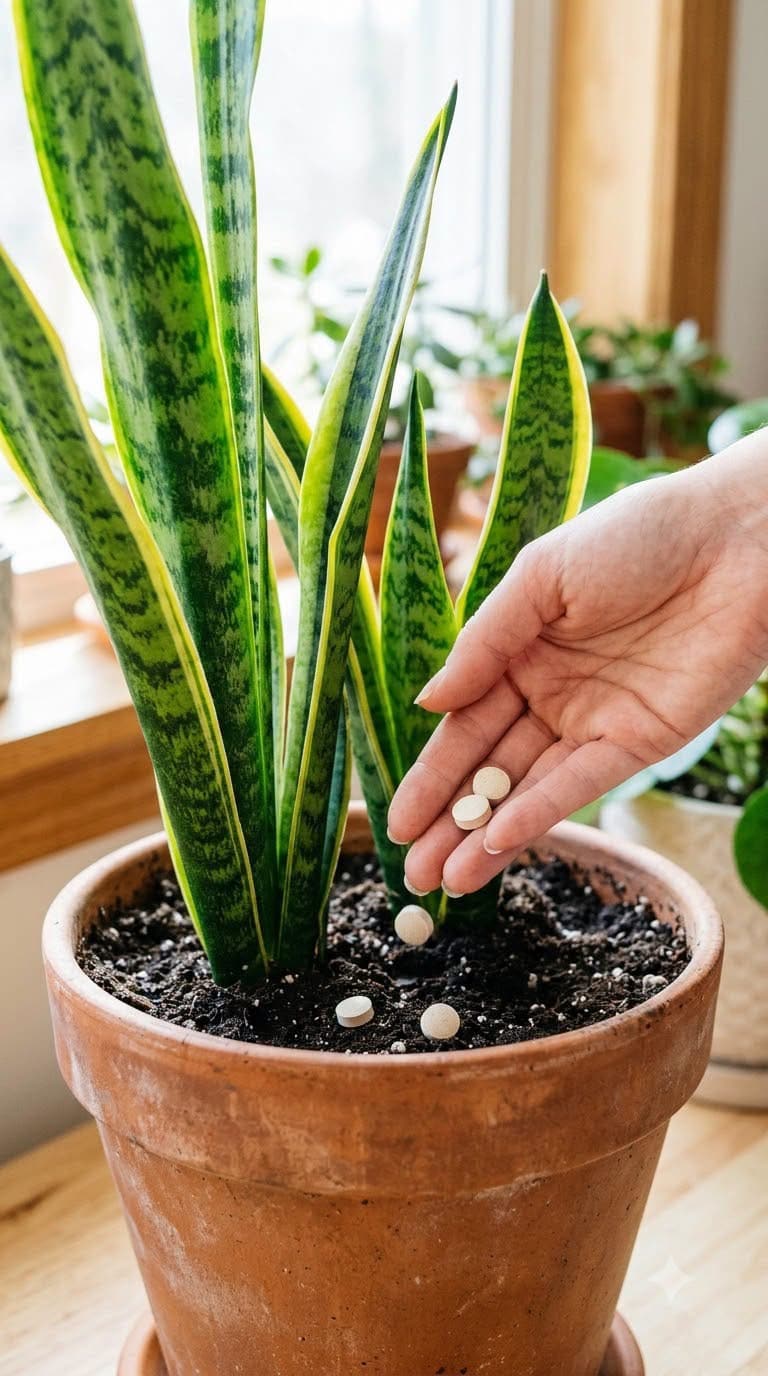
How to Use Slow-Release Fertilizer Tablets for Snake Plants Without Overfeeding
Snake plants are known for being low-maintenance houseplants, but that does not mean they never need nutrients. A small amount of fertilizer during their active growing season can support steady new growth and help leaves keep their deep green color and strong upright form. The image shows small fertilizer tablets being placed on the soil…
-
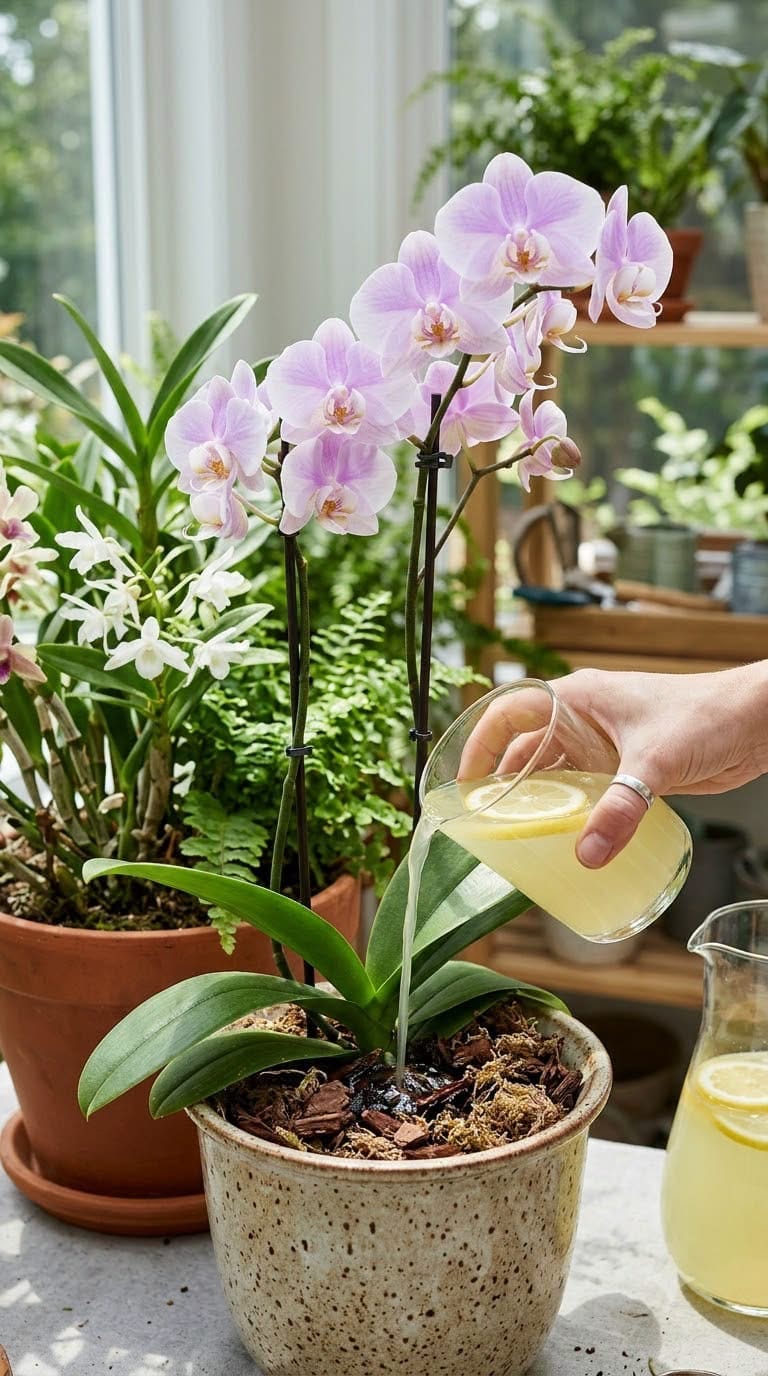
Orchid Care for Healthy Roots, Lasting Blooms, and Beautiful Indoor Displays
Orchids are elegant houseplants that can bring a refined, peaceful look to almost any room. Their long-lasting flowers, glossy leaves, and sculptural stems make them especially beautiful on bright tables, windowsills, kitchen counters, and living-room shelves. A healthy orchid does not need lemon water, sugary drinks, or homemade kitchen mixtures to bloom. Although lemon water…
-

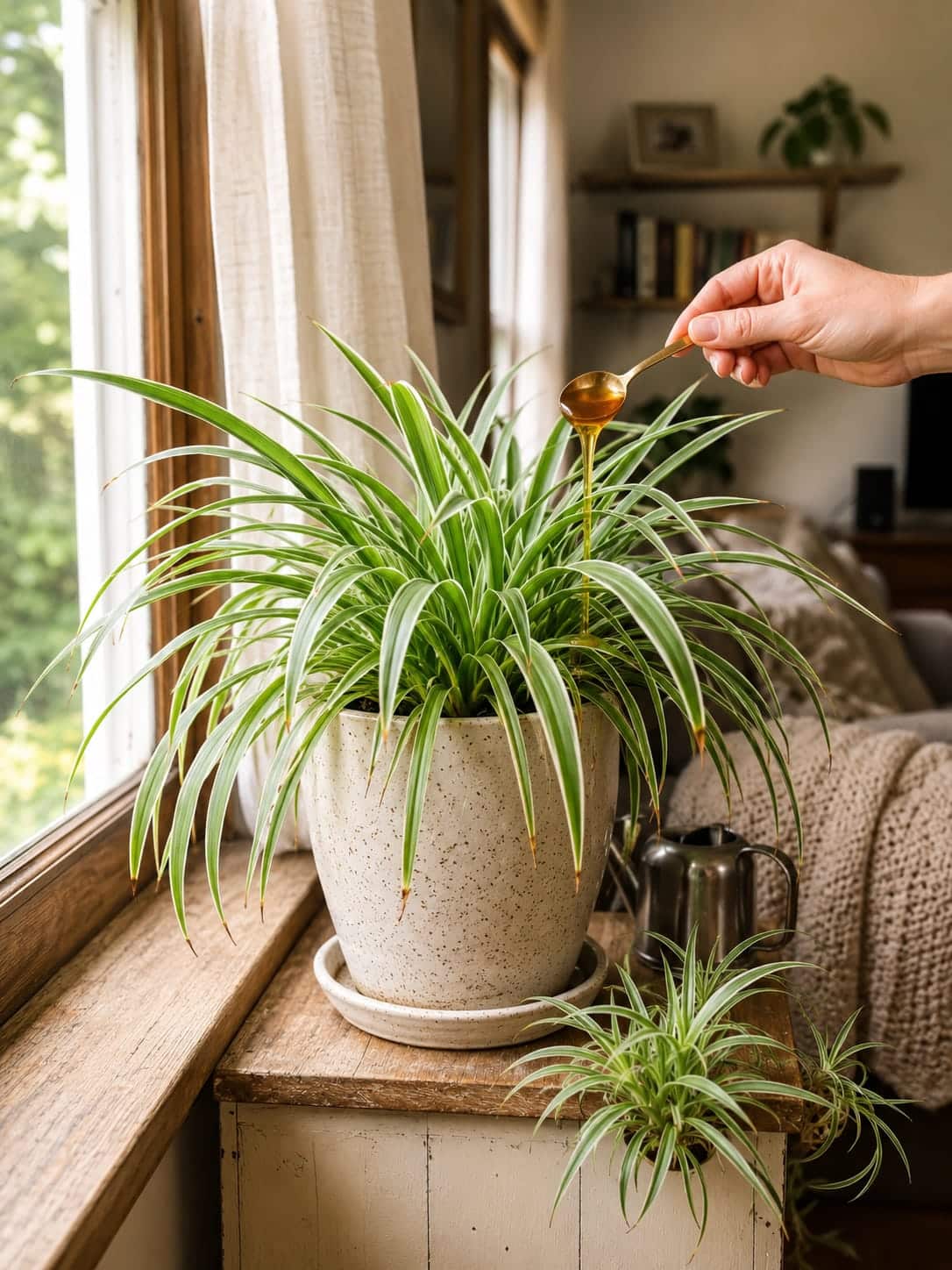
Spider Plant Care: The Safe Way to Grow a Fuller, Healthier Houseplant
Spider plants are loved for their long striped leaves, easy-going nature, and charming baby plants that spill over the sides of the pot. They look beautiful on a bright windowsill, shelf, hanging basket, or small table, and they can quickly make a room feel fresher and more inviting. The image may suggest adding honey to…