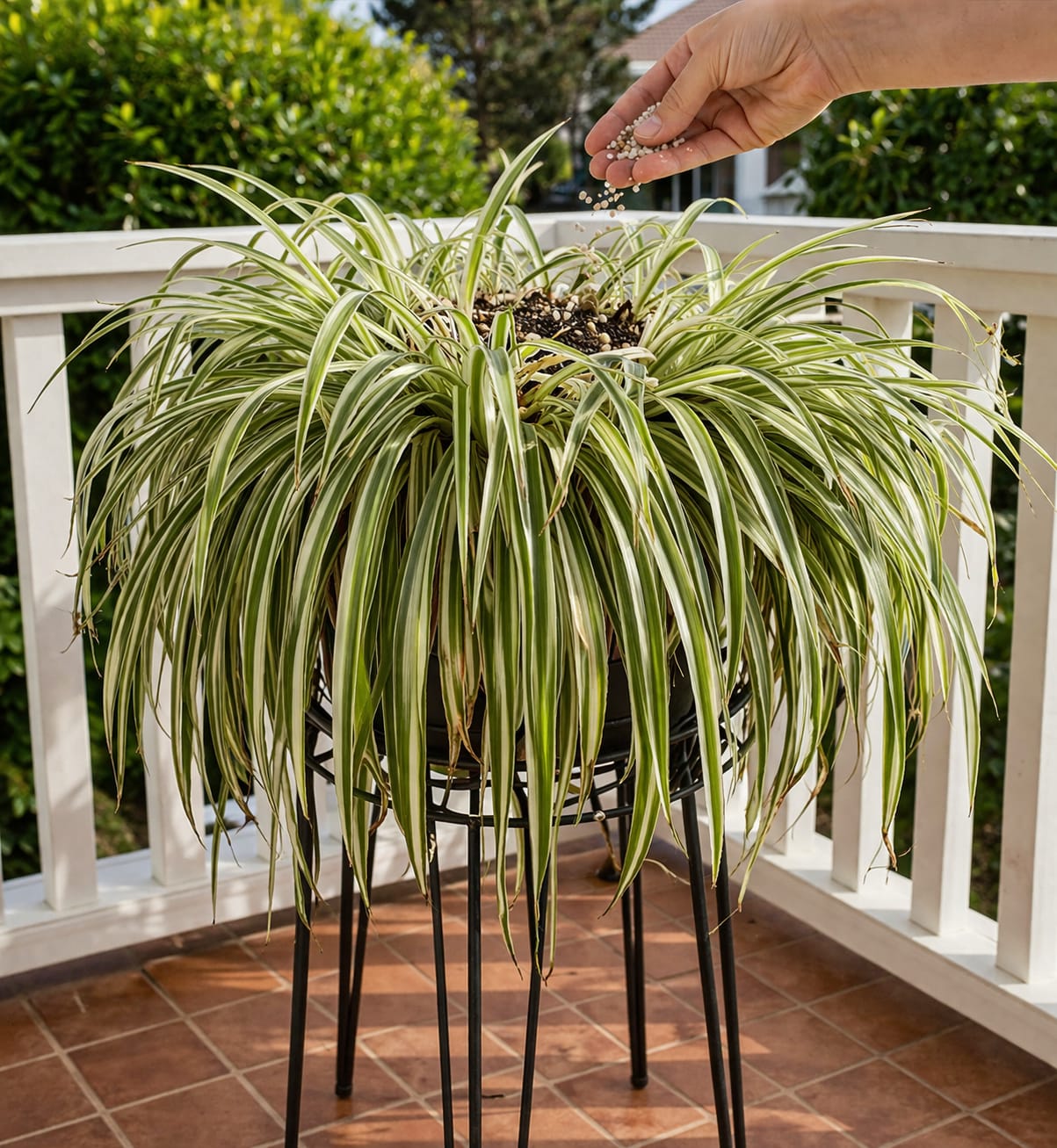
Is your spider plant looking thin and stringy? Learn how to make it bushy and full with these simple tips – proper light, pruning, watering, and more. Transform your plant in weeks.
Let’s be honest: spider plants (Chlorophytum comosum) are famous for being nearly indestructible. They survive neglect, low light, and inconsistent watering. They’re often the first plant a beginner buys because “you can’t kill it.” But there’s a big difference between surviving and thriving.
If your spider plant looks thin, sparse, or a bit “stringy” – with long, narrow leaves and little of that lush, overflowing cascade you see in photos – you’re not alone. Many people grow spider plants that just… exist. They don’t die, but they don’t wow you either.
The good news? Making your spider plant bushy is easier than you think. You don’t need a green thumb or expensive products. Just a few small adjustments to light, watering, pruning, and feeding can transform a sad, leggy plant into a full, vibrant, cascading beauty.
In this guide, I’ll walk you through exactly why spider plants get thin, the simple fixes that work every time, and how to maintain that bushy look for years. Plus, you’ll get pro tips, troubleshooting advice, and answers to common questions.
Let’s turn your spider plant into the statement piece it was meant to be.
Why Your Spider Plant Isn’t Full – Understanding the Problem
Before we fix it, let’s understand what’s happening. Spider plants are naturally vigorous growers. In their native habitat (tropical and southern Africa), they spread quickly, sending out long stolons with baby plants (spiderettes) that root wherever they touch the ground.
Indoors, a spider plant becomes thin and sparse when one or more of these conditions are missing:
Problem What It Looks Like
Not enough light Leggy, stretched leaves; pale green color; no spiderettes
No pruning Long, scraggly leaves; dead tips; no new growth from the center
No spiderettes Plant looks small and lonely; lacks the cascading “babies” that add fullness
Nutrient deficiency Yellowing leaves; slow growth; thin, weak foliage
Root crowding Slowed growth; leaves thin and stunted; roots visible on soil surface
The plant isn’t struggling – it just needs a small push in the right direction. Let’s give it that push.
🌟 1. Give It Bright, Indirect Light – The #1 Factor
Light is the single most important factor for a bushy spider plant. Without enough light, the plant can’t produce enough energy to grow thick, robust leaves.
What Spider Plants Need:
Light Level Result
Bright, indirect light (east or west window, a few feet back from a south window) Best – compact, vibrant green leaves, abundant spiderettes
Medium light (north window or 5–6 feet from a bright window) Acceptable – slower growth, fewer babies
Low light (dark corner, far from any window) Poor – leggy, pale, thin leaves; no spiderettes
Direct afternoon sun Harmful – scorched, brown leaf tips
Signs Your Spider Plant Needs More Light:
· Leaves are pale yellow-green instead of rich green
· Leaves are long, thin, and floppy
· The plant hasn’t produced spiderettes in over a year
· New leaves are smaller than old leaves
Quick Fix:
Move your plant closer to a window. An east-facing window is ideal – gentle morning sun, bright indirect light the rest of the day. If you don’t have a good window, use a full-spectrum LED grow light for 10–12 hours per day.
Pro tip: Rotate your plant every week or two so all sides receive equal light. This prevents the plant from leaning toward the light source and keeps growth even.
✂️ 2. Trim to Encourage Growth – Pruning Is Your Friend
This might sound surprising, but cutting your spider plant actually helps it grow thicker. Pruning removes old, weak, or damaged leaves, redirecting the plant’s energy toward new, healthy growth from the center.
How to Prune a Spider Plant for Bushiness:
What to Trim Why How
Long, weak leaves They drain energy without contributing to fullness Cut at the base, close to the soil line
Brown or dry tips Aesthetic and sign of stress Snip just the brown part, following the natural leaf shape
Leggy, stretched growth Results from low light Remove the entire leaf to encourage compact new leaves
Dead or yellowing leaves Normal aging – remove to keep plant tidy Cut at the base
When to Prune:
· Light pruning – anytime you see brown tips or dead leaves
· Hard pruning – once a year in early spring. Cut back up to one-third of the oldest, largest leaves. This sounds drastic, but it stimulates a flush of new growth.
What Happens After Pruning:
Within a few weeks, you’ll see new leaves emerging from the center. They’ll be smaller, brighter, and more numerous. The plant will look fuller because you’ve removed the old, sparse leaves.
Pro tip: Use clean, sharp scissors or pruning shears to avoid crushing the stems. Wipe the blades with rubbing alcohol between plants to prevent disease spread.
🌿 3. Let It Produce Babies (Spiderettes) – Don’t Cut Them Too Early
Those long stems with tiny baby plants (spiderettes) are not just cute – they’re key to making your plant look fuller and bushier.
Why Spiderettes Matter:
· They add visual volume, especially when left hanging from the mother plant
· They indicate a healthy, happy plant
· They can be propagated to create new plants (which you can add to the same pot for instant fullness)
Common Mistake:
Many people cut off the stolons (the long stems) because they think they drain energy. In reality, a healthy spider plant produces spiderettes because it has extra energy. Removing them won’t make the mother plant bushier – it will just make it look smaller.
What to Do Instead:
· Leave the spiderettes attached – they make the plant look larger and more impressive
· Let them grow – they’ll form their own roots while still attached
· Once they’re large (3–4 inches across), you can either:
· Leave them permanently for a cascading look
· Cut and plant them in the same pot to create a fuller cluster
How to Use Spiderettes to Create a Bushier Plant:
- Wait until the spiderette has developed several roots (at least 1–2 inches long).
- Cut the stolon close to the baby plant.
- Plant the spiderette directly into the same pot as the mother plant (or a new pot).
- Water lightly. The new plant will root and grow, filling in empty spaces.
Pro tip: Plant 3–4 spiderettes around the edge of the pot. They’ll grow into mature plants over time, creating an instantly fuller look.
🪴 4. Repot When Needed – Don’t Let Roots Get Too Crowded
Spider plants actually like being slightly root-bound – that’s when they produce the most spiderettes. But there’s a limit. When the pot becomes severely root-bound, growth slows, leaves become thin, and the plant struggles.
Signs Your Spider Plant Needs Repotting:
· Roots are growing out of the drainage holes
· The plant lifts out of the pot easily, with roots circling densely
· Water runs straight through without soaking in
· Growth has stalled for months
· The plant looks thin despite good light and water
How to Repot for Bushiness:
Step Action
1 Choose a pot 1–2 inches larger in diameter than the current one. Too large = soil stays wet too long.
2 Use fresh, well‑draining potting mix (regular houseplant mix with a handful of perlite).
3 Gently loosen the root ball. Trim away any dead or rotten roots.
4 Place the plant in the new pot at the same depth it was growing.
5 Fill with soil, water thoroughly, and place back in bright indirect light.
Pro tip: When repotting, you can also divide the plant. Cut the root ball into 2–3 sections, each with several leaves and healthy roots. Repot each section into its own pot. This instantly gives you multiple bushy plants.
💧 5. Water Properly – The Goldilocks Zone
Spider plants are succulents – they store water in their thick, white roots. Overwatering is the #1 killer, leading to yellow leaves, root rot, and limp, weak growth. Underwatering leads to brown tips and wilting.
The Perfect Watering Routine:
Condition Action
Top 1–2 inches of soil are dry Water thoroughly until it drains from the bottom
Soil is still damp Wait – check again in a few days
Leaves are pale and drooping Could be over or underwatering – check soil moisture
Seasonal Adjustment:
· Spring/Summer (growing season): Water more frequently – about once every 7–10 days, depending on light and temperature.
· Fall/Winter (resting season): Water less – every 2–3 weeks, or when the soil is completely dry.
Signs of Watering Problems:
· Overwatering: Yellow, mushy leaves; foul smell from soil; root rot.
· Underwatering: Brown, crispy leaf tips; wilting; slow growth.
Pro tip: Use room‑temperature, filtered water if your tap water is high in chlorine or fluoride. Spider plants are sensitive to fluoride, which causes brown tips.
Can Banana Peels Really Boost Orchid Growth? Continue to Page 2
Discover the safer method, the real risks, and the smart orchid care details that many gardeners miss on the first page.