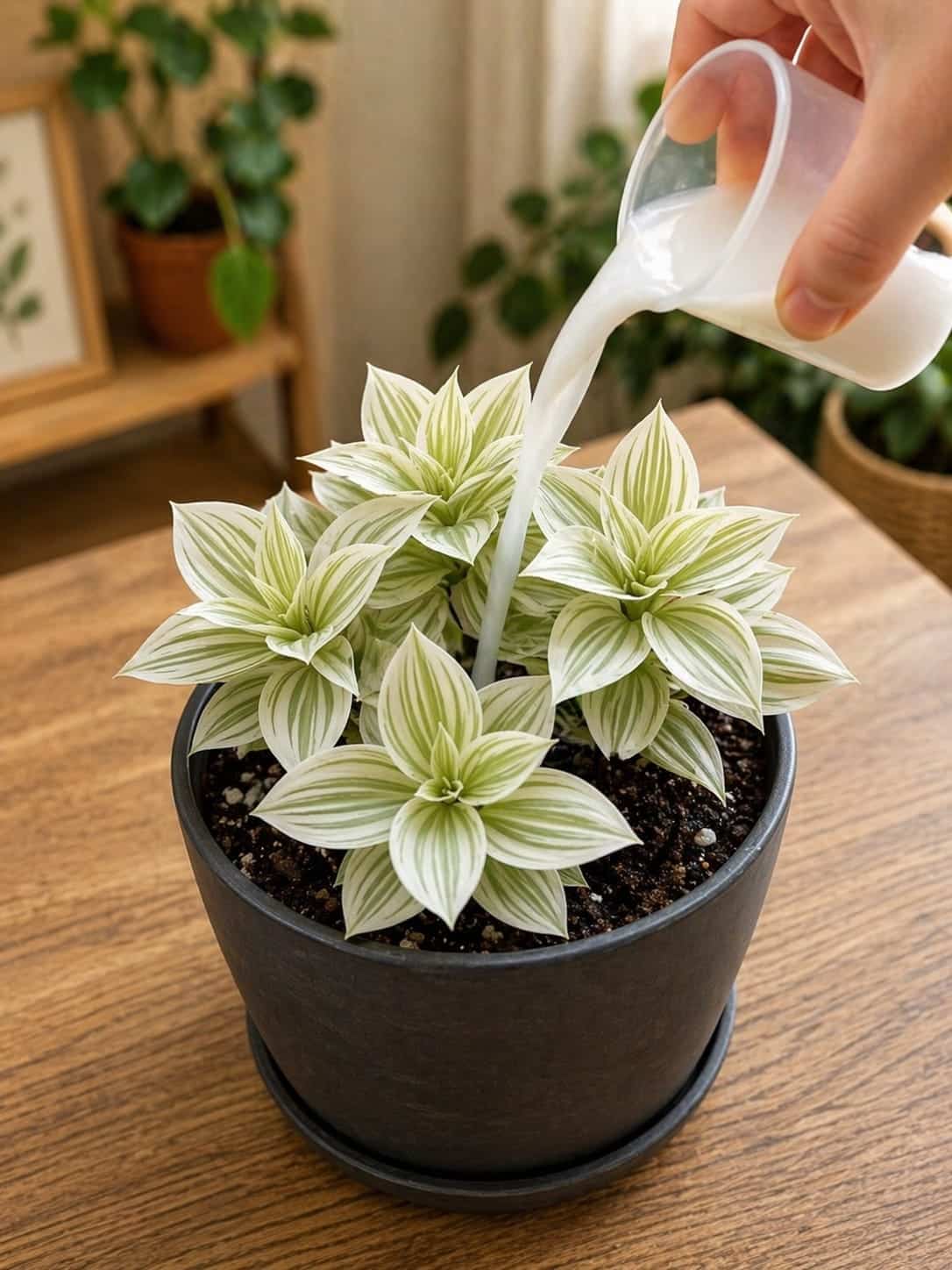
Wandering Jew (Tradescantia zebrina, fluminensis, or pallida) is one of the most beloved trailing houseplants. Its fast‑growing vines, striking purple and silver stripes, and ease of propagation make it a favorite for hanging baskets and shelf displays. But while most owners enjoy the foliage, many never see the small, delicate flowers this plant can produce indoors.
The truth is, Wandering Jew can bloom indoors — but only when it is given the right conditions. Most indoor plants are kept in “survival mode” rather than “bloom mode.” With a few simple adjustments to light, pruning, watering, and feeding, you can encourage those charming little three‑petaled flowers (usually pink, purple, or white) to appear.
In this guide, you will learn the proven tricks to make your Wandering Jew bloom indoors, how to avoid common mistakes, and the care routine that keeps the plant lush, compact, and ready to flower.
Why Wandering Jew Often Refuses to Bloom Indoors
Wandering Jew is native to the warm, bright environments of Mexico, Central America, and South America. In its natural habitat, it receives plenty of bright, indirect light and warm temperatures. Indoors, we often place it in corners or dim rooms where it survives but does not thrive.
The plant will grow leaves and trail, but flowering requires more energy. Without enough light, proper pruning, and balanced care, the plant stays in a vegetative state. The good news is that you do not need a greenhouse to see blooms — just a few smart changes.
- Give It Much Brighter Light (The #1 Trick)
This is the single most important factor. Wandering Jew can grow in moderate light, but if you want flowers indoors, it usually needs bright indirect light and sometimes a little gentle morning sun.
Ideal Light Conditions:
· East‑facing window – Gentle morning sun is perfect.
· South or west window with a sheer curtain – Bright filtered light without harsh afternoon rays.
· Very close to a bright window – Within 1–2 feet for best results.
· Supplemental grow light – If your home is dark, use a full‑spectrum LED light for 10–12 hours daily.
Signs Your Plant Is Not Getting Enough Light:
· Stems become long, thin, and widely spaced (leggy growth).
· The purple and silver colors fade to green.
· Leaves become smaller and sparse.
· No flowers, even during the growing season.
If your Wandering Jew is stretching, move it to a brighter spot. Within a few weeks, you will see more compact growth, richer colors, and a much higher chance of blooms.
- Keep the Plant Compact (Pinch Back Regularly)
A leggy, stretched‑out Wandering Jew spends its energy on reaching for light, not on producing flowers. Regular pruning is the secret to a bushy, bloom‑ready plant.
How to Prune for Blooms:
· Pinch back the stem tips every few weeks. Use your fingernails or clean scissors to remove the top 1–2 inches of each stem.
· Cut just above a leaf node (where leaves attach). This encourages two new stems to grow from that point.
· Do not be afraid to prune hard. Wandering Jew grows fast and recovers quickly.
· Remove any long, bare stems that have lost leaves. Cut them back to the nearest healthy growth.
Benefits of Pruning:
· Fuller growth – More stems, more leaves.
· More branching – Each cut produces two new stems.
· More growing points – Flowers form at the tips of healthy stems, so more tips = more potential blooms.
· A denser, more attractive plant – No more stringy, sparse vines.
Prune every 2–3 weeks during spring and summer. You can also use the cuttings to propagate new plants (root in water or soil).
- Do Not Overwater (Balance Is Key)
Wandering Jew likes lightly moist soil during active growth, but it does not want soggy roots. Overwatering leads to weak, yellowing growth, root rot, and no flowers.
Watering for Blooms:
· Water when the top inch of soil feels dry. Stick your finger in.
· Water thoroughly until it runs from the drainage holes.
· Let excess water drain away – empty the saucer.
· Reduce watering in fall and winter (every 10–14 days).
Too much water = weak, soft growth that cannot support blooms. Too little water for long periods also stresses the plant. Aim for consistent, moderate moisture.
- Feed Lightly During the Growing Season
If you want indoor flowers, the plant needs enough energy to support them. A light fertilizer routine during spring and summer can make a noticeable difference.
Best Fertilizer for Wandering Jew Blooms:
· Use a balanced, water‑soluble houseplant fertilizer (10‑10‑10 or 20‑20‑20).
· Dilute to half strength – these plants are not heavy feeders.
· Feed once every 3–4 weeks from March through August.
· Do not fertilize in fall and winter – the plant rests.
Avoid high‑nitrogen fertilizers (like those for lawns). Too much nitrogen promotes lush, leafy growth at the expense of flowers. A balanced or slightly bloom‑boosting formula works best.
Signs of Overfeeding:
· Brown leaf tips.
· White crust on the soil surface.
· Excessively fast, weak growth.
If you see these, flush the soil with plain water and reduce feeding.
- Use a Pot with Good Drainage
Healthy roots are one of the quiet secrets behind flowering. Wandering Jew does not like wet feet.
Pot and Soil Tips:
· Always use a pot with drainage holes. Hanging baskets are fine as long as water can escape.
· Use a light, well‑draining potting mix. Add perlite or coarse sand to standard potting soil (2 parts soil, 1 part perlite).
· Avoid heavy, moisture‑retentive mixes. They lead to root rot.
· Terra cotta pots are great because they wick away excess moisture.
When roots stay healthy, the plant can put more energy into growth and blooms instead of stress recovery.
- Give It Warmth and Consistency
Wandering Jew prefers warm indoor conditions and does best when it is not exposed to constant cold drafts or temperature swings.
Ideal Conditions:
· Temperature: 65–80°F (18–27°C) during the day. Night temperatures can be slightly cooler, but avoid drops below 50°F (10°C).
· Away from cold windows in winter – the glass can get very cold.
· Away from heating vents – hot, dry air can stress the plant.
· Stable environment – avoid moving the plant from room to room.
A stable environment supports steadier growth, which improves the chances of flowering.
- Let It Mature a Little (Patience Pays)
Some plants simply need time. If your Wandering Jew is still small or recently propagated, it may need a little longer to establish before it starts blooming well.
· Young plants often focus on root and leaf growth first.
· Mature plants (6–12 months old) are much more likely to flower.
· Keep giving it bright light, regular pruning, and good care. Once it becomes fuller and more settled, flowering often becomes more likely.
Do not give up if you do not see flowers immediately. Consistency over weeks and months pays off.
- Keep the Foliage Healthy
Flowers come from a healthy plant, not a stressed one. Watch for these signs of trouble:
· Fading leaf color (green instead of purple) – too little light.
· Mushy stems – overwatering or root rot.
· Dry, crispy patches – too much direct sun or low humidity.
· Pest problems – spider mites, aphids, or mealybugs.
· Overly long, bare vines – need pruning.
A plant that looks strong, colorful, and full is the one most likely to bloom indoors.
Continue to Page 2
Continue to page 2 for more details about this article and the key points many readers miss on the first page.