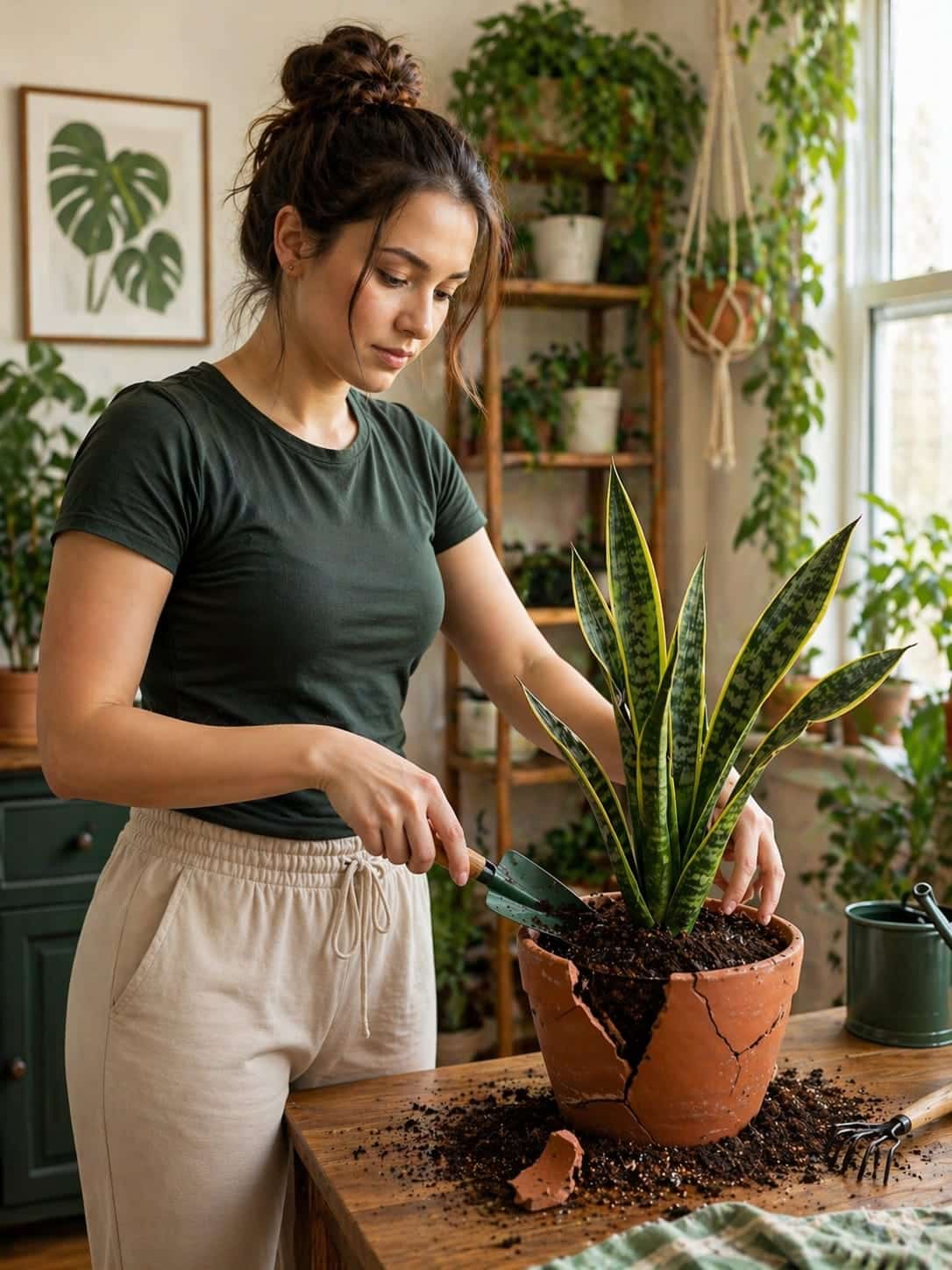
Snake plants are already one of the most stylish houseplants you can own. Their upright leaves, bold shape, and clean lines fit almost any space, from modern apartments to cozy homes. But sometimes a snake plant still looks a little plain, a little tired, or just not as elevated as the beautiful ones you see online.
The good news is that making a snake plant look more expensive usually has less to do with buying a rare variety and more to do with how you style and care for it. A healthy snake plant with the right presentation can look far more luxurious than a neglected “fancy” one.
In this guide, you will learn simple, practical styling tricks that transform an ordinary snake plant into a designer‑worthy accent piece. No expensive makeovers required — just smart choices in potting, placement, and maintenance that make all the difference.
Start with the Plant Itself (Health First, Style Second)
Before styling, look at the plant honestly. A snake plant looks more premium when it has:
· Firm, upright leaves – No flopping, wrinkling, or soft spots.
· Clean leaf surfaces – Dust‑free, naturally glossy.
· A balanced shape – Leaves growing evenly around the center.
· Healthy color – Rich green, with variegation crisp and clear.
· No obvious damage or mushy growth – No brown tips, no rot.
If the plant is leaning, dusty, overcrowded, or sitting in old compacted soil, even the prettiest pot will not fully fix the look. That is why the first step is always basic cleanup.
Quick Health Check:
· Gently wipe each leaf with a soft, damp cloth. This removes dust and instantly increases shine.
· Remove any dead, yellow, or badly damaged leaves. Cut them at the base.
· Check the soil. If it is compacted, waterlogged, or smells sour, repot into fresh cactus mix.
· Make sure the plant is not leaning due to uneven light. Rotate it if needed.
A healthy plant is the foundation of any expensive‑looking display.
Remove What Makes It Look Messy
Luxury styling often comes down to simplicity. Clean lines make plants look more intentional. Start by removing:
· Dead leaves – They look messy and can attract pests.
· Badly damaged leaves – Cut them off cleanly at the base.
· Fallen debris on the soil – Bits of old leaves, dried soil, or random crumbs.
· Old nursery tags – Those plastic tags scream “mass‑produced.”
· Crusty salt marks on the pot – White residue from fertilizer or hard water.
Wipe the leaves gently so they look fresh and glossy, but avoid making them artificially shiny with heavy leaf shine products. Clean, natural leaves look far better than greasy‑looking ones. A simple damp cloth is all you need.
Upgrade the Pot (The Single Biggest Impact)
One of the fastest ways to make a snake plant look expensive is to get it out of a flimsy nursery pot and into something more refined. The pot is the frame for your plant — it matters as much as the plant itself.
Best Pots for a Luxury Look:
· Matte ceramic – Clean, modern, non‑reflective. White, cream, charcoal, or terracotta tones.
· Textured stone‑look planters – Concrete, cement, or faux stone. Adds weight and sophistication.
· Simple terracotta – Classic and timeless. Look for unglazed, matte finishes.
· Neutral‑toned decorative containers – Beige, taupe, warm gray, or soft black.
· Woven baskets with hidden inner pots – Adds texture and warmth, especially in boho or Scandinavian decor.
What to Avoid:
· Oversized shiny plastic pots – They look cheap and trap moisture.
· Bright colors or busy patterns – They compete with the plant’s clean lines.
· Pots without drainage holes – They harm the plant and often look like afterthoughts.
A clean pot with a strong shape can transform the whole plant. If you love a decorative pot without drainage, keep the snake plant in a simple plastic nursery pot inside it. Remove the inner pot for watering, then replace. This gives you the best of both worlds: style and health.
Choose the Right Size Container
A common mistake is putting a small snake plant in a pot that is far too large. That can make the arrangement look awkward and can also lead to overwatering problems because the excess soil stays wet too long.
A pot that looks expensive usually feels proportionate:
· Not too huge – The pot should be about 1–2 inches wider in diameter than the root ball.
· Not too cramped – The plant should not be bursting out of the pot, but a little snug is good.
· Just enough room for the plant to feel settled and balanced
Snake plants often look especially elegant when they are slightly snug and upright in their container. A pot that is too large makes the plant look lost; a pot that is too small makes it look stressed.
Pro tip: If you want a larger pot for visual impact, use a decorative outer pot that is larger, but keep the plant in a properly sized inner pot. This gives you the look of a big planter without the risk of overwatering.
Refresh the Top Layer of Soil
This is one of the most overlooked styling tricks. The top of the pot says a lot about whether a plant looks polished or neglected. If the soil surface is uneven, dusty, compacted, or covered with random debris, the whole plant can look cheaper.
How to Elevate the Soil Surface:
· Smooth the top soil – Use your fingers or a small trowel to level it out.
· Add a thin layer of fresh potting mix – A quarter inch of fresh cactus mix instantly freshens the look.
· Use decorative top dressing – Small stones, gravel, pebbles, or orchid bark. These add texture and a curated feel.
· Keep the base neat and uncluttered – No random leaves, no exposed roots, no bare patches.
A clean surface instantly makes the plant feel more curated. Top dressing also helps retain moisture and reduce soil splash when watering. Choose stones that complement your pot — white pebbles for a modern look, dark gravel for a dramatic contrast.
Use Light to Your Advantage
A snake plant always looks more expensive in the right lighting. Light affects not only the plant’s health but also how its colors and textures are perceived.
Place it where it gets:
· Bright indirect light – Near an east window or a south/west window with a sheer curtain.
· Soft natural daylight – The light should be gentle, not harsh.
· Enough brightness to keep the leaf color rich and the growth upright
A dark corner may keep it alive, but it will not show off the plant’s beauty nearly as well. Leaves may become darker green, but they can also become leggy and weak. Plants styled near a bright window often look healthier, sharper, and more architectural.
Evening styling: Consider a small, warm LED spotlight or a picture light aimed at the plant. This creates dramatic shadows and highlights the sculptural form, making the plant look like an art piece.
Continue to Page 2
Continue to page 2 for more details about this article and the key points many readers miss on the first page.