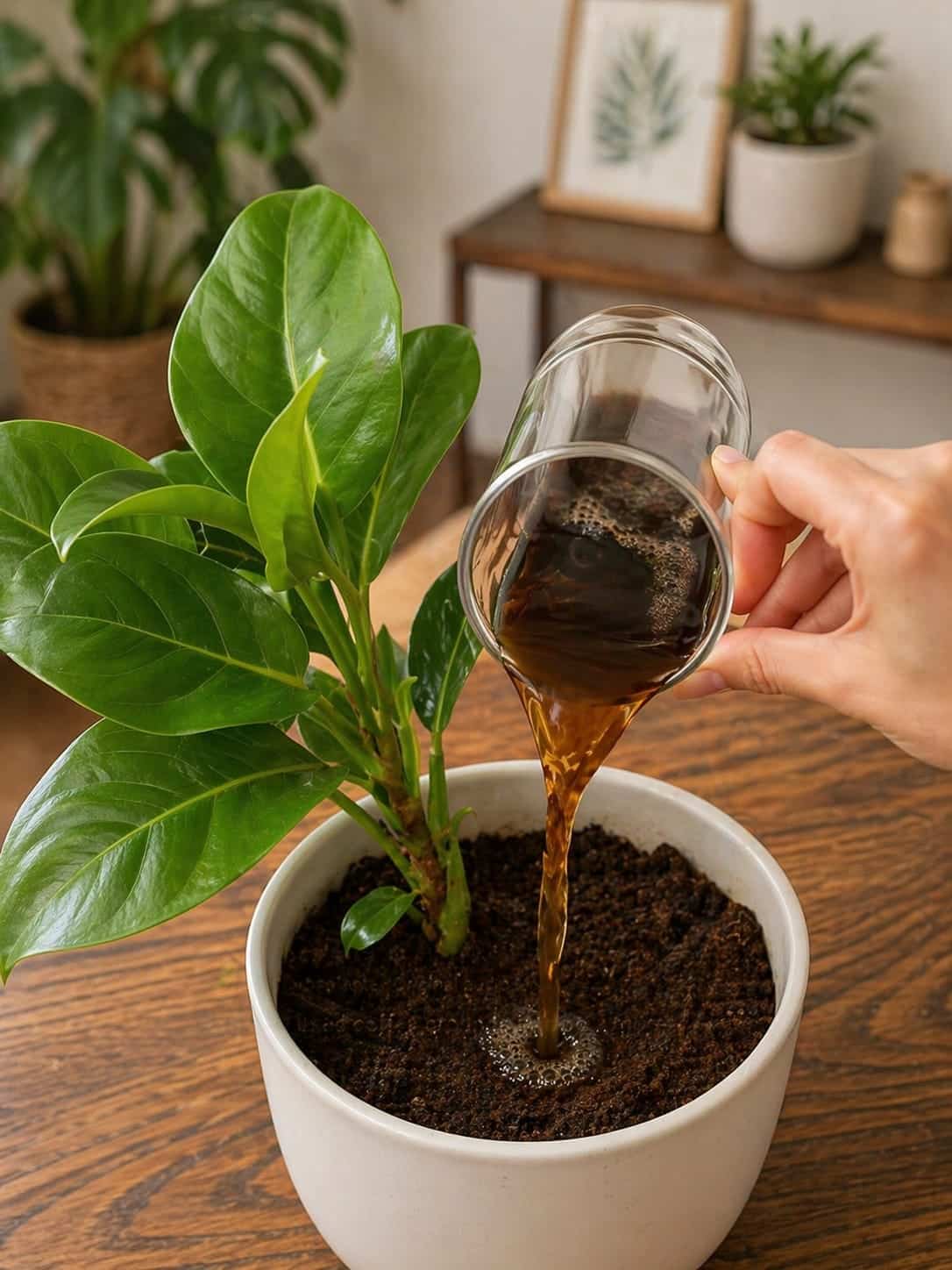
Every morning, millions of people throw away used coffee grounds without realizing they may still have value long after the last cup is poured. What looks like simple kitchen waste can actually become a useful addition to your plant care routine when used the right way.
That is why coffee grounds have become one of the most talked‑about homemade garden tricks. They are easy to save, simple to apply, and they make people feel like they are turning everyday leftovers into something productive. And in many cases, that is exactly what you are doing.
Used coffee grounds can help enrich soil, improve texture, and add organic matter that supports healthier plant growth over time. But like most home gardening hacks, the real secret is not just using them — it is using them wisely.
In this guide, you will learn what used coffee grounds can actually do for your plants, the common mistakes that cause more harm than help, the safest ways to apply them, and which plants love coffee grounds — and which ones do not.
Why Coffee Grounds Attract So Much Attention in Plant Care
Coffee grounds feel like the perfect gardening ingredient. They are free, natural, easy to collect, full of organic matter, and satisfying to reuse. For plant lovers, that is hard to resist.
The idea of turning kitchen waste into a soil booster sounds both practical and clever. Instead of throwing something away, you are feeding the life in your pots or garden beds and making your plant routine feel more sustainable. That is a big part of the appeal.
Additionally, coffee grounds contain small amounts of nitrogen, potassium, phosphorus, and other trace minerals. When broken down by soil microbes, these nutrients become available to plants. Coffee grounds also improve soil structure, helping sandy soil retain moisture and clay soil drain better.
However, the key word is broken down. Fresh, uncomposted coffee grounds behave differently than fully composted ones.
What Used Coffee Grounds Can Actually Do (Realistic Benefits)
Used coffee grounds are not a miracle fertilizer, but they can still be helpful. When added properly, they may:
· Add organic material to the soil – Improves soil structure and water retention.
· Improve soil texture in some mixes – Loosens heavy clay soils.
· Support microbial activity – Feeds beneficial bacteria and fungi.
· Contribute a small nutrient boost over time – Provides nitrogen, potassium, and magnesium.
· Help compost become richer and more balanced – A great “green” material for compost piles.
That is why they work best as a soil amendment or part of a broader feeding strategy, not as a magic one‑step plant cure.
The Biggest Mistake People Make with Coffee Grounds
A lot of people see a video, dump a thick layer of wet coffee grounds straight into the pot, and expect instant results. That is where problems start.
Too many coffee grounds in one place can:
· Compact on the surface – Creates a crust that blocks water and air.
· Slow airflow – Roots need oxygen; compacted grounds reduce it.
· Trap too much moisture – Leads to root rot, especially in indoor pots.
· Encourage mold – White or green fuzz on the soil surface.
· Create a sour smell – Decomposing grounds can smell unpleasant.
· Stress sensitive roots – Especially in small containers.
So while coffee grounds can be useful, more is definitely not better.
Fresh Grounds vs. Used Grounds (Crucial Difference)
This is important. Used coffee grounds are much safer for plant use than fresh, unused grounds. Fresh grounds are stronger and harsher, containing higher levels of caffeine and chlorogenic acid, which can inhibit seed germination and root growth. Used grounds have already been processed through brewing, which removes most of these compounds.
That makes them gentler and more practical for plant care. If you are going to reuse coffee waste, used grounds are the better choice. Never sprinkle fresh, unbrewed coffee grounds directly onto soil.
How to Use Coffee Grounds the Smart Way (Safe Methods)
There are several better ways to turn used coffee grounds into a helpful plant booster. Choose the method that fits your gardening style.
- Mix Them into Compost (Best Method)
This is the gold standard. Coffee grounds work very well in compost because they blend with other materials and break down in a more balanced way. They are considered a “green” (nitrogen‑rich) material. Mix them with “browns” (dried leaves, cardboard, straw) in a ratio of about 1 part coffee grounds to 3 parts browns.
Once composted, they become much safer and more effective for plants, releasing nutrients slowly without risk of compaction or mold.
- Add a Small Amount to Potting Mix (For Outdoor Plants or Large Pots)
If you want to use them directly, use only a very small amount and mix them into the soil rather than leaving them in a thick wet layer on top. For a 10‑inch pot, no more than 2 tablespoons of used grounds, mixed thoroughly into the top 2 inches of soil.
- Make a Light Soil Amendment for Garden Beds
A small sprinkle worked gently into the top layer of outdoor soil can help add organic matter gradually. Use no more than ½ cup per square yard. Rake it in lightly.
- Use in Garden Beds More Than Small Indoor Pots
Coffee grounds are often easier to use in larger outdoor systems than in tiny indoor containers where buildup happens faster. In outdoor beds, earthworms love coffee grounds and will help incorporate them into the soil.
- Brew Weak Coffee Ground “Tea”
Soak 1 cup of used coffee grounds in 1 gallon of water for 24 hours. Strain through a fine mesh or cloth. Use the liquid to water your plants once a month. This provides a mild, quick‑release nutrient boost without the risk of compaction.
Continue to Page 2
Continue to page 2 for more details about this article and the key points many readers miss on the first page.