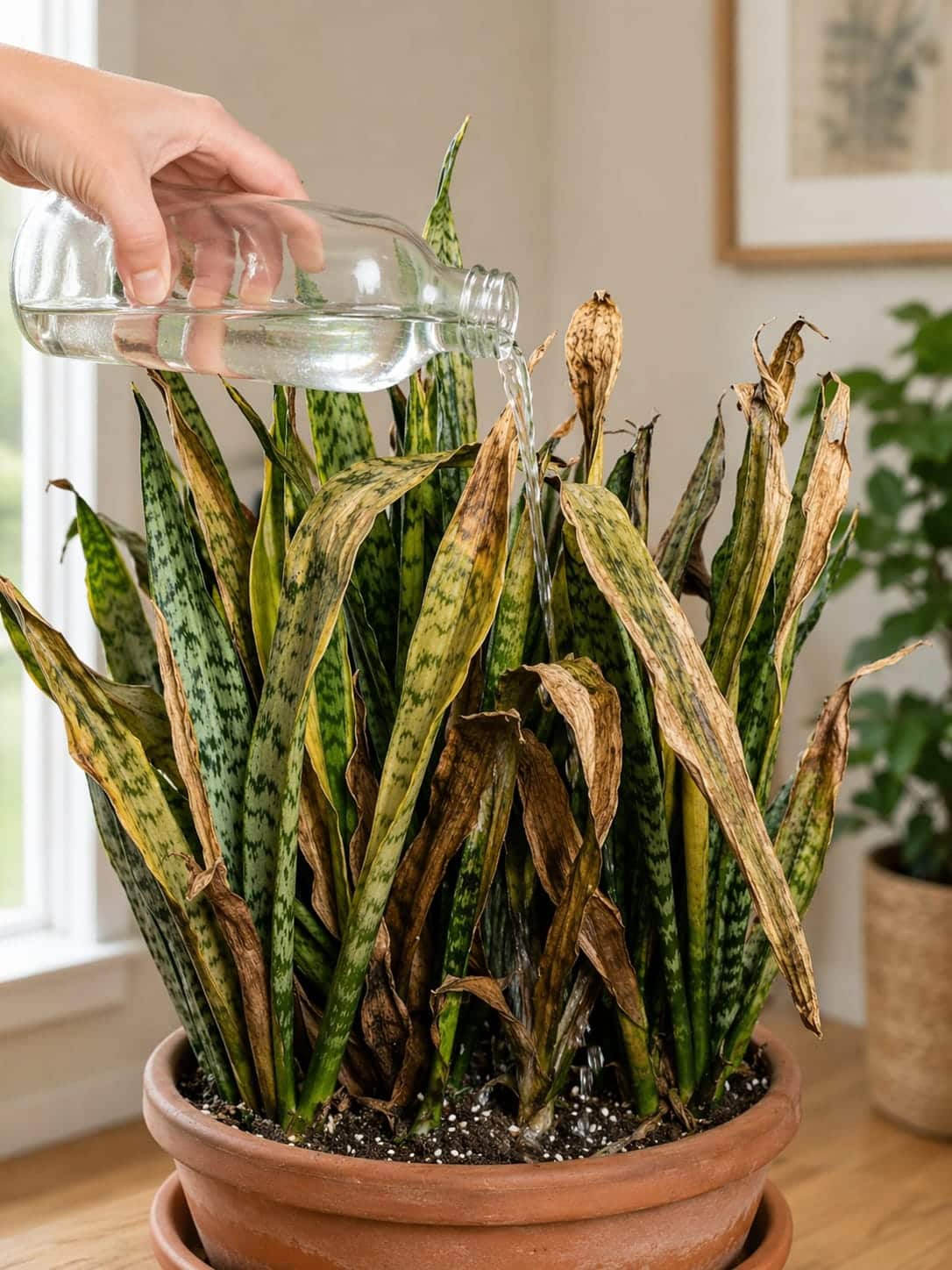
Snake plants are famous for being nearly indestructible. They survive low light, missed waterings, dry indoor air, and even a little neglect. But did you know they can also bloom? While it is rare indoors, with the right care, you can encourage your snake plant to produce its unique, fragrant flowers.
If you have never seen a snake plant bloom, you are not alone. Most owners go years — or decades — without spotting a single flower stalk. But when it happens, it is magical. Tall, graceful stalks rise from the center of the plant, covered in clusters of small, tubular white or cream‑colored blossoms that release a sweet, delicate fragrance, especially noticeable at night.
So, how do you increase your chances? It is not about luck. It is about understanding what triggers a snake plant to flower and giving it those conditions consistently. In this guide, you will learn exactly how to make your snake plant bloom, from slight stress techniques to light, watering, feeding, and patience.
Why Snake Plant Blooms Are So Rare Indoors
Snake plants (Dracaena trifasciata, formerly Sansevieria) are native to West Africa. In their natural habitat, they bloom seasonally when they receive bright light, experience natural dry cycles, and reach maturity. Indoors, we often keep them in conditions that are too comfortable — consistent moisture, low light, and frequent repotting. These conditions keep the plant alive and healthy but do not trigger reproduction.
In nature, a snake plant blooms when it is under mild stress, such as being root‑bound, experiencing a dry spell, or receiving intense light. The plant interprets these conditions as a signal to reproduce — to send up a flower stalk and produce seeds before conditions worsen.
That is why the key to indoor blooming is recreating those mild stress signals without harming the plant.
Slight Stress Encourages Blooming (The Right Kind of Stress)
Unlike many plants that need perfect pampering to flower, snake plants are more likely to bloom when they are a little stressed. But note: this is mild stress, not damage. You want the plant to feel slightly challenged, not tortured.
How to Apply Mild Stress Safely
· Keep the plant slightly root‑bound – Do not repot into a larger container too soon. A snug pot encourages the plant to focus on reproduction rather than root expansion.
· Avoid repotting too often – Repot only every 2–3 years, or when the plant is cracking its pot. Frequent repotting disrupts the root system and resets the clock.
· Let the soil dry out well between watering – Do not keep the soil constantly moist. Allow it to dry completely, then wait a few more days before watering again. This mimics the natural dry season.
This mild stress signals the plant to reproduce, which can trigger flowering. However, do not overdo it. Extremely stressed plants (those with root rot, severe dehydration, or pest infestations) will not bloom — they will decline.
Provide Bright, Indirect Light (The #1 Trigger)
Light plays a huge role in blooming. Snake plants survive in low light, but they will rarely, if ever, flower there. To encourage blooms, you need to give your plant significantly more light.
Ideal Light Conditions for Blooming
· Place your plant near a bright window – An east‑facing window is ideal (morning sun). A south or west window with a sheer curtain also works well.
· Provide 10–12 hours of bright indirect light daily – If your home is dark, use a full‑spectrum LED grow light.
· Avoid very low light corners – The plant may stay alive but will not have enough energy to flower.
· Protect from harsh direct sunlight – Too much direct sun can scorch the leaves, turning them pale or brown.
What Happens When Light Increases?
When a snake plant receives more light, it photosynthesizes more efficiently. It builds up energy reserves in its underground rhizomes. When those reserves reach a certain level and the plant is mature, the combination of light + mild stress can trigger a flower stalk.
If your snake plant has never bloomed, moving it to a brighter location is the single most effective change you can make.
Water Less, Not More (Dry Spells Matter)
Overwatering is the biggest mistake snake plant owners make. It leads to root rot, yellow leaves, and a weak plant that will never bloom. For flowering, you need to shift your watering routine to mimic natural dry cycles.
Watering Rules to Encourage Blooms
· Water only when the soil is completely dry – Stick your finger into the soil. If it is dry at least 2 inches down, water. If it feels damp, wait a week and check again.
· Water deeply but infrequently – When you water, pour slowly until it runs from the drainage holes. Let it drain completely. Empty the saucer.
· Reduce watering even more in winter – In fall and winter, water once a month or less. The plant rests during this period, and less water encourages bud formation for the next season.
· Never let the plant sit in water – Standing water is a death sentence for snake plants.
Why Dry Conditions Encourage Blooms
In nature, snake plants experience a distinct dry season. A period of drought followed by a return to normal watering can signal the plant that it is time to reproduce. By letting the soil dry out completely between waterings, you are mimicking that natural cycle.
However, do not let the plant shrivel. If the leaves become wrinkled or soft, you have gone too far. Find the balance: dry, but not bone‑dry for months.
Feed During the Growing Season (But Lightly)
Snake plants are not heavy feeders. In fact, over‑fertilizing can actually inhibit blooming by encouraging excessive leaf growth. However, a light feeding routine during the active growing season can provide the energy needed for flower production.
Best Fertilizer for Snake Plant Blooms
· Use a balanced, water‑soluble fertilizer (like 10‑10‑10 or 20‑20‑20) diluted to half strength.
· Feed once a month at most – Only during spring and summer.
· Stop feeding in colder months – Do not fertilize from fall through winter.
· Alternatively, use a slow‑release succulent fertilizer – Apply once in spring.
What to Avoid
· High‑nitrogen fertilizers – These promote leaf growth at the expense of flowers.
· Over‑fertilizing – Too much fertilizer causes salt buildup, brown tips, and weak growth.
· Fertilizing a newly repotted or stressed plant – Wait 4–6 weeks after repotting before feeding.
A little boost in spring can make the difference between a plant that survives and one that thrives enough to bloom.
Continue to Page 2
Continue to page 2 for more details about this article and the key points many readers miss on the first page.